Legal For Construction In Ohio
Description












Get your form ready online
Our built-in tools help you complete, sign, share, and store your documents in one place.
Make edits, fill in missing information, and update formatting in US Legal Forms—just like you would in MS Word.
Download a copy, print it, send it by email, or mail it via USPS—whatever works best for your next step.
Sign and collect signatures with our SignNow integration. Send to multiple recipients, set reminders, and more. Go Premium to unlock E-Sign.
If this form requires notarization, complete it online through a secure video call—no need to meet a notary in person or wait for an appointment.
We protect your documents and personal data by following strict security and privacy standards.

Make edits, fill in missing information, and update formatting in US Legal Forms—just like you would in MS Word.

Download a copy, print it, send it by email, or mail it via USPS—whatever works best for your next step.

Sign and collect signatures with our SignNow integration. Send to multiple recipients, set reminders, and more. Go Premium to unlock E-Sign.

If this form requires notarization, complete it online through a secure video call—no need to meet a notary in person or wait for an appointment.

We protect your documents and personal data by following strict security and privacy standards.
Looking for another form?





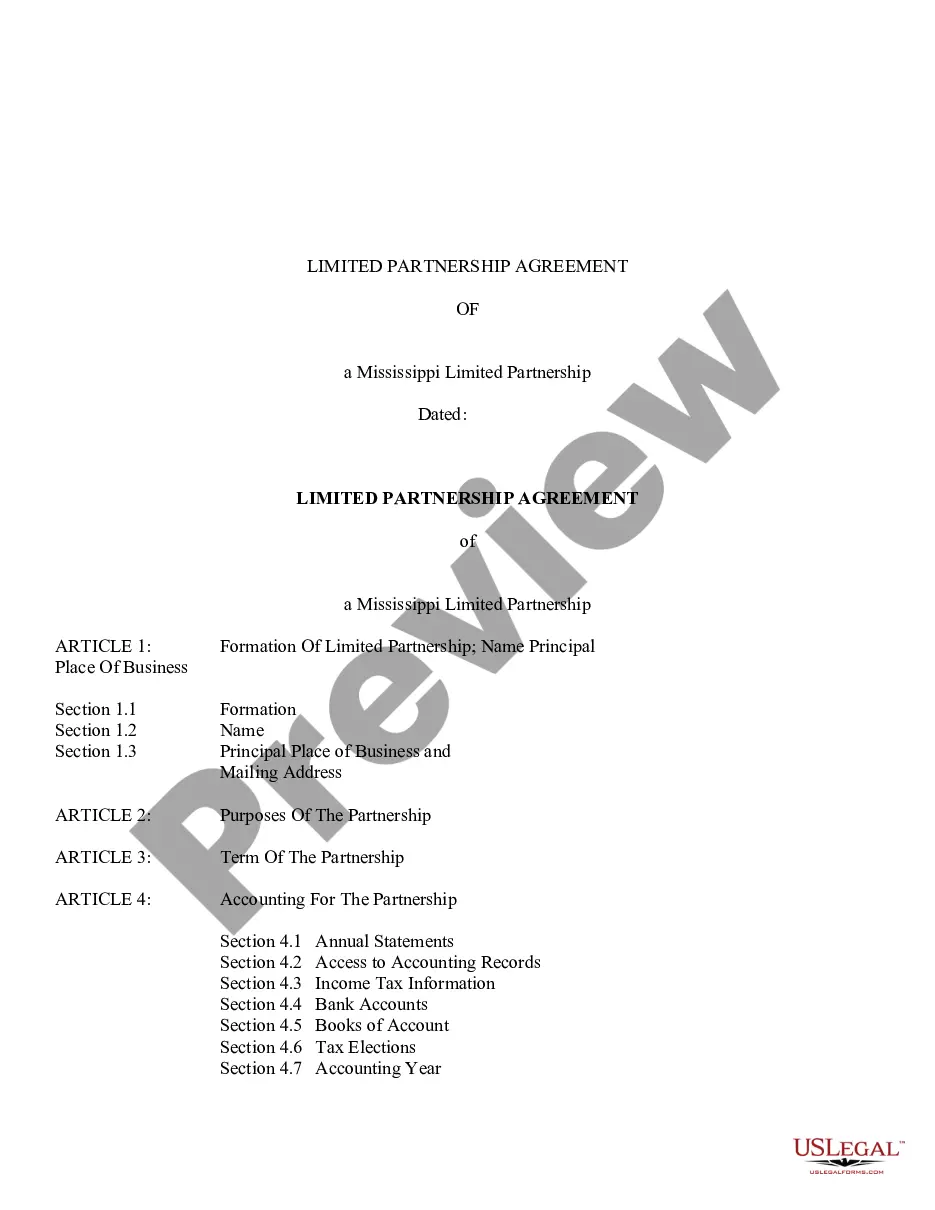

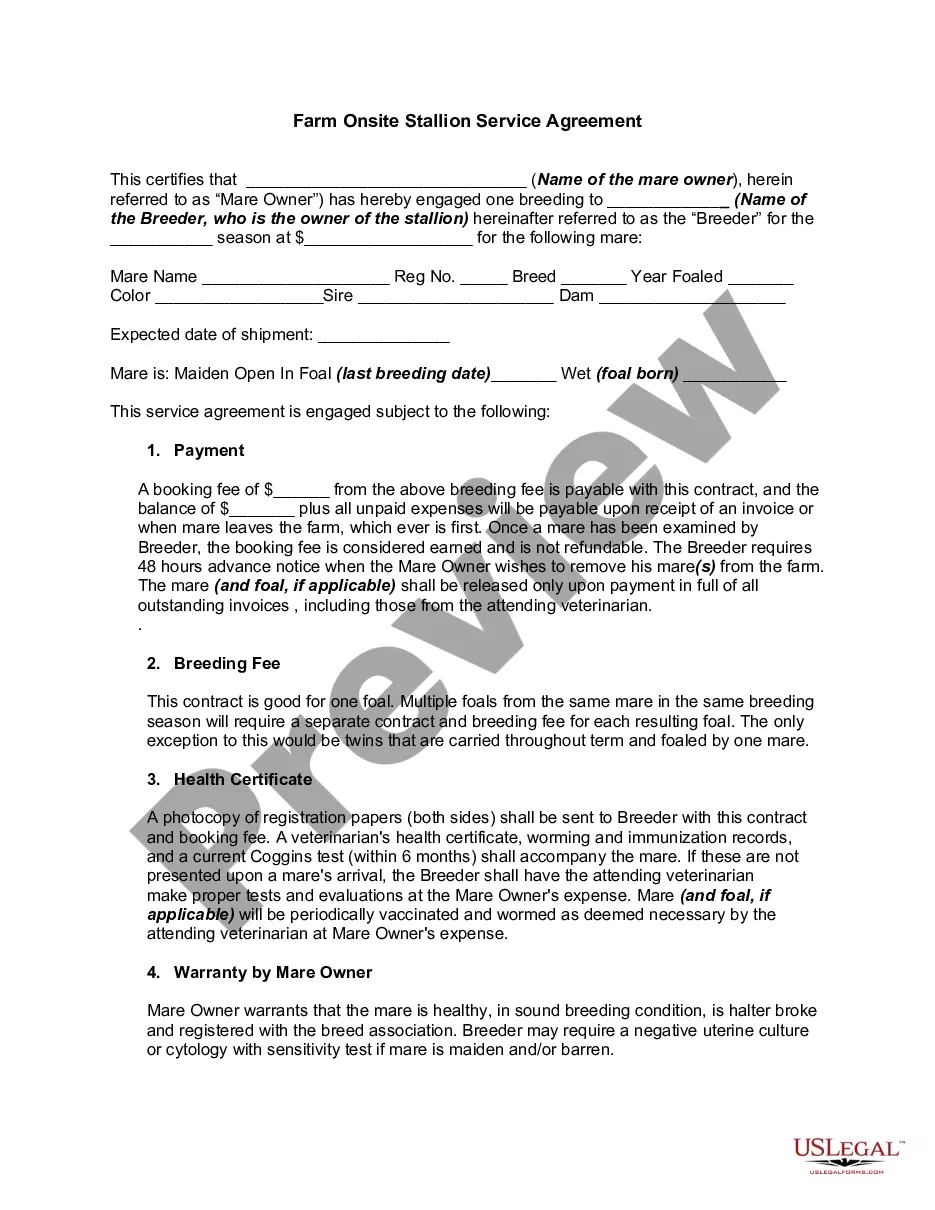


Form popularity
FAQ
To apply for an Ohio contractor license at the state level, you must: Be 18 years or older. Be a U.S. citizen or legal alien. Have at least five years of experience in your trade, have three years of experience as a registered engineer in your trade, or have an equivalent experience that the OCILB finds acceptable.
That contract must include specific information about your rights and responsibilities. In addition, any changes made to that contract must be in writing, be legible, be easy to understand, and inform you of your rights to cancel or rescind the contract.
In Ohio, for a contract to be legally enforceable, certain elements—like a valid offer, acceptance, and a meeting of the minds—must be present within the document or verbal agreement. These elements help ensure the enforceability of the contract and confirm the agreement is valid and binding under the law.
Do you need a contractor license in Ohio? A general contractor license is not required in Ohio if you perform minor repair work or on home improvement projects under $1,000. However, you may need a license from the state if you plan to work on larger projects.
If you're wondering whether Ohio requires handyman licenses, the answer is no. You don't need a license in this state if you perform minor repairs and maintenance on residential properties.
Certified/Licensed Contractors: Must comply with regulations specific to their trade. General Contractors: Must obtain a broader license covering multiple trades and overall project management.
Do you need a contractor license in Ohio? A general contractor license is not required in Ohio if you perform minor repair work or on home improvement projects under $1,000. However, you may need a license from the state if you plan to work on larger projects.
Applicants must meet these licensing requirements in California: Have at least four years of experience within the past 10 years, within your licensing classification. Pass a trade exam, as well as a business and law exam. Complete a background check.
Evaluating the Severity of Defects Minor imperfections or cosmetic issues may not be sufficient grounds for legal action. However, if the defects significantly impact the functionality, safety, or value of the property, it may be necessary to pursue a lawsuit.
However, these exceptions usually involve some sort of fraud on the part of the defendant. In Ohio, laws related to civil statutes of limitations impose a one-year limit on defamation and medical malpractice claims. For personal injury claims, the statute of limitations is two years.
