Construction Act Form 9 In North Carolina
Description

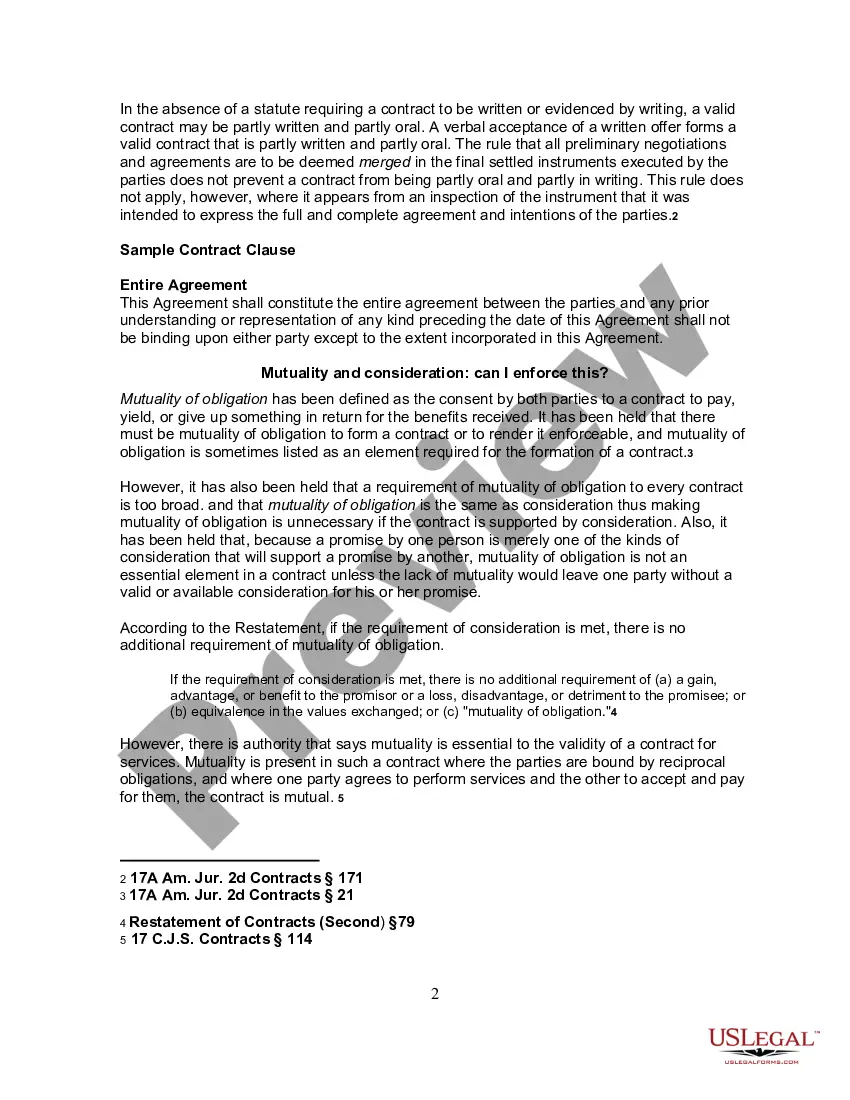
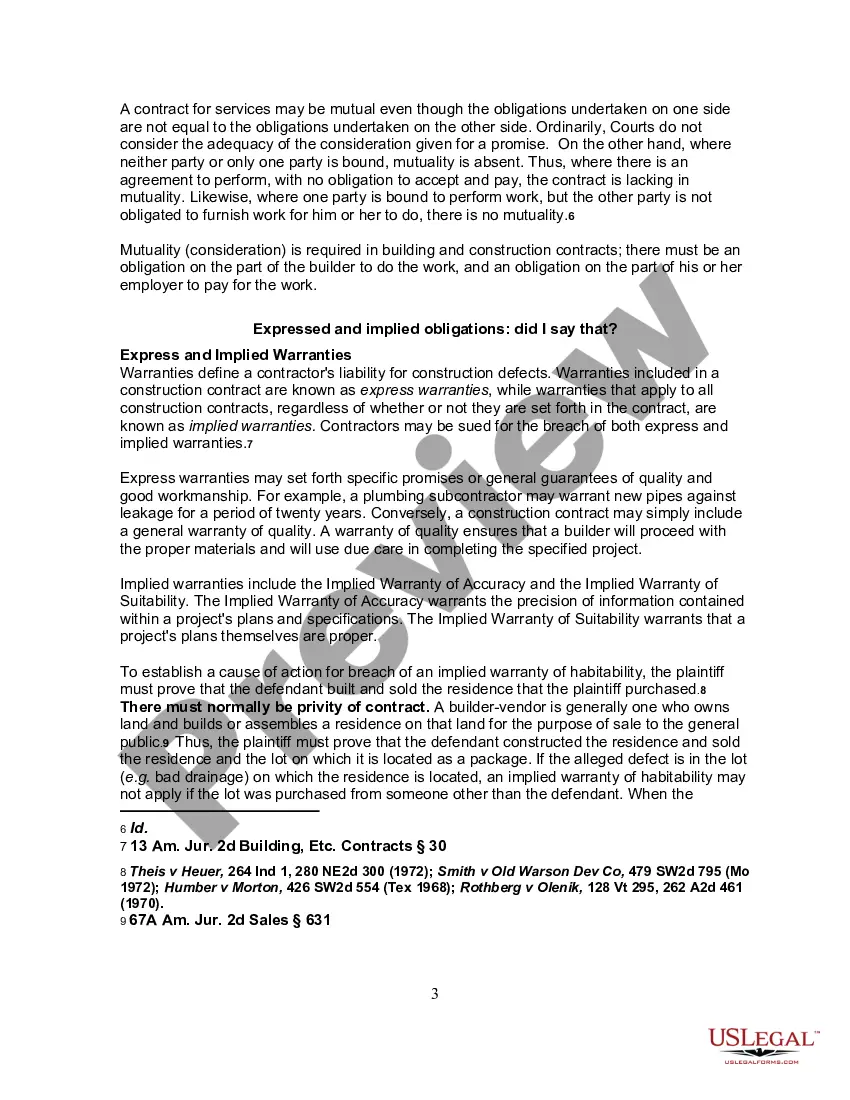
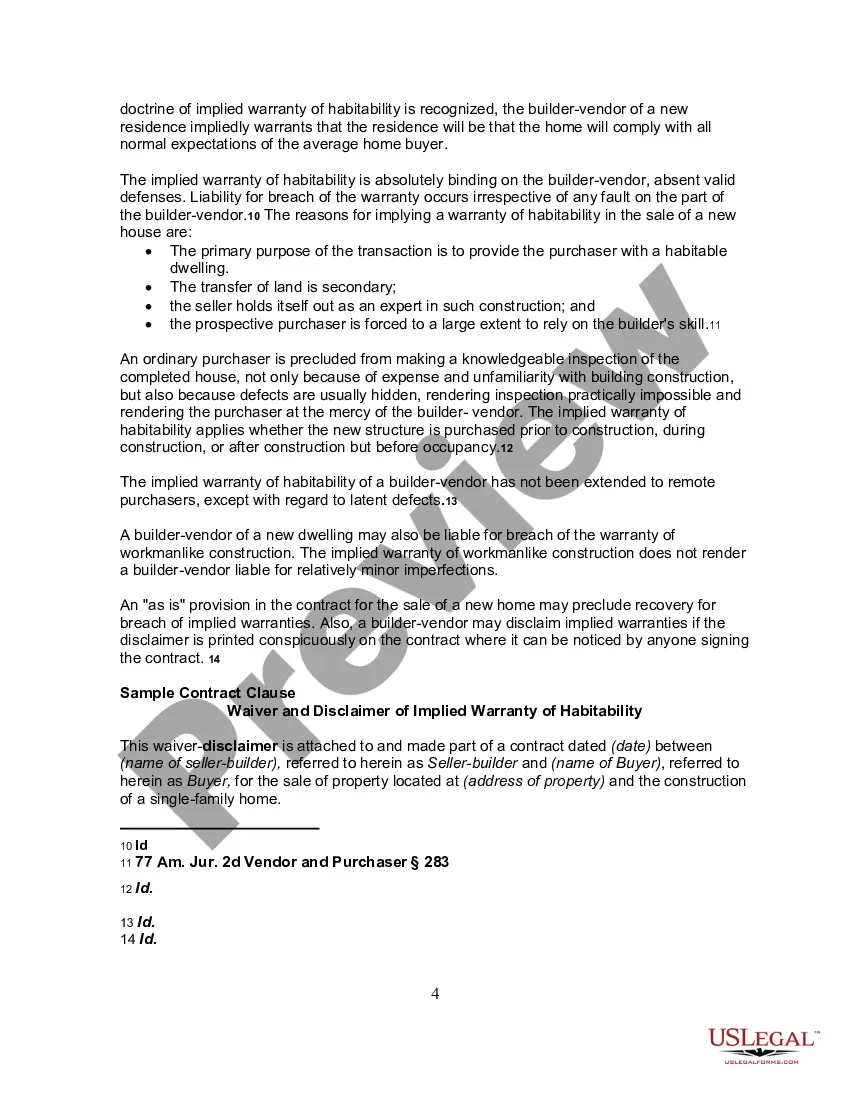
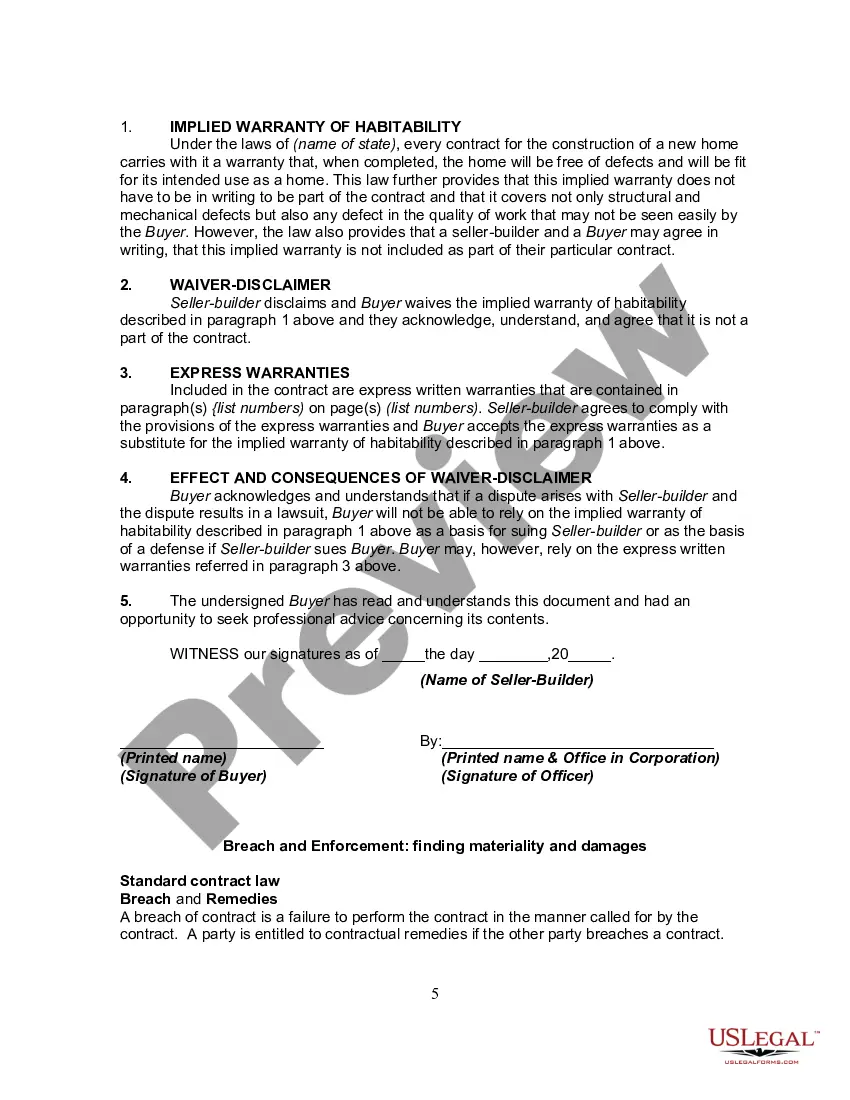
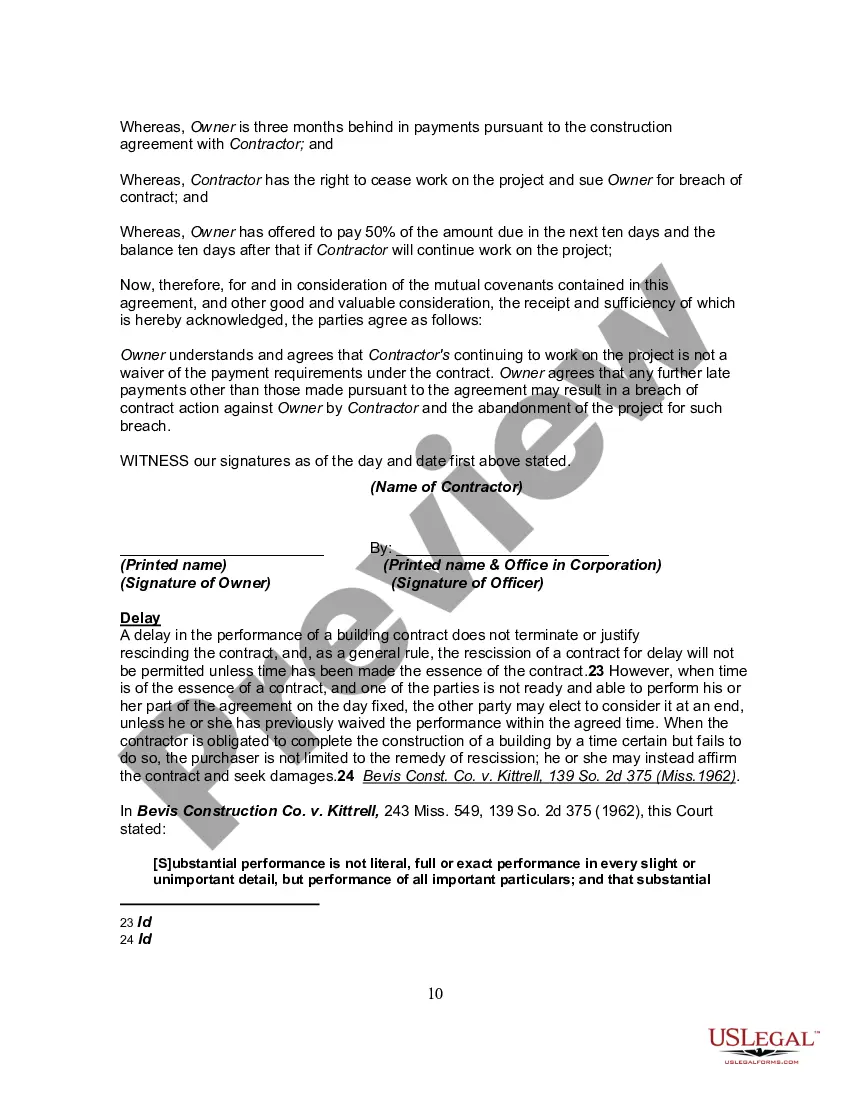

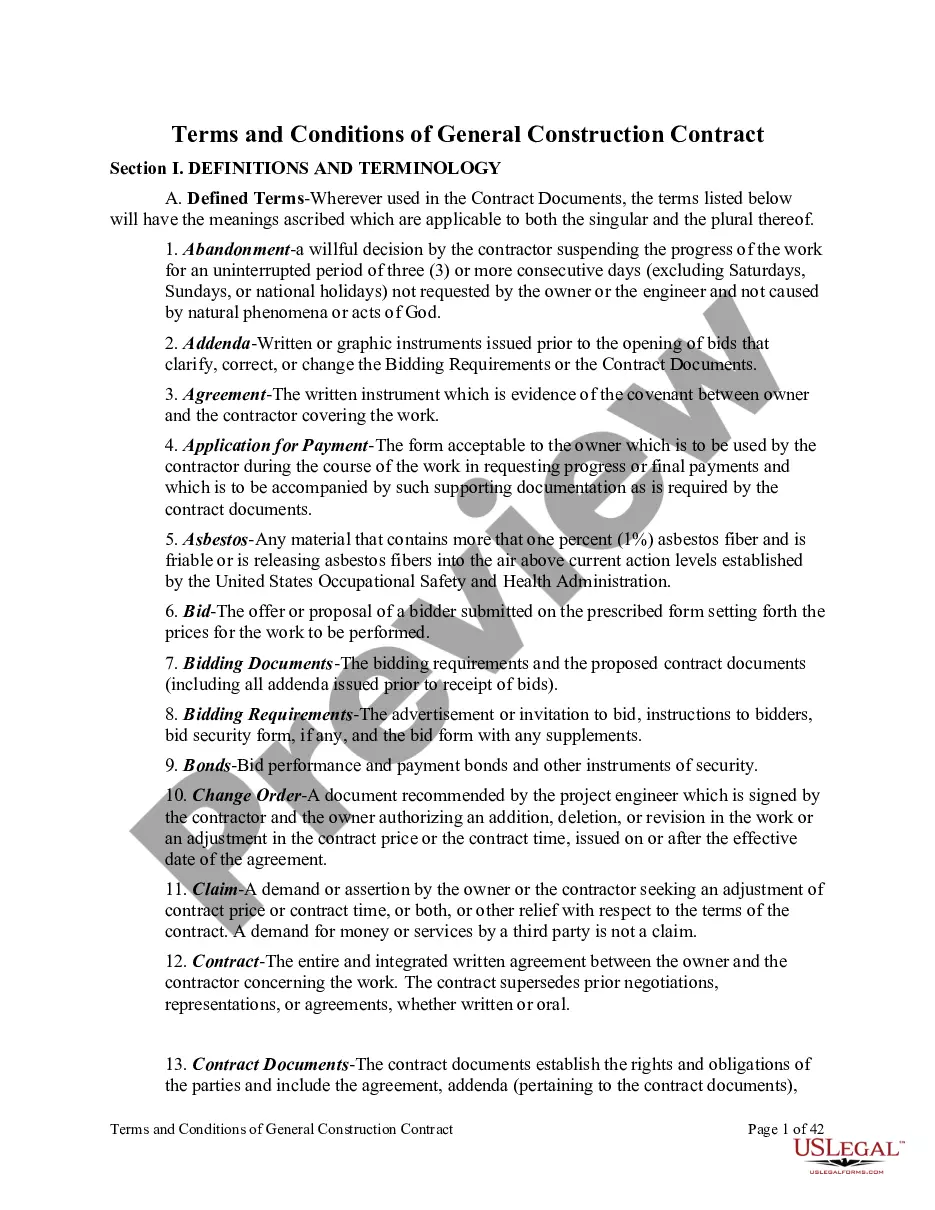
Get your form ready online
Our built-in tools help you complete, sign, share, and store your documents in one place.
Make edits, fill in missing information, and update formatting in US Legal Forms—just like you would in MS Word.
Download a copy, print it, send it by email, or mail it via USPS—whatever works best for your next step.
Sign and collect signatures with our SignNow integration. Send to multiple recipients, set reminders, and more. Go Premium to unlock E-Sign.
If this form requires notarization, complete it online through a secure video call—no need to meet a notary in person or wait for an appointment.
We protect your documents and personal data by following strict security and privacy standards.

Make edits, fill in missing information, and update formatting in US Legal Forms—just like you would in MS Word.

Download a copy, print it, send it by email, or mail it via USPS—whatever works best for your next step.

Sign and collect signatures with our SignNow integration. Send to multiple recipients, set reminders, and more. Go Premium to unlock E-Sign.

If this form requires notarization, complete it online through a secure video call—no need to meet a notary in person or wait for an appointment.

We protect your documents and personal data by following strict security and privacy standards.
Looking for another form?










Form popularity
FAQ
Here are the steps you can take to become a contractor in North Carolina: Register a business entity. Determine which license is right for you. Pass the licensing exam. Apply for a license. Receive your license. Start applying for jobs as a contractor.
Step by step Register Your Business. Obtain Necessary Licenses & Permits. Apply for Sales & Use Tax Number, if applicable. Apply for Employer Identification number (EIN) ... Prepare for Applicable Taxes. Obtain Insurance, as applicable. Comply with Regulations, as applicable. Arrange for Business Financing.
North Carolina grants owners an exemption to act as their own general contractor if they meet the following requirements. The property MUST be listed in your name. The property CANNOT be for rent, lease or sale for one year after the project is completed.
The steps for starting a construction company include: researching the industry, creating a business plan, registering the business, obtaining licenses and permits, finding financing, purchasing equipment, hiring employees, and marketing the business.
In North Carolina, a lien claimant has 120 days from the date of last furnishing to complete these 3 steps: Fill out a mechanics lien form that meets NC requirements. File the lien with the county recorder's office. Serve a copy of the lien on the property owner.
North Carolina Lien Deadlines General Contractors: Issue the preliminary Notice to Lien Agent within 15 days from the first provision of labor or materials. The Mechanics Lien must be served no longer than 120 days after the last provision of labor or materials and enforced within 180 days of this date.
Anything below $40,000 as of October 1st, 2023, is fine. You don't have to have a general contractor license in the state of North Carolina to do any sort of work that would be qualified as a general contracting type job.
North Carolina grants owners an exemption to act as their own general contractor if they meet the following requirements. The property MUST be listed in your name. The property CANNOT be for rent, lease or sale for one year after the project is completed.
Yes, a homeowner can act as a general contractor (GC) for their own construction or renovation projects, but there are several considerations to keep in mind: Legal Requirements: Many states and local jurisdictions have specific licensing requirements for general contractors.
You can get a permit to do electrical work on your residence provided: You own and live in the house (must show proof) You sign an affidavit of ownership and terms of permits and inspections. The house is not for sale or lease at the time of the request.
