Rules Of Construction Law In Minnesota
Description

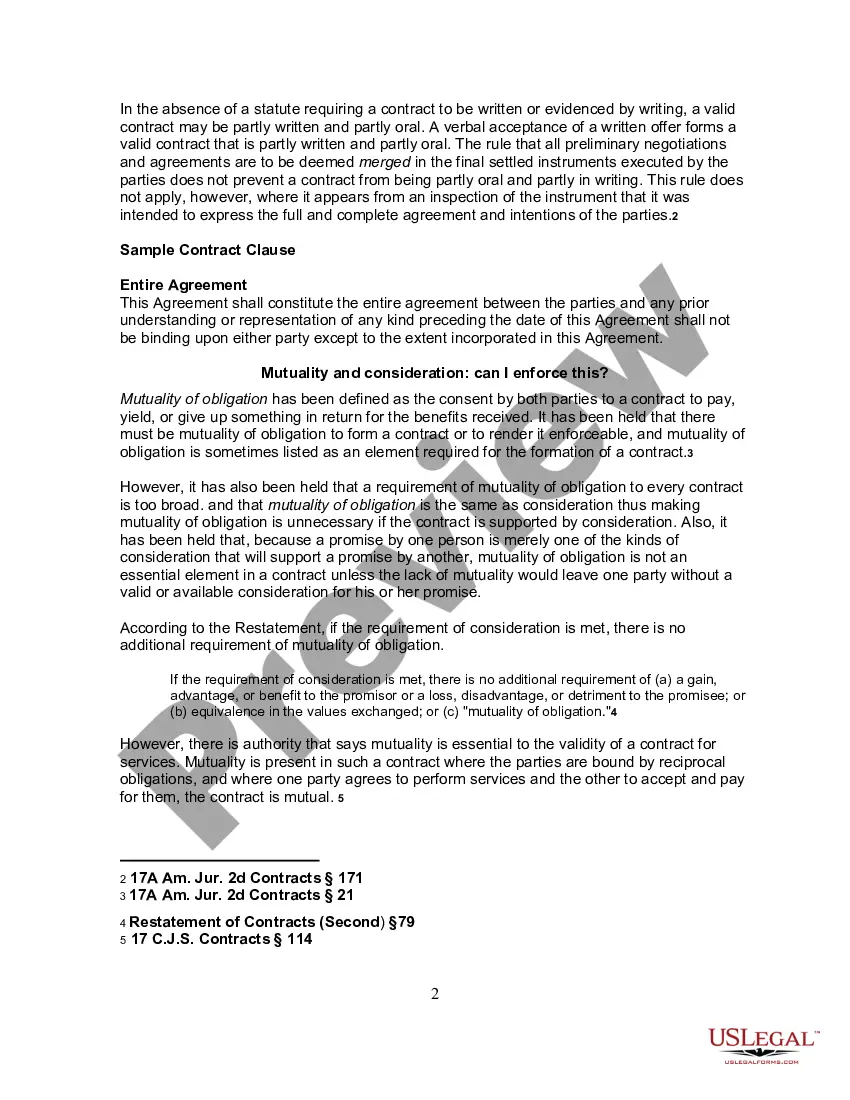
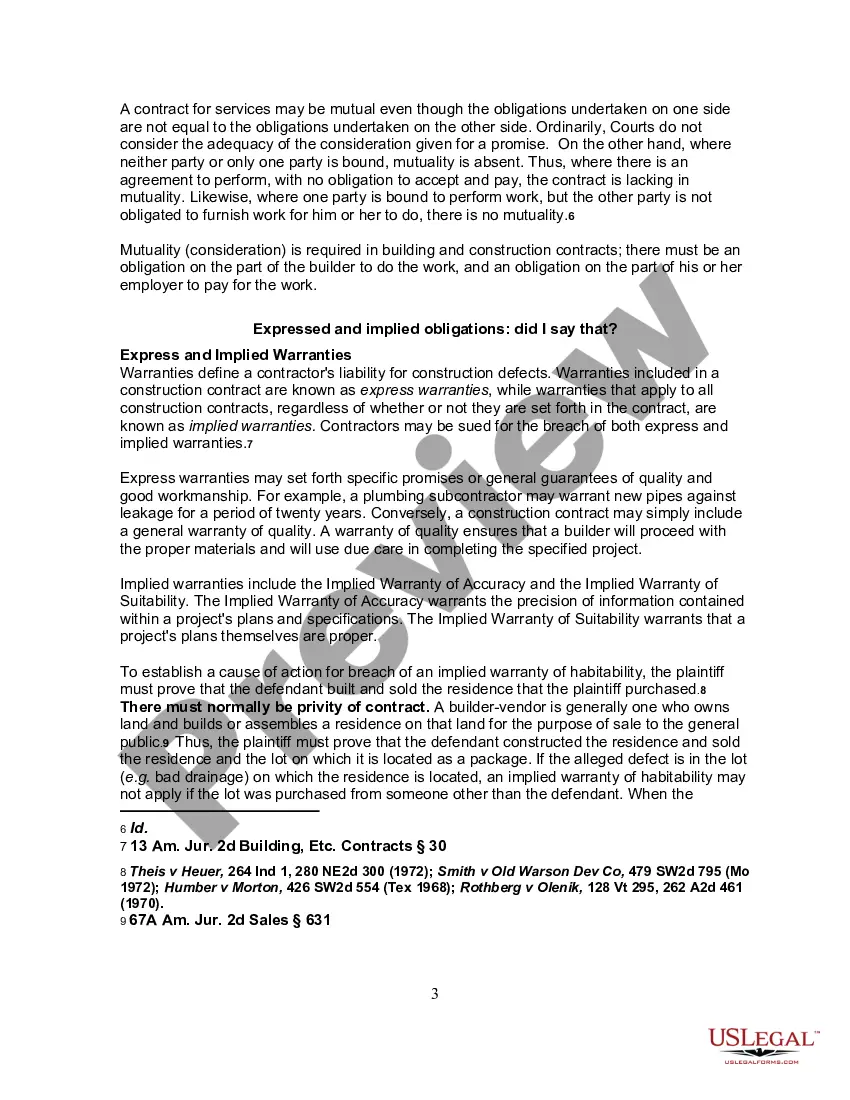
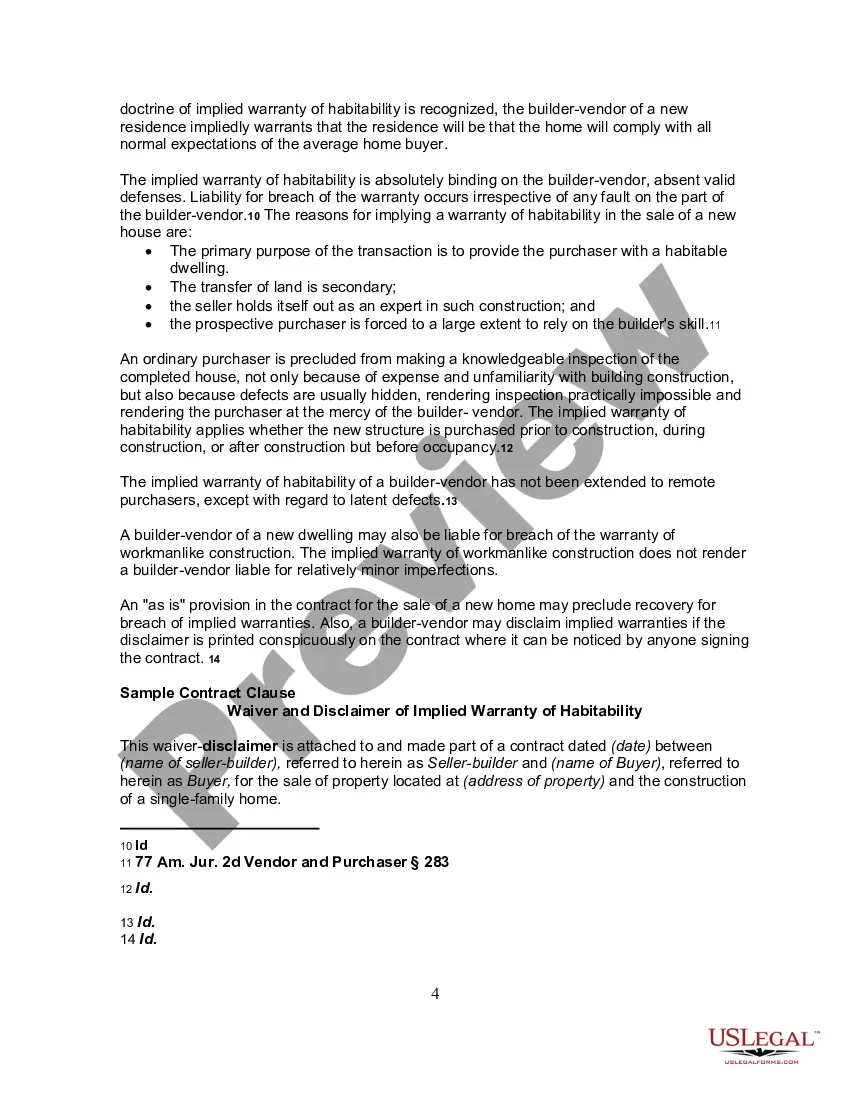
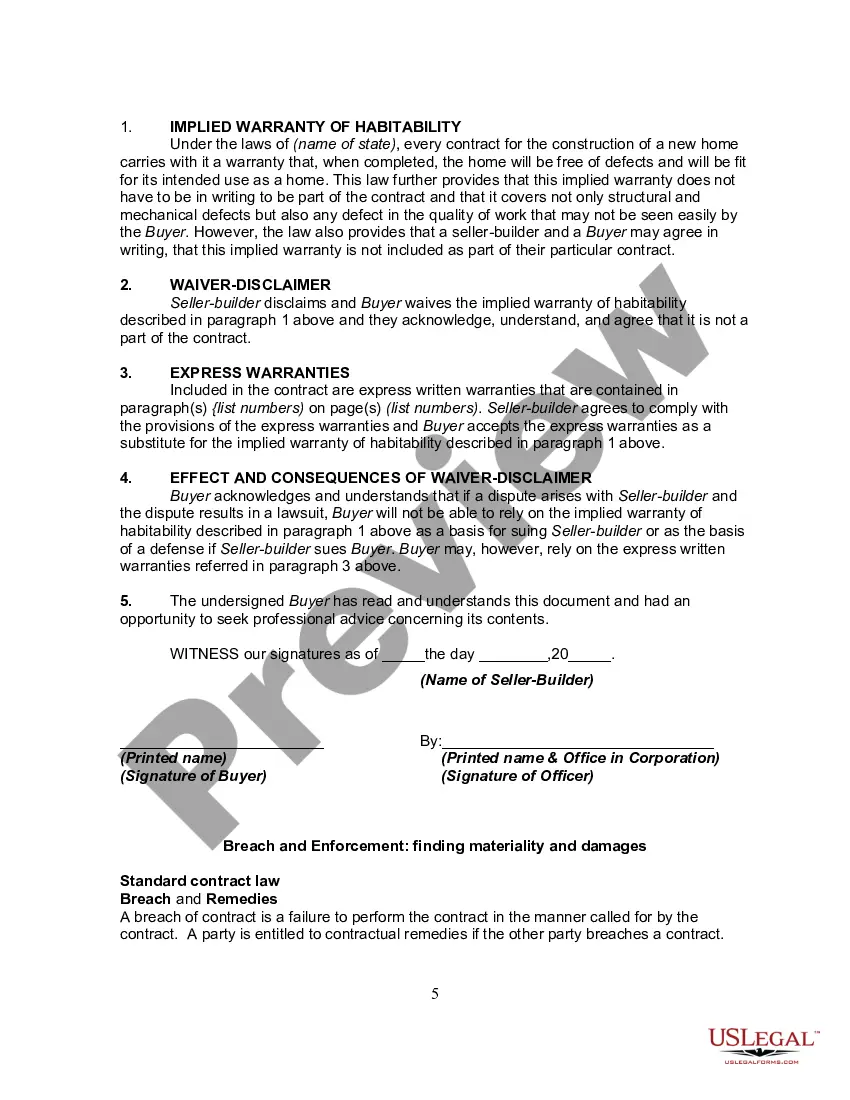

Get your form ready online
Our built-in tools help you complete, sign, share, and store your documents in one place.
Make edits, fill in missing information, and update formatting in US Legal Forms—just like you would in MS Word.
Download a copy, print it, send it by email, or mail it via USPS—whatever works best for your next step.
Sign and collect signatures with our SignNow integration. Send to multiple recipients, set reminders, and more. Go Premium to unlock E-Sign.
If this form requires notarization, complete it online through a secure video call—no need to meet a notary in person or wait for an appointment.
We protect your documents and personal data by following strict security and privacy standards.

Make edits, fill in missing information, and update formatting in US Legal Forms—just like you would in MS Word.

Download a copy, print it, send it by email, or mail it via USPS—whatever works best for your next step.

Sign and collect signatures with our SignNow integration. Send to multiple recipients, set reminders, and more. Go Premium to unlock E-Sign.

If this form requires notarization, complete it online through a secure video call—no need to meet a notary in person or wait for an appointment.

We protect your documents and personal data by following strict security and privacy standards.
Looking for another form?





Form popularity
FAQ
The Rules of Construction are court-made rules that have been developed over the centuries for the interpretation of legal documents. The courts use them when the interpretation of a document is confusing, uncertain, ambiguous, or in conflict.
Beyond this, Minnesota's statute of limitations states that defects discovered more than 10 years after the completion of construction can not be litigated, and — more importantly — the customer must pursue litigation no more than two years after the discovery.
To get a perfectly square corner, you want to aim for a measurement ratio of :5. In other words, you want a three-foot length on your straight line, a four-foot length on your perpendicular line, and a five-foot length across. If all three measurements are correct, you'll have a perfectly square corner.
The standard rules of construction are: The plain meaning of the language will be used, unless there are special terms that apply to the subject matter of the contract. This means that the most common and prevailing meaning is applied to the words in the contract.
If you or your company work within the construction industry, whether as a general contractor or subcontractor, and whether in the residential or commercial building market, chances are you already know the Golden Rule – “Whoever has the gold makes the rules.” The project owner dictates the rules to the general ...
Minnesota's statute of repose prohibits suing a contractor for most construction defects after between 10-12 years after the home is substantially completed. First, the statute provides that a claim can be asserted only for causes of action that “accrue” during the 10 years after the home is substantially completed.
336.2-725 STATUTE OF LIMITATIONS IN CONTRACTS FOR SALE. (1) An action for breach of any contract for sale must be commenced within four years after the cause of action has accrued. By the original agreement the parties may reduce the period of limitation to not less than one year but may not extend it.
A rule of construction is used to interpret a document in order to determine how its provisions operate as a whole to bring about the purpose of those who drafted it.
Construction Law and the 'Right to Cure' Statute of Limitations California 4 years for contracts 2 years for personal injury 3 years for property damage Colorado 3 years for contracts 2 years for torts Connecticut 6 years for contracts 3 years for torts 2 years for negligence Delaware 3 years for contracts 2 years for torts47 more rows
