Legislation For Construction In Minnesota
Description












Get your form ready online
Our built-in tools help you complete, sign, share, and store your documents in one place.
Make edits, fill in missing information, and update formatting in US Legal Forms—just like you would in MS Word.
Download a copy, print it, send it by email, or mail it via USPS—whatever works best for your next step.
Sign and collect signatures with our SignNow integration. Send to multiple recipients, set reminders, and more. Go Premium to unlock E-Sign.
If this form requires notarization, complete it online through a secure video call—no need to meet a notary in person or wait for an appointment.
We protect your documents and personal data by following strict security and privacy standards.

Make edits, fill in missing information, and update formatting in US Legal Forms—just like you would in MS Word.

Download a copy, print it, send it by email, or mail it via USPS—whatever works best for your next step.

Sign and collect signatures with our SignNow integration. Send to multiple recipients, set reminders, and more. Go Premium to unlock E-Sign.

If this form requires notarization, complete it online through a secure video call—no need to meet a notary in person or wait for an appointment.

We protect your documents and personal data by following strict security and privacy standards.
Looking for another form?

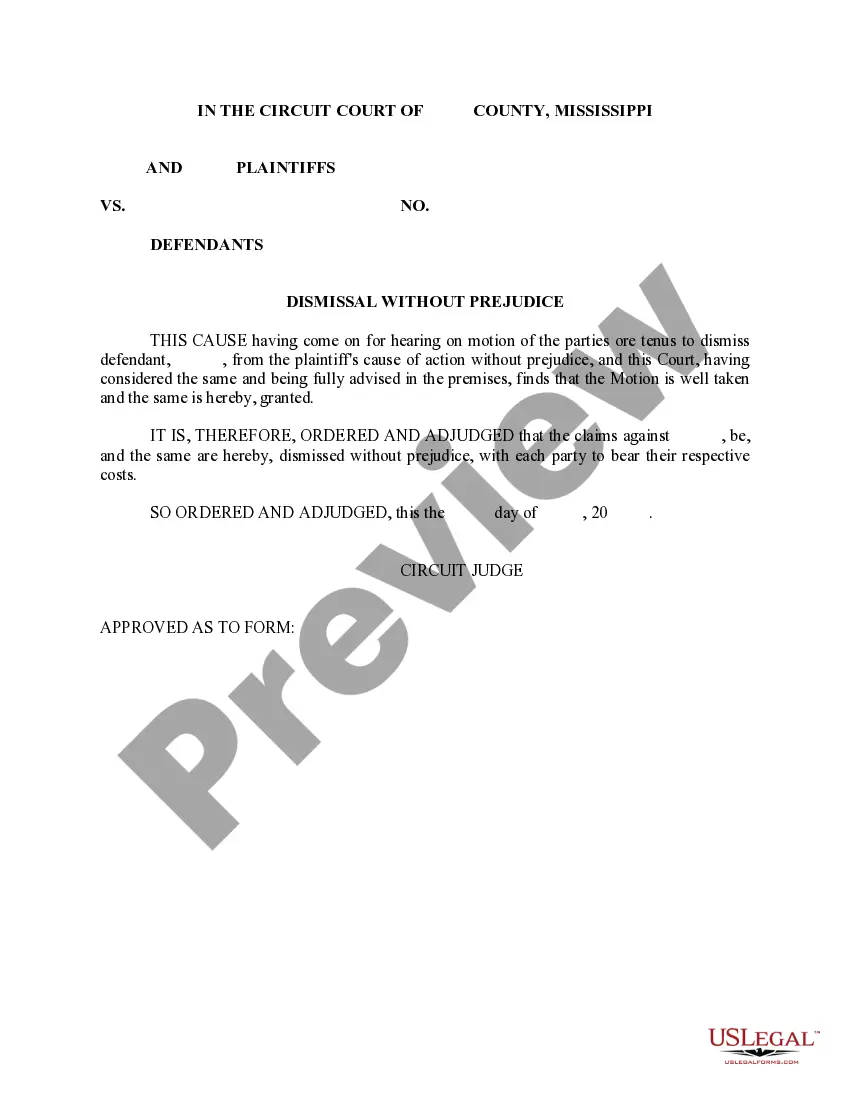

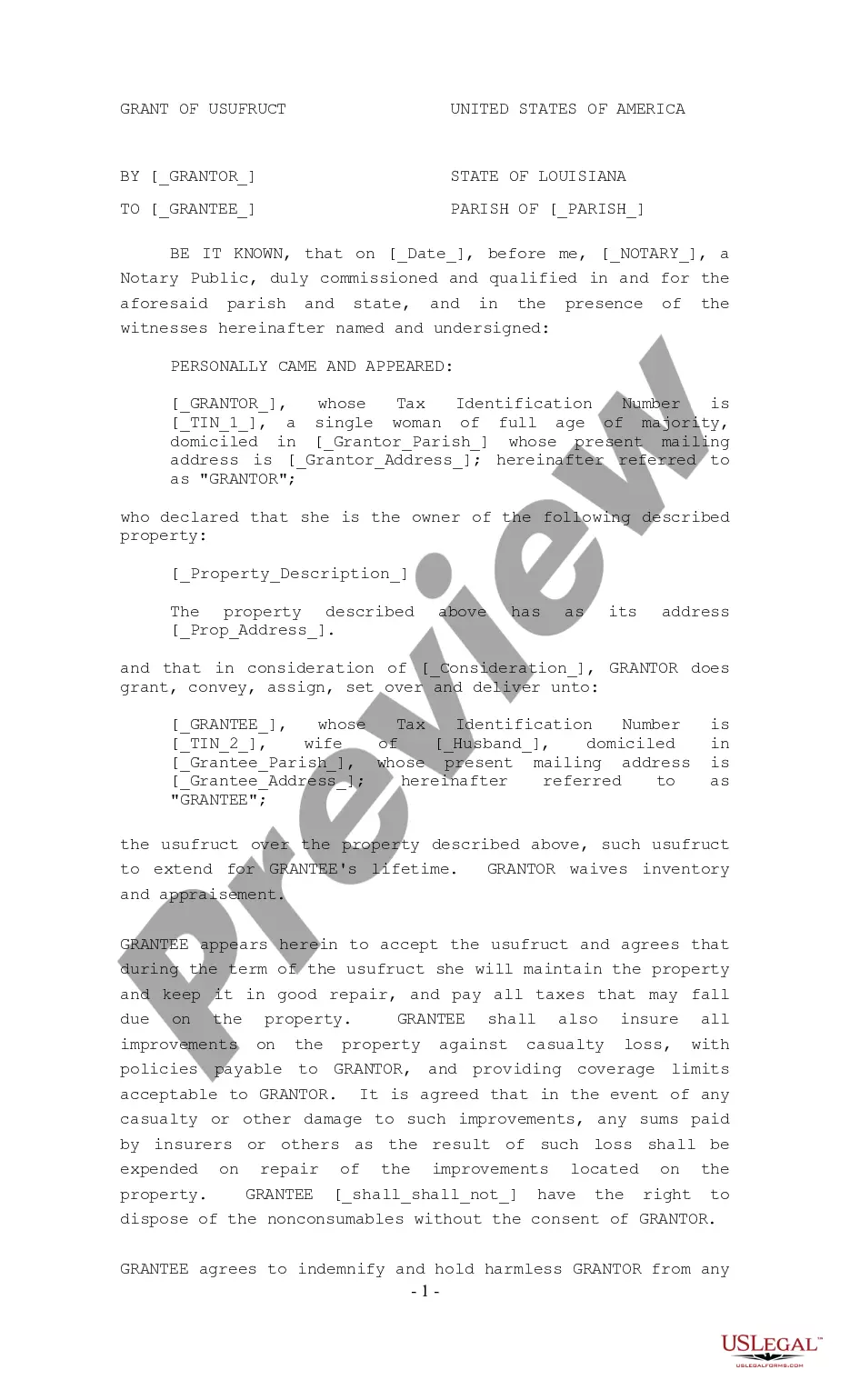

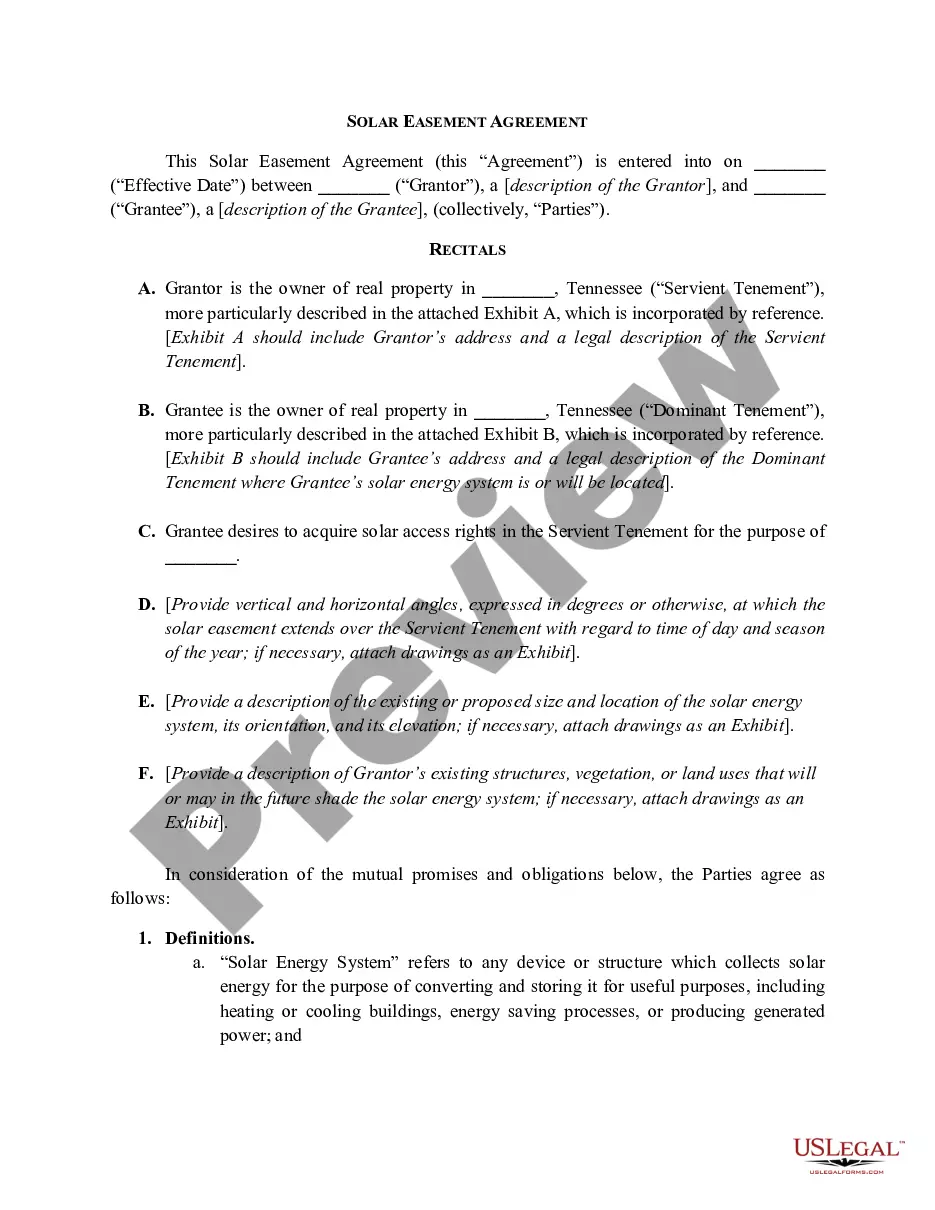
Form popularity
FAQ
336.2-725 STATUTE OF LIMITATIONS IN CONTRACTS FOR SALE. (1) An action for breach of any contract for sale must be commenced within four years after the cause of action has accrued. By the original agreement the parties may reduce the period of limitation to not less than one year but may not extend it.
Minnesota's statute of repose prohibits suing a contractor for most construction defects after between 10-12 years after the home is substantially completed. First, the statute provides that a claim can be asserted only for causes of action that “accrue” during the 10 years after the home is substantially completed.
Minnesota's statute of repose prohibits suing a contractor for most construction defects after between 10-12 years after the home is substantially completed. First, the statute provides that a claim can be asserted only for causes of action that “accrue” during the 10 years after the home is substantially completed.
Beyond this, Minnesota's statute of limitations states that defects discovered more than 10 years after the completion of construction can not be litigated, and — more importantly — the customer must pursue litigation no more than two years after the discovery.
Construction Law and the 'Right to Cure' Statute of Limitations California 4 years for contracts 2 years for personal injury 3 years for property damage Colorado 3 years for contracts 2 years for torts Connecticut 6 years for contracts 3 years for torts 2 years for negligence Delaware 3 years for contracts 2 years for torts47 more rows
The 2024 Minnesota Commercial Energy Code is a custom code published for Minnesota by the International Code Council (ICC). It includes Minnesota's amendments into the body of changed sections and reads as a unified code book. It also includes a Minnesota chapter on Administration.
Such as failure of architects or engineers in the design of a building or system. Flawed roof designs that result in water penetration, poor drainage or inadequate structural support are examples.
An indemnification agreement contained in, or executed in connection with, a building and construction contract is unenforceable except to the extent that: (1) the underlying injury or damage is attributable to the negligent or otherwise wrongful act or omission, including breach of a specific contractual duty, of the ...
A bill needs 68 votes to pass the House and 34 votes to pass the Senate. If the House and Senate each pass the same version of the bill, it goes to the governor for a signature.
Licenses are required for all residential building contractors and remodelers in Minnesota who contract with a homeowner to construct or improve dwellings by offering more than one special skill.
