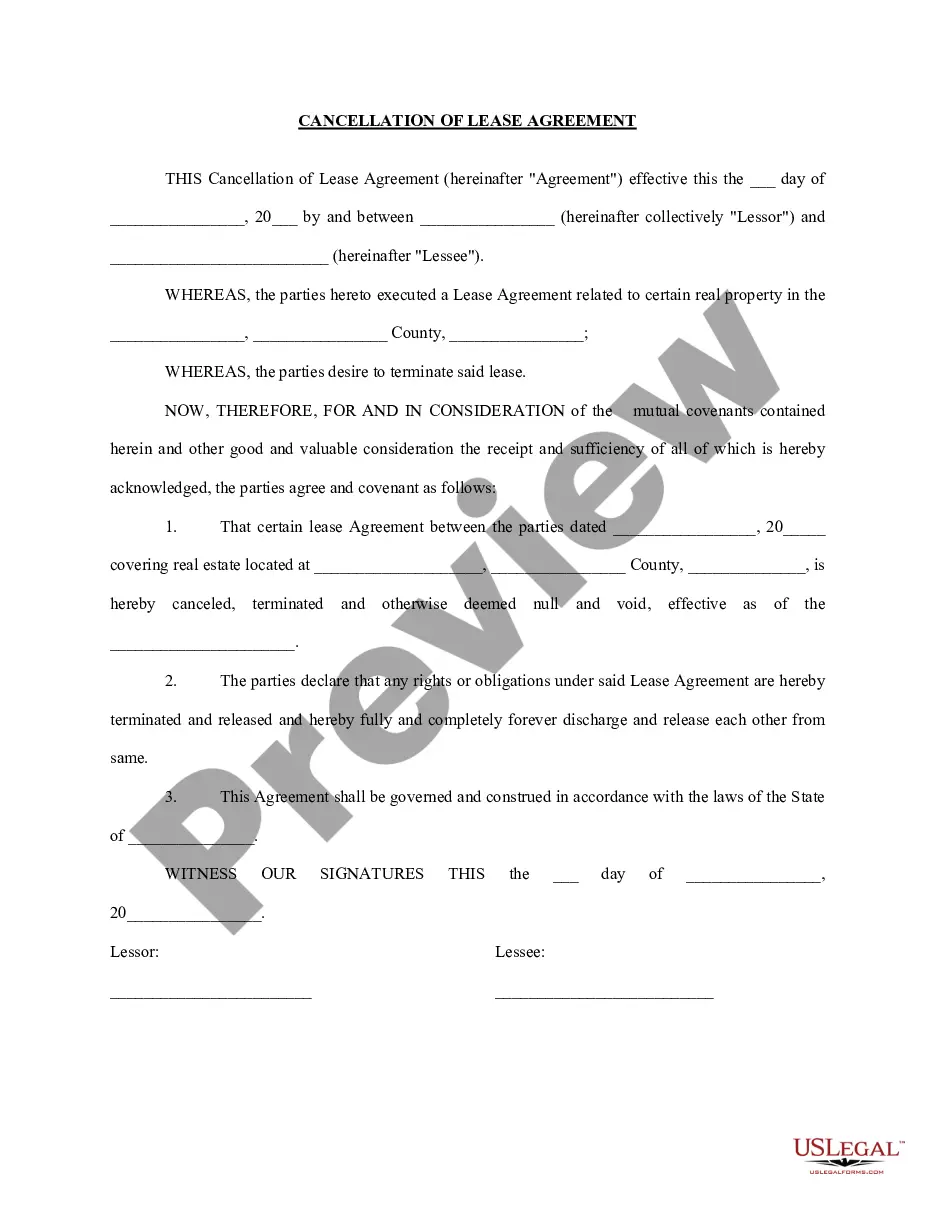
Laws For Construction Industry In Houston
Description












Get your form ready online
Our built-in tools help you complete, sign, share, and store your documents in one place.
Make edits, fill in missing information, and update formatting in US Legal Forms—just like you would in MS Word.
Download a copy, print it, send it by email, or mail it via USPS—whatever works best for your next step.
Sign and collect signatures with our SignNow integration. Send to multiple recipients, set reminders, and more. Go Premium to unlock E-Sign.
If this form requires notarization, complete it online through a secure video call—no need to meet a notary in person or wait for an appointment.
We protect your documents and personal data by following strict security and privacy standards.

Make edits, fill in missing information, and update formatting in US Legal Forms—just like you would in MS Word.

Download a copy, print it, send it by email, or mail it via USPS—whatever works best for your next step.

Sign and collect signatures with our SignNow integration. Send to multiple recipients, set reminders, and more. Go Premium to unlock E-Sign.

If this form requires notarization, complete it online through a secure video call—no need to meet a notary in person or wait for an appointment.

We protect your documents and personal data by following strict security and privacy standards.
Looking for another form?









Form popularity
FAQ
Chapter 27 of the Texas Property Code governs construction defect claims. Contractors are liable to residence owners for deficiencies in the design, construction, addition, alteration, or repair of new or existing residences, as well as any appurtenances to residential property (other permanent improvements).
The Texas Department of Licensing and Regulation (TDLR) provides oversight for a broad range of occupations, businesses, facilities, and equipment. We protect the health and safety of Texans and ensure they are served by qualified professionals.
One year of coverage on all workmanship and exterior materials, for example, such as siding, stucco, doors, trim, drywall, paint. Two years of coverage on windows, heating, ventilation, air conditioning, plumbing, and electrical systems. Six years is the standard of coverage in Texas for major structural defects.
Chapter 27 of the Texas Property Code governs construction defect claims. Contractors are liable to residence owners for deficiencies in the design, construction, addition, alteration, or repair of new or existing residences, as well as any appurtenances to residential property (other permanent improvements).
Construction Law and the 'Right to Cure' Statute of Limitations California 4 years for contracts 2 years for personal injury 3 years for property damage Colorado 3 years for contracts 2 years for torts Connecticut 6 years for contracts 3 years for torts 2 years for negligence Delaware 3 years for contracts 2 years for torts47 more rows
The statute of repose for construction defects is ten years from the date of substantial completion of the construction project. This means that even if you discover a defect late, you cannot file a lawsuit more than ten years after the project is finished.
THERE IS NO “GENERAL CONTRACTOR LICENSE”. Businesses requiring minimum distances from schools, residences, day cares, and churches, include but are not limited to: auto sales and storage, sexually oriented businesses, hazardous materials, and the sale of alcoholic beverages.
In San Antonio, daytime is defined as 6 AM to 10 PM but in Houston permitted construction hours are 7 AM to 8 PM while Dallas ends the daytime hours at 7 PM. Additionally, each jurisdiction regulates weekend, holiday and after hours work differently, requiring special permits for exceptions to normal permitted hours.
Contact Us Alma Alanis. Code Enforcement Officer. Email Code Enforcement. Phone: 713-947-7700, ext. 106. Code Enforcement. Physical Address. 1018 Dallas St.
How To Start Your Own Construction Business in Texas? Conduct a Market Research. Decide on the Location. Get the Capital Needed. Register Your Company at the State Level. Register with the IRS. Get the Needed License from Your State. Buy Insurance. Secure the Surety Bonds.