Cancellation Lease Template For Room Rental In Middlesex
Description

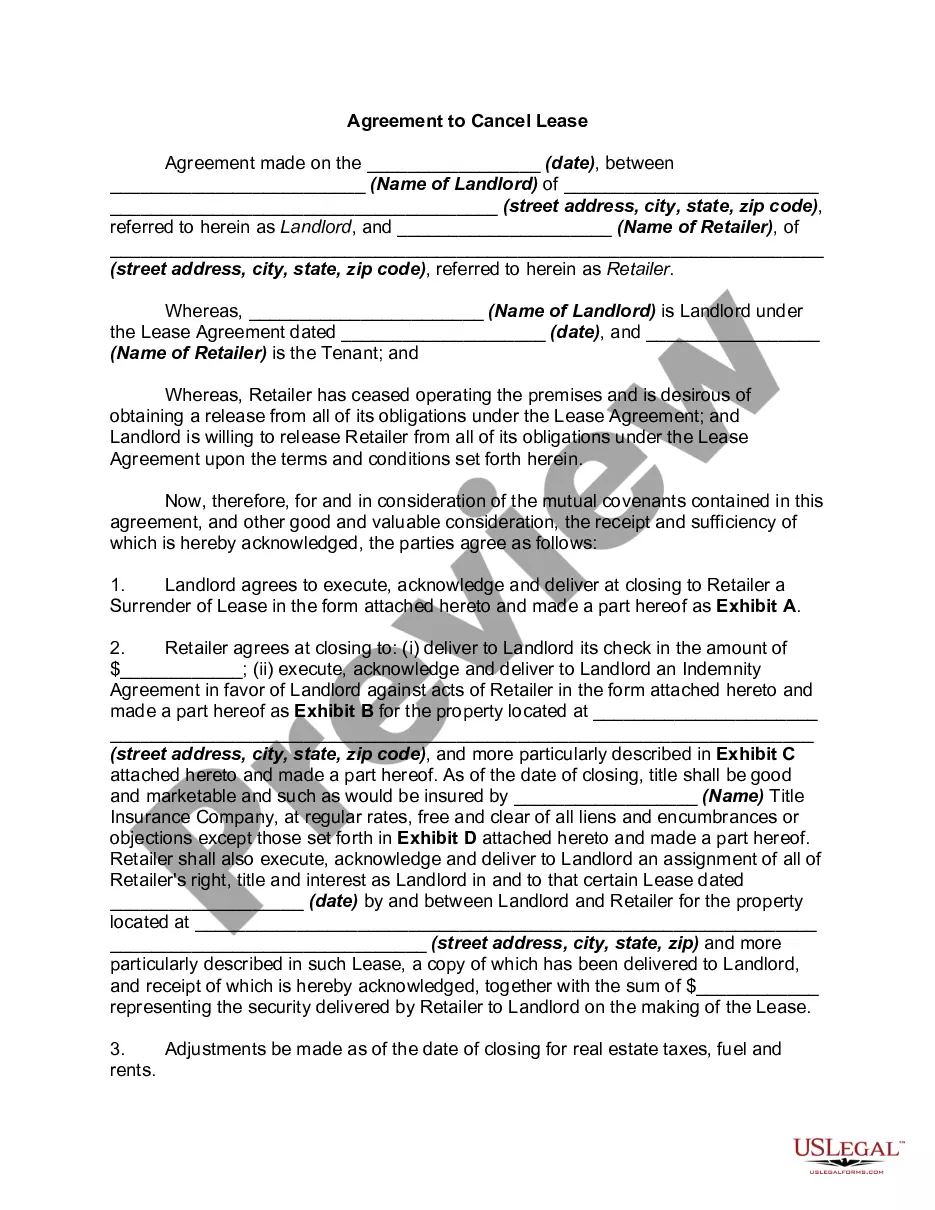
Get your form ready online
Our built-in tools help you complete, sign, share, and store your documents in one place.
Make edits, fill in missing information, and update formatting in US Legal Forms—just like you would in MS Word.
Download a copy, print it, send it by email, or mail it via USPS—whatever works best for your next step.
Sign and collect signatures with our SignNow integration. Send to multiple recipients, set reminders, and more. Go Premium to unlock E-Sign.
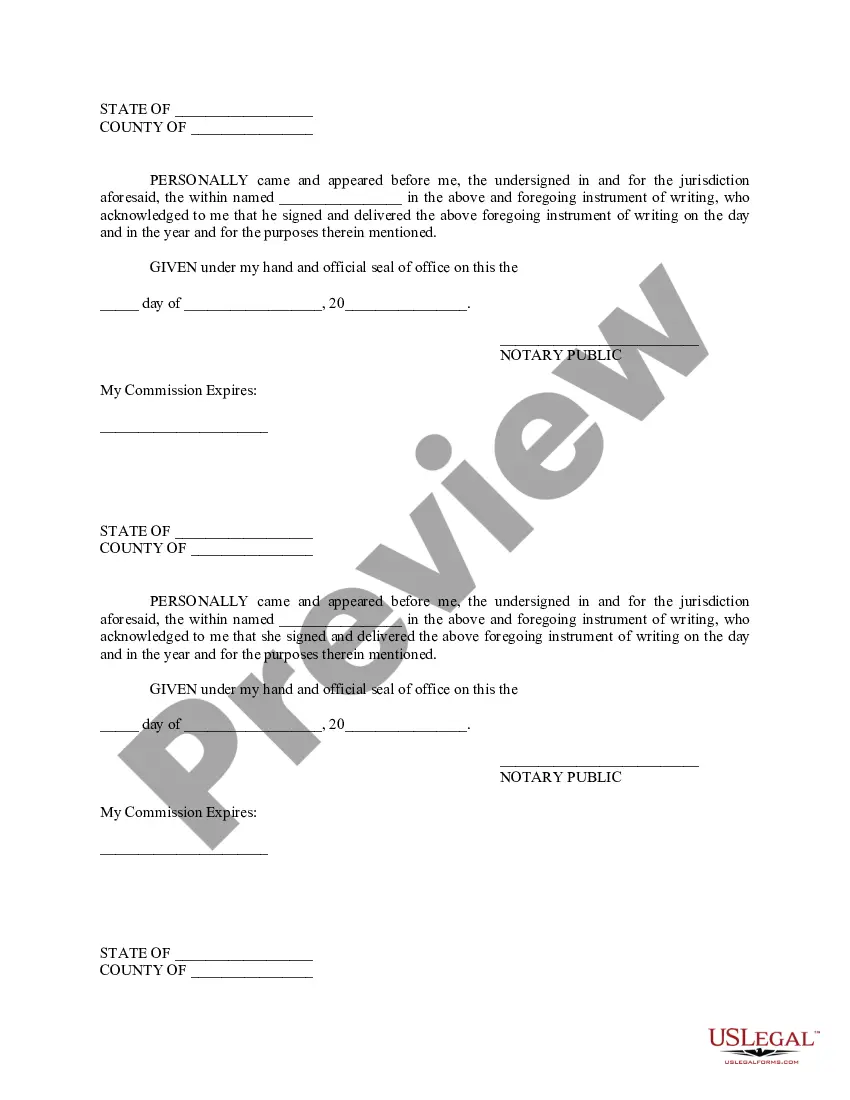
If this form requires notarization, complete it online through a secure video call—no need to meet a notary in person or wait for an appointment.
We protect your documents and personal data by following strict security and privacy standards.

Make edits, fill in missing information, and update formatting in US Legal Forms—just like you would in MS Word.

Download a copy, print it, send it by email, or mail it via USPS—whatever works best for your next step.

Sign and collect signatures with our SignNow integration. Send to multiple recipients, set reminders, and more. Go Premium to unlock E-Sign.

If this form requires notarization, complete it online through a secure video call—no need to meet a notary in person or wait for an appointment.

We protect your documents and personal data by following strict security and privacy standards.
Looking for another form?










Form popularity
FAQ
The landlord tenant laws that allow you to break a lease are different from state to state. In many places, you can get out of your lease without penalty for a number of reasons, such as domestic violence, an unsafe environment, or if you've been called up for military service.
You can end the agreement at any time by serving a written 'notice to quit'. The notice period will depend on the tenancy or agreement, but it's usually at least 4 weeks.
Excluded tenancies or licences In this case, you only need to give 'reasonable notice' to quit. Usually this means the length of the rental payment period – so if you collect rent monthly, you'll need to give one month's notice. The notice does not have to be in writing.
Follow these simple steps when you write a lease termination letter. Date and Address. Salutation. Statement of Intent. Reason for Early Termination. Reference to Lease Agreement. Security Deposit Details. Proposed Termination Date. Offer to Assist With the Transition.
How to Write One Full names of the parties involved in the lease agreement. Termination date of the lease. Full address of the property. (If applicable) The reason why you chose to terminate the lease agreement. Landlord's signature and printed name. The current date and method of notice delivery.
The most common way to end a lease is by providing the notice required in a Lease Agreement or by state or local law. Tenants use a Tenant Notice of Intent to Move, while landlords use a Landlord's Notice of Non-Renewal.
The only way to break the contract now is with the landlord's consent, so explain your situation to them. They are within their rights to refuse to release you from the tenancy but if they agree they'll want to be sure they are no worse off.
There is no 'cooling off period' for tenancies. If you change your mind, you only have the right to unwind your contract if you were misled. The landlord might agree to release you from the contract if you have a good reason.
