Law For Construction In Collin
Description












Get your form ready online
Our built-in tools help you complete, sign, share, and store your documents in one place.
Make edits, fill in missing information, and update formatting in US Legal Forms—just like you would in MS Word.
Download a copy, print it, send it by email, or mail it via USPS—whatever works best for your next step.
Sign and collect signatures with our SignNow integration. Send to multiple recipients, set reminders, and more. Go Premium to unlock E-Sign.
If this form requires notarization, complete it online through a secure video call—no need to meet a notary in person or wait for an appointment.
We protect your documents and personal data by following strict security and privacy standards.

Make edits, fill in missing information, and update formatting in US Legal Forms—just like you would in MS Word.

Download a copy, print it, send it by email, or mail it via USPS—whatever works best for your next step.

Sign and collect signatures with our SignNow integration. Send to multiple recipients, set reminders, and more. Go Premium to unlock E-Sign.

If this form requires notarization, complete it online through a secure video call—no need to meet a notary in person or wait for an appointment.

We protect your documents and personal data by following strict security and privacy standards.
Looking for another form?




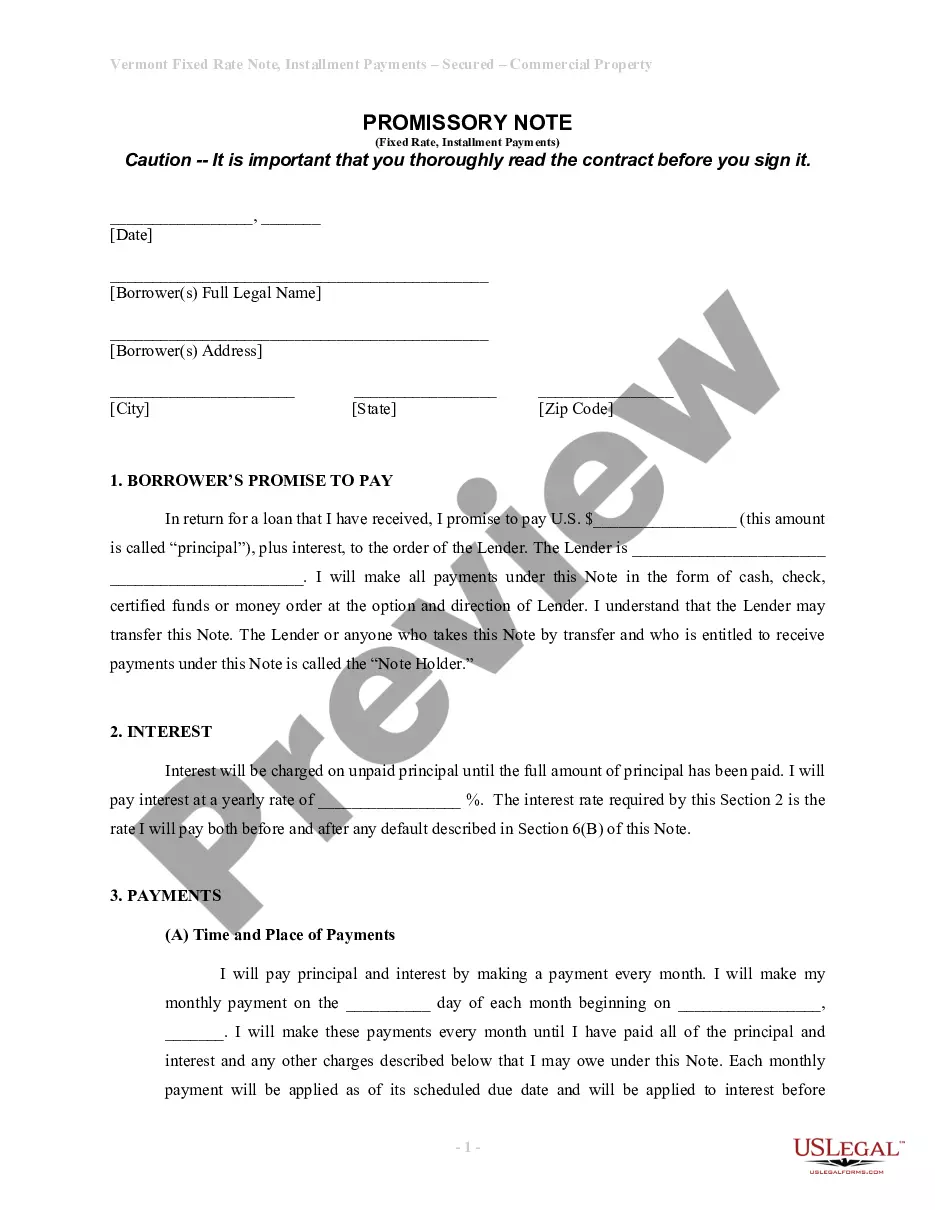


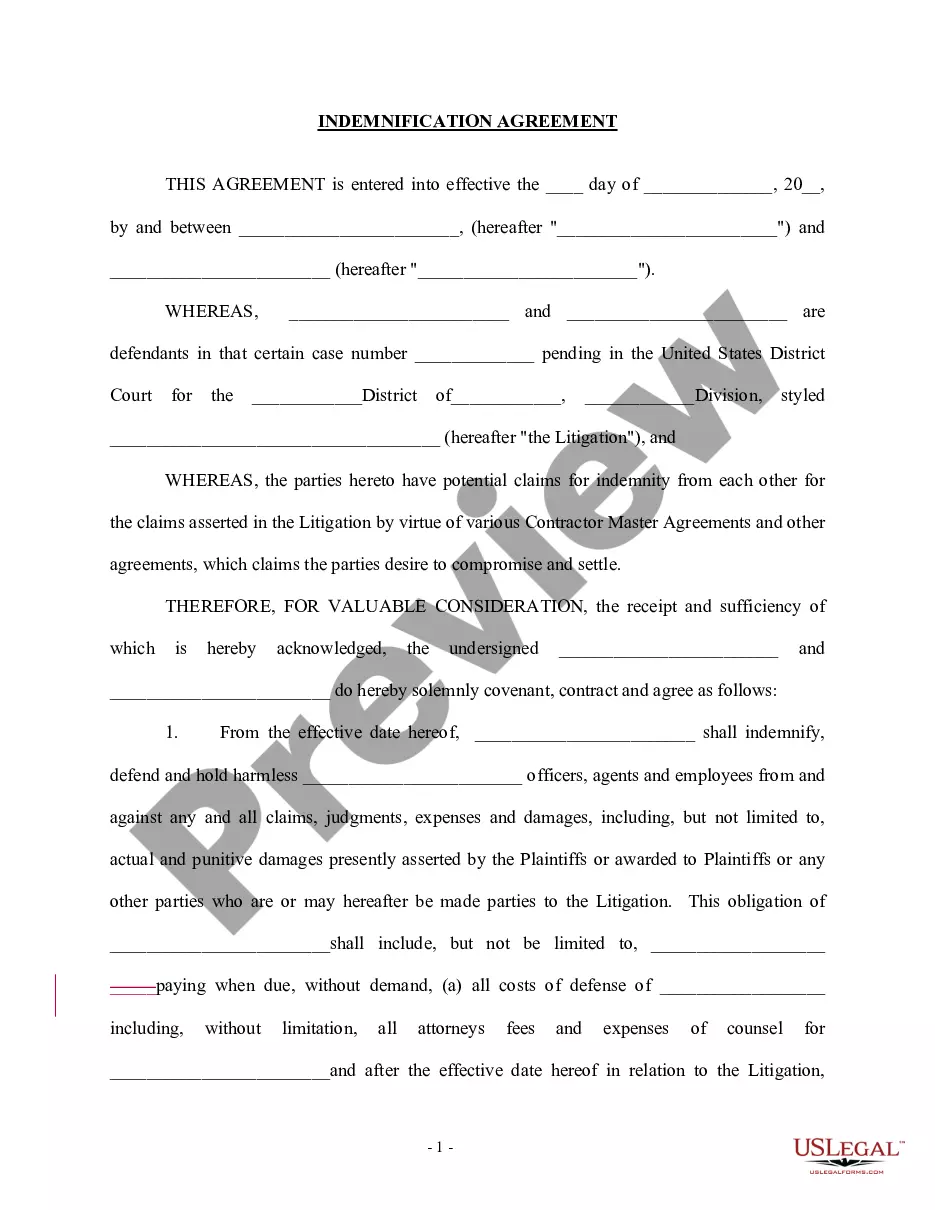

Form popularity
FAQ
Building law means a law generally regulating building construction and demolition; "building permit" means a permit or consent to carry out building work issued under a building law or planning and development law of a participating jurisdiction; Sample 1.
A building code provides rules and standards for the design, construction, alteration, materials, maintenance, and performance of buildings. The main purpose of building codes is to protect public health, safety, and general welfare in the construction and occupancy of buildings.
A: Local Law 11 inspections and necessary repairs are mandated every five years for buildings taller than six stories. It was enacted in response to deaths and injuries caused by falling debris from neglected facades. Your board must comply with the law, even if it causes inconvenience for residents.
Formerly known as Local Law 11/98, the Facade Inspection Safety Program requires hands-on inspections along every 60-foot interval of street- and public-facing facades of buildings taller than six stories.
This law required that a licensed engineer or registered architect oversee the inspection of the façade of every building greater than six stories in the five boroughs of New York City (NYC). The inspections would occur once every five years and a report would be filed with the NYC Department of Buildings (DOB).
The Registered Architect or Licensed Professional Engineer sic shall utilize a professional standard of care to detect splitting or fracturing of terra cotta on buildings, cracking of masonry and brick work in brick faced buildings, loosening of metal anchors and supports, water entry, movement of lintel angles, etc.
Very generally speaking, the biggest you can build in Texas without a permit is 200 square feet.
In NYC Local Law 11 of 1998 also referred to as the Façade Inspection Safety Program or FISP, requires that all buildings over six stories have their facades inspected every five years by an Architect or Engineer who must also be a Qualified Exterior Wall Inspector or QEWI a status granted by the NYC Department of ...
Here are the basic steps towards becoming a lawyer specializing in construction law. Step 1: Complete a Bachelor's Law Degree. Step 2: Take the LSAT. Step 3: Join an ABA-Approved Law School. Step 4: Intern at a Firm. Step 5: Earn Your Juris Doctor Degree. Step 6: Sit and Pass the Bar Exam.
Definition: A rule or principle that is accepted as fundamental. It is also known as the canon of construction. Example: When interpreting a law, the rule of construction is to give effect to the intention of the legislature.