Law Us Legal Force In Fulton
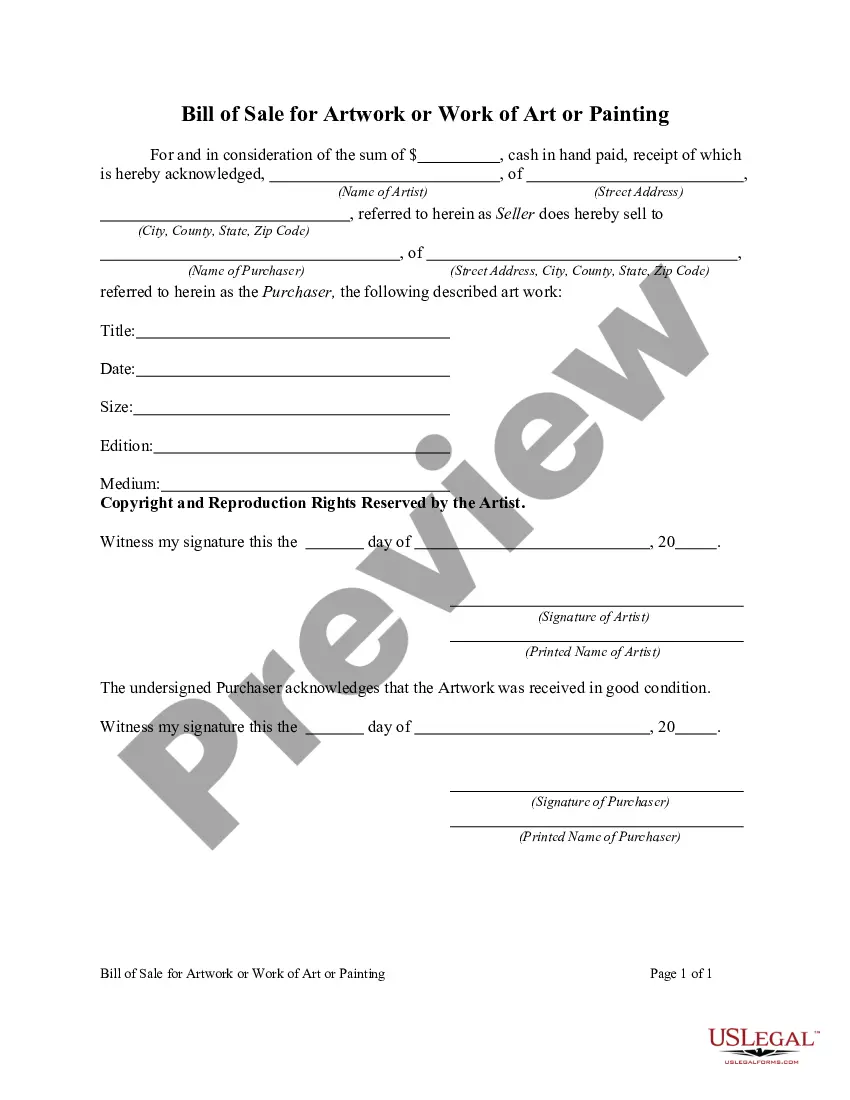
Description



Get your form ready online
Our built-in tools help you complete, sign, share, and store your documents in one place.
Make edits, fill in missing information, and update formatting in US Legal Forms—just like you would in MS Word.
Download a copy, print it, send it by email, or mail it via USPS—whatever works best for your next step.
Sign and collect signatures with our SignNow integration. Send to multiple recipients, set reminders, and more. Go Premium to unlock E-Sign.
If this form requires notarization, complete it online through a secure video call—no need to meet a notary in person or wait for an appointment.
We protect your documents and personal data by following strict security and privacy standards.

Make edits, fill in missing information, and update formatting in US Legal Forms—just like you would in MS Word.

Download a copy, print it, send it by email, or mail it via USPS—whatever works best for your next step.

Sign and collect signatures with our SignNow integration. Send to multiple recipients, set reminders, and more. Go Premium to unlock E-Sign.

If this form requires notarization, complete it online through a secure video call—no need to meet a notary in person or wait for an appointment.

We protect your documents and personal data by following strict security and privacy standards.
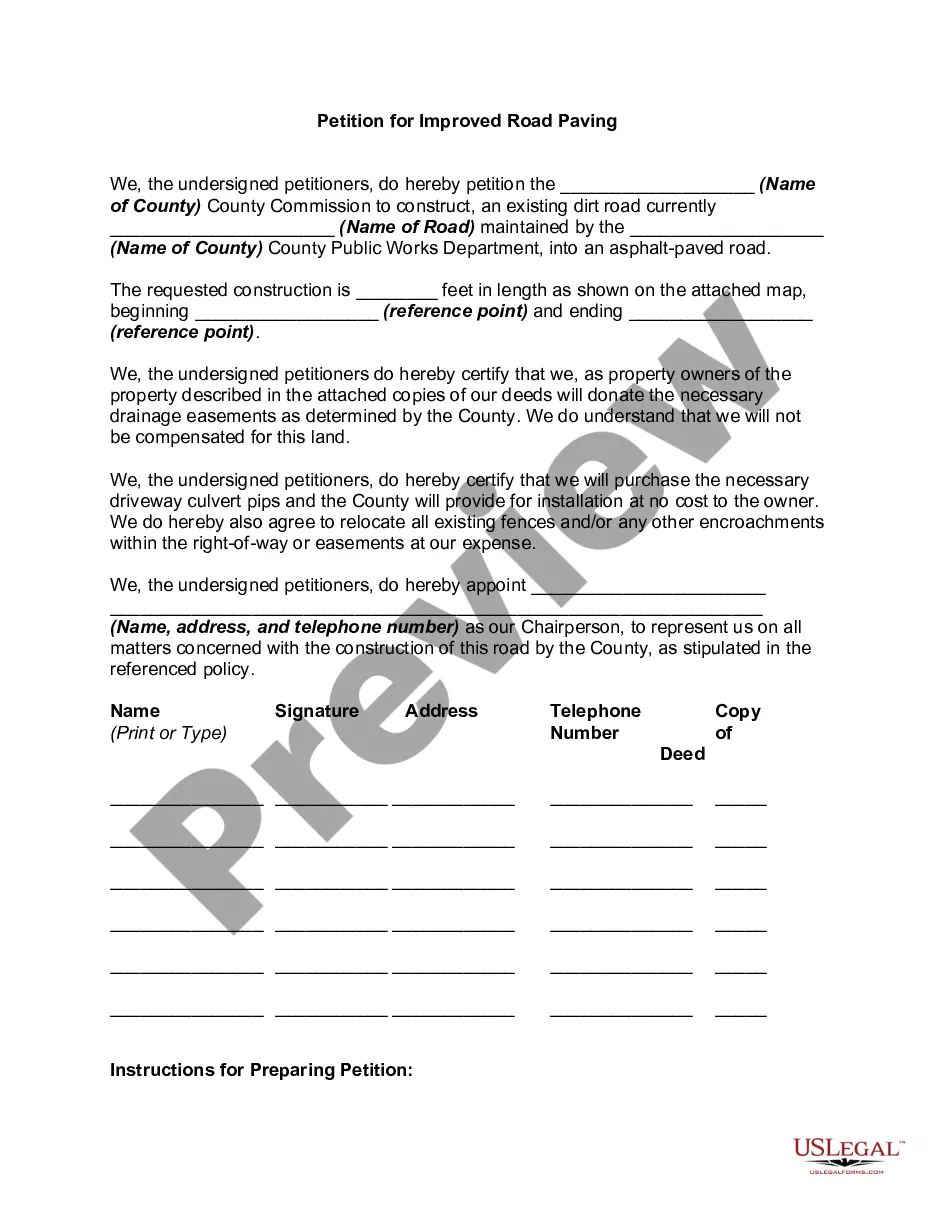
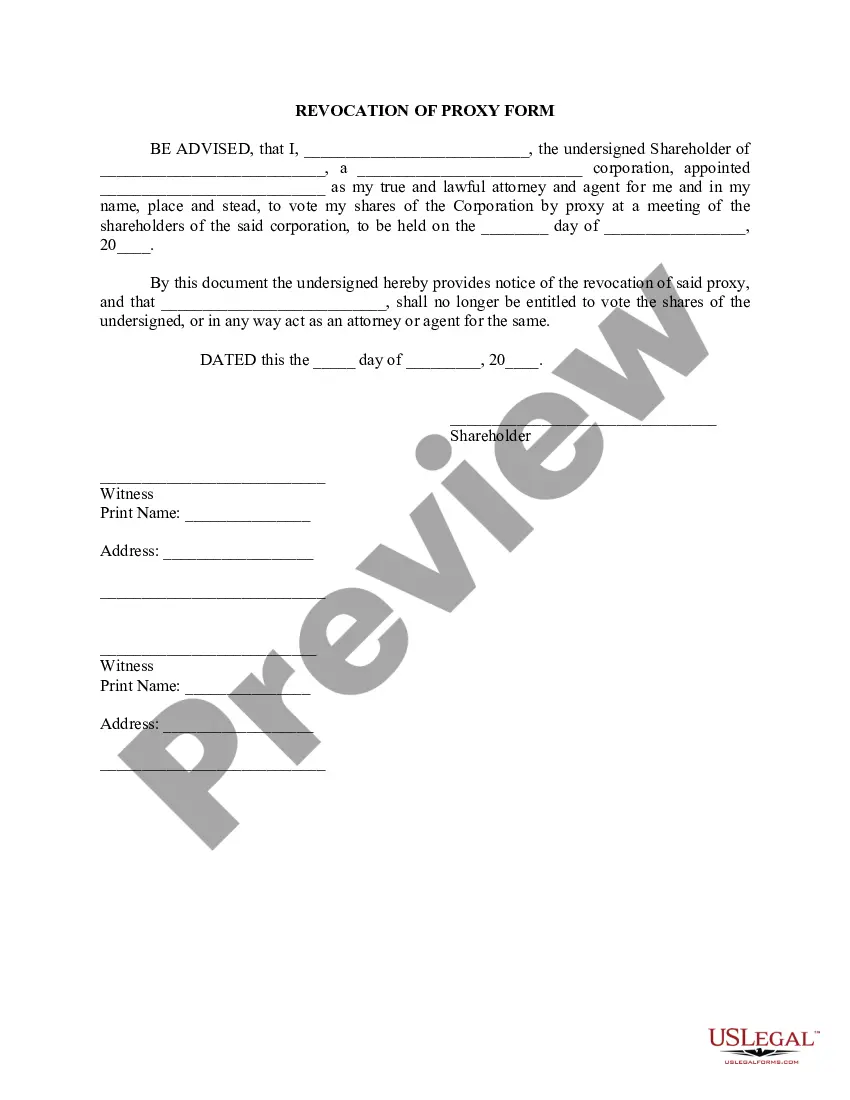
Looking for another form?








Form popularity
FAQ
Federal laws are proposed and developed by the legislative branch of the federal government (Congress), enacted by the executive branch (the President and the Departments and agencies), and enforced by the judicial branch (the federal court system, including the Supreme Court).
Northern District of Georgia | United States District Court.
Congress has the authority to write the laws but gives authority to promulgate rules and regulations to interpret and to administer those laws to the federal agencies. The government agencies issue rules and regulations that have the force of law and preempt state laws and rules.
All legislative power in the government is vested in Congress, meaning that it is the only part of the government that can make new laws or change existing laws. Executive Branch agencies issue regulations with the full force of law, but these are only under the authority of laws enacted by Congress.
The United States, like most former British colonies, uses a form of the common law system. A purely common law system is created by the judiciary, as the law comes from case law, rather than statute. Thus, a common law system has a strong focus on judicial precedent, stare decisis, and the rule of law.
Rules that have the force of law are called executive orders. These are directives from the President to administrators in the executive branch concerning the implementation of legislation, treated by courts as equivalent to laws.
How do I file a complaint or petition in civil court? You file the complaint or petition with the clerk of court. You generally want to file in the court in the county where the person you are suing lives. Along with the complaint, the court must be told where to serve (give it a copy of it to) the defendant.
The Plaintiff (the one filing the action) must electronically file a sworn statement with the Clerk of Magistrate Court, describing the charges against the Defendant (the person or business against whom the claim is brought). This Statement of Claim provides each party with the reason for the lawsuit.
You start a lawsuit by filing a complaint. In some circumstances, you file a petition or a motion. The court has several complaint forms that you may use in drafting your complaint. The forms are available online and at the Pro Se Intake Unit.
Courts in multiple Georgia Counties are collaborating to simplify civil e-filing in the state, and eFileGA provides one location for attorneys and courts to search for existing cases across counties. The system streamlines the filing processes and eliminates the need to file paper documents at the clerk's counter.