Formularios Legales Formas In Arizona
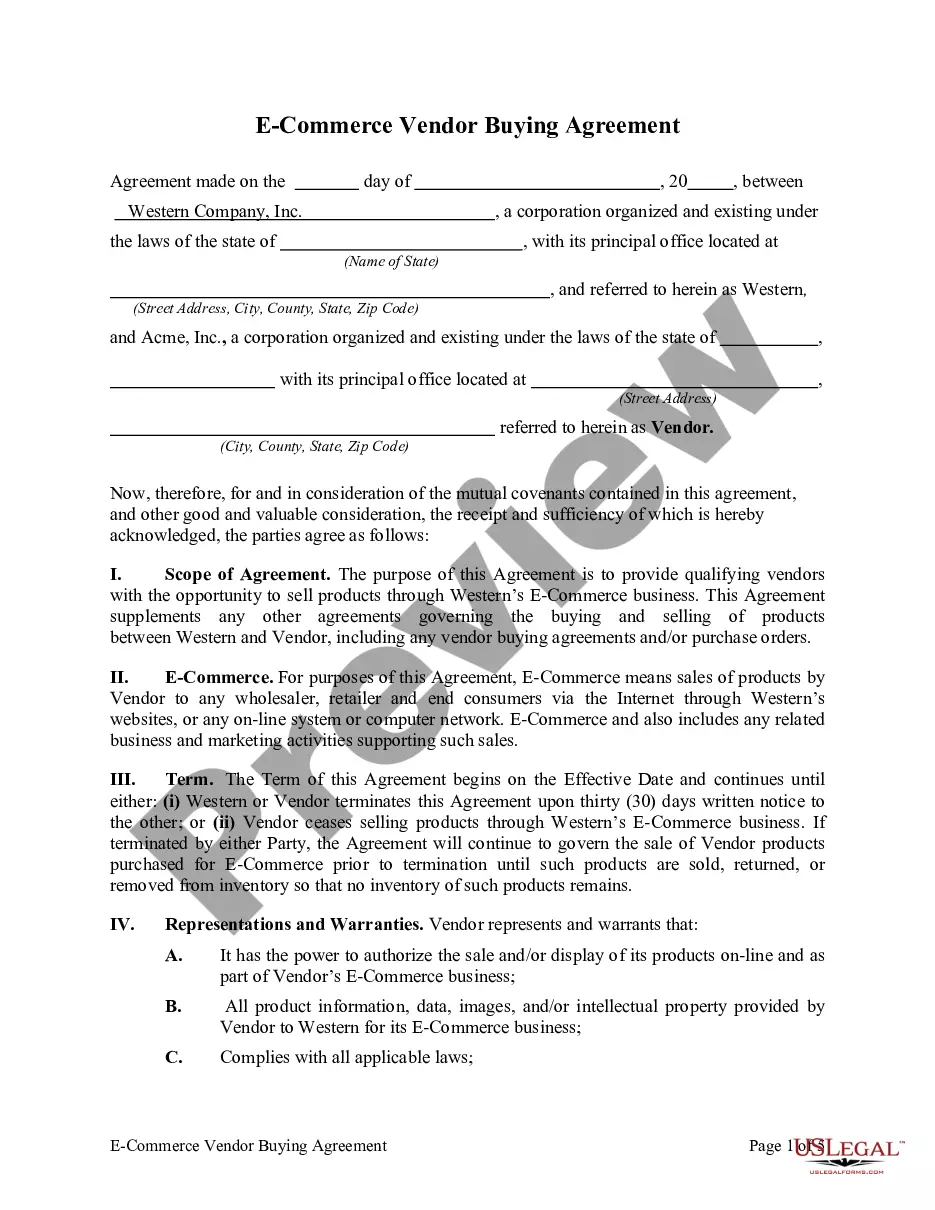
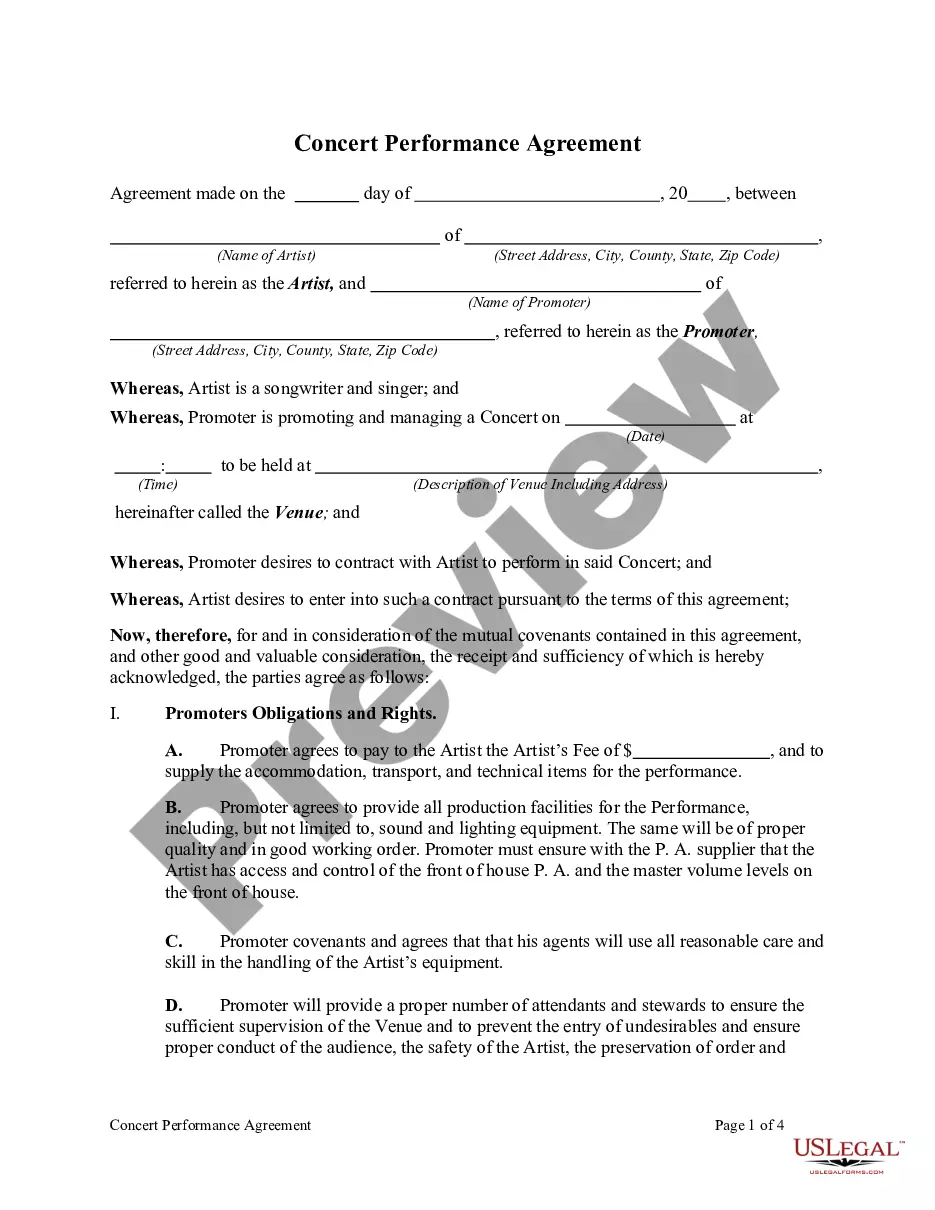
Description



Get your form ready online
Our built-in tools help you complete, sign, share, and store your documents in one place.
Make edits, fill in missing information, and update formatting in US Legal Forms—just like you would in MS Word.
Download a copy, print it, send it by email, or mail it via USPS—whatever works best for your next step.
Sign and collect signatures with our SignNow integration. Send to multiple recipients, set reminders, and more. Go Premium to unlock E-Sign.
If this form requires notarization, complete it online through a secure video call—no need to meet a notary in person or wait for an appointment.
We protect your documents and personal data by following strict security and privacy standards.

Make edits, fill in missing information, and update formatting in US Legal Forms—just like you would in MS Word.

Download a copy, print it, send it by email, or mail it via USPS—whatever works best for your next step.

Sign and collect signatures with our SignNow integration. Send to multiple recipients, set reminders, and more. Go Premium to unlock E-Sign.

If this form requires notarization, complete it online through a secure video call—no need to meet a notary in person or wait for an appointment.

We protect your documents and personal data by following strict security and privacy standards.
Looking for another form?








Form popularity
FAQ
Justice courts hear lawsuits when the amount in dispute is $10,000 or less, including: Eviction Actions and Landlord & Tenant Disputes.
The plaintiff files a document (complaint) with the clerk of the court stating the reasons why the plaintiff is suing the defendant, and what action the plaintiff wants the court to take. A copy of the complaint and a summons are delivered to (served on) the defendant.
Unless Rule 4.1(c), (e), (f), or (g) applies, an individual may be served by: (1) delivering a copy of the summons and the pleading being served to that individual personally; (2) leaving a copy of each at that individual's dwelling or usual place of abode with someone of suitable age and discretion who resides there; ...
You may not split a claim and file two separate actions. You may file for the "court costs"in addition to the $10,000 maximum. Civil lawsuits in Arizona are governed by the Justice Court Rules of Civil Procedure (PDF).
Every county in Arizona has at least two justice courts. The justice courts have exclusive authority to hear cases in which the amount in controversy is $10,000 or less. Cases in which the amount in controversy is greater than $10,000 must be filed in the superior court.
Apply, through the attorney general or through the county, city or town attorney of the county, city or town in which the act, practice or transaction is alleged to have been committed, to the superior court in that county for an injunction restraining the person from engaging in the act, practice or transaction, or ...
There are two types of lawsuits: civil and criminal. When someone is charged with a crime and then prosecuted by the government, this is a criminal lawsuit. Other types of suits are civil lawsuits.
Timeline of How to File a Lawsuit Step 1: File a Complaint. Plaintiff files a complaint and summons with the local county court. Step 2: Answer Complaint. Step 3: Discovery. Step 4: Failing to Respond to Discovery. Step 5: Conclusion of Lawsuit.
Seven Tips When Representing Yourself In Court Make a good impression. If you dress nicely, it tells the judge that you respect the courtroom and care about your case. Be respectful. Know what to ask. Arrive early. Tell your story. Come prepared. Use a lawyer if you need help.
The plaintiff files a document (complaint) with the clerk of the court stating the reasons why the plaintiff is suing the defendant, and what action the plaintiff wants the court to take. A copy of the complaint and a summons are delivered to (served on) the defendant.
