Law Book For Tax In Utah
Description
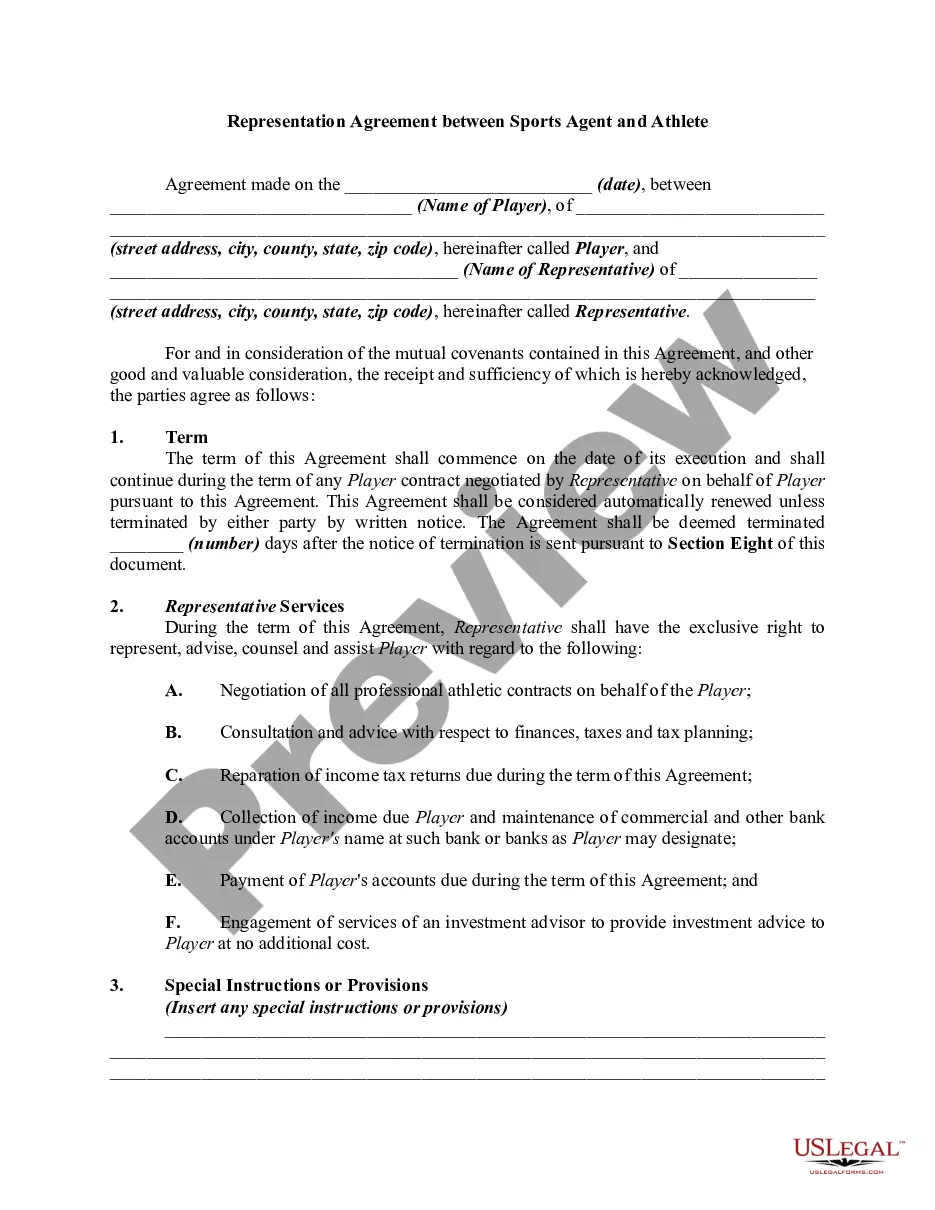
Get your form ready online
Our built-in tools help you complete, sign, share, and store your documents in one place.
Make edits, fill in missing information, and update formatting in US Legal Forms—just like you would in MS Word.
Download a copy, print it, send it by email, or mail it via USPS—whatever works best for your next step.
Sign and collect signatures with our SignNow integration. Send to multiple recipients, set reminders, and more. Go Premium to unlock E-Sign.
If this form requires notarization, complete it online through a secure video call—no need to meet a notary in person or wait for an appointment.
We protect your documents and personal data by following strict security and privacy standards.

Make edits, fill in missing information, and update formatting in US Legal Forms—just like you would in MS Word.

Download a copy, print it, send it by email, or mail it via USPS—whatever works best for your next step.

Sign and collect signatures with our SignNow integration. Send to multiple recipients, set reminders, and more. Go Premium to unlock E-Sign.

If this form requires notarization, complete it online through a secure video call—no need to meet a notary in person or wait for an appointment.

We protect your documents and personal data by following strict security and privacy standards.
Looking for another form?









Form popularity
FAQ
Taxable income is calculated by subtracting all personal exemptions from total income. In Utah, you can claim a personal exemption of $1,941 for each dependent you claimed on your federal tax return. Exemptions can be claimed for filers, spouses and dependents.
The deduction for personal exemptions is suspended (reduced to $0) for tax years 2018 through 2025 by the Tax Cuts and Jobs Act. Although the exemption amount is zero, the ability to claim an exemption may make taxpayers eligible for other tax benefits.
Before 2018, taxpayers could claim a personal exemption for themselves and each of their dependents. The amount would have been $4,150 for 2018, but the Tax Cuts and Jobs Act (TCJA) set the amount at zero for 2018 through 2025. TCJA increased the standard deduction and child tax credits to replace personal exemptions.
The Utah personal exemption is $2,046 per dependent. Multiply the amount on line d in box 2 by $2,046.
Start by determining whether you have a compliance obligation in a state. If so, register with your state's taxing agency before collecting any sales tax. After you've gone through the state's registration process, you are then permitted to collect sales tax on your transactions.
Officially, Utah does not have standard deductions; however, they technically apply the federal standard deductions when calculating taxable income. Similarly, although Utah does not have specific itemized deductions, they do allow adjustments to income similar to itemized deductions at the federal level.
Two sources are the Internal Revenue Code (IRC) and IRS publications. You can also call the IRS, consult publications for tax professionals or those written for consumers, hire a tax professional, or get volunteer tax assistance through VITA.
Treasury (tax) regulations An electronic version of the current Code of Federal Regulations is made available to the public by the National Archives and Records Administration (NARA) and the GPO. Browse "Title 26 :: Internal Revenue" to see the table of contents for the current Treasury Regulations.
In most states, tax attorneys need a JD from a law school with accreditation from the American Bar Association (ABA). During your three-year law degree, you study contract law, civil procedure, and criminal law. You also take advanced tax law courses like income tax, tax policy, and white-collar crime.
Taxable Value Residential properties that serve as the primary residence of any household receive an exemption of 45% of fair market value. Therefore, the taxable value is only 55% of fair market value. Tax rates are applied to the taxable value to determine the property tax due.
