Law Book For Students In Travis
Description
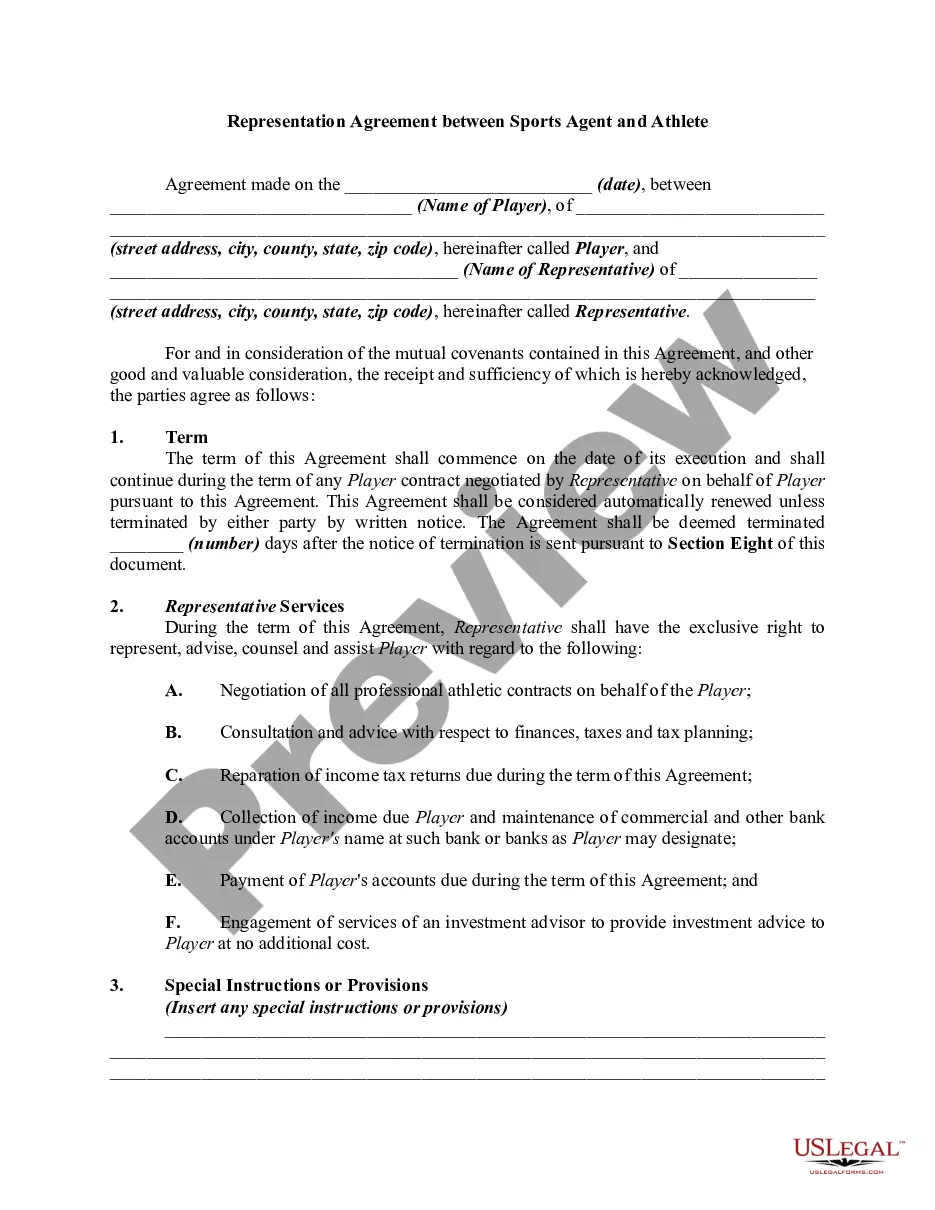
Get your form ready online
Our built-in tools help you complete, sign, share, and store your documents in one place.
Make edits, fill in missing information, and update formatting in US Legal Forms—just like you would in MS Word.
Download a copy, print it, send it by email, or mail it via USPS—whatever works best for your next step.
Sign and collect signatures with our SignNow integration. Send to multiple recipients, set reminders, and more. Go Premium to unlock E-Sign.
If this form requires notarization, complete it online through a secure video call—no need to meet a notary in person or wait for an appointment.
We protect your documents and personal data by following strict security and privacy standards.

Make edits, fill in missing information, and update formatting in US Legal Forms—just like you would in MS Word.

Download a copy, print it, send it by email, or mail it via USPS—whatever works best for your next step.

Sign and collect signatures with our SignNow integration. Send to multiple recipients, set reminders, and more. Go Premium to unlock E-Sign.

If this form requires notarization, complete it online through a secure video call—no need to meet a notary in person or wait for an appointment.

We protect your documents and personal data by following strict security and privacy standards.
Looking for another form?






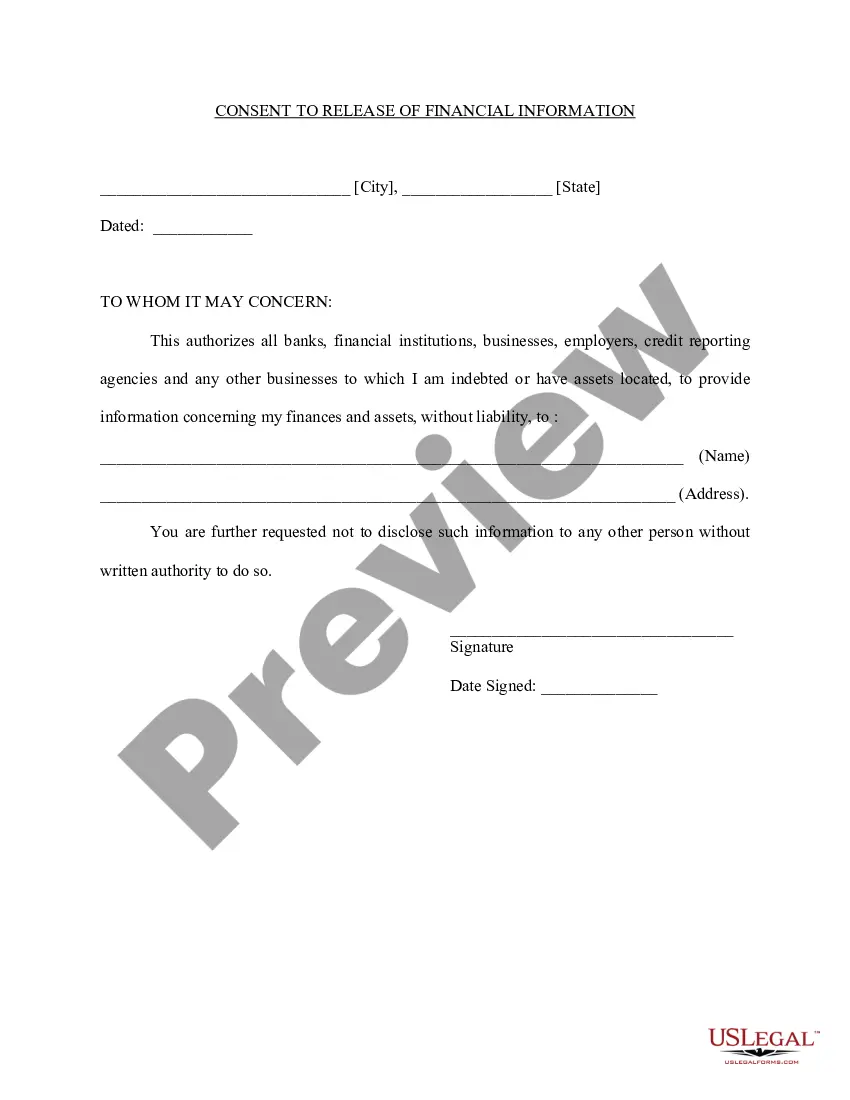



Form popularity
FAQ
Although you can learn the law without law school and become a self-taught lawyer, you will not be able to qualify as a lawyer by simply reading about the law. Aside from learning the laws, you must also learn how to apply them in the right scenarios.
Use Textbooks and Resources: Utilize recommended textbooks, online courses, and legal journals to deepen your understanding. Summarize Key Points: As you read, take notes that summarize important concepts and rules. Create Outlines: Organize your notes into outlines to make it easier to review and study for exams.
Here are our top picks to read before law school. Is Eating People Wrong? ... My Own Words By Ruth Bader Ginsburg. IL Of A Ride: A Well-Traveled Professor's Roadmap to Success in the First Year of Law School By Andrew J. Getting To Maybe: How To Excel On Law School Exams By Richard Michael Fischl And Jeremy Paul.
The most practical starting textbook is ``laying down the law'' (lexis) - gives an overview of the basics of law, how statutes and the common law work etc.
Here are our top picks to read before law school. Is Eating People Wrong? ... My Own Words By Ruth Bader Ginsburg. IL Of A Ride: A Well-Traveled Professor's Roadmap to Success in the First Year of Law School By Andrew J. Getting To Maybe: How To Excel On Law School Exams By Richard Michael Fischl And Jeremy Paul.
1. CPC by Takwani 2. CrPC by Kelkar 3. Constitutional Law by VN Shukla 4. Contract law by Mulla 5. Law of Tort by Ratanlal Dhirajlal 6. Family law by Poonam Pradham Saxena 7. Property law by Poonam Pradhan Saxena
10 tips for better legal writing Check verb tense. A singular subject should have a singular verb and a plural subject should have a plural verb. Note word placement. Stay active. Placement matters. Use the Oxford comma. Utilize comma splices correctly. Avoid ambiguity. Aim for clarity.
Law school is an academic challenge; most students agree the first year (“1L” year) is the most difficult. In part, this is because law school is taught using methods entirely different than the lecture method used in most college classrooms.
Share your best legal writing. Examples could include: moot court brief; upper year seminar paper or research project; memo, letter, administrative comments, or advocacy piece from an internship or externship; clinic work sample; or journal note. o Remember that your sample should (usually!) be only 5-10 pages.
Times New Roman or similar, 12 pt font. Double spaced lines. One inch margins all around. Footnotes in academic Bluebook style (use the rules on the main white pages instead of the light blue pages at the front of the Bluebook).
