Law Book For Beginners In Pennsylvania
Description
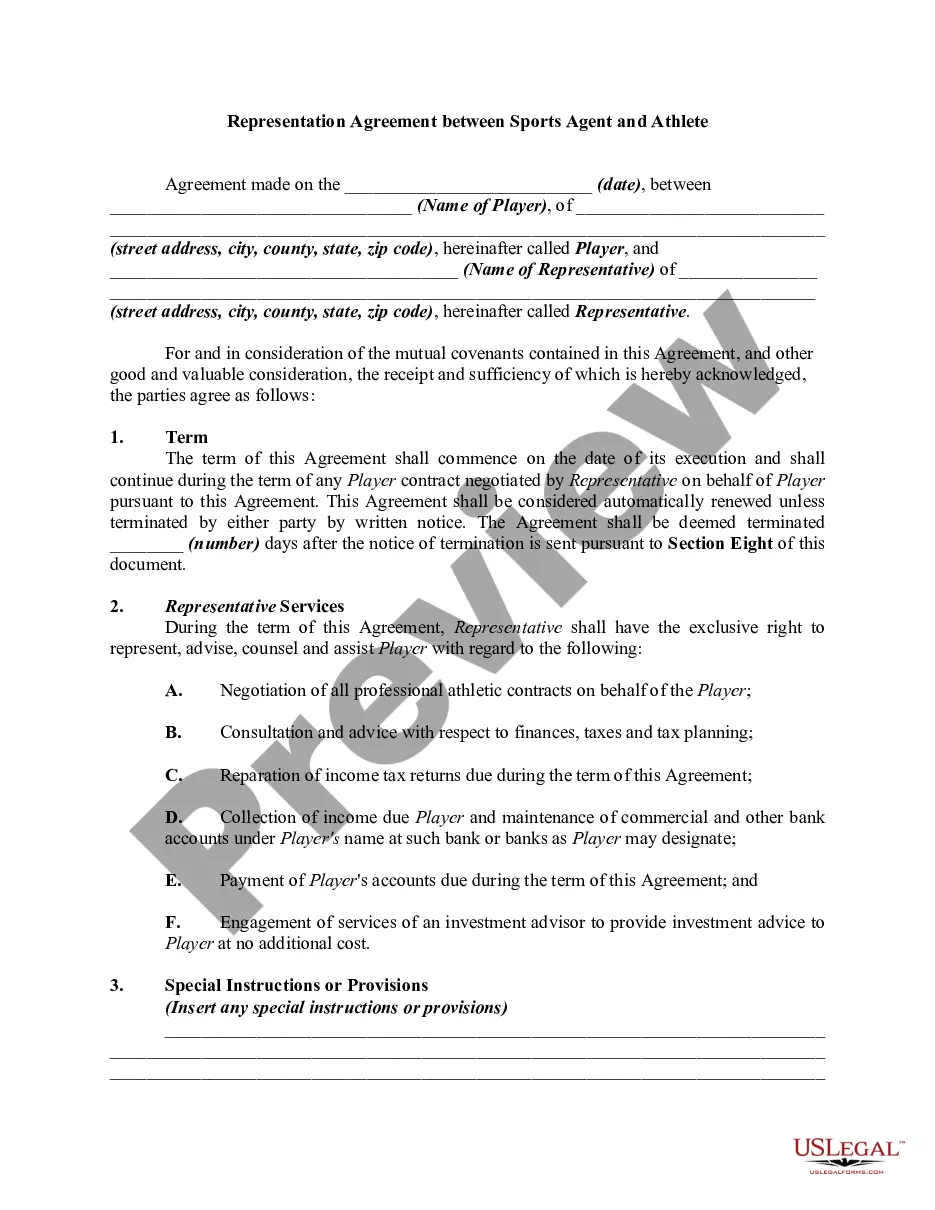
Get your form ready online
Our built-in tools help you complete, sign, share, and store your documents in one place.
Make edits, fill in missing information, and update formatting in US Legal Forms—just like you would in MS Word.
Download a copy, print it, send it by email, or mail it via USPS—whatever works best for your next step.
Sign and collect signatures with our SignNow integration. Send to multiple recipients, set reminders, and more. Go Premium to unlock E-Sign.
If this form requires notarization, complete it online through a secure video call—no need to meet a notary in person or wait for an appointment.
We protect your documents and personal data by following strict security and privacy standards.

Make edits, fill in missing information, and update formatting in US Legal Forms—just like you would in MS Word.

Download a copy, print it, send it by email, or mail it via USPS—whatever works best for your next step.

Sign and collect signatures with our SignNow integration. Send to multiple recipients, set reminders, and more. Go Premium to unlock E-Sign.

If this form requires notarization, complete it online through a secure video call—no need to meet a notary in person or wait for an appointment.

We protect your documents and personal data by following strict security and privacy standards.
Looking for another form?



Form popularity
FAQ
The Speaker assigns the bill to a Standing Committee. At the same time, the new bill is copied and distributed to House members and made available to the public. House Bill 652 officially becomes law and is given an Act number. The bill arrives on the Governor's desk where the Governor signs it into law.
The Law is made up of the first five books of the Bible, Genesis, Exodus, Leviticus, Numbers, and Deuteronomy.
The United States Code is a compilation of most public laws currently in force, organized by subject matter. When a law has been amended by another law, the U.S. Code reflects this change.
Containing 51 titles, the main edition of the United States Code is published every six years by the Office of the Law Revision Counsel of the House of Representatives, and cumulative supplements are published annually to provide the most up-to-date information.
The State Library of Pennsylvania Law Library has an extensive law collection consisting of the laws, regulations, and higher court decisions of the U.S. government and all fifty states which can be searched through the State Library's catalog.
The United States Code is the Code of Laws of the United States of America (also referred to as Code of Laws of the United States, United States Code, U.S. Code, or U.S.C.) and is a compilation and codification of all the general and permanent Federal laws of the United States.
Steps to become a Lawyer/Attorney in Pennsylvania Pennsylvania Undergraduate Pre-Law Education. Take the LSAT (Law School Admission Test) Go to Law School in Pennsylvania. Take the Pennsylvania State Bar Exam and become an Attorney. Now that You're a Member of the Pennsylvania State Bar.
The United States Code is the codification by subject matter of the general and permanent laws of the United States.
A few U.S. states, namely California, Maine, New York, Vermont, Virginia and Washington, still permit people to become lawyers by reading law instead of attending some or all of law school, although the practice is rare.
LexisNexis Law School eBooks/eTextbooks are retrieved via download from the LexisNexis Store. Once downloaded to your e-Reader, the eBooks are yours. No internet access is necessary to read them; however utilizing Lexis Advance links does require web access.
