Right To Sell Is Known As In Virginia
Description

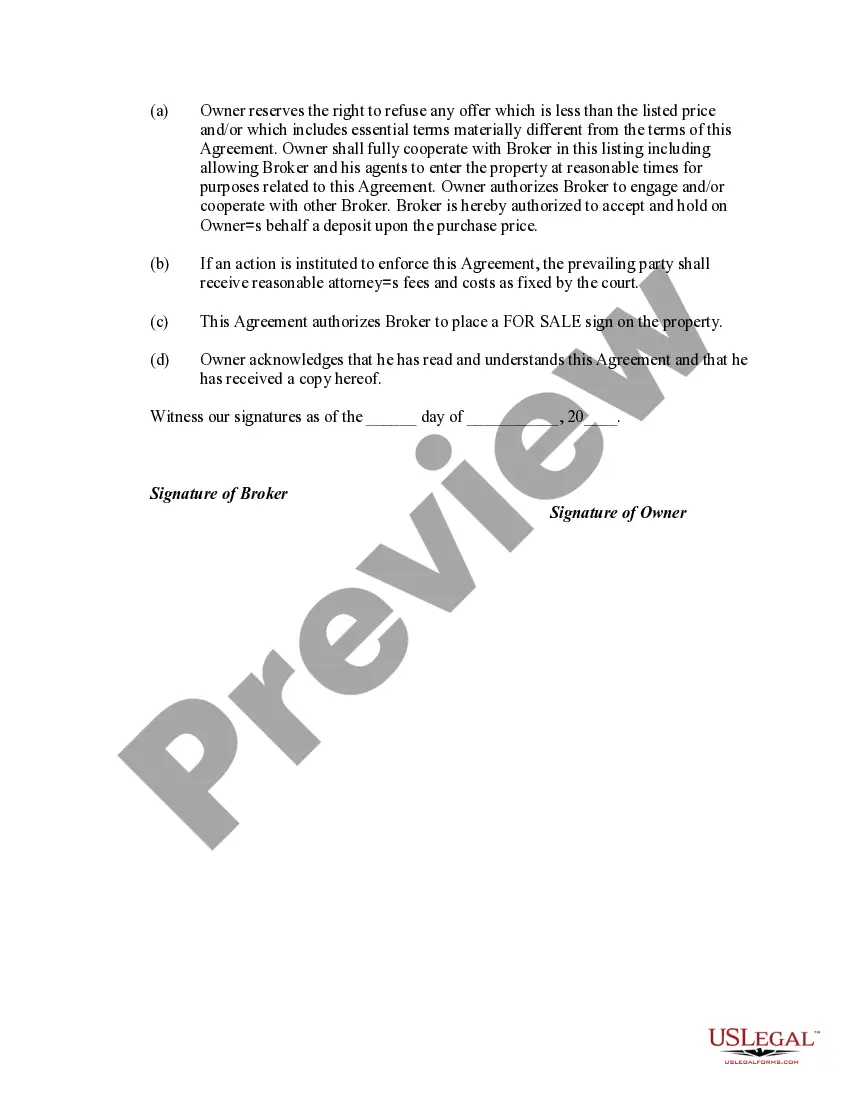

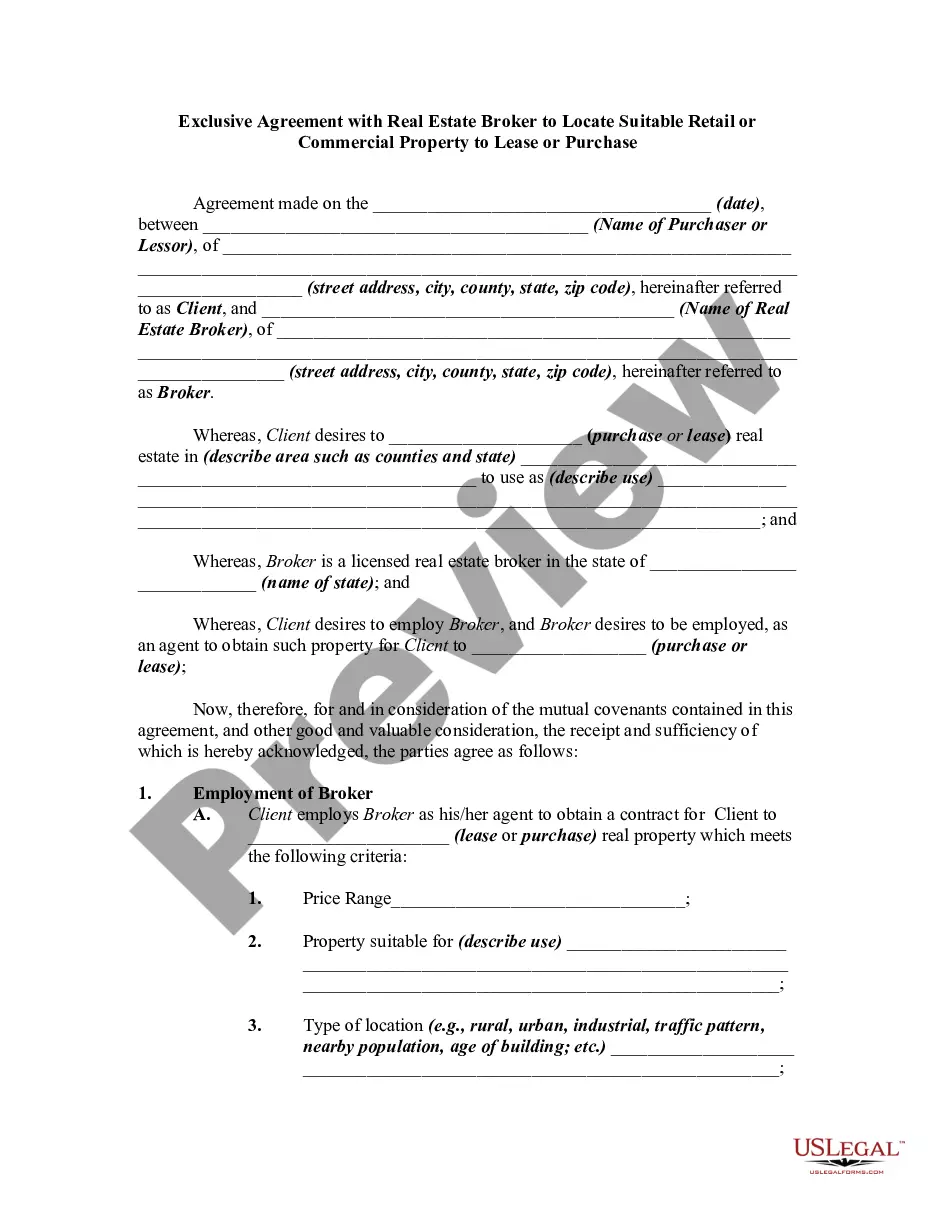
Get your form ready online
Our built-in tools help you complete, sign, share, and store your documents in one place.
Make edits, fill in missing information, and update formatting in US Legal Forms—just like you would in MS Word.
Download a copy, print it, send it by email, or mail it via USPS—whatever works best for your next step.
Sign and collect signatures with our SignNow integration. Send to multiple recipients, set reminders, and more. Go Premium to unlock E-Sign.
If this form requires notarization, complete it online through a secure video call—no need to meet a notary in person or wait for an appointment.
We protect your documents and personal data by following strict security and privacy standards.

Make edits, fill in missing information, and update formatting in US Legal Forms—just like you would in MS Word.

Download a copy, print it, send it by email, or mail it via USPS—whatever works best for your next step.

Sign and collect signatures with our SignNow integration. Send to multiple recipients, set reminders, and more. Go Premium to unlock E-Sign.

If this form requires notarization, complete it online through a secure video call—no need to meet a notary in person or wait for an appointment.

We protect your documents and personal data by following strict security and privacy standards.
Looking for another form?
Form popularity
FAQ
Virginia law does not require home sellers to hire an attorney, whether a Realtor is part of the process or not. However, legal counsel is useful for all sellers and especially important for FSBO sellers. Real estate transactions are complex, and this is likely to be one of the biggest financial deals of your life.
The VA does not require homebuyers to get a home inspection. However, it's typically a good idea as an added layer of protection. Home inspections assess the overall structure (including the roof, HVAC system, foundation and more) against local building codes to uncover potential issues the VA MPRs may miss.
However, the exact contours of the scope of due diligence required by buyers in Virginia are case specific. However, the seller cannot deliberately conceal any defects, refuse or fail to disclose known latent (hidden) defects, or divert the purchaser away from the defect(s) with the condition of the premises.
Section 7(f) of the Virginia REALTORS® Exclusive Authorization to Sell allows the property owner to authorize or prohibit the display of the property on the Internet. If authorized, it also permits the property owner to limit the display of property reviews and automated estimates of market value on the Internet.
Failing to disclose property defects during a home sale can lead to serious legal consequences for sellers. While Virginia operates under a “buyer beware” system, sellers are still responsible for certain disclosures. As such, they can face legal action if they intentionally hide defects.
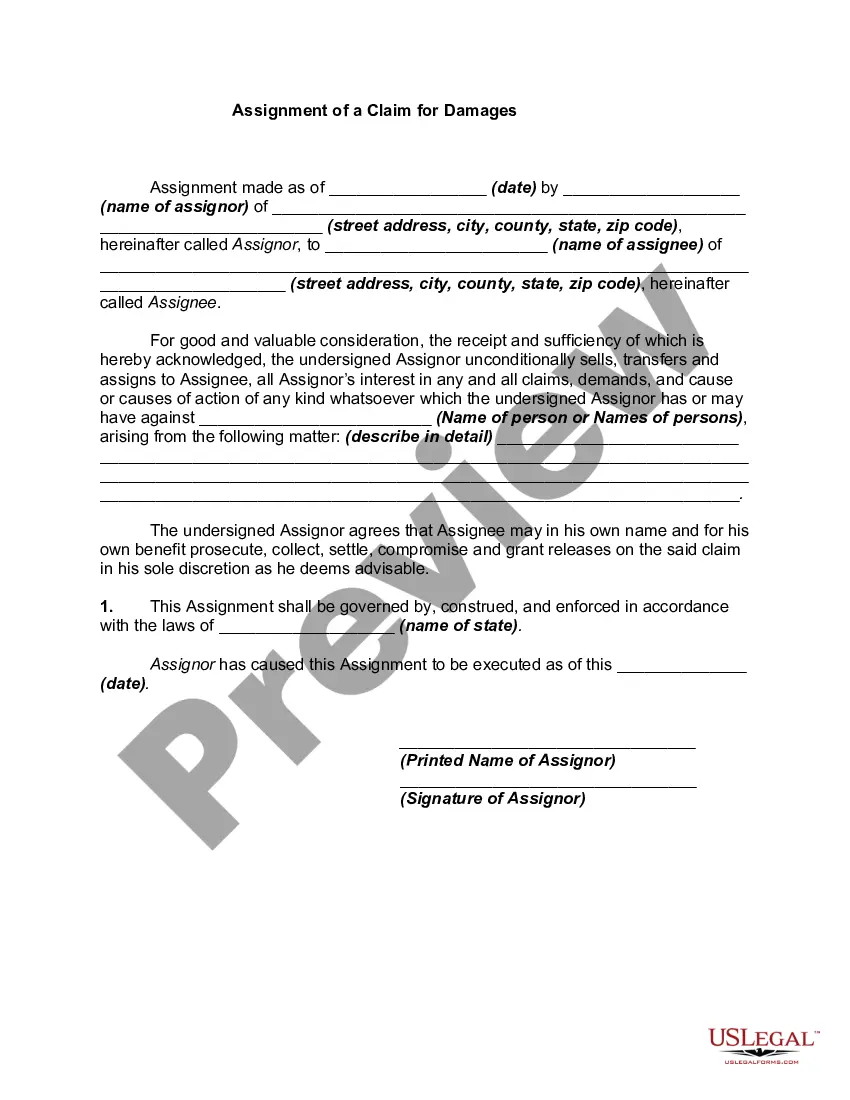
The Code of Virginia requires a written brokerage agreement when a brokerage relationship, as defined in § 54.1-2130, is created. When a customer becomes a client is based upon the party's intent.
In Virginia, the only permit every business needs to get at the state level is a sales tax certificate. In addition, certain craftspeople and tradespeople may need more specific types of licensing and permits, such as: Professional and occupational licenses. Zoning and land use permits.
If your neighbors are agreeable to allowing an easement granting access, then you will need the assistance of an attorney to draft and record the easement as well as the services of a land surveyor to measure and furnish the metes and bounds description of the right‐of‐way.
You are required to license and register your products with the Virginia Department of Agriculture and Consumer Services (VDACS) prior to selling. An inspection may be required prior to selling. It is also suggested to contact your local health department for any local inspection requirements.