Law Handbook With Ai In Orange
Description
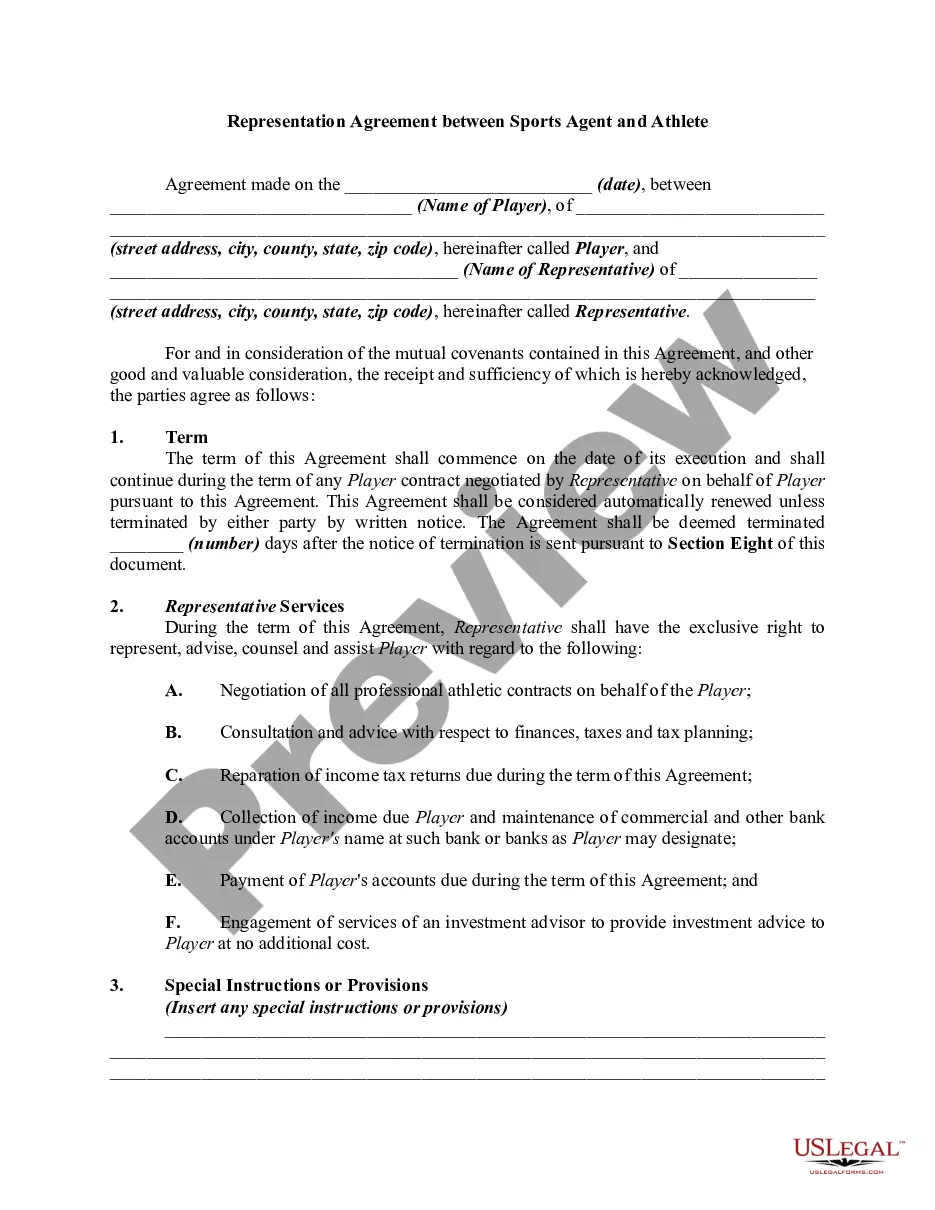
Get your form ready online
Our built-in tools help you complete, sign, share, and store your documents in one place.
Make edits, fill in missing information, and update formatting in US Legal Forms—just like you would in MS Word.
Download a copy, print it, send it by email, or mail it via USPS—whatever works best for your next step.
Sign and collect signatures with our SignNow integration. Send to multiple recipients, set reminders, and more. Go Premium to unlock E-Sign.
If this form requires notarization, complete it online through a secure video call—no need to meet a notary in person or wait for an appointment.
We protect your documents and personal data by following strict security and privacy standards.

Make edits, fill in missing information, and update formatting in US Legal Forms—just like you would in MS Word.

Download a copy, print it, send it by email, or mail it via USPS—whatever works best for your next step.

Sign and collect signatures with our SignNow integration. Send to multiple recipients, set reminders, and more. Go Premium to unlock E-Sign.

If this form requires notarization, complete it online through a secure video call—no need to meet a notary in person or wait for an appointment.

We protect your documents and personal data by following strict security and privacy standards.
Looking for another form?






Form popularity
FAQ
Since the AI-generated work was created “without any creative contribution from a human actor,” it was not eligible for a copyright and belonged to no one. To put it another way, anyone can use AI-generated content because it is outside the protection of copyright.
TL;DR: The Copyright Office's Current Position on AI-generated Content. If you use AI technology to create work, you can claim copyright protection for your contribution to that work. Your contribution to the work must be appreciable. If your contribution is de minimis, the work is not protectible.
As noted above, there is currently no comprehensive legislation in the US that directly regulates AI. However, the White House Executive Order on AI and proposed legislation at the federal and state level generally seeks to address the following issues: Safety and security. Responsible innovation and development.
In the U.S., the Copyright Office guidance states that works containing AI-generated content are not copyrightable without evidence that a human author contributed creatively. New laws can help clarify the level of human contribution needed to protect works containing AI-generated content.
ChatGPT can be a valuable starting drafting legal documents IF you keep in mind that all information and analysis must be verified, just like any other information you find on the internet or anywhere else.
AI-generated content isn't protected by U.S. copyright laws.
As noted above, there are currently no comprehensive federal laws that directly regulate AI. ingly, there is no specific federal sectoral scope at this stage. Nevertheless, there are certain sector-specific frameworks that have been implemented in the US to regulate the use of AI.
AI-generated legal briefs reduce formatting errors and human mistakes. However, AI tools can sometimes "hallucinate" information and generate citations that human lawyers must carefully check. This risk is lower in contract drafting because these tools focus on preset guidelines and criteria.
Legal professionals are increasingly using both generative AI and large language models (LLMs) to generate legal communications and documents such as contracts, leases, and wills, as well as to conduct legal research.
Hence, AI is highly unlikely to replace human lawyers. Dependence on Technology: Overreliance on AI tools may lead to skill atrophy among legal professionals. AI should be seen as a sidekick in law firms, improving operational efficiency but never taking the wheel from seasoned pros.