Law Book Rules In North Carolina
Description
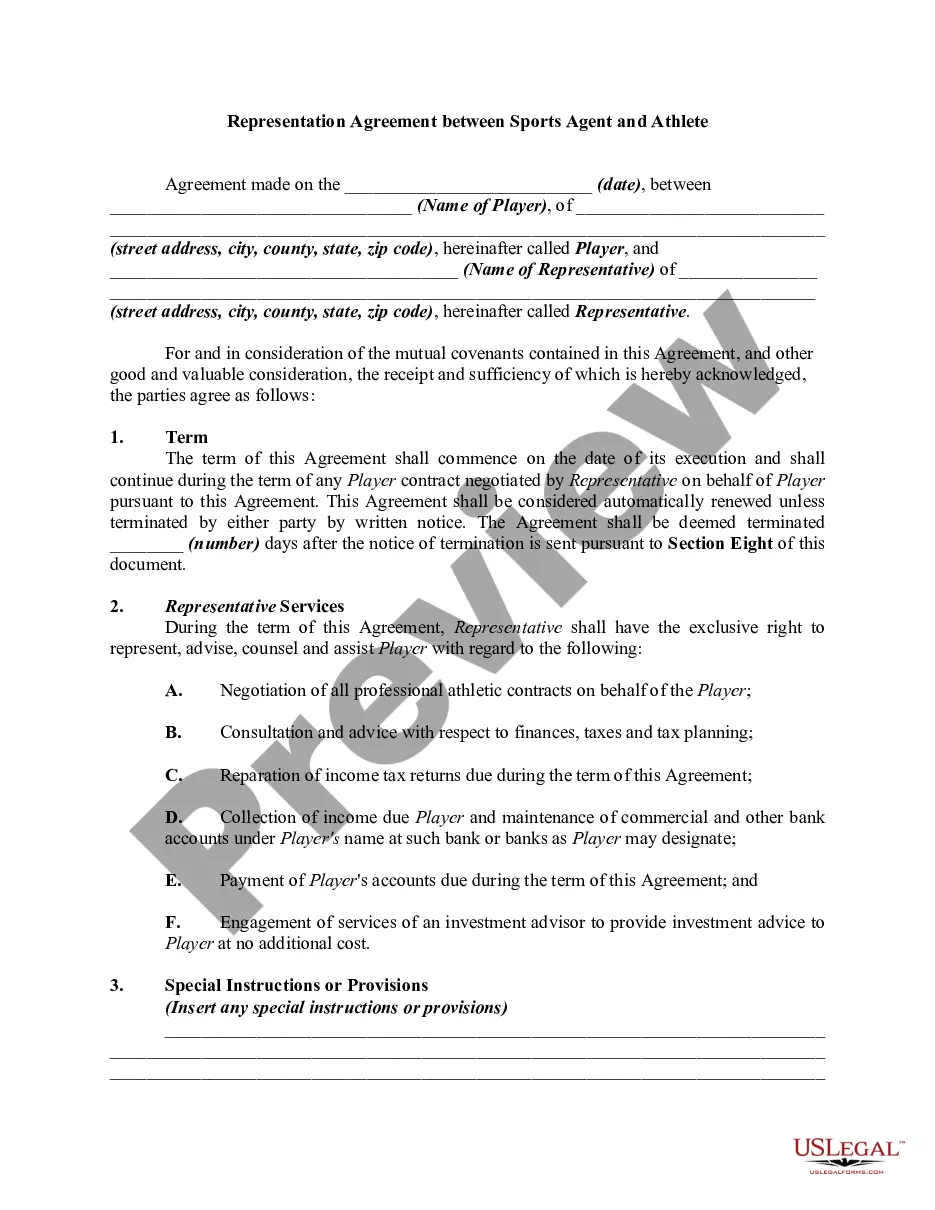
Get your form ready online
Our built-in tools help you complete, sign, share, and store your documents in one place.
Make edits, fill in missing information, and update formatting in US Legal Forms—just like you would in MS Word.
Download a copy, print it, send it by email, or mail it via USPS—whatever works best for your next step.
Sign and collect signatures with our SignNow integration. Send to multiple recipients, set reminders, and more. Go Premium to unlock E-Sign.
If this form requires notarization, complete it online through a secure video call—no need to meet a notary in person or wait for an appointment.
We protect your documents and personal data by following strict security and privacy standards.

Make edits, fill in missing information, and update formatting in US Legal Forms—just like you would in MS Word.

Download a copy, print it, send it by email, or mail it via USPS—whatever works best for your next step.

Sign and collect signatures with our SignNow integration. Send to multiple recipients, set reminders, and more. Go Premium to unlock E-Sign.

If this form requires notarization, complete it online through a secure video call—no need to meet a notary in person or wait for an appointment.

We protect your documents and personal data by following strict security and privacy standards.
Looking for another form?





Form popularity
FAQ
If an act to amend the Constitution is approved by at least three-fifths of the total membership of each house, the proposal is then submitted to the voters of the whole State. If a majority of the voters approve, the proposed amendment becomes part of the Constitution.
All Public Bills other than bills making appointments, proposing constitutional amendments, or revising districts are presented to the Governor on the day following ratification for the Governor's approval or veto. If the Governor signs the bill or takes no action on the bill, the bill becomes law.
A basic case citation contains the following elements: (1) the case name, (2) the reporter volume number, (3) the abbreviation for the reporter, (4) the page number in the reporter on which the case begins, and (5) the date of the decision. North Carolina Supreme Court: King v. Town of Chapel Hill, 367 N.C. 400 (2014).
The primary function of Congress, as the Legislative Branch of our government, is to create and modify laws.
The primary way to amend the Constitution of the State of North Carolina is by a vote of the qualified voters of the State. The General Assembly first passes a law by a three-fifths vote of the members of both the House and Senate.
North Carolina has no process for citizen petitions or referendums. The only way to get a new law passed or an old law changed is to talk to the Representative or Senator who represents your area. You can find their contact information by entering your street address in the search box here.
North Carolina does not recognize common law marriage. Simply living together as a couple, no matter for how long, does not create a legal marriage under North Carolina law. To be legally married in North Carolina, couples must obtain a marriage license.
1.4 Session Laws of North Carolina In citations to session laws enacted after the General Assembly's 1998 Extra Session, the session law number replaces the chapter number. e.g., An Act to Update the Charter of the City of Greensboro Consistent with State Law, ch. 807, § 9, 1986 N.C. Sess. Laws 44, 45.
Cite to the General Statutes of North Carolina using the abbreviation “N.C.G.S.” e.g., N.C.G.S. § 7A-39 (2021). NOT N.C. Gen. Stat.
North Carolina law does not afford many legal rights for couples who live together before marriage. The state does not recognize common-law marriage. This means if a couple splits up, they will have no legal protection regarding how property is divided.
