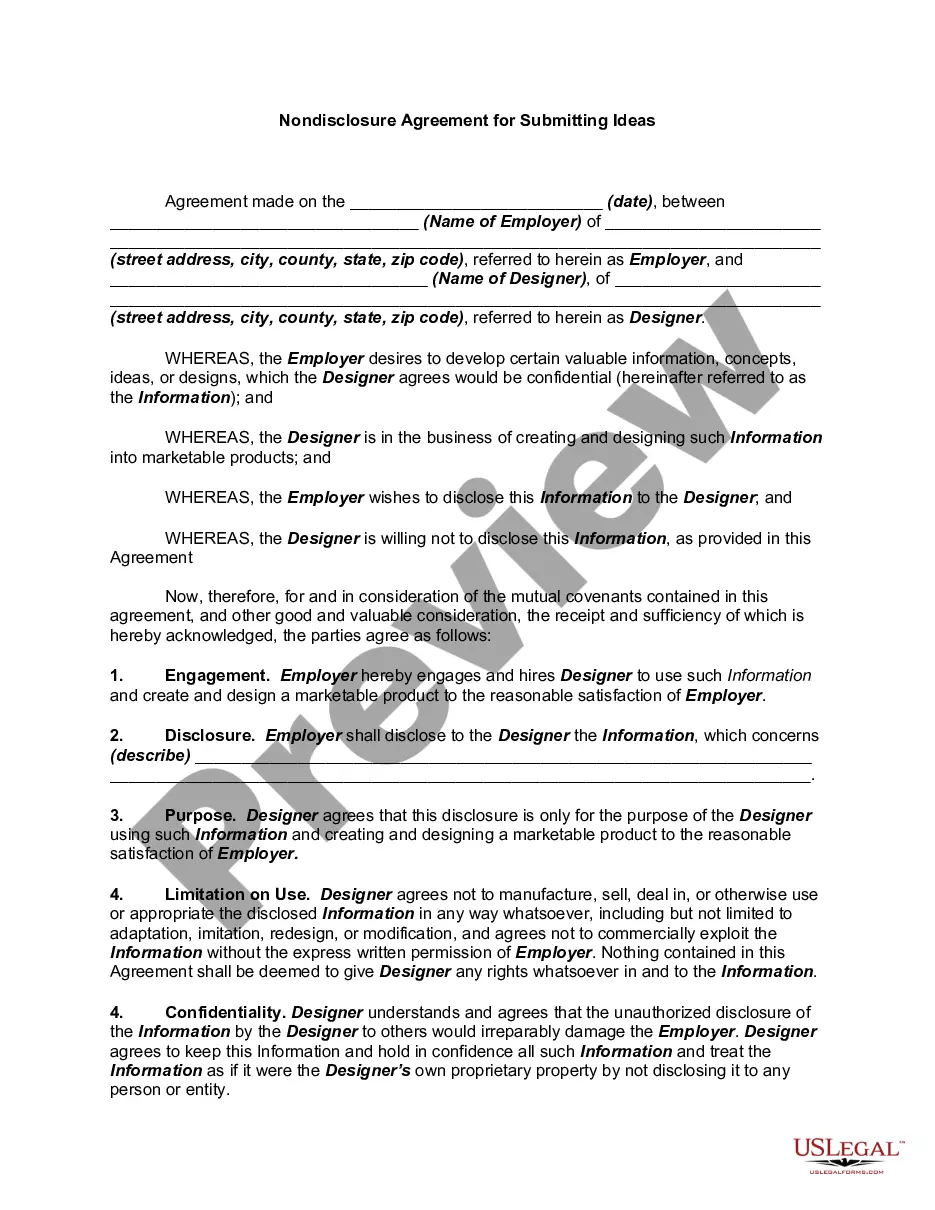
Nondisclosure Agreement for Submitting Ideas
Overview of this form
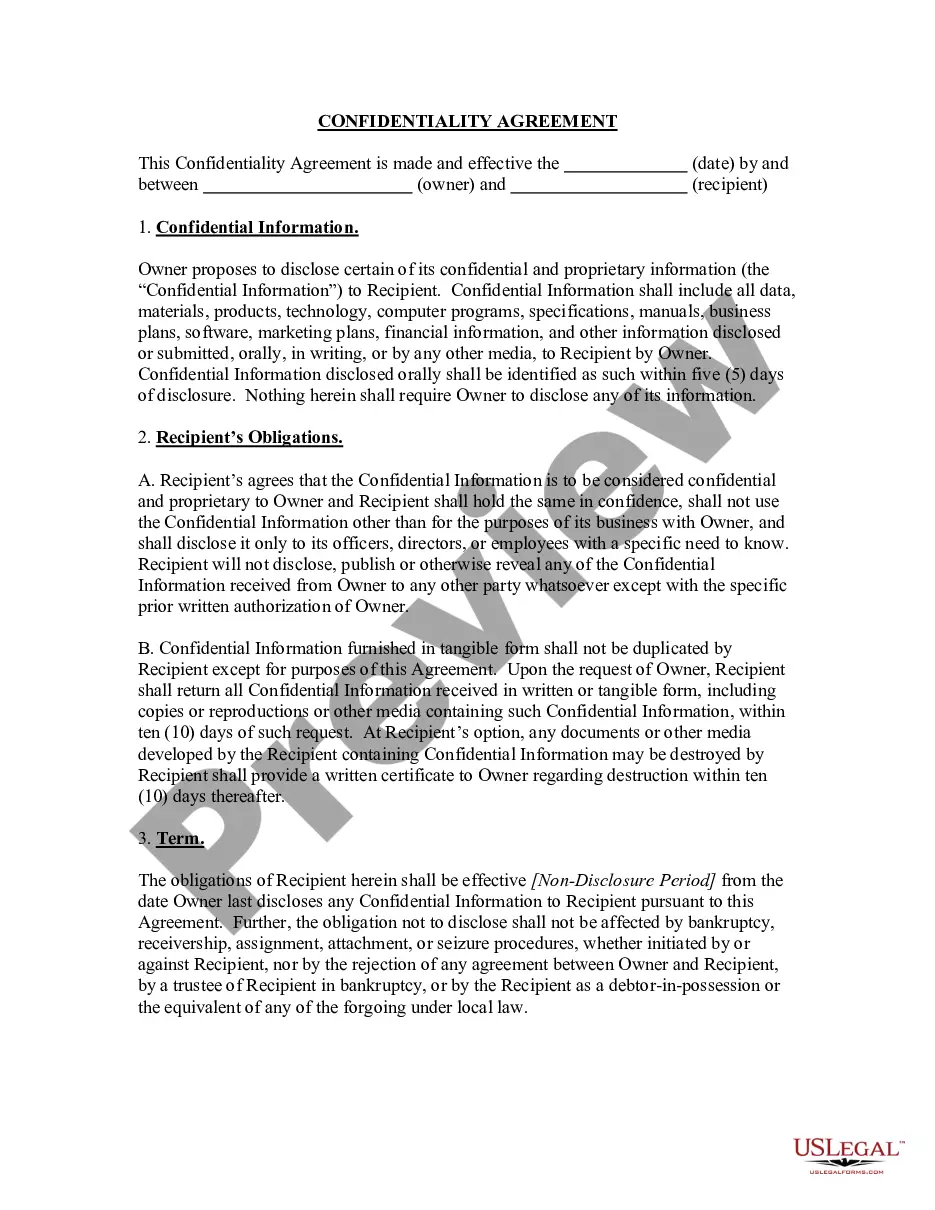
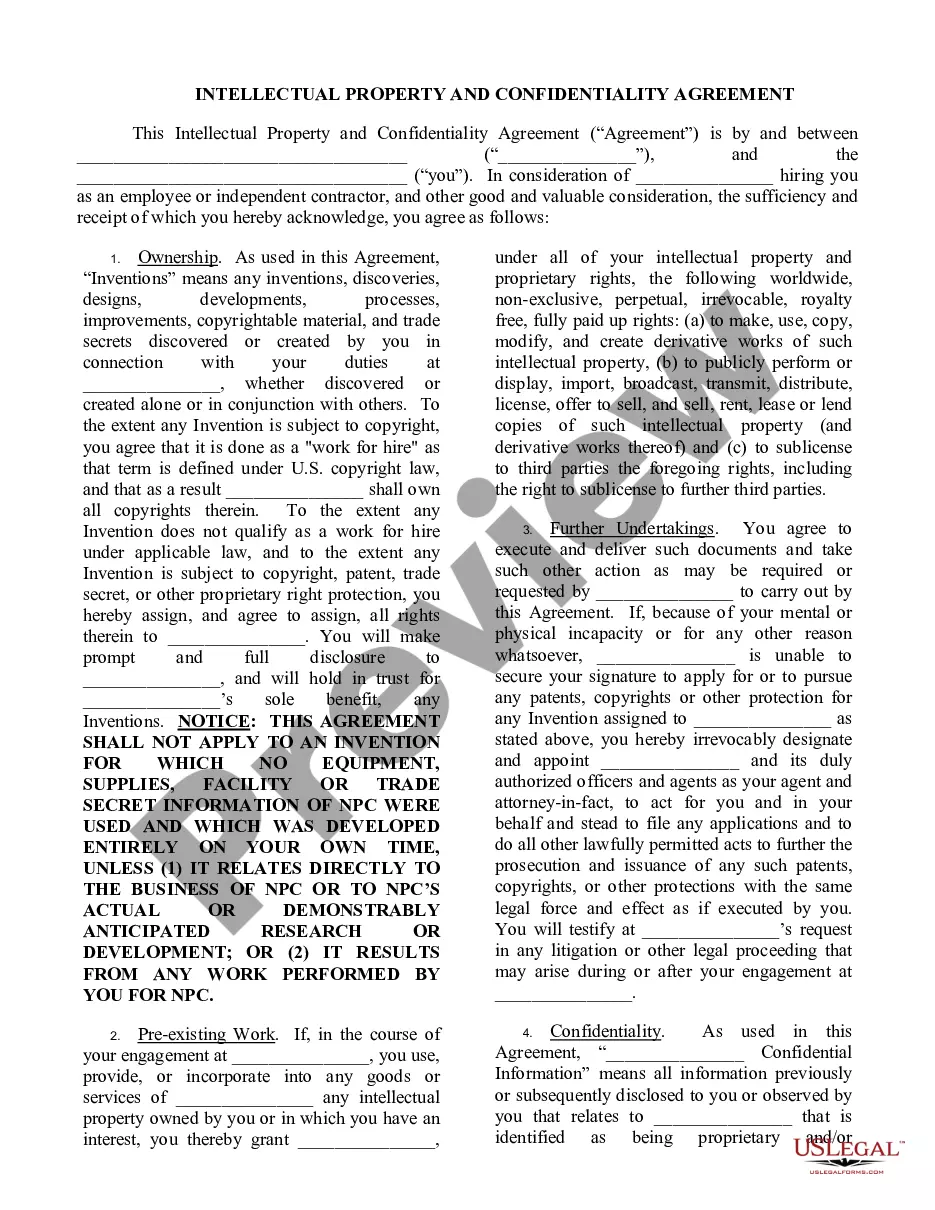
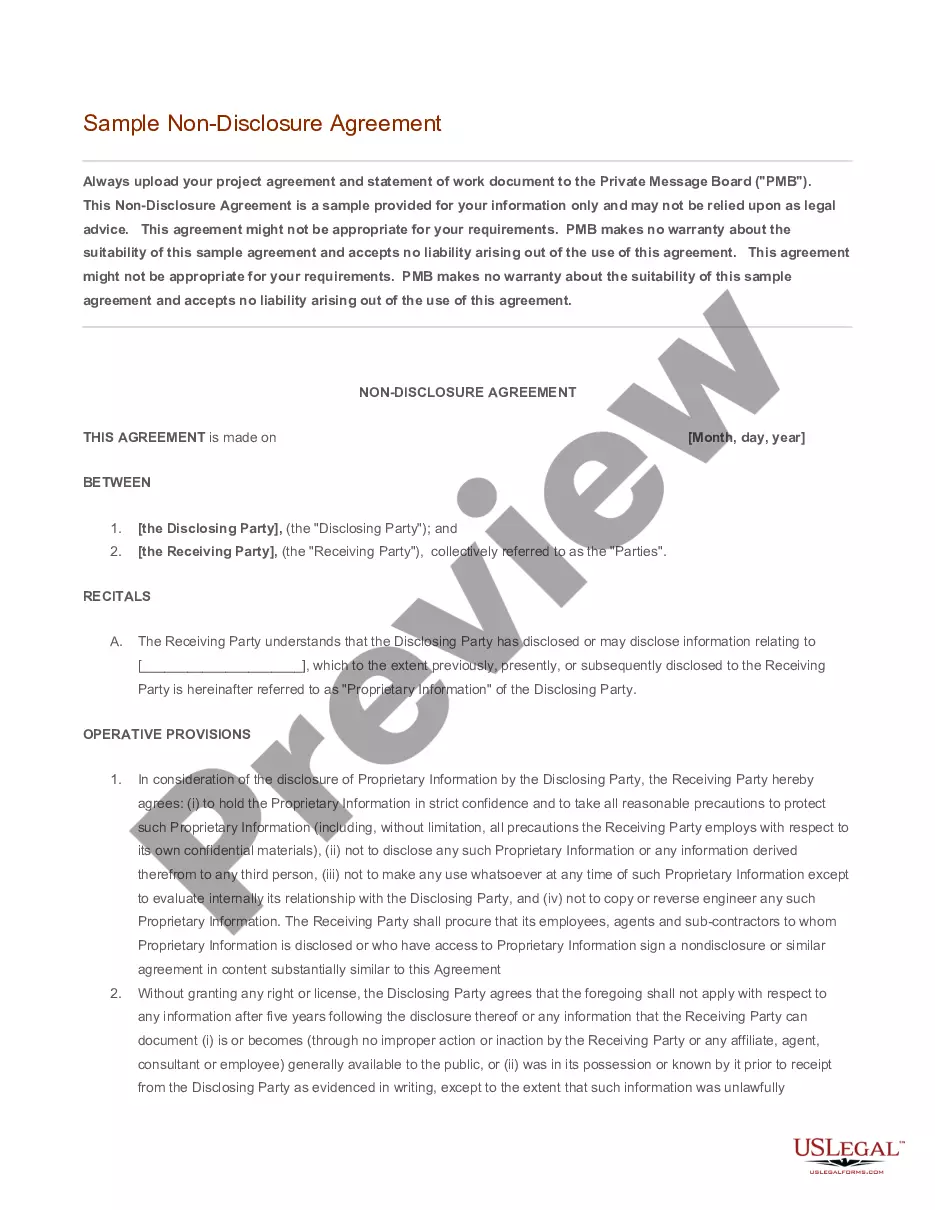
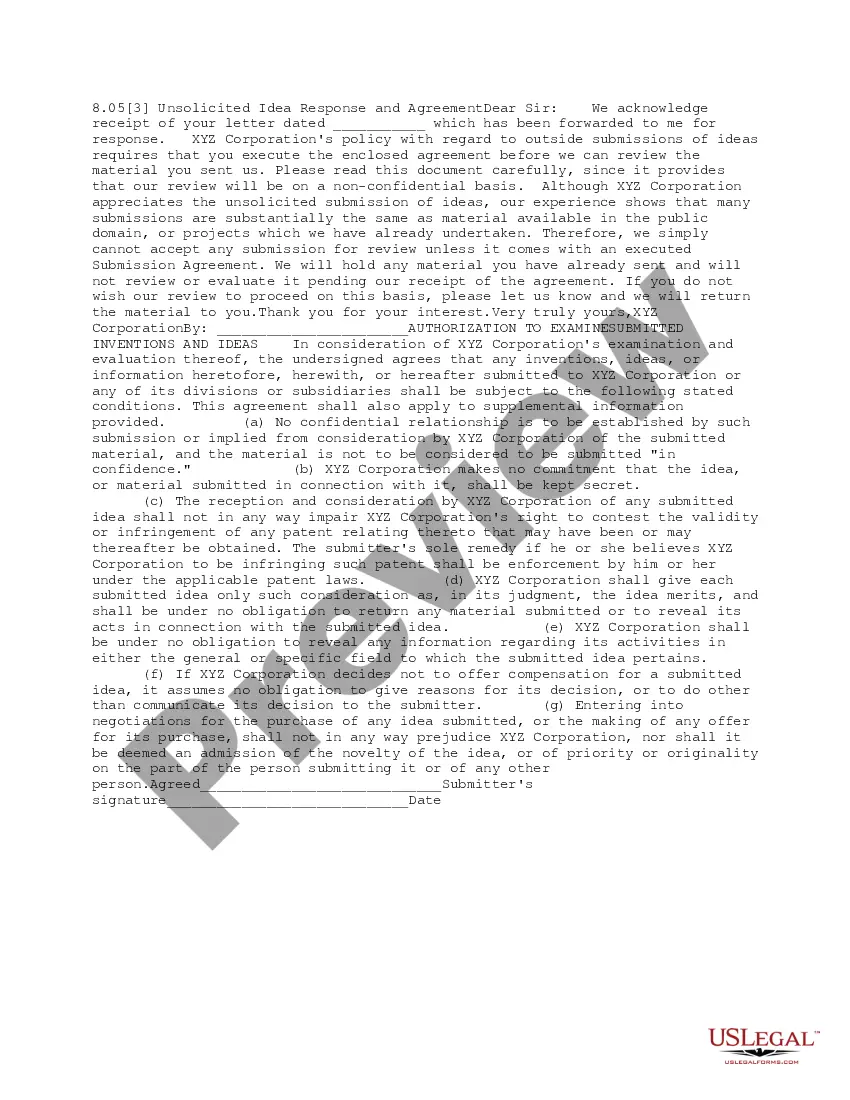
A nondisclosure agreement for submitting ideas is a legal contract that protects the confidentiality of information shared between parties. This form ensures that sensitive concepts, designs, and other proprietary information are not disclosed to unauthorized individuals. It serves to create a secure environment for collaboration, allowing designers and employers to exchange ideas without the fear of intellectual theft. Unlike general nondisclosure agreements, this form is specifically tailored for situations where ideas are shared for potential development and commercialization.
What’s included in this form
- Engagement clause: Confirms the Designer's hiring to use shared information for a specific purpose.
- Disclosure section: Details the type of information the Employer is sharing with the Designer.
- Limitation on use: Restricts the Designer from using the disclosed information beyond the agreed purpose.
- Confidentiality provision: Outlines the obligation of the Designer to keep the information confidential.
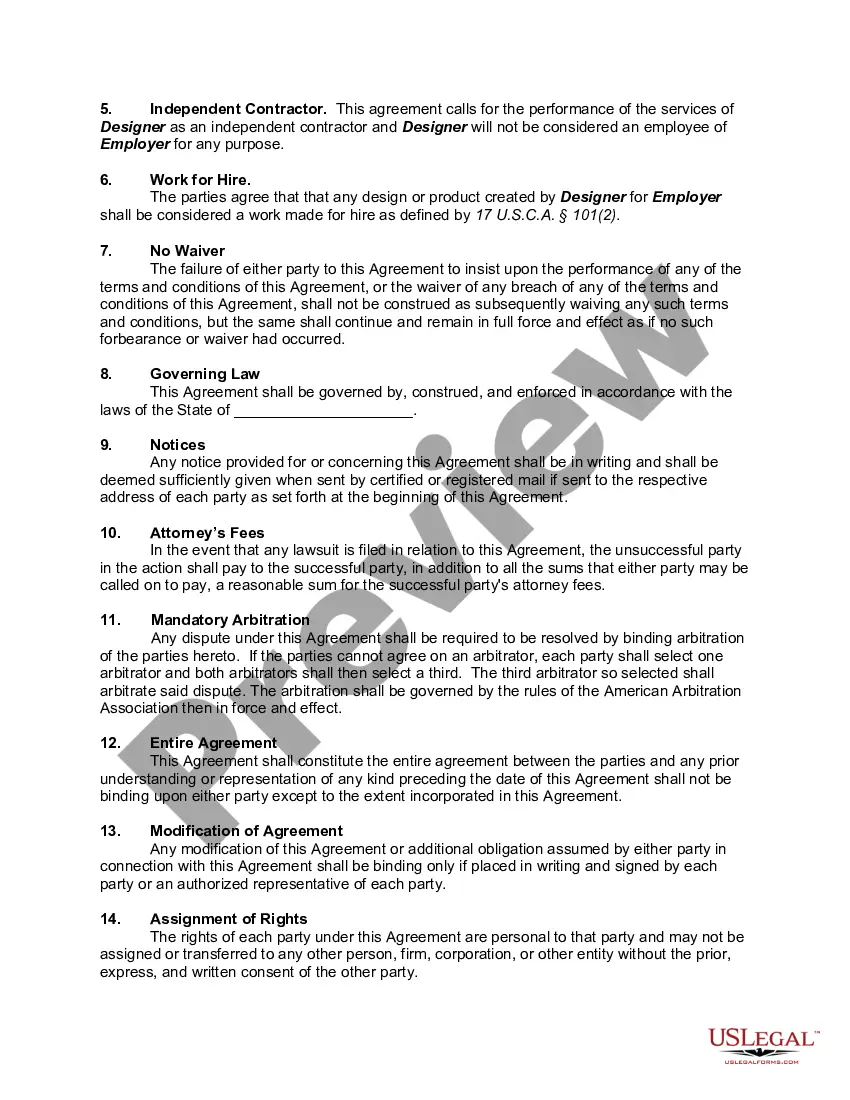
- Work for hire clause: Establishes that any work created by the Designer under this agreement is owned by the Employer.
- Governing law: Specifies the state law that governs the agreement.
When to use this form
This form is needed when an employer plans to share valuable ideas or designs with a designer for the purpose of creating marketable products. It is particularly useful in industries where innovation is key, such as technology, fashion, and product design. The nondisclosure agreement provides legal protection for both parties by establishing clear terms for confidentiality, ensuring that the ideas remain secure and proprietary throughout the collaboration process.
Who this form is for
- Employers or businesses looking to share confidential information with designers.
- Freelance designers who require a framework to protect their clients' sensitive information.
- Individuals collaborating on creative projects that involve proprietary concepts or products.
Completing this form step by step
- Identify the parties involved, including the name and address of both the Employer and the Designer.
- Enter the date on which the agreement is made.
- Describe the confidential information being disclosed.
- Specify the purpose of the disclosure clearly to avoid any ambiguity.
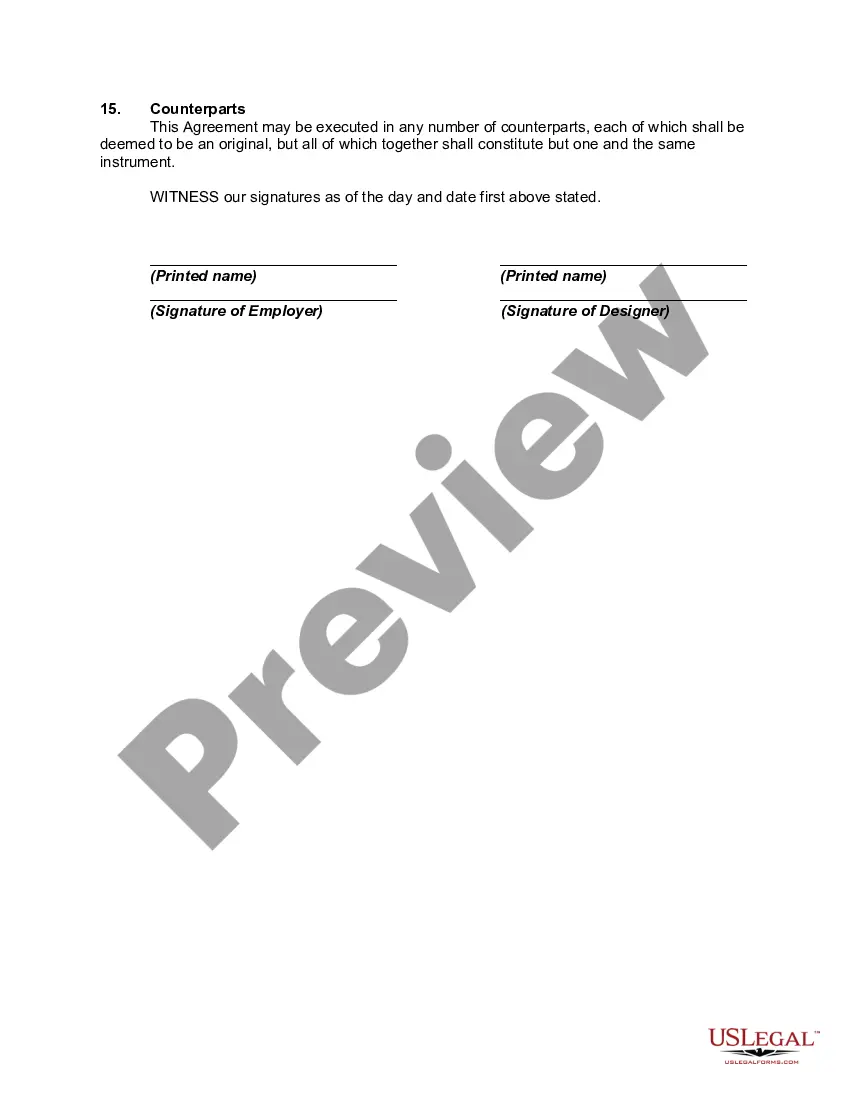
- Include signatures from both parties to validate the agreement.
Notarization guidance
This form does not typically require notarization to be legally valid. However, some jurisdictions or document types may still require it. US Legal Forms provides secure online notarization powered by Notarize, available 24/7 for added convenience.
Get your form ready online
Our built-in tools help you complete, sign, share, and store your documents in one place.
Make edits, fill in missing information, and update formatting in US Legal Forms—just like you would in MS Word.
Download a copy, print it, send it by email, or mail it via USPS—whatever works best for your next step.
Sign and collect signatures with our SignNow integration. Send to multiple recipients, set reminders, and more. Go Premium to unlock E-Sign.
If this form requires notarization, complete it online through a secure video call—no need to meet a notary in person or wait for an appointment.
We protect your documents and personal data by following strict security and privacy standards.

Make edits, fill in missing information, and update formatting in US Legal Forms—just like you would in MS Word.

Download a copy, print it, send it by email, or mail it via USPS—whatever works best for your next step.

Sign and collect signatures with our SignNow integration. Send to multiple recipients, set reminders, and more. Go Premium to unlock E-Sign.

If this form requires notarization, complete it online through a secure video call—no need to meet a notary in person or wait for an appointment.

We protect your documents and personal data by following strict security and privacy standards.
Common mistakes
- Failing to clearly define the confidential information being shared.
- Not specifying the purpose for which the information can be used.
- Omitting signatures, which can render the agreement unenforceable.
Advantages of online completion
- Convenience of completing the form anytime, anywhere.
- Easy to customize for specific needs and circumstances.
- Reliability assured by templates drafted by licensed attorneys.
Legal use & context
- This form provides legal protections for confidential information shared between parties.
- Enforceability may vary by state, depending on local laws governing nondisclosure agreements.
- Proper completion and execution are critical for the agreement's validity in potential legal disputes.
What to keep in mind
- This form protects sensitive information shared during the design process.
- Establishes clear terms to prevent misuse of confidential ideas.
- Suitable for employers and designers engaged in collaborative projects.
Looking for another form?

Form popularity
FAQ
The five essential legal tools for protecting ideas are patents, trademarks, copyrights, trade dress unfair competition laws, and trade secrets. Some of these legal tools can also be used creatively as marketing aids, and often more than one form of protection is available for a single design or innovation.
Identify each party in the first section of the form. The NDA form will start by declaring it to be an agreement and identifying who the agreement is between. Whoever is disclosing the information to be protected is the "disclosing party"; write his or her name on this space.
The Non-Disclosure Agreement (NDA) is an extremely common form of "protecting" entrepreneurs' ideas from being stolen.Unless entrepreneurs have some intellectual property to protect or code already written, an NDA is usually a sign of amateurism.
Discussing the sale or licensing of a product or technology. When employees have access to confidential and proprietary information. Presenting an offer to a potential partner or investor. Receiving services from a company that has access to sensitive information. Sharing business information with a prospective buyer.
Identify each party in the first section of the form. The NDA form will start by declaring it to be an agreement and identifying who the agreement is between. Whoever is disclosing the information to be protected is the "disclosing party"; write his or her name on this space.
Set the date of the agreement. Describe the two parties, sometimes called the Disclosing Party and the Receiving Party.7feff Include names and identification, so there can be no misunderstanding about who signed the agreement.
An NDA creates a confidential relationship between the parties, typically to protect any type of confidential and proprietary information or trade secrets. As such, an NDA protects non-public business information. Like all contracts, they cannot be enforced if the contracted activities are illegal.
Nondisclosure Agreements (NDAs) Protect Your Intellectual Property.
Identification of the parties. Definition of what is deemed to be confidential. The scope of the confidentiality obligation by the receiving party. The exclusions from confidential treatment. The term of the agreement.