Law Book For Georgia In Minnesota
Description
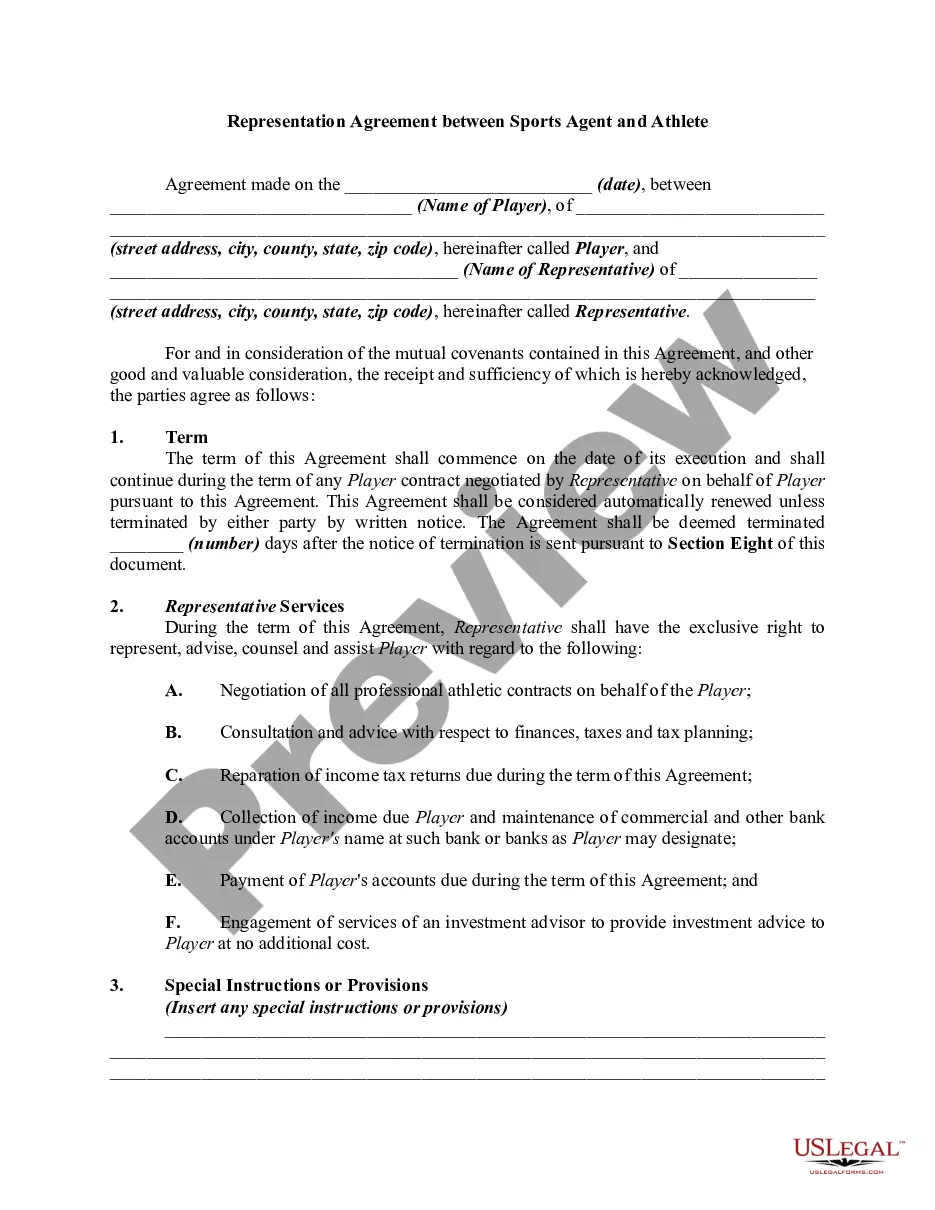
Get your form ready online
Our built-in tools help you complete, sign, share, and store your documents in one place.
Make edits, fill in missing information, and update formatting in US Legal Forms—just like you would in MS Word.
Download a copy, print it, send it by email, or mail it via USPS—whatever works best for your next step.
Sign and collect signatures with our SignNow integration. Send to multiple recipients, set reminders, and more. Go Premium to unlock E-Sign.
If this form requires notarization, complete it online through a secure video call—no need to meet a notary in person or wait for an appointment.
We protect your documents and personal data by following strict security and privacy standards.

Make edits, fill in missing information, and update formatting in US Legal Forms—just like you would in MS Word.

Download a copy, print it, send it by email, or mail it via USPS—whatever works best for your next step.

Sign and collect signatures with our SignNow integration. Send to multiple recipients, set reminders, and more. Go Premium to unlock E-Sign.

If this form requires notarization, complete it online through a secure video call—no need to meet a notary in person or wait for an appointment.

We protect your documents and personal data by following strict security and privacy standards.
Looking for another form?
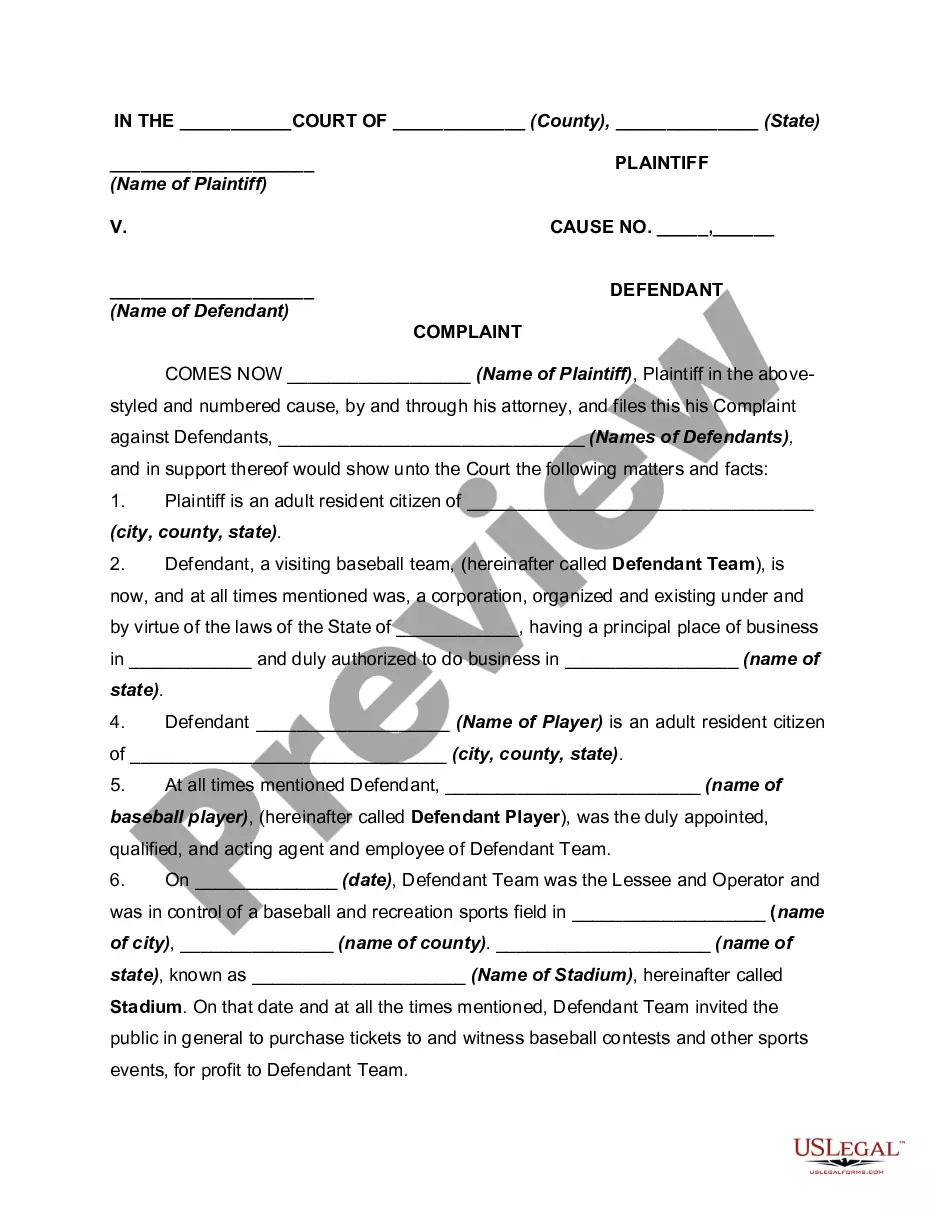
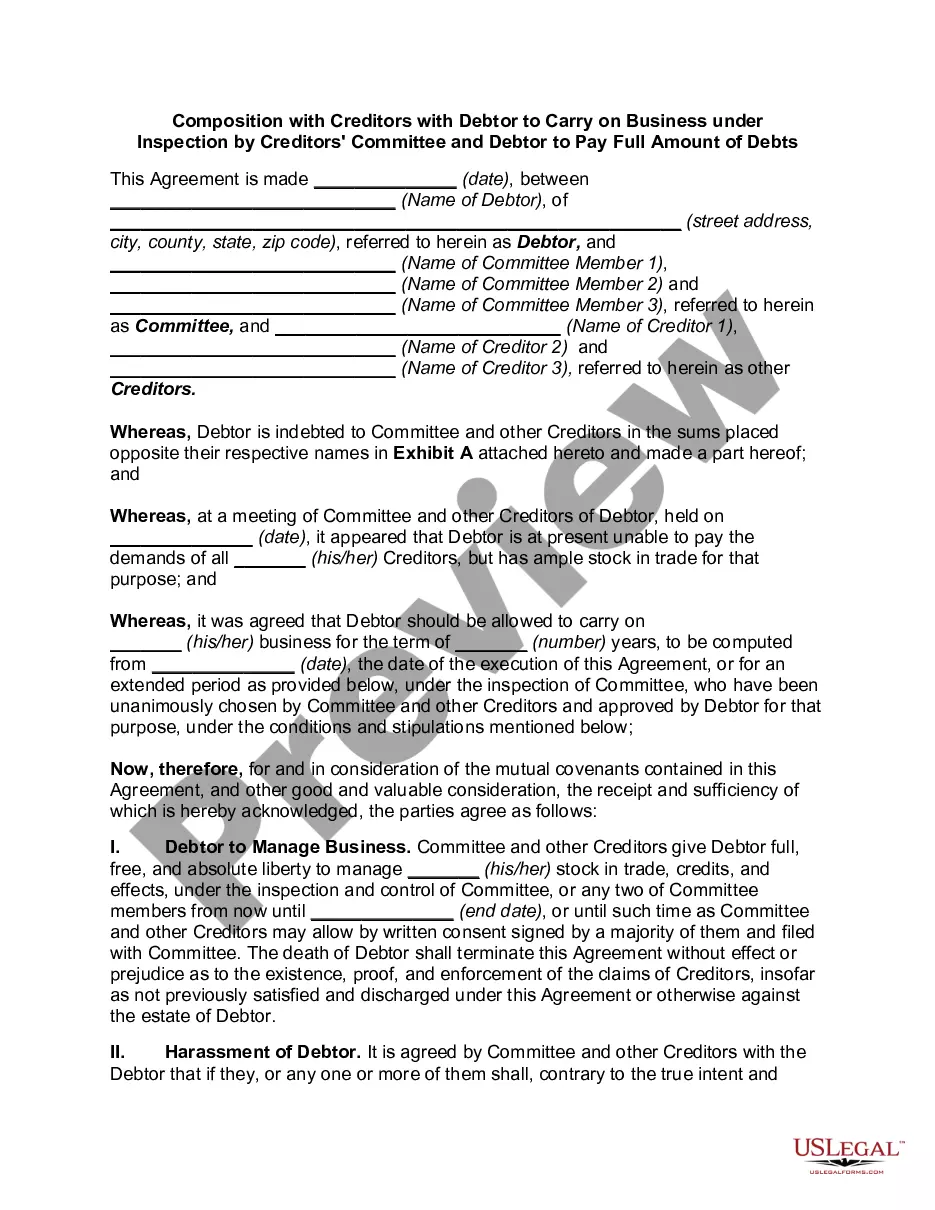
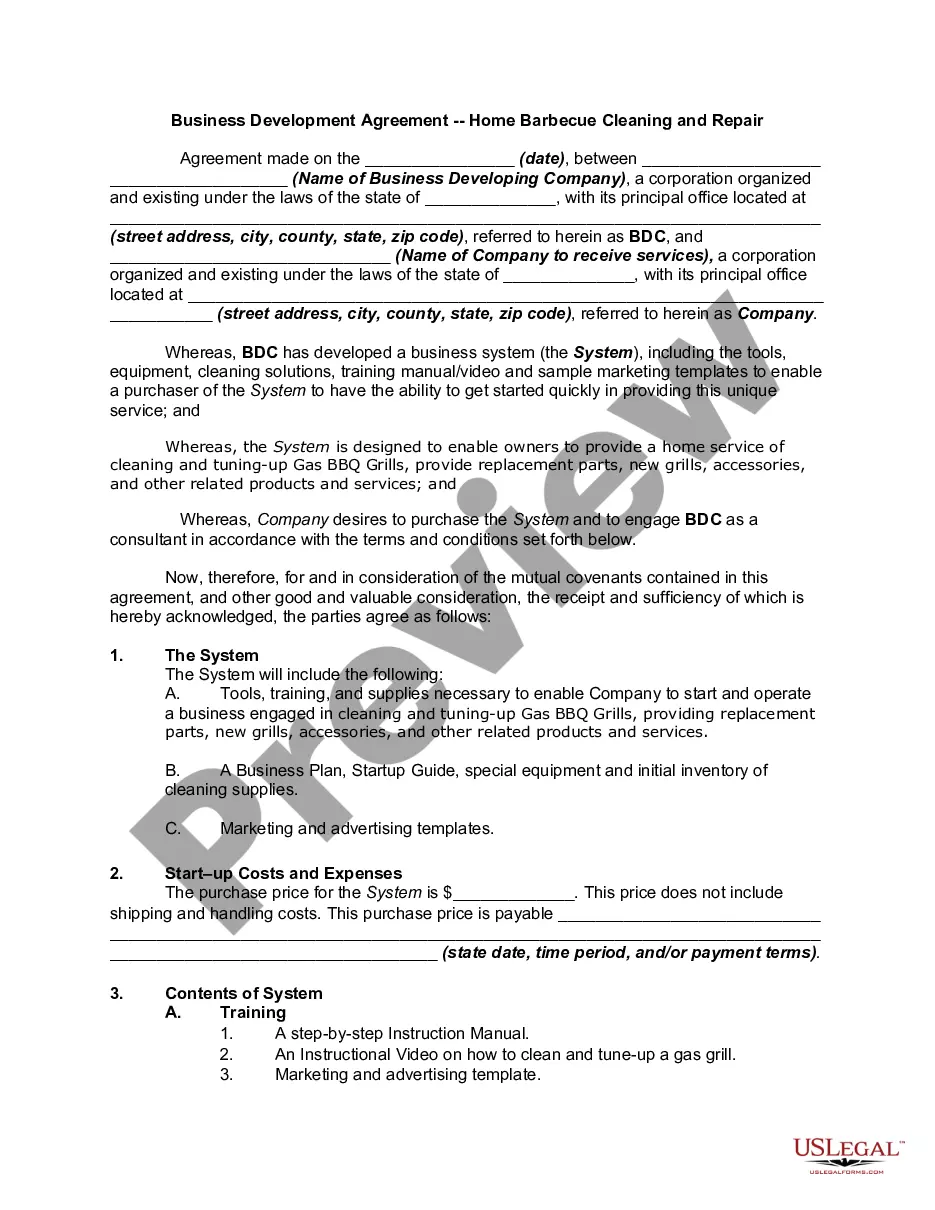


Form popularity
FAQ
Georgia has a civil law system, with important sources of law including the constitution and codes. All laws are published in Sakanonmdeblo matsne, which is the official gazette. Updated legislation and codes are not usually available in English.
Laws governing entities regulated by the Department are primarily found in Title 7 of the Official Code of Georgia Annotated ("Code"). Access to the entire Code is provided by LexisNexis from the Georgia General Assembly's website. Go to Code.
Georgia state laws include the Georgia Constitution, laws passed by the Georgia legislature and periodically codified in the Georgia Code, and decisions by courts that interpret Georgia laws.
So, for example, say a bill originates in the Georgia House of Representatives. After it passes committee, is presented to the House, and passes the House, it is then sent to the Georgia State Senate on Crossover Day. There, the senators discuss the bill and add their own amendments. Then the Senate takes a vote.
The first type of law is general law. Under Article III, Section VI, Paragraph IV(a), a general law has uniform operation across the state and affects matters on a state-wide basis. These laws are compiled in the Official Code of Georgia Annotated (O.C.G.A). The second type of law is a local law.
Georgia is not a common-law state in the sense that a common-law marriage can no longer be created in this state. Since January 1, 1997, no one can create or form a common law marriage in Georgia. Any such marriages created in Georgia before January 1, 1997, will be recognized as common-law marriages.
Statutes in the codes are organized by title, chapter, and section. The title represents the major subject area, the chapter a subtopic, and the section represents the actual text of the law. For example, O.C.G.A. § 9-4-6 (year) refers to title 9, chapter 4, section 6 of the Official Code of Georgia Annotated.
10 Outdated Laws That You Might Have Broken In Arkansas, it's illegal to mispronounce the state's name. In Connecticut, a pickle cannot be sold unless it bounces. In Indiana, black cats are required to wear bells around their necks on Friday the 13th. In Maryland, it's illegal to swear while driving.
(a) The liability of an issuer, nominated person, or adviser for any action or omission is governed by the law of the jurisdiction chosen by an agreement in the form of a record signed by the affected parties or by a provision in the person's letter of credit, confirmation, or other undertaking.
Laws governing entities regulated by the Department are primarily found in Title 7 of the Official Code of Georgia Annotated ("Code"). Access to the entire Code is provided by LexisNexis from the Georgia General Assembly's website. Go to Code.
