Handbook For Law In Michigan
Description
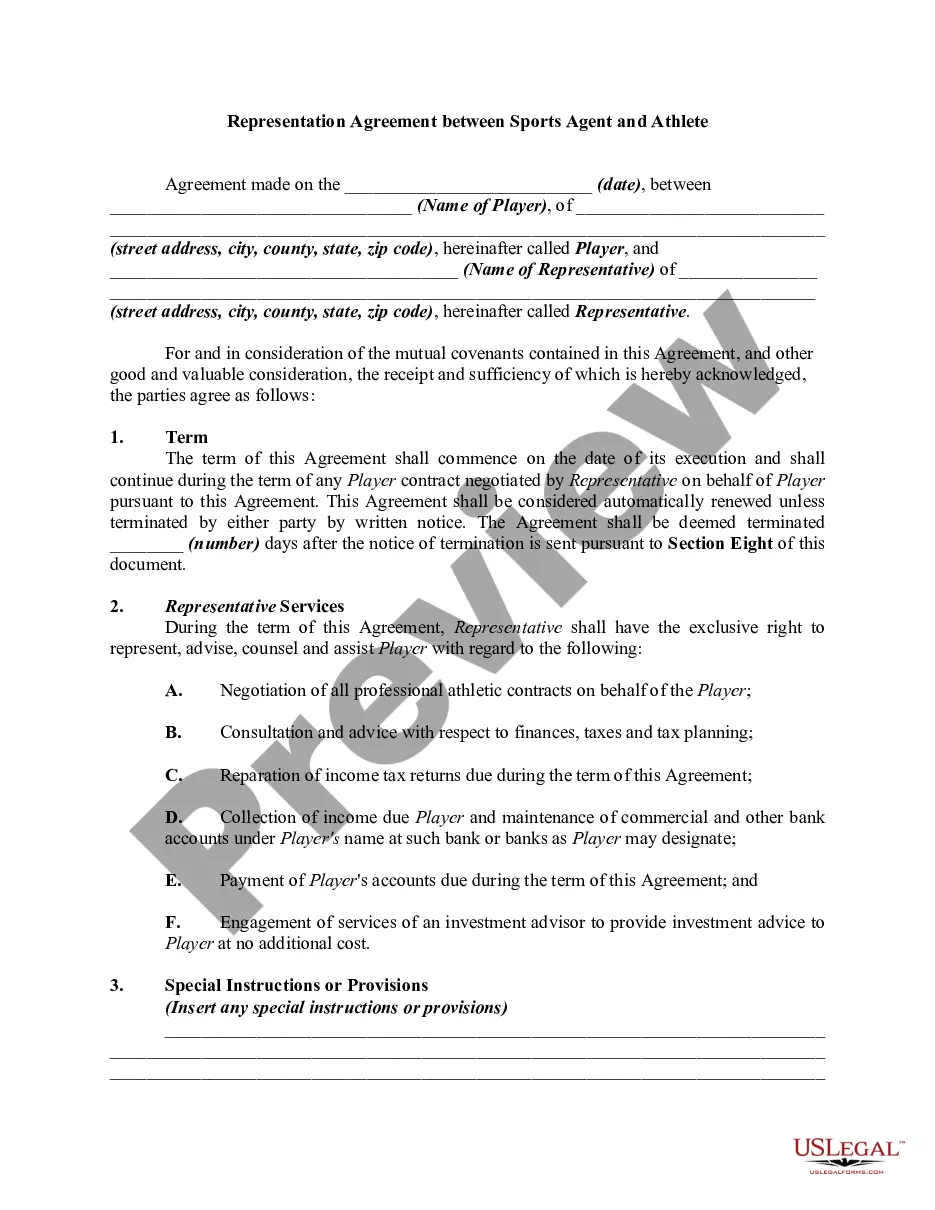
Get your form ready online
Our built-in tools help you complete, sign, share, and store your documents in one place.
Make edits, fill in missing information, and update formatting in US Legal Forms—just like you would in MS Word.
Download a copy, print it, send it by email, or mail it via USPS—whatever works best for your next step.
Sign and collect signatures with our SignNow integration. Send to multiple recipients, set reminders, and more. Go Premium to unlock E-Sign.
If this form requires notarization, complete it online through a secure video call—no need to meet a notary in person or wait for an appointment.
We protect your documents and personal data by following strict security and privacy standards.

Make edits, fill in missing information, and update formatting in US Legal Forms—just like you would in MS Word.

Download a copy, print it, send it by email, or mail it via USPS—whatever works best for your next step.

Sign and collect signatures with our SignNow integration. Send to multiple recipients, set reminders, and more. Go Premium to unlock E-Sign.

If this form requires notarization, complete it online through a secure video call—no need to meet a notary in person or wait for an appointment.

We protect your documents and personal data by following strict security and privacy standards.
Looking for another form?









Form popularity
FAQ
Before you can practice law, you will need to choose a state that will allow you to take the bar exam without completing law school. Currently, Washington, Vermont, California and Virginia are the only four states that allow this process.
The Michigan Board of Law Examiners requires that you complete a minimum of two years of undergraduate school (60 semester hours or 90 quarter hours) before you apply to law school.
All UBE score transfer and bar exam applicants (starting with February 2023) must complete the Michigan Law Basics online training. Applicants for admission by examination may not complete the training until the completion of law school.
Steps to become a Lawyer/Attorney in Michigan Get my Michigan Undergraduate Pre-Law Education. Take the LSAT (Law School Admission Test) Find Law Schools in Michigan. Take the Michigan State Bar Exam and become an Attorney. Now that You've Been Admitted to the Bar.
About Michigan Laws In print, there are three commercially available versions of the Michigan Compiled Laws. MCLA (Michigan Compiled Laws Annotated) published by Westlaw, MSA (Michigan Statutes Annotated) published by Lexis, and MCL (Michigan Compiled Laws) published by the State of Michigan.
California is one of the few states that allows aspiring lawyers to take the bar exam without going to law school. They can do this by instead completing a four-year law office study program to become a legal professional. However, this path is not an easy alternative to skipping law school that many may think it is.
An applicant need not have graduated from law school in order to take the MPRE and the MPRE may be taken an unlimited number of times. An applicant for admission must obtain a satisfactory score on the Michigan bar examination, or be eligible for admission without examination.
The Legislature consists of an upper house (Senate) and a lower house (House of Representatives). Bills must be passed by both the House and the Senate to become law. Once a bill is adopted by the Legislature and signed into law by the Governor of Michigan, it is first published as a slip law.
Here's a list of some general words and phrases that you may hear while in court or just simply talking with your lawyer: Tort: A wrongful act that does not always require a lawsuit. Grounds. Cause of Action. Litigation. Statute of Limitations. Plaintiff. Defendant. Damages:
Steps Check if the court has blank motion forms. Some courts have "check the boxes" or "fill in the blank" motion forms. Create your caption. Title your motion. Draft the introductory paragraph to the body of the motion. Request relief. Lay out the applicable facts. Make your legal argument. Insert a signature block.
