Law Handbook With Exercises 3rd Edition In Cook
Description
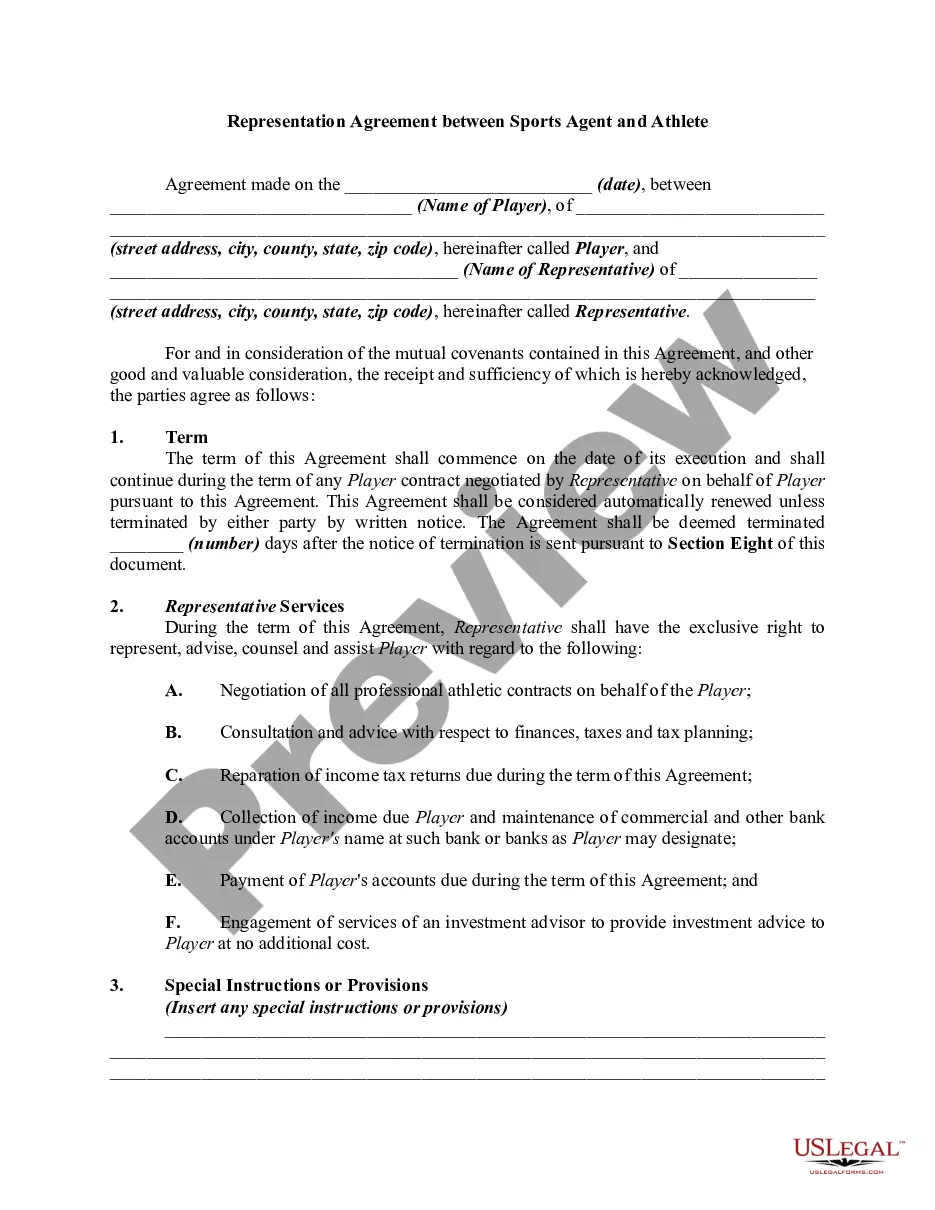
Get your form ready online
Our built-in tools help you complete, sign, share, and store your documents in one place.
Make edits, fill in missing information, and update formatting in US Legal Forms—just like you would in MS Word.
Download a copy, print it, send it by email, or mail it via USPS—whatever works best for your next step.
Sign and collect signatures with our SignNow integration. Send to multiple recipients, set reminders, and more. Go Premium to unlock E-Sign.
If this form requires notarization, complete it online through a secure video call—no need to meet a notary in person or wait for an appointment.
We protect your documents and personal data by following strict security and privacy standards.

Make edits, fill in missing information, and update formatting in US Legal Forms—just like you would in MS Word.

Download a copy, print it, send it by email, or mail it via USPS—whatever works best for your next step.

Sign and collect signatures with our SignNow integration. Send to multiple recipients, set reminders, and more. Go Premium to unlock E-Sign.

If this form requires notarization, complete it online through a secure video call—no need to meet a notary in person or wait for an appointment.

We protect your documents and personal data by following strict security and privacy standards.
Looking for another form?









Form popularity
FAQ
Aleister Crowley, Rose Edith Crowley Allegedly dictated to Crowley in Cairo, Egypt between noon and 1 pm on three successive days in April 1904, the Book of the Law is the source book and key for Crowley's philosophy and/or religion, Thelema.
The Book of the Law is considered the cornerstone of Thelemic practice, influencing subsequent Thelemic texts and rituals. Its precepts form the basis for Thelemic ethical and spiritual guidance.
The Book of the Law is considered the cornerstone of Thelemic practice, influencing subsequent Thelemic texts and rituals. Its precepts form the basis for Thelemic ethical and spiritual guidance.
The Lord also commands Joshua to obey the book of the law of Moses (-8). The phrase “book of the law” refers to Deuteronomy, or at least some part of Deuteronomy (see Deuteronomy -13, 24-26).
What is plain language? Plain language is clear, direct writing that can be understood by all. Courts have a duty to communicate clearly and effectively with court users. Simplicity, clarity, and transparency are essential to promoting public trust and confidence in the judiciary.