Law Book For Tax In Clark
Description
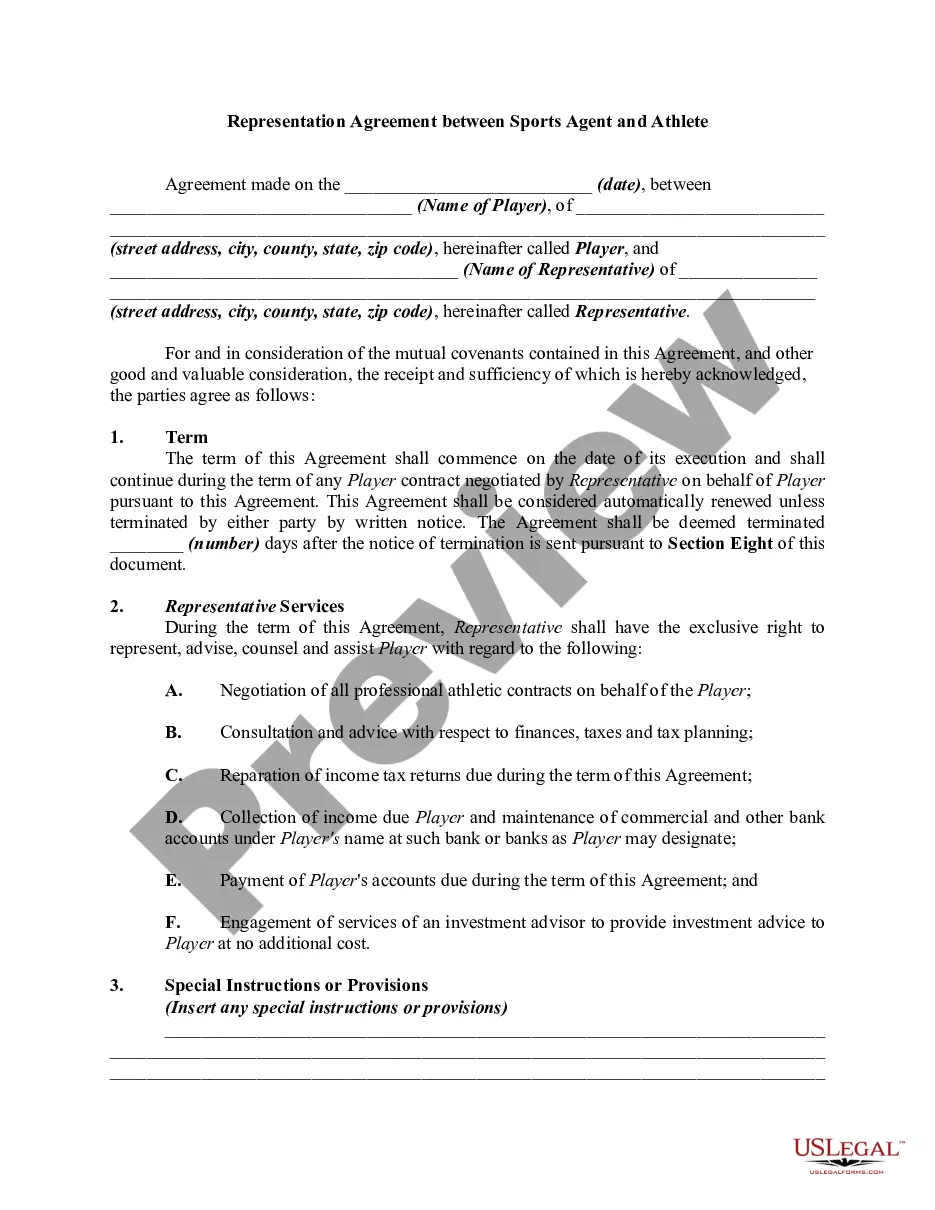
Get your form ready online
Our built-in tools help you complete, sign, share, and store your documents in one place.
Make edits, fill in missing information, and update formatting in US Legal Forms—just like you would in MS Word.
Download a copy, print it, send it by email, or mail it via USPS—whatever works best for your next step.
Sign and collect signatures with our SignNow integration. Send to multiple recipients, set reminders, and more. Go Premium to unlock E-Sign.
If this form requires notarization, complete it online through a secure video call—no need to meet a notary in person or wait for an appointment.
We protect your documents and personal data by following strict security and privacy standards.

Make edits, fill in missing information, and update formatting in US Legal Forms—just like you would in MS Word.

Download a copy, print it, send it by email, or mail it via USPS—whatever works best for your next step.

Sign and collect signatures with our SignNow integration. Send to multiple recipients, set reminders, and more. Go Premium to unlock E-Sign.

If this form requires notarization, complete it online through a secure video call—no need to meet a notary in person or wait for an appointment.

We protect your documents and personal data by following strict security and privacy standards.
Looking for another form?









Form popularity
FAQ
Three years. Two degrees. A program designed to make you practice-ready in tax immediately upon graduation.
What is the best major for tax law? Majoring in accounting, finance, pre-law, or a related field provides a strong foundation for law school and careers as a tax lawyer. Studying compliance, public accounting, and taxation can also lead to careers in tax law that do not require a law degree.
In most states, tax attorneys need a JD from a law school with accreditation from the American Bar Association (ABA). During your three-year law degree, you study contract law, civil procedure, and criminal law. You also take advanced tax law courses like income tax, tax policy, and white-collar crime.
Two sources are the Internal Revenue Code (IRC) and IRS publications. You can also call the IRS, consult publications for tax professionals or those written for consumers, hire a tax professional, or get volunteer tax assistance through VITA.
Congress typically enacts Federal tax law in the Internal Revenue Code of 1986 (IRC). The sections of the IRC can be found in Title 26 of the United States Code (26 USC). An electronic version of the current United States Code is made available to the public by Congress.
The Treasurer's office mails out real property tax bills ONLY ONE TIME each fiscal year. If you do not receive your tax bill by August 1st each year, please use the automated telephone system to request a copy.
The best course for a tax lawyer is an LLM with a focus on taxation law. This advanced degree provides in-depth knowledge of tax legislation, compliance, and dispute resolution.
Yes, becoming a tax lawyer will be challenging. One of the hardest parts will be getting into a good law school, as law schools are competitive and typically only accept a small fraction of applicants. Another challenging step will be to pass the two-day bar exam.
Treasury (tax) regulations An electronic version of the current Code of Federal Regulations is made available to the public by the National Archives and Records Administration (NARA) and the GPO. Browse "Title 26 :: Internal Revenue" to see the table of contents for the current Treasury Regulations.
