Requesting Discovery Form For Divorce In Washington
Description
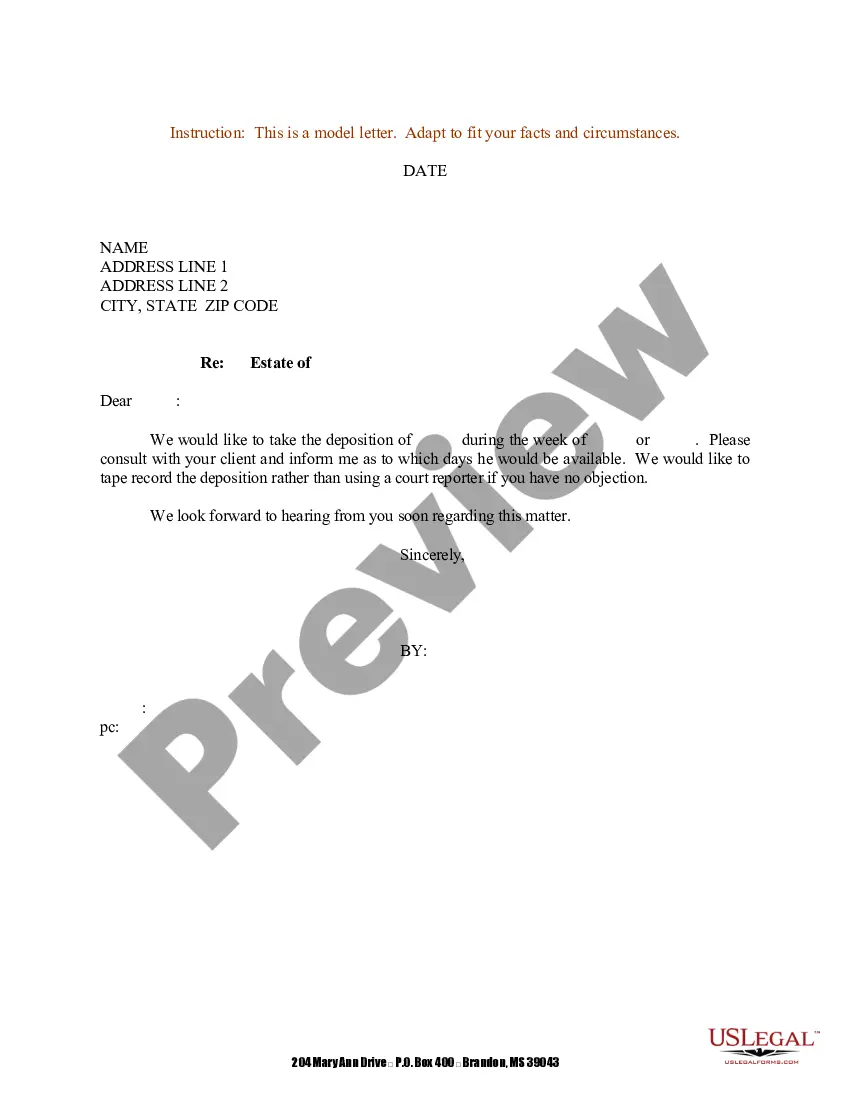
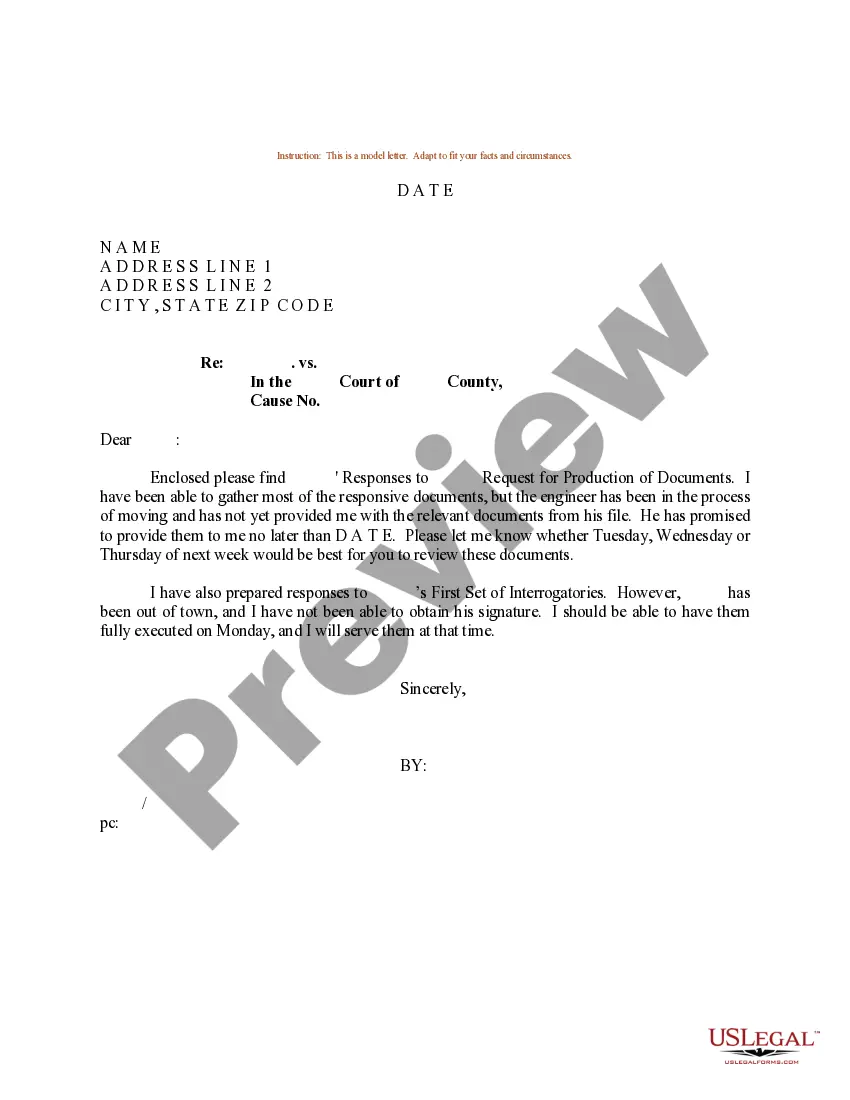
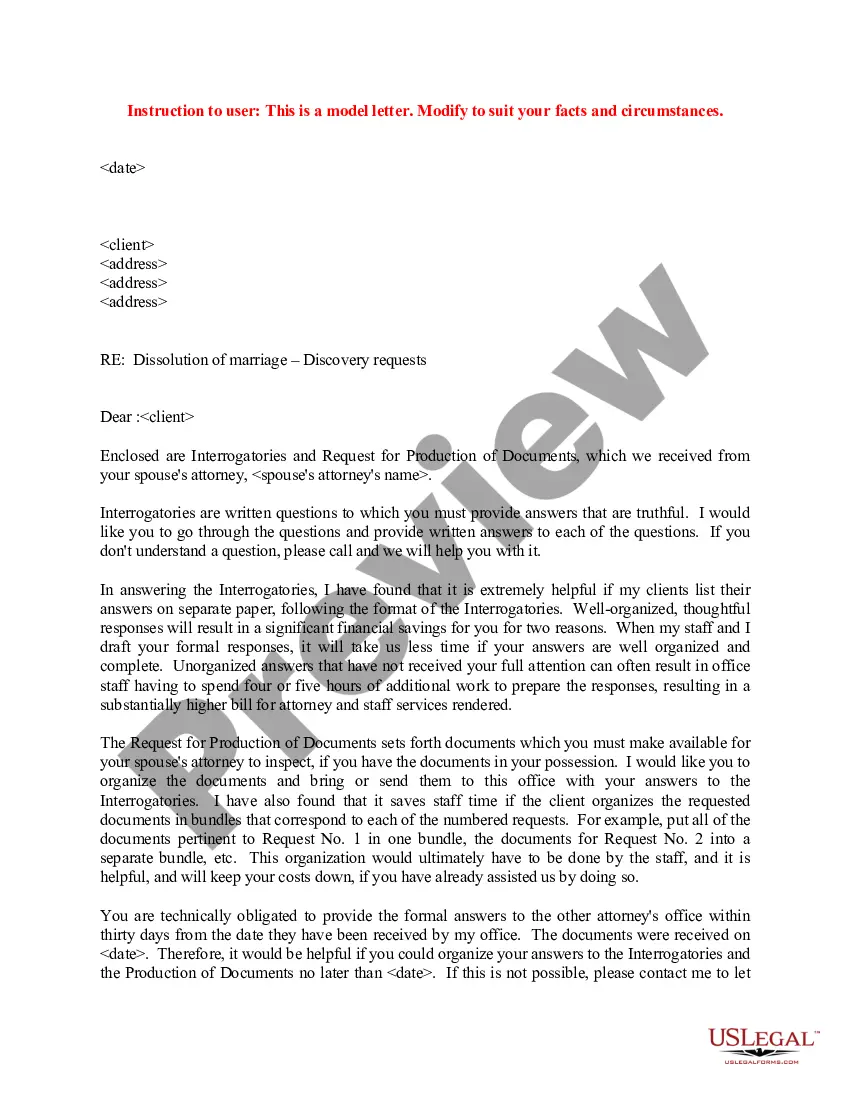
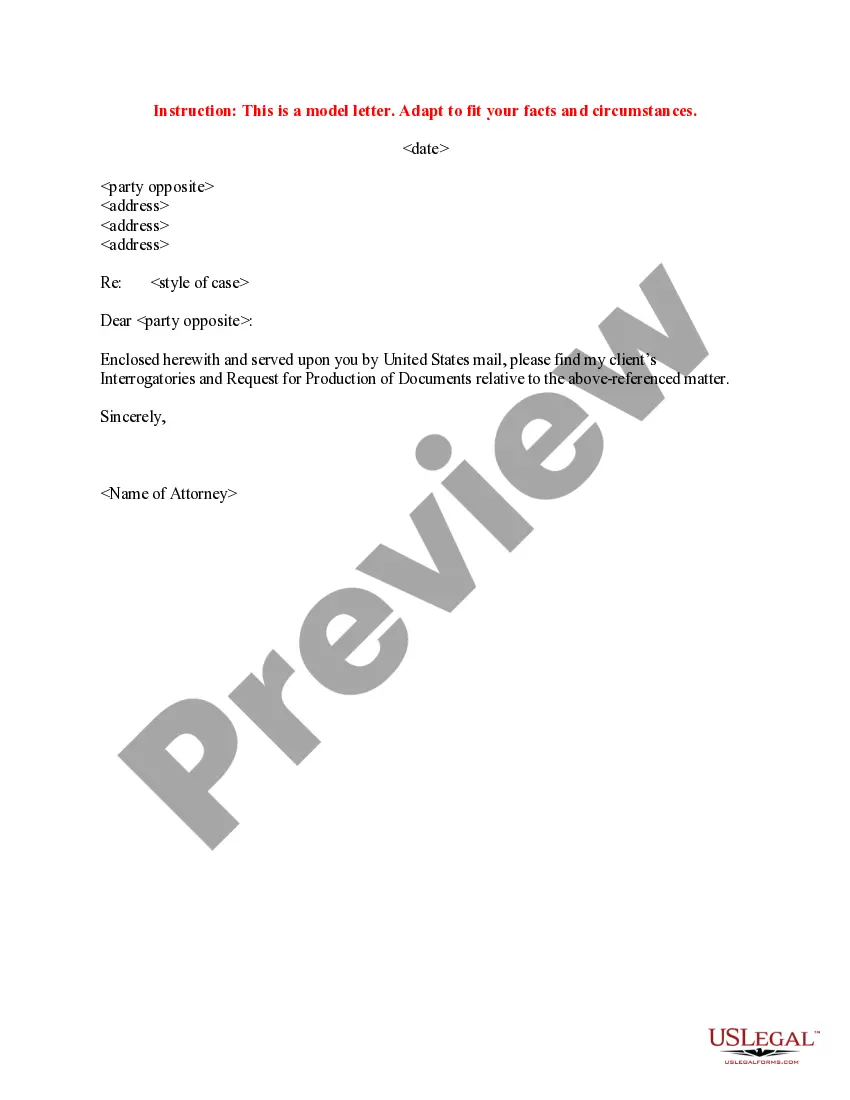
Get your form ready online
Our built-in tools help you complete, sign, share, and store your documents in one place.
Make edits, fill in missing information, and update formatting in US Legal Forms—just like you would in MS Word.
Download a copy, print it, send it by email, or mail it via USPS—whatever works best for your next step.
Sign and collect signatures with our SignNow integration. Send to multiple recipients, set reminders, and more. Go Premium to unlock E-Sign.
If this form requires notarization, complete it online through a secure video call—no need to meet a notary in person or wait for an appointment.
We protect your documents and personal data by following strict security and privacy standards.

Make edits, fill in missing information, and update formatting in US Legal Forms—just like you would in MS Word.

Download a copy, print it, send it by email, or mail it via USPS—whatever works best for your next step.

Sign and collect signatures with our SignNow integration. Send to multiple recipients, set reminders, and more. Go Premium to unlock E-Sign.

If this form requires notarization, complete it online through a secure video call—no need to meet a notary in person or wait for an appointment.

We protect your documents and personal data by following strict security and privacy standards.
Looking for another form?







Form popularity
FAQ
Examples of Real Divorce Discovery Questions What is your current income? What is your employment history for the past 10 years? What are your current expenses? Do you have any outstanding debts? What is the value of your retirement accounts? Do you have any other sources of income?
Discovery ends 30 days before trial (the cutoff date). That means, at the very latest anything you ask for must be due 30 days before your trial. At the latest, you need to serve your requests 60 days before your trial date (65 if you serve by mail).
Unless agreed by the parties and with the permission of the court, all discovery shall be completed within 60 days of the demand, or 90 days of service of the summons and complaint, or counterclaim, or cross complaint, whichever is longer. This revision is advisable for several reasons.
Unless agreed by the parties and with the permission of the court, all discovery shall be completed within 60 days of the demand, or 90 days of service of the summons and complaint, or counterclaim, or cross complaint, whichever is longer.
The discovery rule allows plaintiffs to extend the statute of limitations on the basis that they had not reasonably discovered that they had a claim in time to meet the deadline.
(a) Except as otherwise provided in this chapter, any party shall be entitled as a matter of right to complete discovery proceedings on or before the 30th day, and to have motions concerning discovery heard on or before the 15th day, before the date initially set for the trial of the action.
Read each question (interrogatory) very carefully. Answer only the question that is asked, and avoid the temptation to over-explain your answer. If the question contains several parts, you may break your answer into parts as well. It is also possible that you might object to the question.
Examples of Real Divorce Discovery Questions What is your current income? What is your employment history for the past 10 years? What are your current expenses? Do you have any outstanding debts? What is the value of your retirement accounts? Do you have any other sources of income?
Only answer the actual question being asked of you. Type your responses, please do not handwrite your responses. Be truthful. This is not a time to hide the truth or not answer accurately.

