Requesting Discovery Form For Chronic Medication In Washington
Description
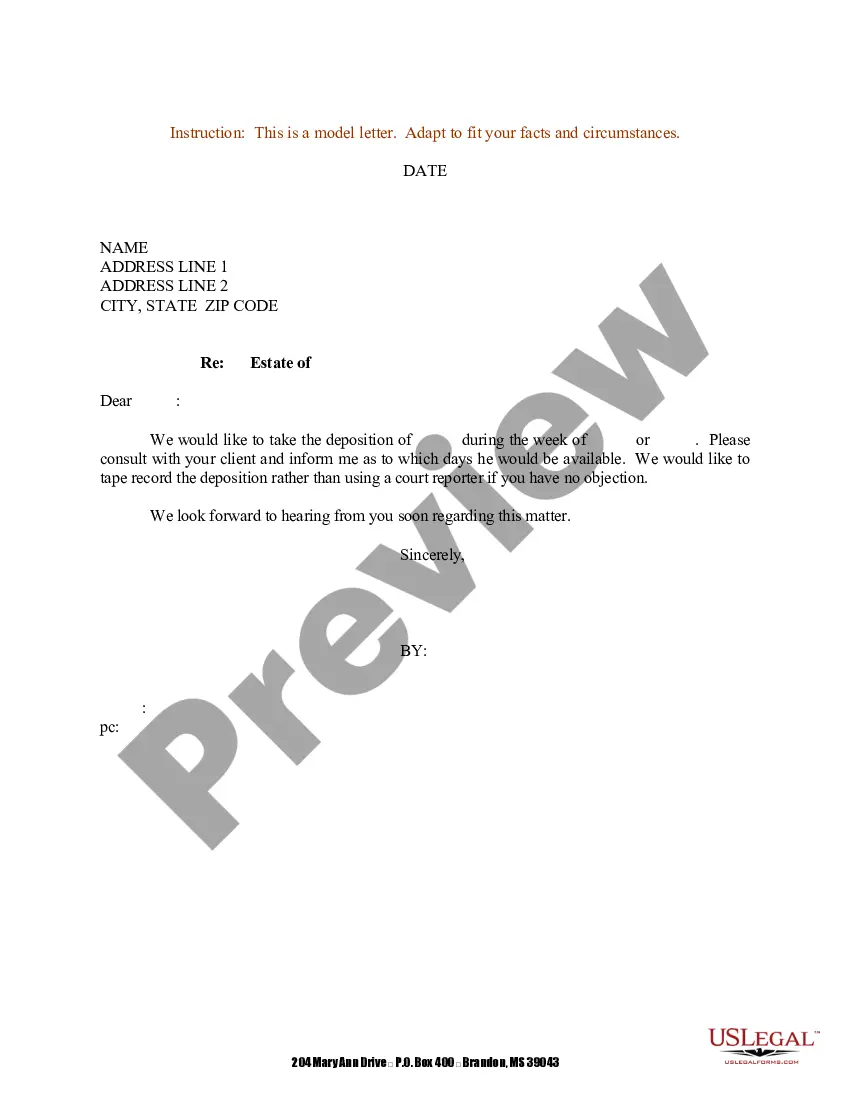
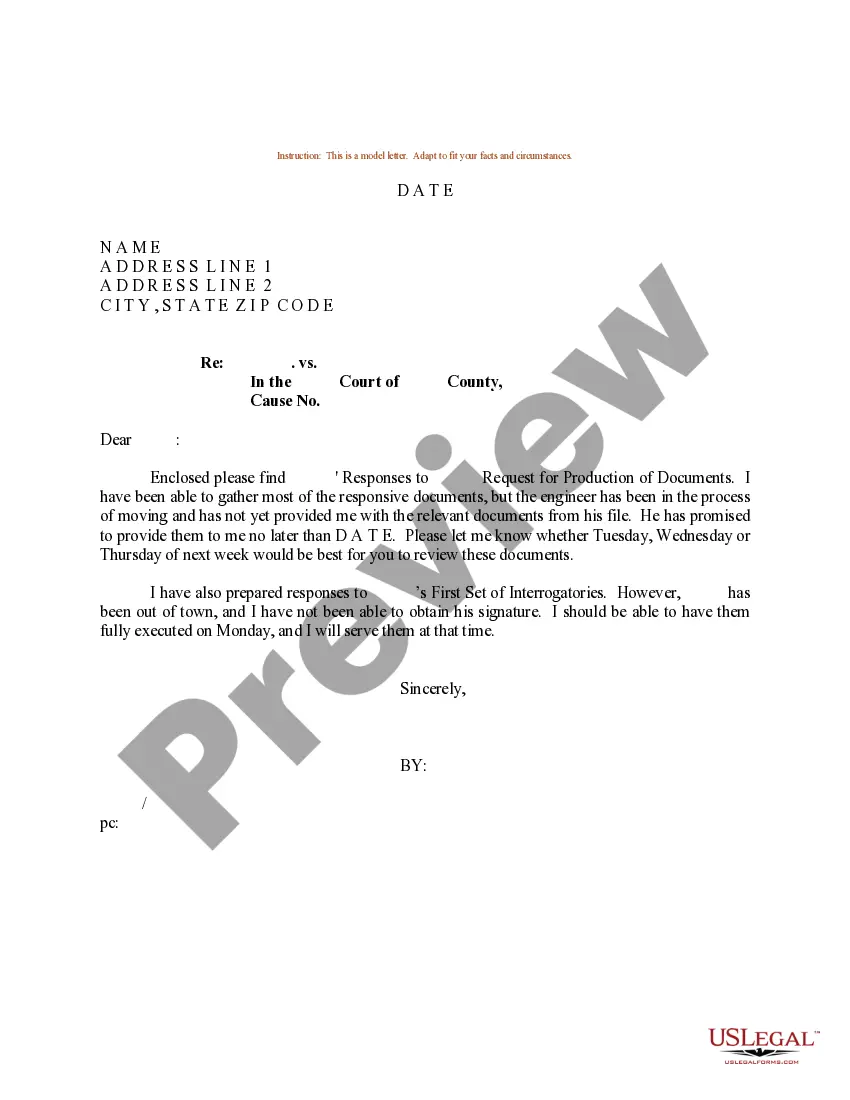
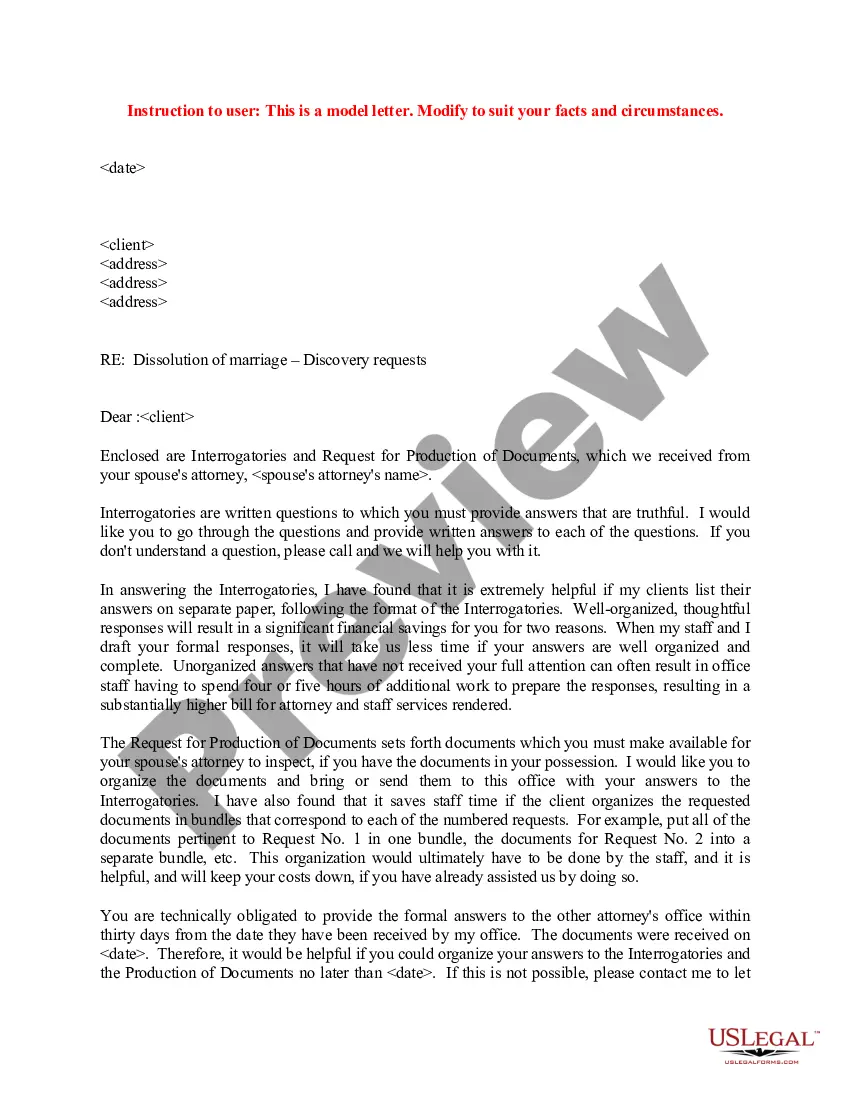
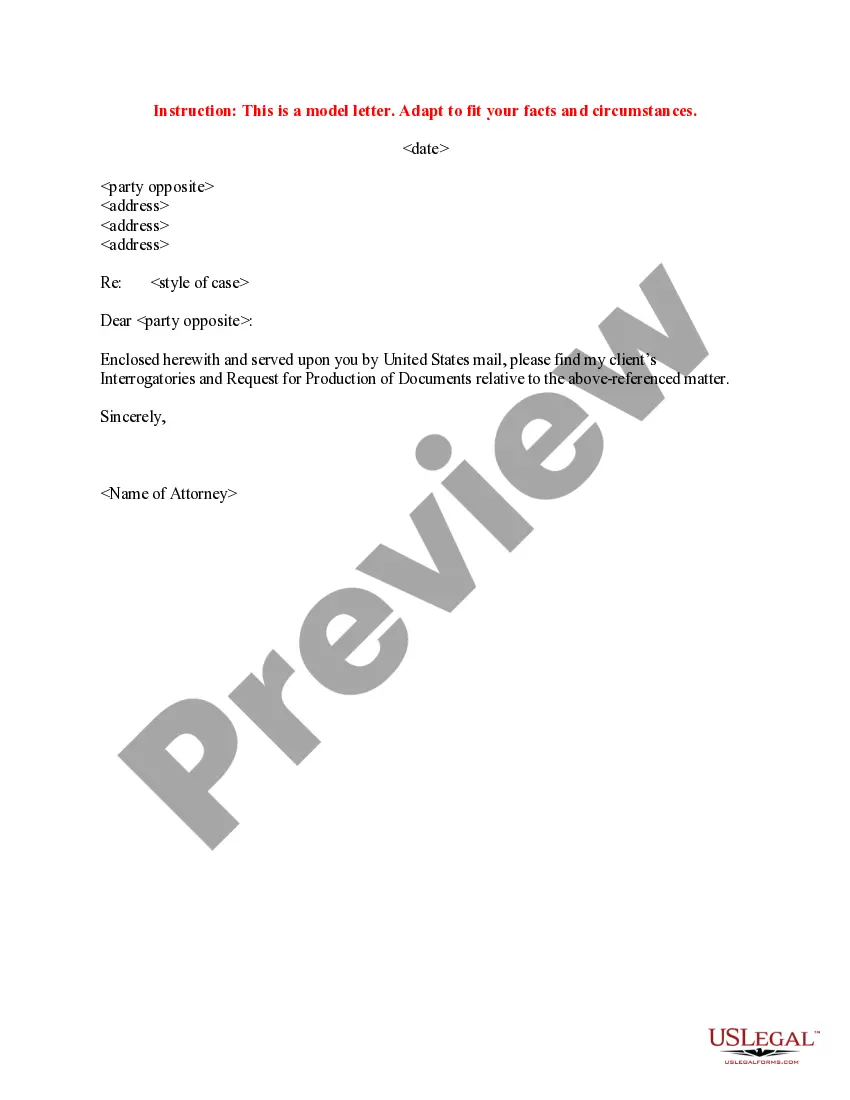
Get your form ready online
Our built-in tools help you complete, sign, share, and store your documents in one place.
Make edits, fill in missing information, and update formatting in US Legal Forms—just like you would in MS Word.
Download a copy, print it, send it by email, or mail it via USPS—whatever works best for your next step.
Sign and collect signatures with our SignNow integration. Send to multiple recipients, set reminders, and more. Go Premium to unlock E-Sign.
If this form requires notarization, complete it online through a secure video call—no need to meet a notary in person or wait for an appointment.
We protect your documents and personal data by following strict security and privacy standards.

Make edits, fill in missing information, and update formatting in US Legal Forms—just like you would in MS Word.

Download a copy, print it, send it by email, or mail it via USPS—whatever works best for your next step.

Sign and collect signatures with our SignNow integration. Send to multiple recipients, set reminders, and more. Go Premium to unlock E-Sign.

If this form requires notarization, complete it online through a secure video call—no need to meet a notary in person or wait for an appointment.

We protect your documents and personal data by following strict security and privacy standards.
Looking for another form?







Form popularity
FAQ
Unless agreed by the parties and with the permission of the court, all discovery shall be completed within 60 days of the demand, or 90 days of service of the summons and complaint, or counterclaim, or cross complaint, whichever is longer.
(C) A party may discover facts known or opinions held by an expert who is not expected to be called as a witness at trial, only as provided in rule 35(b) or upon a showing of exceptional circumstances under which it is impracticable for the party seeking discovery to obtain facts or opinions on the same subject by ...
Unless agreed by the parties and with the permission of the court, all discovery shall be completed within 60 days of the demand, or 90 days of service of the summons and complaint, or counterclaim, or cross complaint, whichever is longer. This revision is advisable for several reasons.
The California discovery rule stops the clock on the statute of limitations until the plaintiff either finds out about the cause of action or has a good reason to do so. This rule comes into play when the plaintiff didn't realize, and a reasonable person wouldn't have realized, that they were harmed.
What is the Discovery Rule? The discovery rule allows plaintiffs to extend the statute of limitations on the basis that they had not reasonably discovered that they had a claim in time to meet the deadline.
When is a medical record request form used? Medical records request forms can be used by many parties for a variety of reasons, such as taking a second opinion from another healthcare professional. In this case, the records are either requested by the patient or the healthcare provider that they have approached.
By law, a patient's records are defined as records relating to the health history, diagnosis, or condition of a patient, or relating to treatment provided or proposed to be provided to the patient. Physicians must provide patients with copies within 15 days of receipt of the request.
How you make your request will depend on your provider's processes. You may be able to request your record through your provider's patient portal. You may have to fill out a form — called a health or medical record release form, or request for access—send an email, or mail or fax a letter to your provider.
Medical records request form is a document that is used to request for the medical records of a patient from a healthcare provider. This form includes the details of the specific medical records that are being requested along with the personal details of the patient such as their name and date of birth.
The discovery rule allows plaintiffs to extend the statute of limitations on the basis that they had not reasonably discovered that they had a claim in time to meet the deadline.

