Requesting Discovery Form Without A Lawyer In Utah
Description
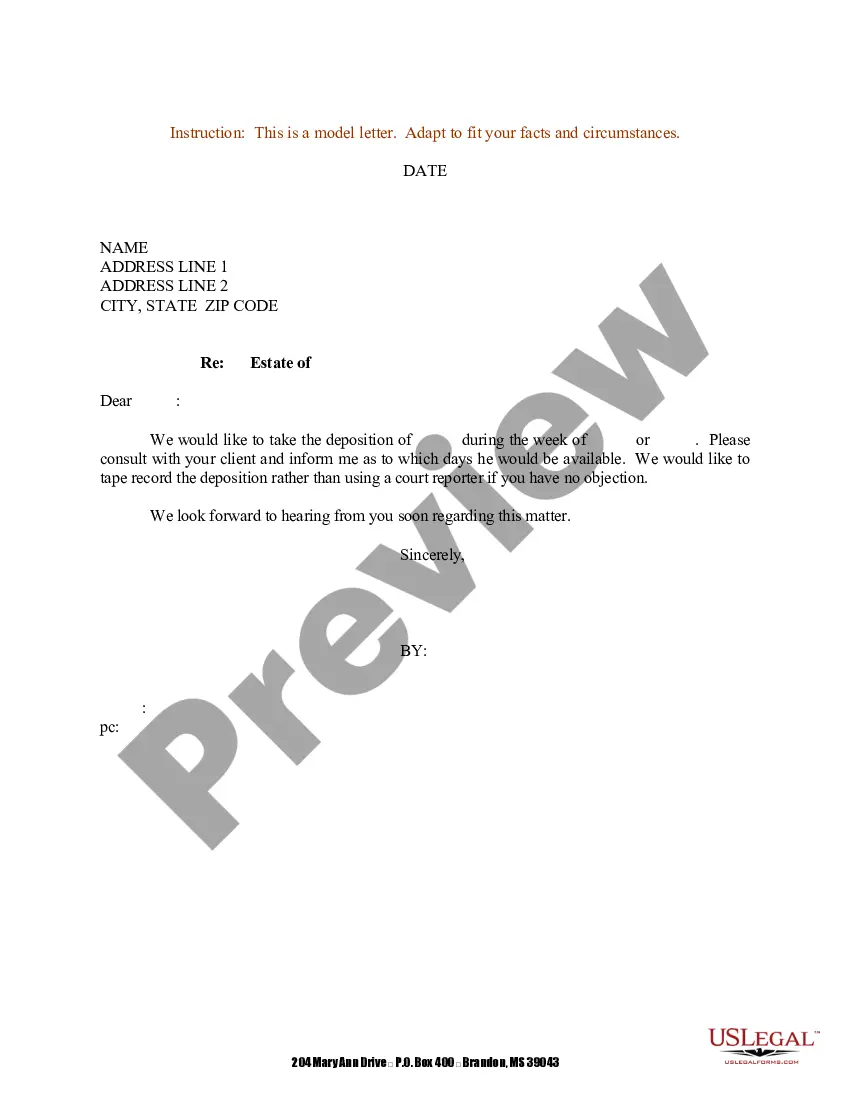
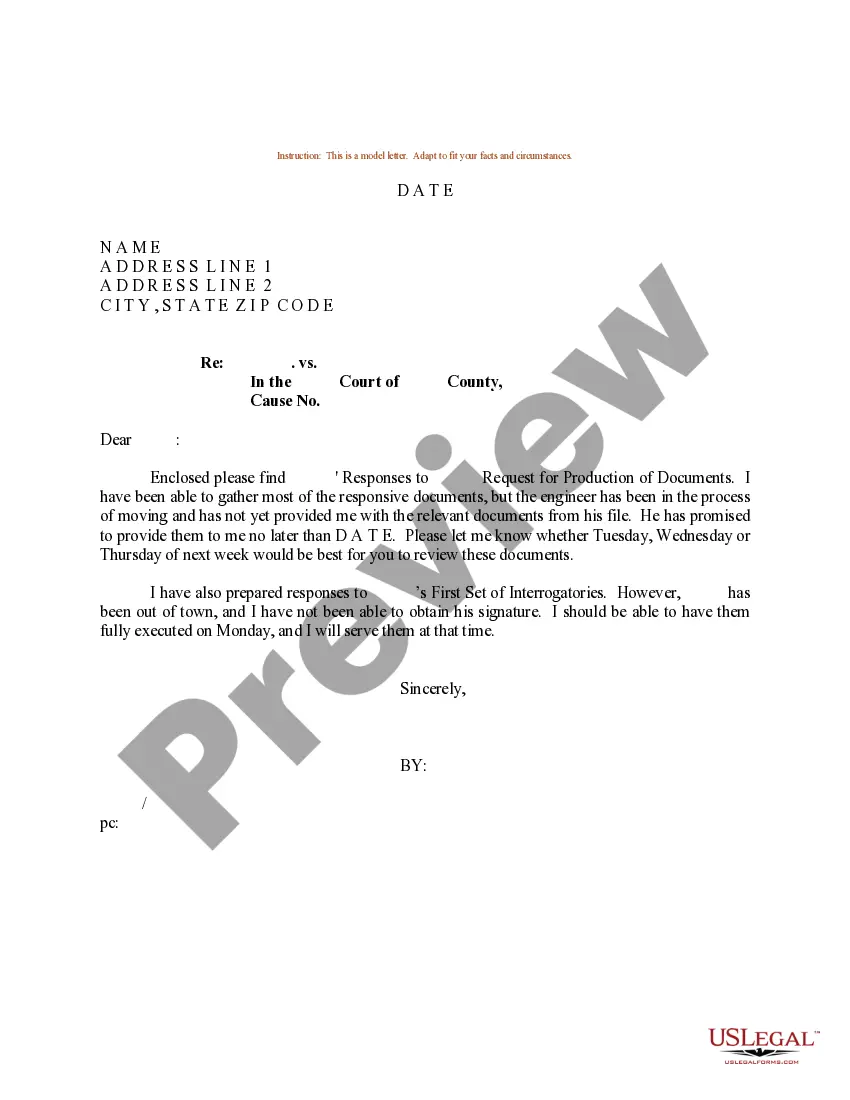
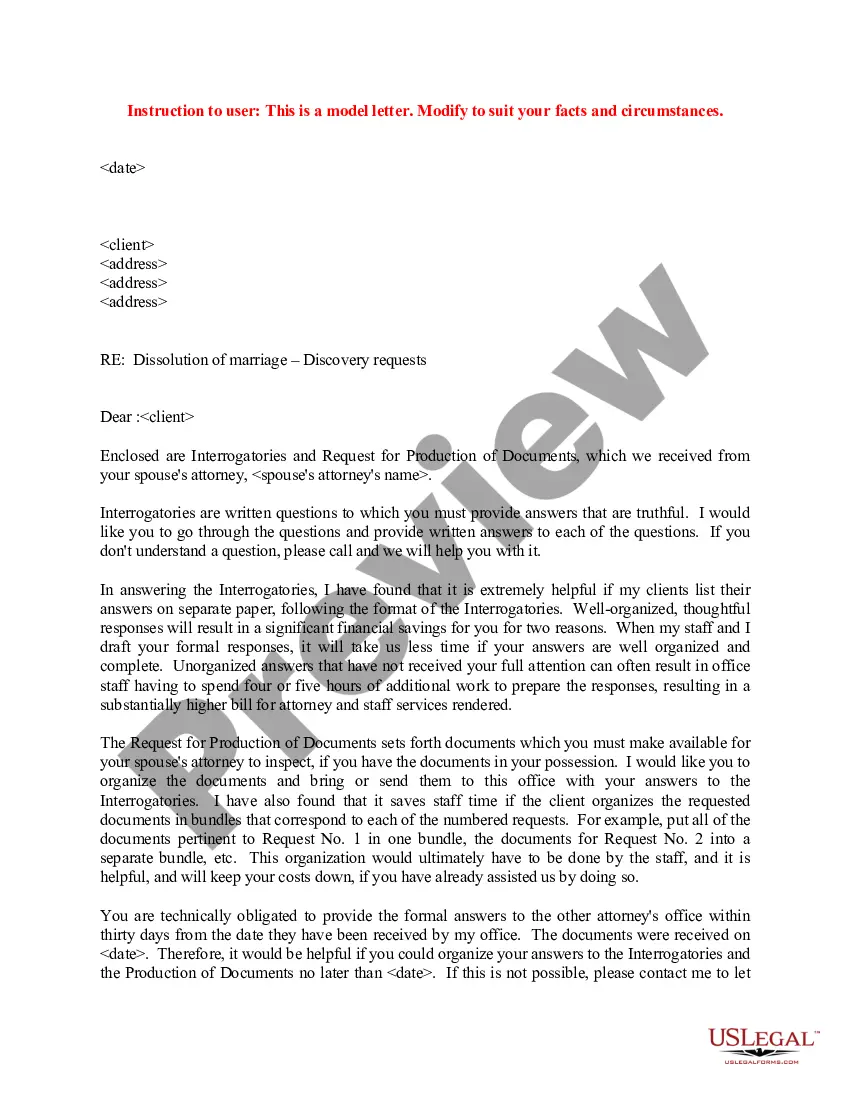
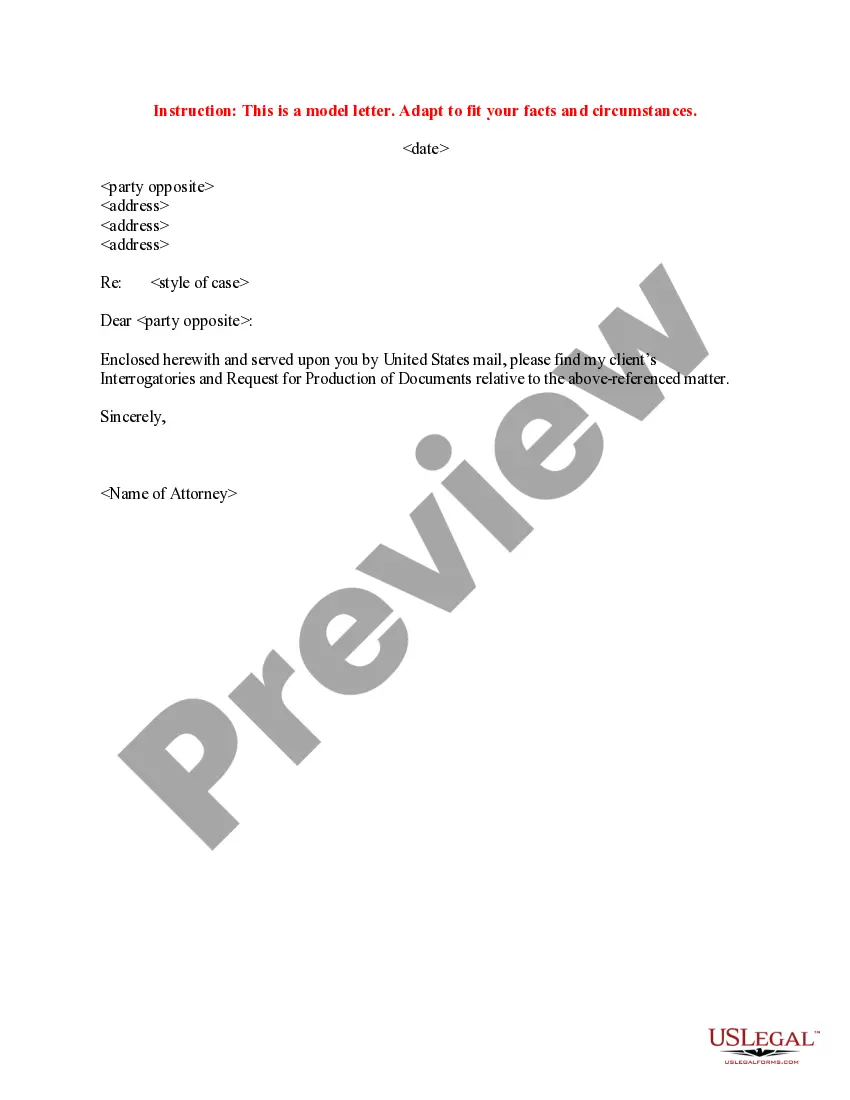
Get your form ready online
Our built-in tools help you complete, sign, share, and store your documents in one place.
Make edits, fill in missing information, and update formatting in US Legal Forms—just like you would in MS Word.
Download a copy, print it, send it by email, or mail it via USPS—whatever works best for your next step.
Sign and collect signatures with our SignNow integration. Send to multiple recipients, set reminders, and more. Go Premium to unlock E-Sign.
If this form requires notarization, complete it online through a secure video call—no need to meet a notary in person or wait for an appointment.
We protect your documents and personal data by following strict security and privacy standards.

Make edits, fill in missing information, and update formatting in US Legal Forms—just like you would in MS Word.

Download a copy, print it, send it by email, or mail it via USPS—whatever works best for your next step.

Sign and collect signatures with our SignNow integration. Send to multiple recipients, set reminders, and more. Go Premium to unlock E-Sign.

If this form requires notarization, complete it online through a secure video call—no need to meet a notary in person or wait for an appointment.

We protect your documents and personal data by following strict security and privacy standards.
Looking for another form?










Form popularity
FAQ
Discovery is a process by which the parties gather and exchange information that is important to the case. What is the Purpose of Discovery? The purpose of discovery is to provide parties the opportunity to gather evidence relevant to proving or defending the case.
These papers can be served by: Mailing them to the last known address provided. Handing them to the person. Emailing them to the most recent email address provided.
12 Tough Questions to Ask a Lawyer What's your opinion of the probate process? Under what conditions do you recommend a Living Trust? How do I protect my children from abusive relatives if something happens to me? Can I keep my kids from controlling their entire inheritance at 18?
Discovery is shocking, unplanned, overwhelming, and usually only a portion of the betrayal is revealed and acknowledged. Disclosure is the exact opposite. In disclosure, the cheating partner voluntarily tells the betrayed partner the full scope and details about his behavior.
In some court cases, the parties are required to give each other information and documents about the case before there is a trial. This exchange of documents and information is called “discovery,” and there are rules in every state about how and when discovery happens.
If you have not been appointed a public defender and would like to see if you qualify, you may file an Affidavit and Application for a Court-Appointed Lawyer at your court hearing, which can be provided to you at that time.
Non·law·yer ˌnän-ˈlȯ-yər. -ˈlȯi-ər. plural nonlawyers. : one who is not a lawyer : one who does not practice law as a profession. It asserts that a nonlawyer doing his own legal problem-solving has a fool for a client.
If a party does not respond to a discovery request, the party seeking discovery can file a motion asking the judge to compel discovery and impose sanctions. The party seeking discovery must show the judge that the information is discoverable and that discovery is proportional to the case.
Conclusion: Following discovery, the lawsuit needs a final conclusion. Most cases settle, with mediation being the most common means of reaching settlement. If settlement efforts fail, then the final outcome is determined by trial.

