Requesting Discovery Form For Work In Travis
Description
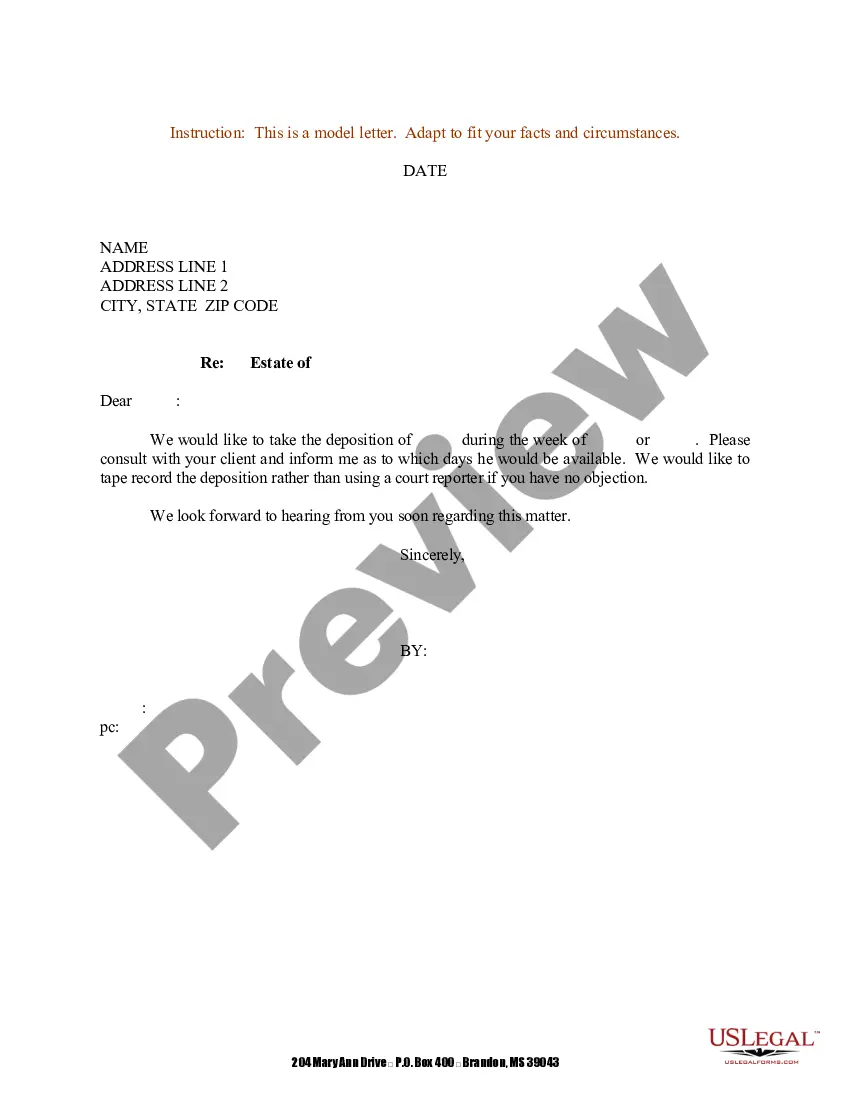
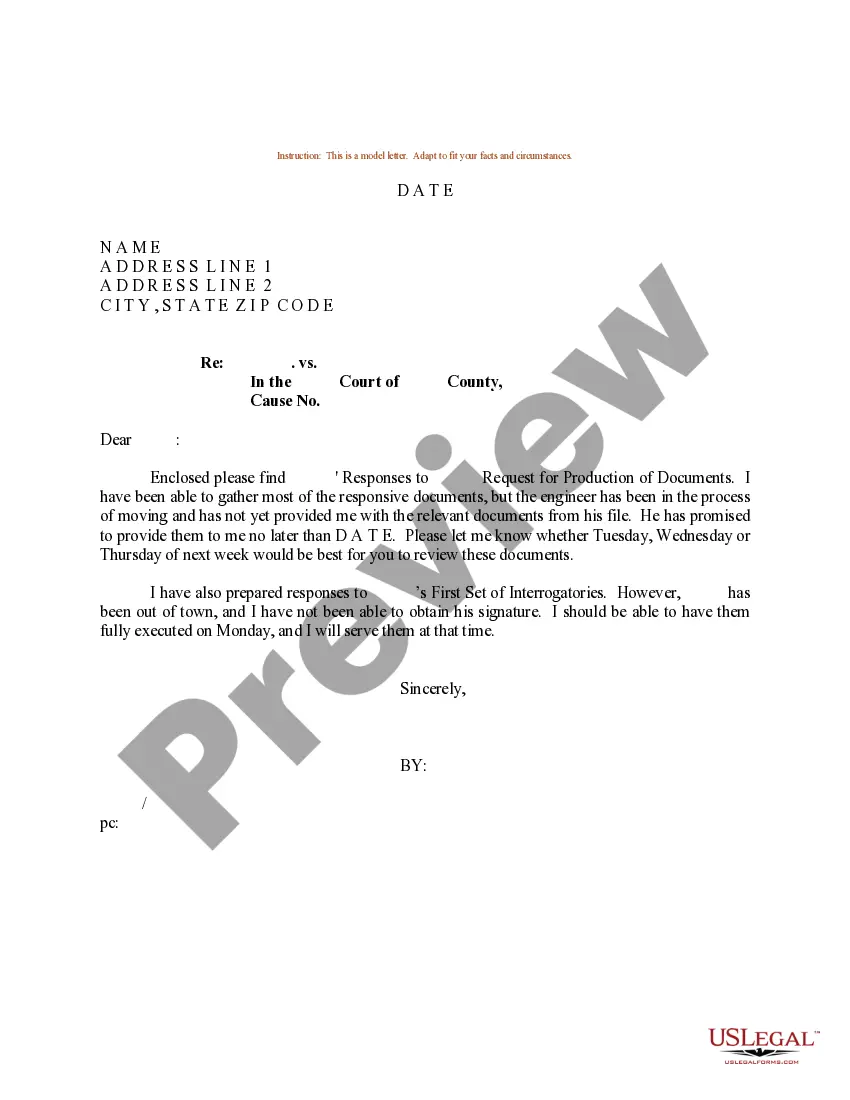
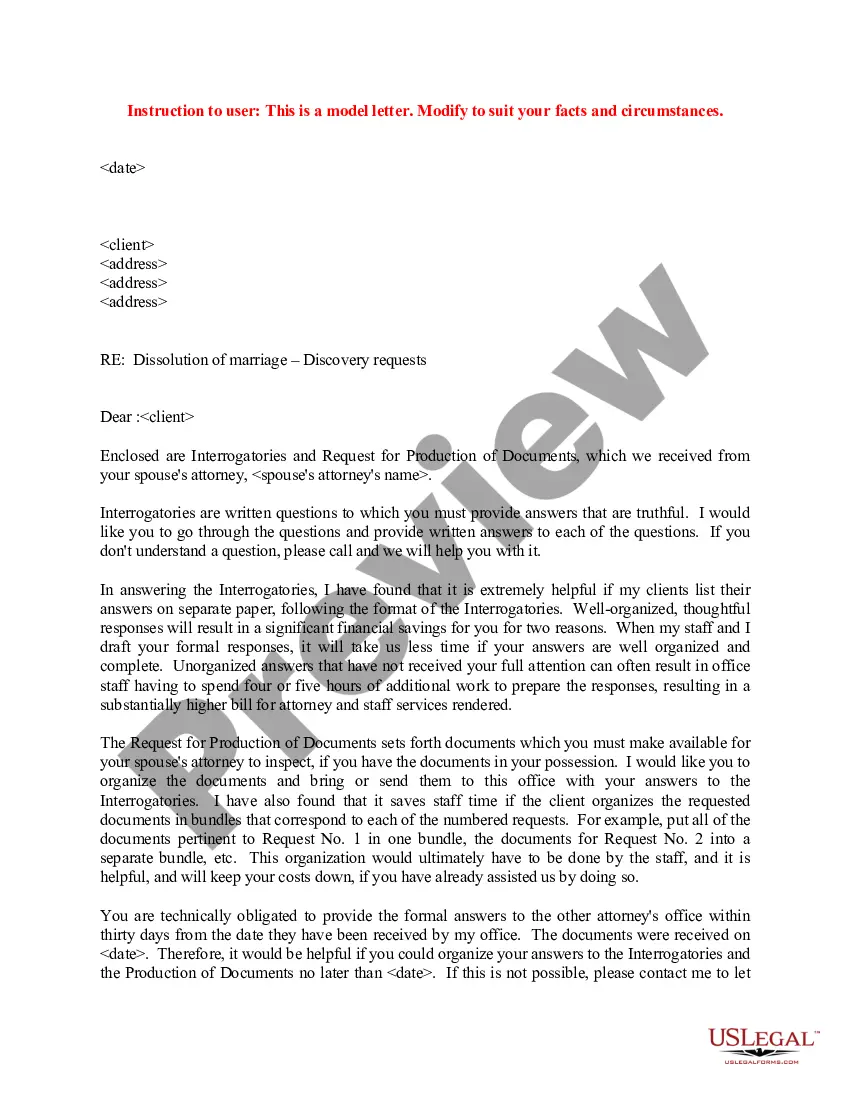
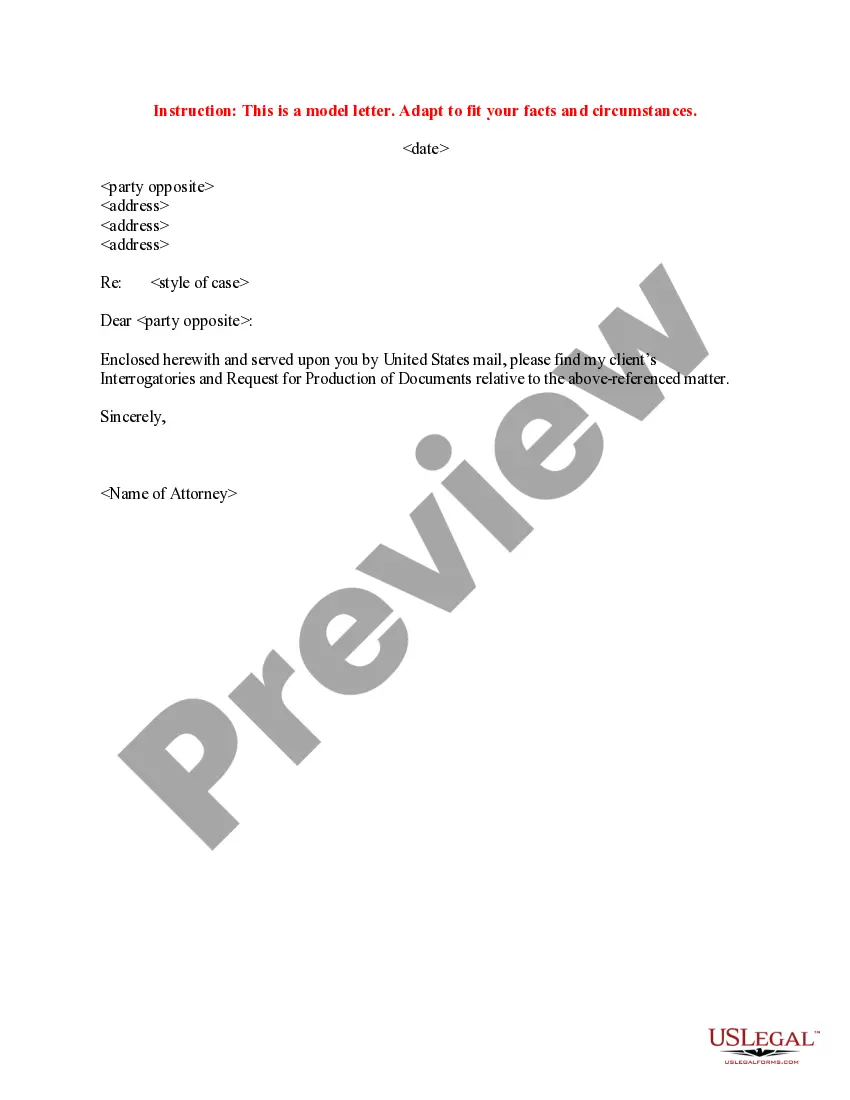
Get your form ready online
Our built-in tools help you complete, sign, share, and store your documents in one place.
Make edits, fill in missing information, and update formatting in US Legal Forms—just like you would in MS Word.
Download a copy, print it, send it by email, or mail it via USPS—whatever works best for your next step.
Sign and collect signatures with our SignNow integration. Send to multiple recipients, set reminders, and more. Go Premium to unlock E-Sign.
If this form requires notarization, complete it online through a secure video call—no need to meet a notary in person or wait for an appointment.
We protect your documents and personal data by following strict security and privacy standards.

Make edits, fill in missing information, and update formatting in US Legal Forms—just like you would in MS Word.

Download a copy, print it, send it by email, or mail it via USPS—whatever works best for your next step.

Sign and collect signatures with our SignNow integration. Send to multiple recipients, set reminders, and more. Go Premium to unlock E-Sign.

If this form requires notarization, complete it online through a secure video call—no need to meet a notary in person or wait for an appointment.

We protect your documents and personal data by following strict security and privacy standards.
Looking for another form?




Form popularity
FAQ
You can E-File using this link: eFileTexas | Official E-Filing System for Texas, mail to Travis County District Clerk, PO Box 679003, Austin, TX 78767 or hand deliver documents to us by appointment only. Call (512) 854-9457 or send an email to District.eFile@traviscountytx for any questions.
Discovery is how you gather the evidence you will need to prove your case as plaintiff, or defeat the plaintiff's case as a defendant. You use discovery to find out things like: What the other side plans to say about an issue in your case. What facts or witnesses support their side.
However, most personal injury cases settle before trial. Instead, they may offer the settlement well after the trial starts. This typically happens after discovery, but it may even happen after the jury reaches a verdict.
Discovery is the formal process by which the parties to a case in court exchange information about the case. This includes information about the witnesses and evidence to be presented at trial. Its purpose is to make the parties aware of the evidence which may be presented at trial.
The discovery process can be divided into two stages: data collection and data processing. The stages are subdivided into phases. Topology deduction takes place during the data processing stage, as the information from the data collection stage is analyzed, interpreted and processed by the stitchers.
Discovery refers to the process of getting information from another party (a Plaintiff or a Defendant) before trial. Discovery is a legal tool each party can use to strengthen their case. Through discovery you may receive new information and documents. You may be able to use those documents as evidence at trial.
Think of discovery as obtaining and disclosing the evidence and position of each side of a case so that all parties involved can decide what their best options are – move forward toward to trial or negotiate an early settlement.
A Motion for Discovery may be filed with the Court via E-File, Email, in person, or by US Mail. A Motion for Discovery must be in writing, with a signature, and be served on the other party in ance with the T.R.C.P 501.4.
The discovery rule is a “narrow exception” to the legal injury rule that “defers accrual of a cause of action until the plaintiff knew or, exercising reasonable diligence, should have known of the facts giving rise to the cause of action.” Berry, 646 S.W.
Provide a brief synopsis (two or three sentences) of the crux of the motion that you are bringing before the court. 2. Give a good explanation of the facts of the case. The relevant scope of your discovery depends on these facts.

