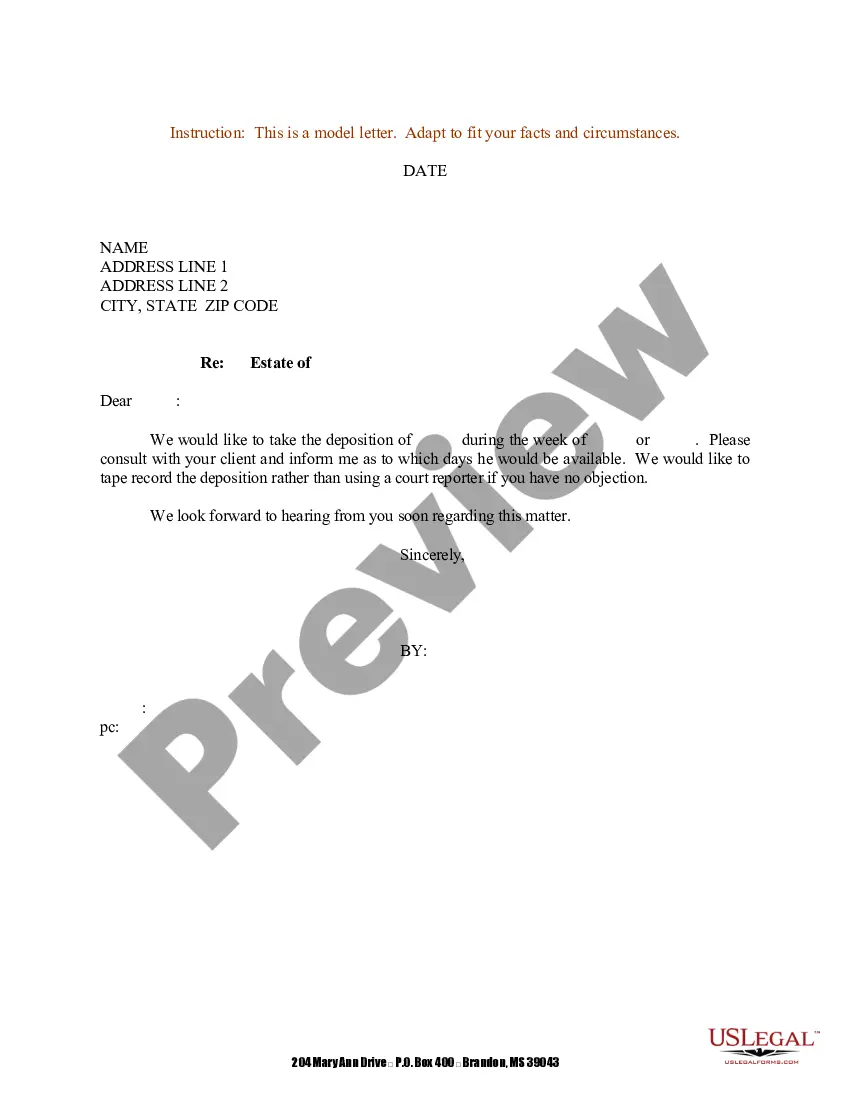
Requesting Discovery Form With 2 Points In Texas
Description
Get your form ready online
Our built-in tools help you complete, sign, share, and store your documents in one place.
Make edits, fill in missing information, and update formatting in US Legal Forms—just like you would in MS Word.
Download a copy, print it, send it by email, or mail it via USPS—whatever works best for your next step.
Sign and collect signatures with our SignNow integration. Send to multiple recipients, set reminders, and more. Go Premium to unlock E-Sign.
If this form requires notarization, complete it online through a secure video call—no need to meet a notary in person or wait for an appointment.
We protect your documents and personal data by following strict security and privacy standards.

Make edits, fill in missing information, and update formatting in US Legal Forms—just like you would in MS Word.

Download a copy, print it, send it by email, or mail it via USPS—whatever works best for your next step.

Sign and collect signatures with our SignNow integration. Send to multiple recipients, set reminders, and more. Go Premium to unlock E-Sign.

If this form requires notarization, complete it online through a secure video call—no need to meet a notary in person or wait for an appointment.

We protect your documents and personal data by following strict security and privacy standards.
Looking for another form?







Form popularity
FAQ
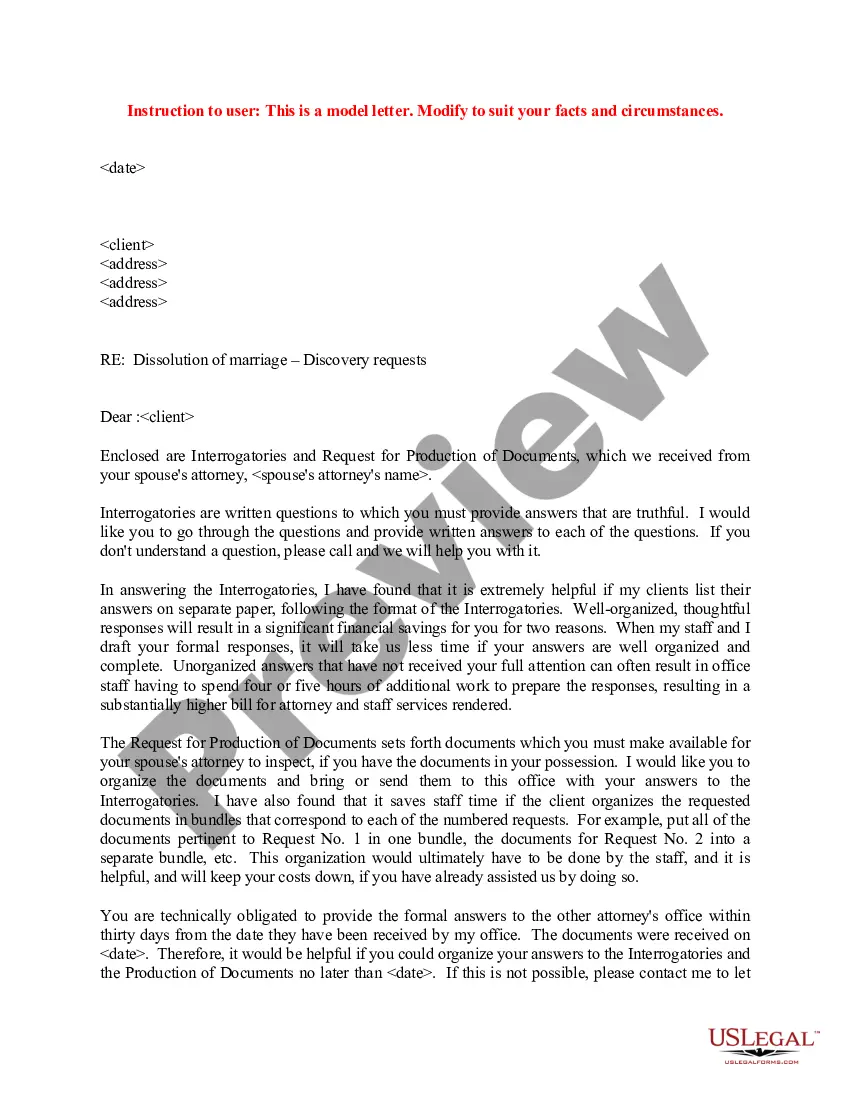
When a party requests documents or answers to questions from the opposing party in a lawsuit, you must do so in the form of a Motion for Discovery. A Motion for Discovery may be filed with the Court via E-File, Email, in person, or by US Mail.
Rule 192.2. Timing and Sequence of Discovery (2021) (a) Timing. Unless otherwise agreed to by the parties or ordered by the court, a party cannot serve discovery on another party until after the other party's initial disclosures are due.
Common Defenses Against Speeding Tickets Inaccurate Estimation of Speed by the Officer. Questioning the Officer's Vantage Point and Conditions During the Incident. Radar and Lidar Inaccuracies. Calibration and Maintenance Records of the Device. Operator Error or Improper Use of the Device. Driving to Avoid Harm or Danger.
It essentially provides that the statute of limitations (the time within which a lawsuit must be filed) does not begin to run until the plaintiff knows or reasonably should know of the injury, harm, or damage that forms the basis of the lawsuit.
The Texas Discovery Rule is a legal concept that plays a crucial role in the state's civil litigation process. Imagine you find yourself in a situation where you believe you have a legal claim, but you only discover the harm or injury later on. In such cases, the Texas Discovery Rule becomes particularly significant.
It essentially provides that the statute of limitations (the time within which a lawsuit must be filed) does not begin to run until the plaintiff knows or reasonably should know of the injury, harm, or damage that forms the basis of the lawsuit.
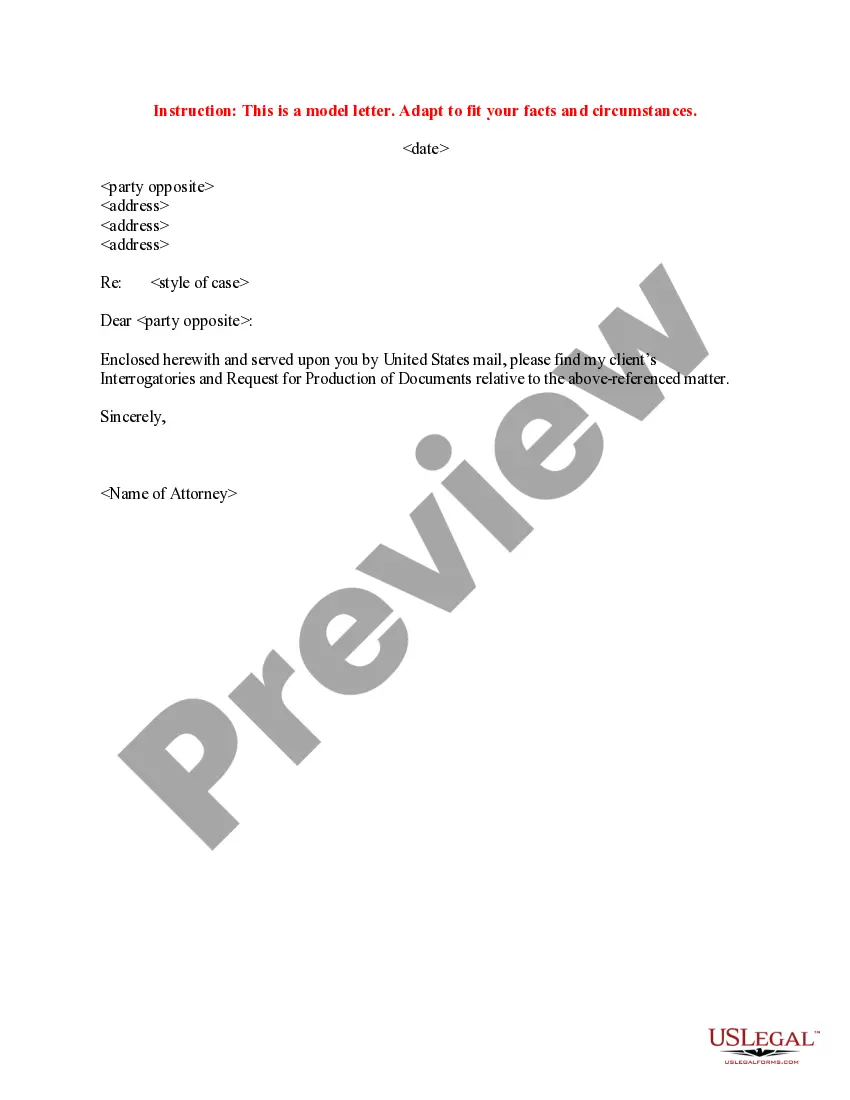
A document not filed electronically may be served in person, by mail, by commercial delivery service, by fax, or by email.
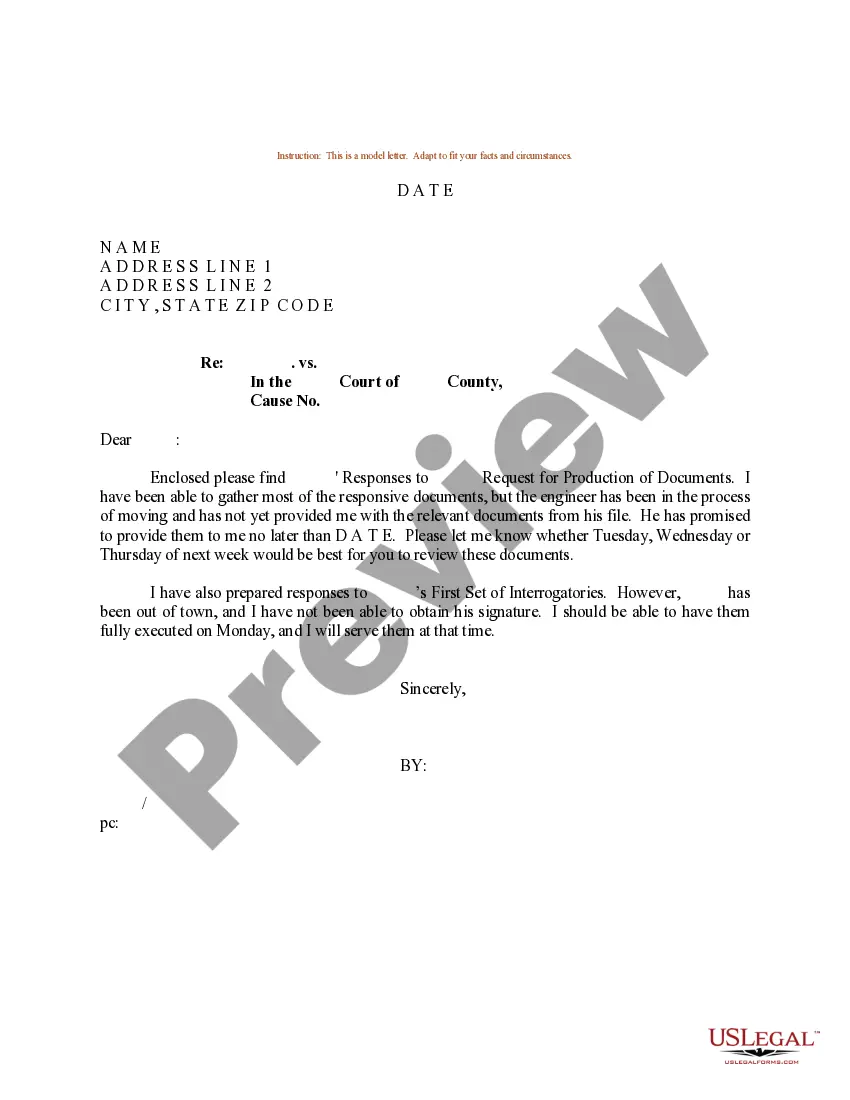
Generally, the party receiving the discovery request has 30 days to respond. Some exceptions and variations apply, so make sure you review how much time you have to respond depending on the type of case, the rules, and the type of discovery method used.

