Requesting Discovery Form For Canada In Texas
Description
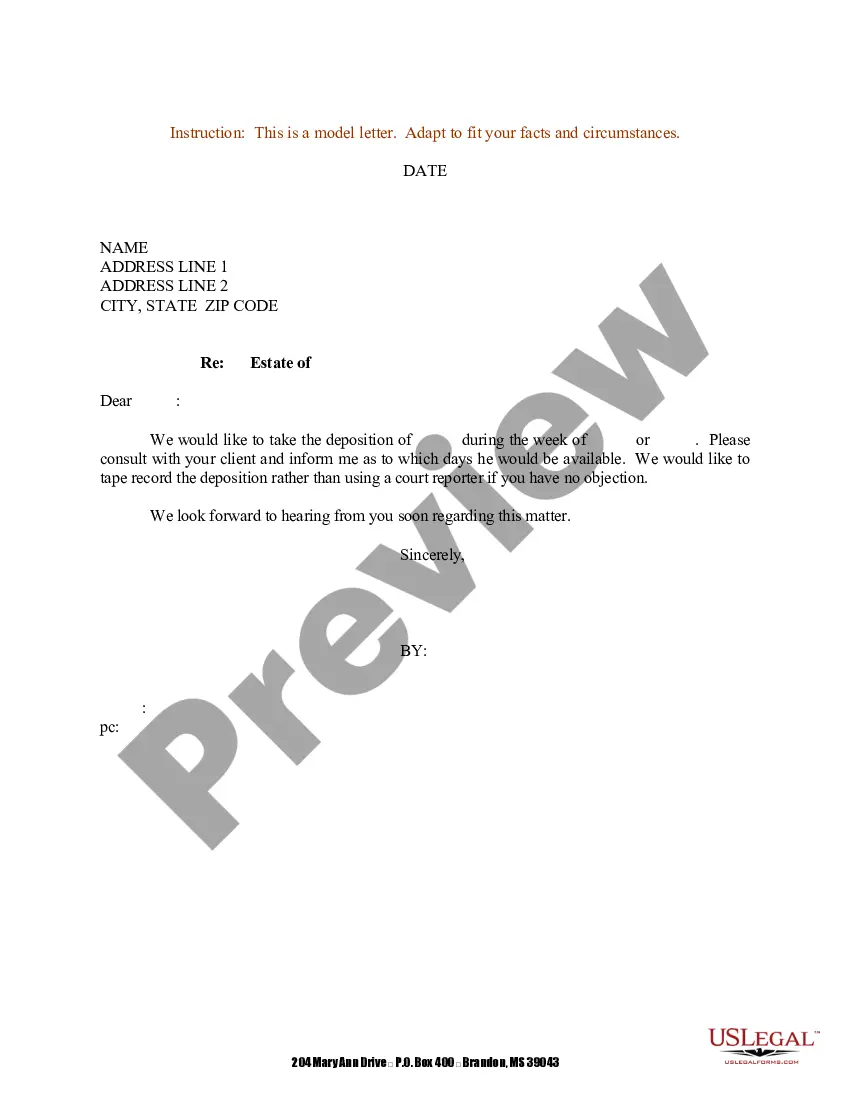
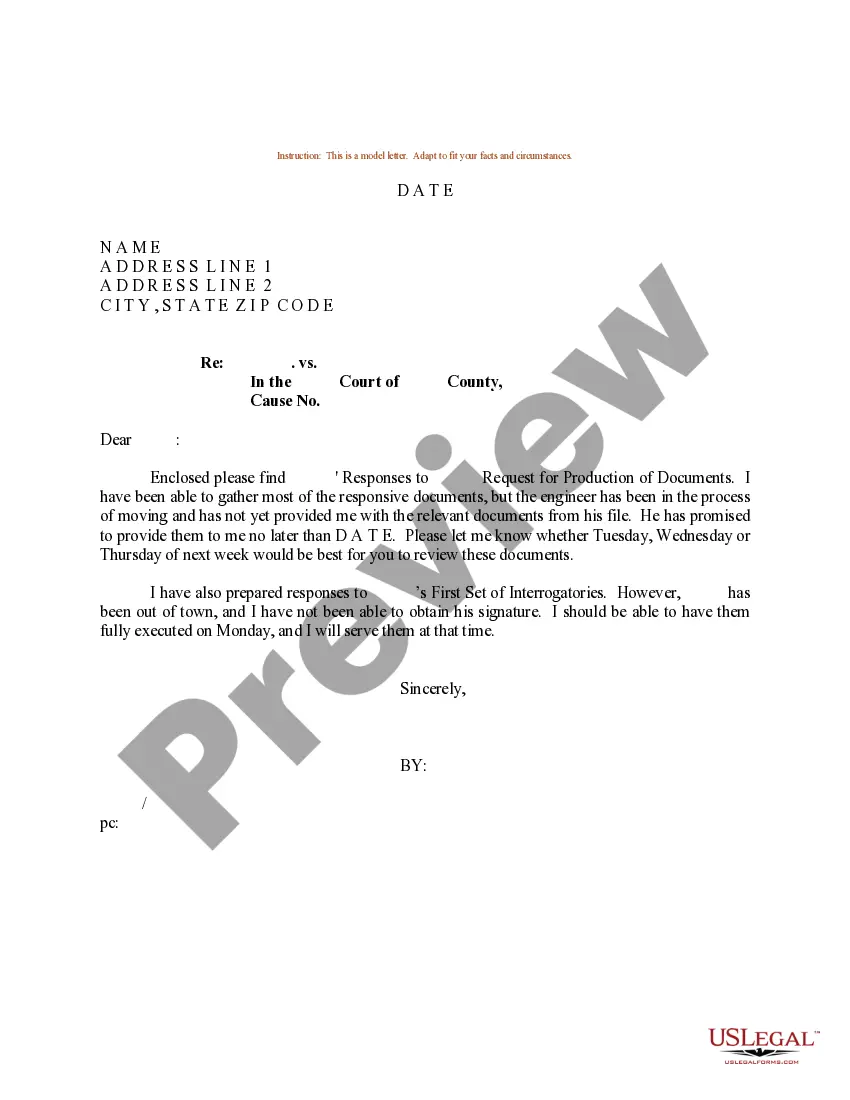
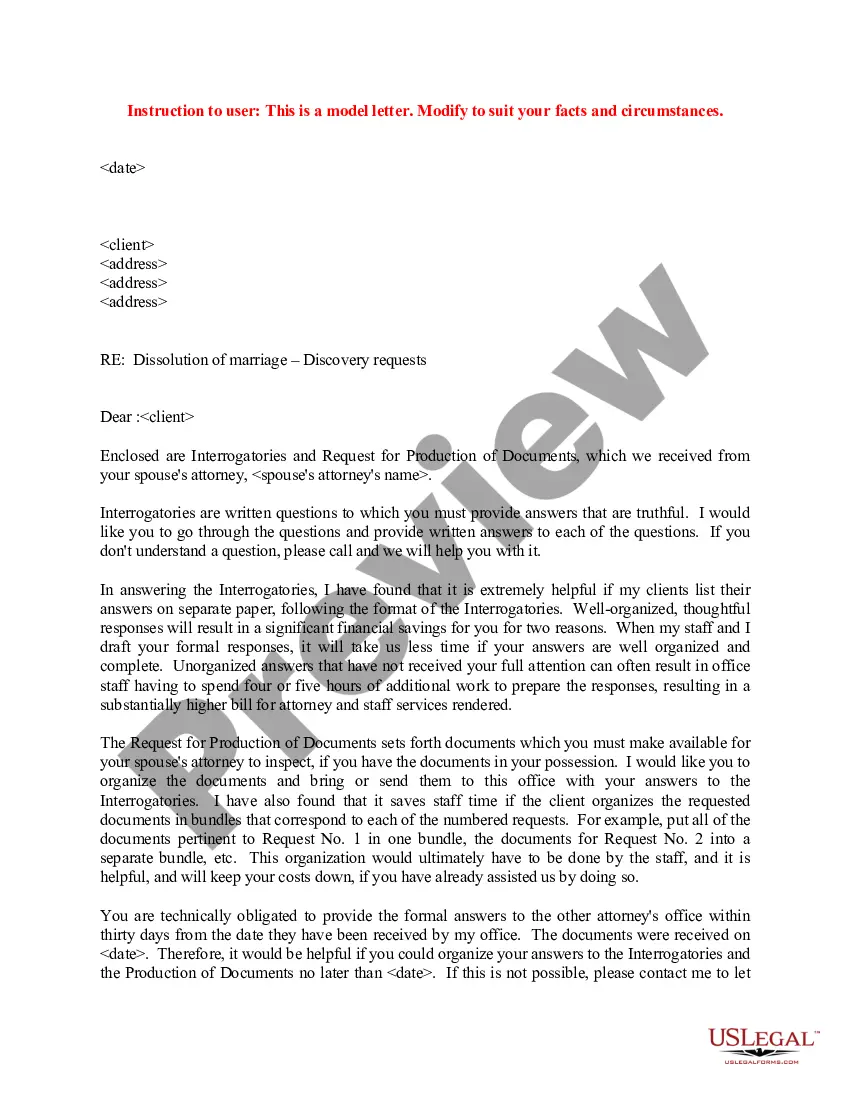
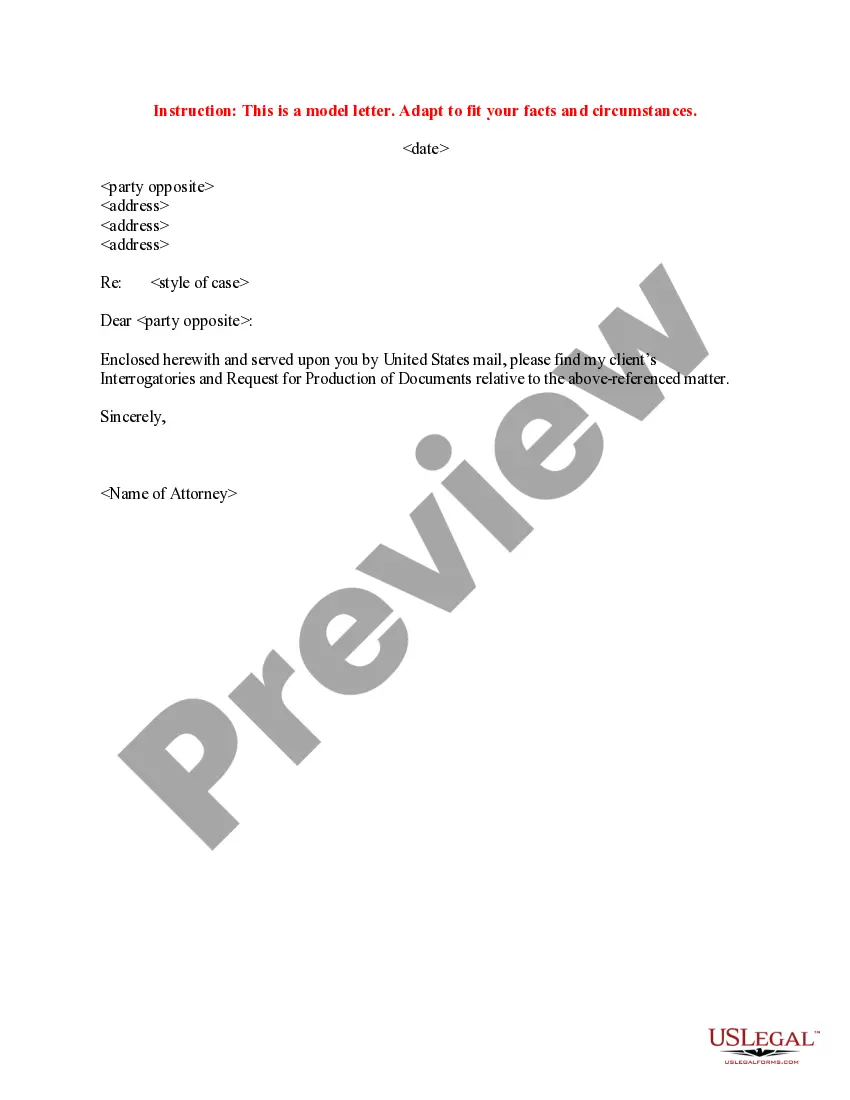
Get your form ready online
Our built-in tools help you complete, sign, share, and store your documents in one place.
Make edits, fill in missing information, and update formatting in US Legal Forms—just like you would in MS Word.
Download a copy, print it, send it by email, or mail it via USPS—whatever works best for your next step.
Sign and collect signatures with our SignNow integration. Send to multiple recipients, set reminders, and more. Go Premium to unlock E-Sign.
If this form requires notarization, complete it online through a secure video call—no need to meet a notary in person or wait for an appointment.
We protect your documents and personal data by following strict security and privacy standards.

Make edits, fill in missing information, and update formatting in US Legal Forms—just like you would in MS Word.

Download a copy, print it, send it by email, or mail it via USPS—whatever works best for your next step.

Sign and collect signatures with our SignNow integration. Send to multiple recipients, set reminders, and more. Go Premium to unlock E-Sign.

If this form requires notarization, complete it online through a secure video call—no need to meet a notary in person or wait for an appointment.

We protect your documents and personal data by following strict security and privacy standards.
Looking for another form?
Form popularity
FAQ
Tips for your Examination for Discovery Inform yourself of the relevant facts. It pays to be knowledgeable about your case and the relevant facts. Tell the truth. Your evidence will be used against you. Listen carefully. Do not guess. Think before you speak. Avoid absolutes like “Always” and “Never” ... Verbal answers only.
At the end of the discovery process, both parties should have a reasonably good idea of the strength of their opponent's case as well as their own. A weakness in one party's position may encourage it to try negotiating a settlement to avoid going to trial.
When responding to written discovery, a party must make a complete response, based on all information reasonably available to the responding party or its attorney at the time the response is made. The responding party's answers, objections, and other responses must be preceded by the request to which they apply.
Discovery generally begins after the other party has answered a lawsuit. You have 30 days from the date you receive the requests. However, if you serve the other side your requests or you receive a discovery request prior to filing an answer with the court, then you have 50 days instead to answer.
Generally, the party receiving the discovery request has 30 days to respond. Some exceptions and variations apply, so make sure you review how much time you have to respond depending on the type of case, the rules, and the type of discovery method used.
Amended Rule 190.2(b) ends the discovery period 180 days after the date the first discovery request is served; imposes a fifteen limit maximum on interrogatories, requests for production, and requests for admission; and allows for additional disclosures.
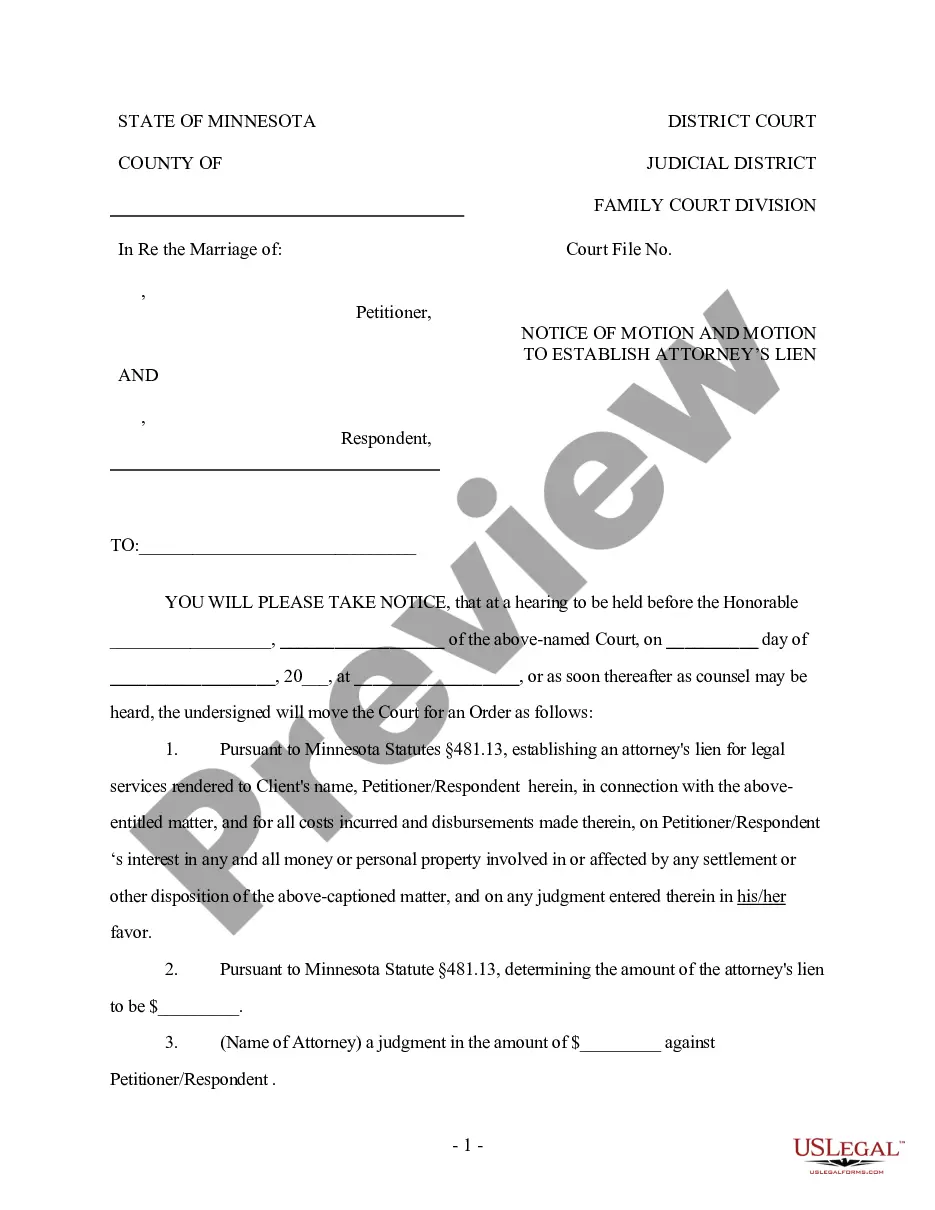
When a party requests documents or answers to questions from the opposing party in a lawsuit, you must do so in the form of a Motion for Discovery. A Motion for Discovery may be filed with the Court via E-File, Email, in person, or by US Mail.
Any document that comes into existence or that comes into your possession, custody or power, after you have initially provided discovery, and that falls within the terms of the original order, must also be discovered. You must prepare a supplementary List of documents verified by affidavit.
