Discovery Deficiency Letter Example
Description

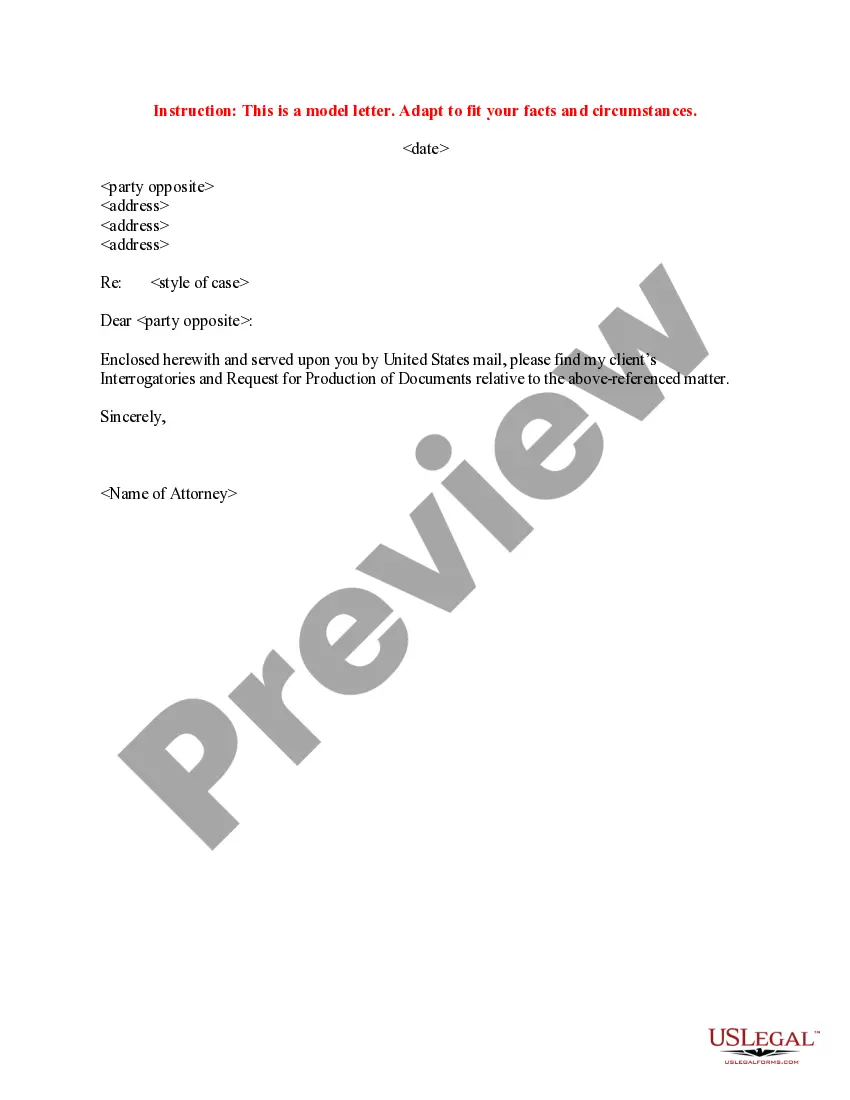
Get your form ready online
Our built-in tools help you complete, sign, share, and store your documents in one place.
Make edits, fill in missing information, and update formatting in US Legal Forms—just like you would in MS Word.
Download a copy, print it, send it by email, or mail it via USPS—whatever works best for your next step.
Sign and collect signatures with our SignNow integration. Send to multiple recipients, set reminders, and more. Go Premium to unlock E-Sign.
If this form requires notarization, complete it online through a secure video call—no need to meet a notary in person or wait for an appointment.
We protect your documents and personal data by following strict security and privacy standards.

Make edits, fill in missing information, and update formatting in US Legal Forms—just like you would in MS Word.

Download a copy, print it, send it by email, or mail it via USPS—whatever works best for your next step.

Sign and collect signatures with our SignNow integration. Send to multiple recipients, set reminders, and more. Go Premium to unlock E-Sign.

If this form requires notarization, complete it online through a secure video call—no need to meet a notary in person or wait for an appointment.

We protect your documents and personal data by following strict security and privacy standards.
Looking for another form?

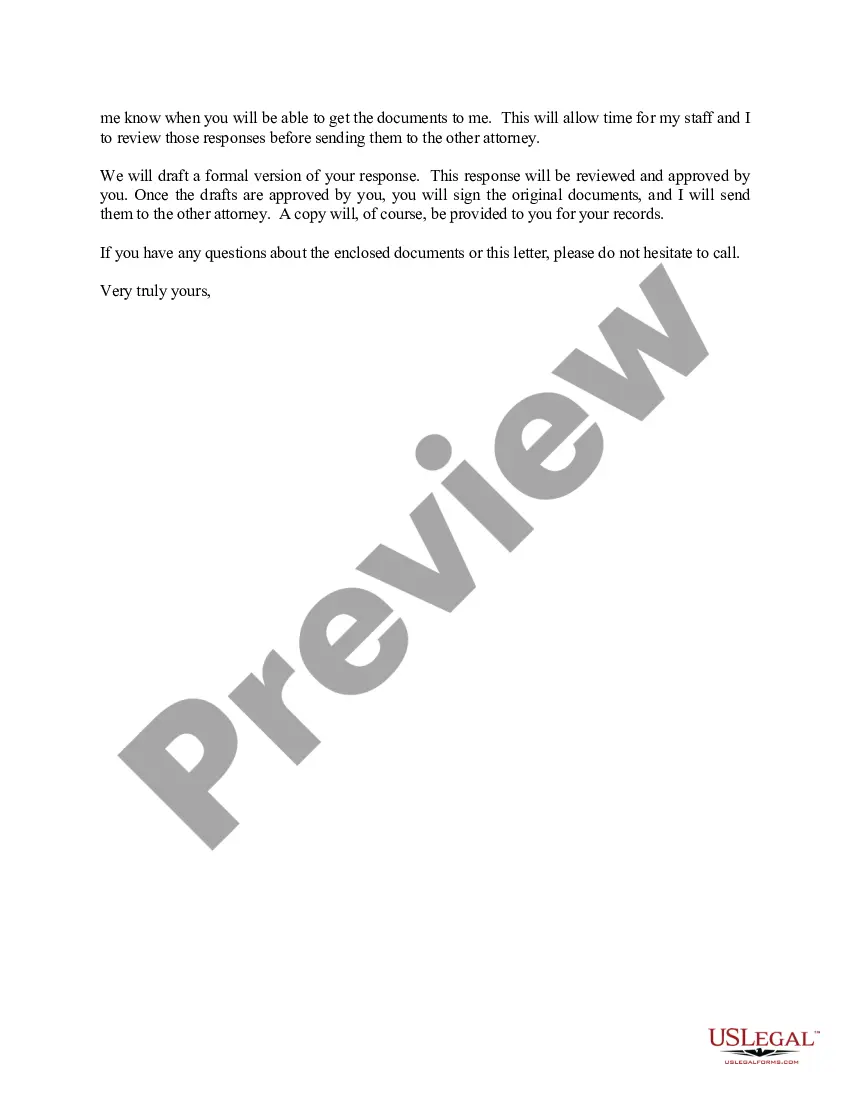
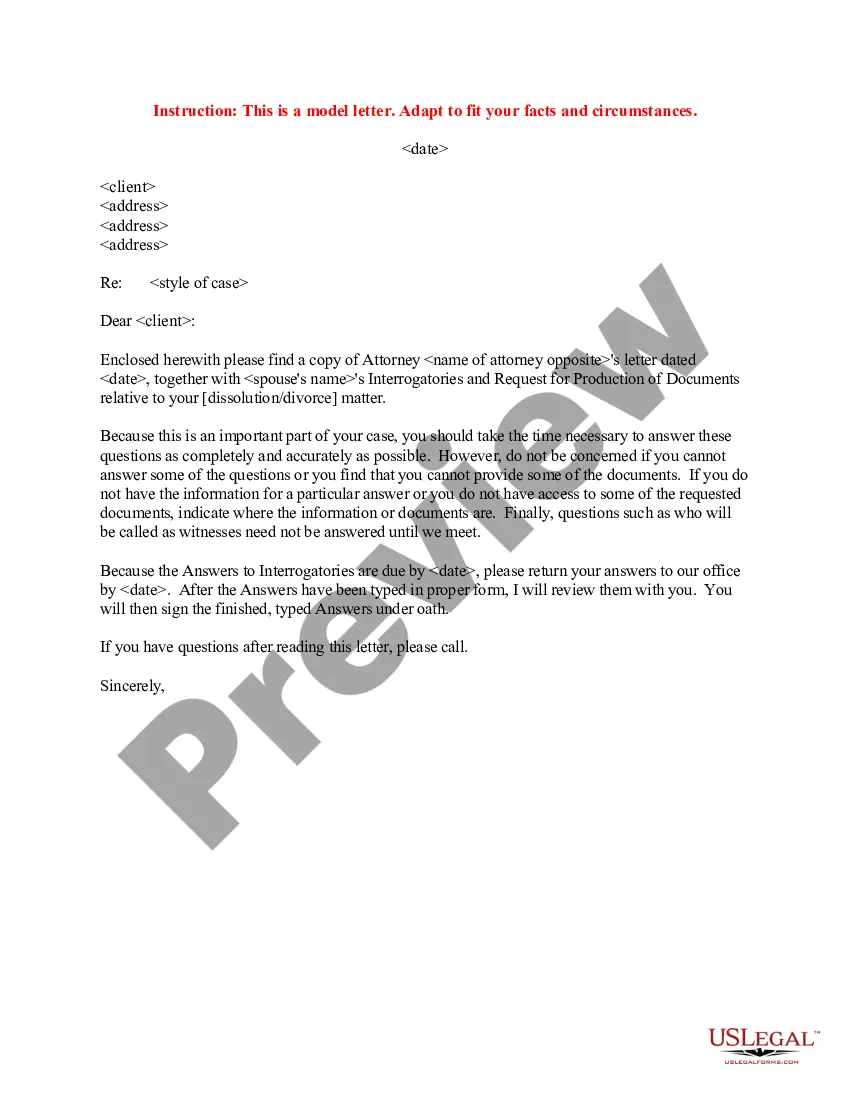
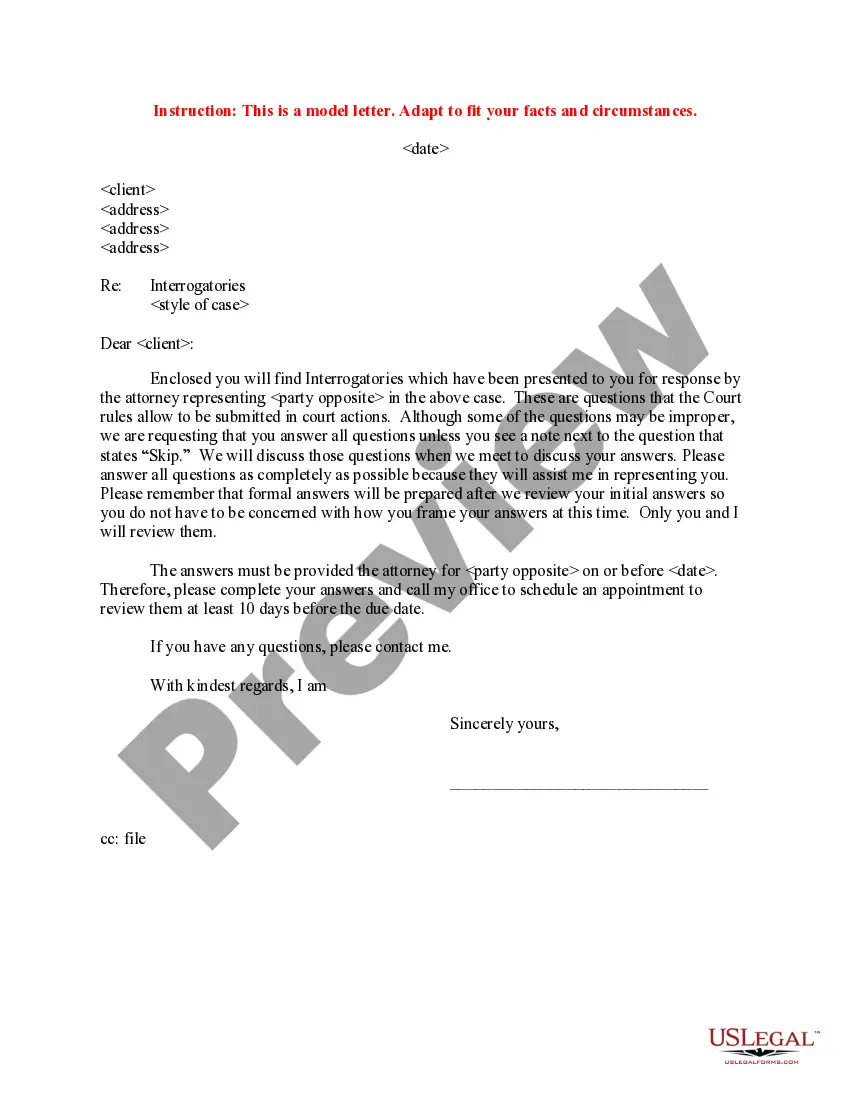
How to fill out Sample Letter To Client Instructing On Answering Discovery?
It's clear that you cannot transform into a legal expert in a single night, nor can you acquire the ability to swiftly create a Discovery Deficiency Letter Example without possessing a dedicated skill set.
Compiling legal documents is a lengthy endeavor that necessitates particular education and abilities. So why not entrust the compilation of the Discovery Deficiency Letter Example to the specialists.
With US Legal Forms, which boasts one of the most extensive repositories of legal templates, you can access a variety of documents ranging from court filings to office communication templates. We understand the importance of compliance with federal and state laws and regulations.
You can revisit your forms via the My documents section at any time. If you're a returning customer, you can simply Log In and find and download the template from the same section.
Regardless of the objective of your documentation—whether financial, legal, or personal—our platform has you covered. Explore US Legal Forms today!
- Begin by locating the document you require using the search feature at the top of the page.
- Review it (if this feature is available) and examine the accompanying description to determine if the Discovery Deficiency Letter Example meets your needs.
- Restart your search if you require a different template.
- Sign up for a complimentary account and select a subscription plan to acquire the template.
- Click Buy now. Once the transaction is complete, you can download the Discovery Deficiency Letter Example, complete it, print it, and forward or mail it to the appropriate individuals or organizations.
Form popularity
FAQ
Topics Covered: hide 1.1 # Don't ask what you already know. 1.2 # Don't Talk (too much) 1.3 # Don't pop the question, yet! 1.4 # Don't jump in without an agenda: 1.5 # Don't miss the pain points : 1.6 # Don't just call: 1.7 # Don't assume :
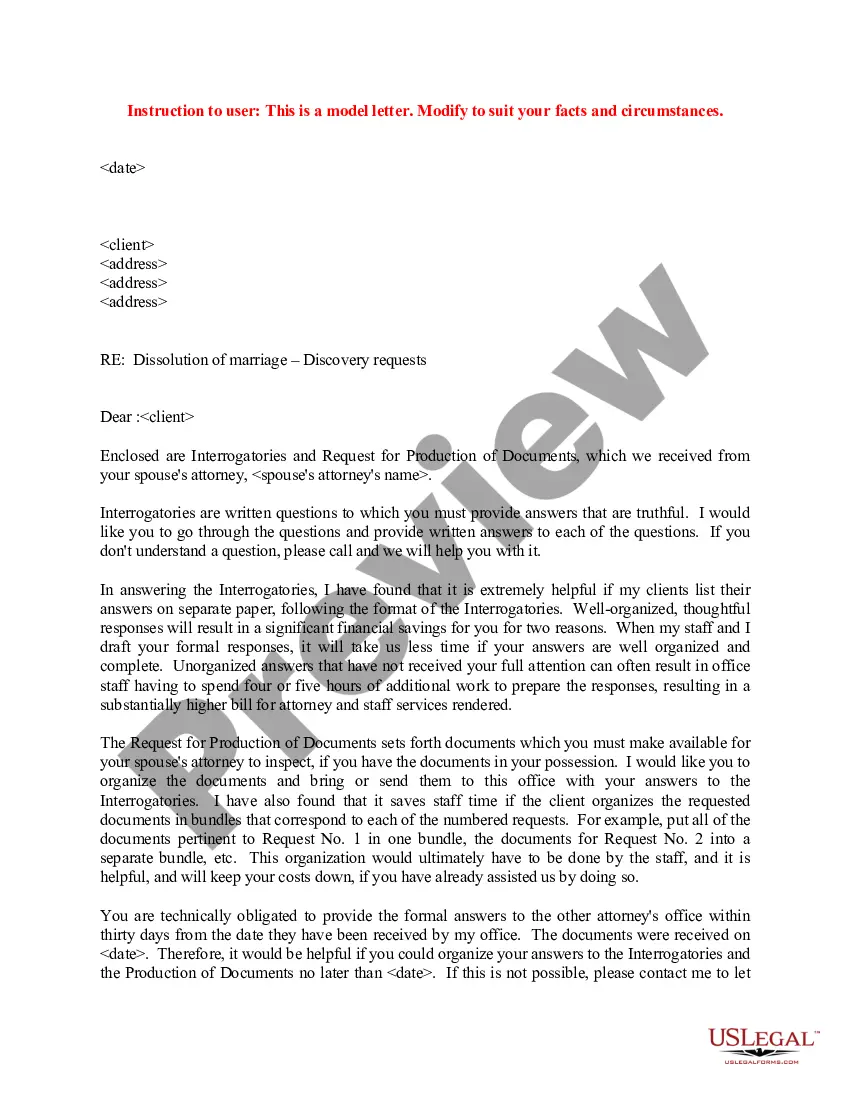
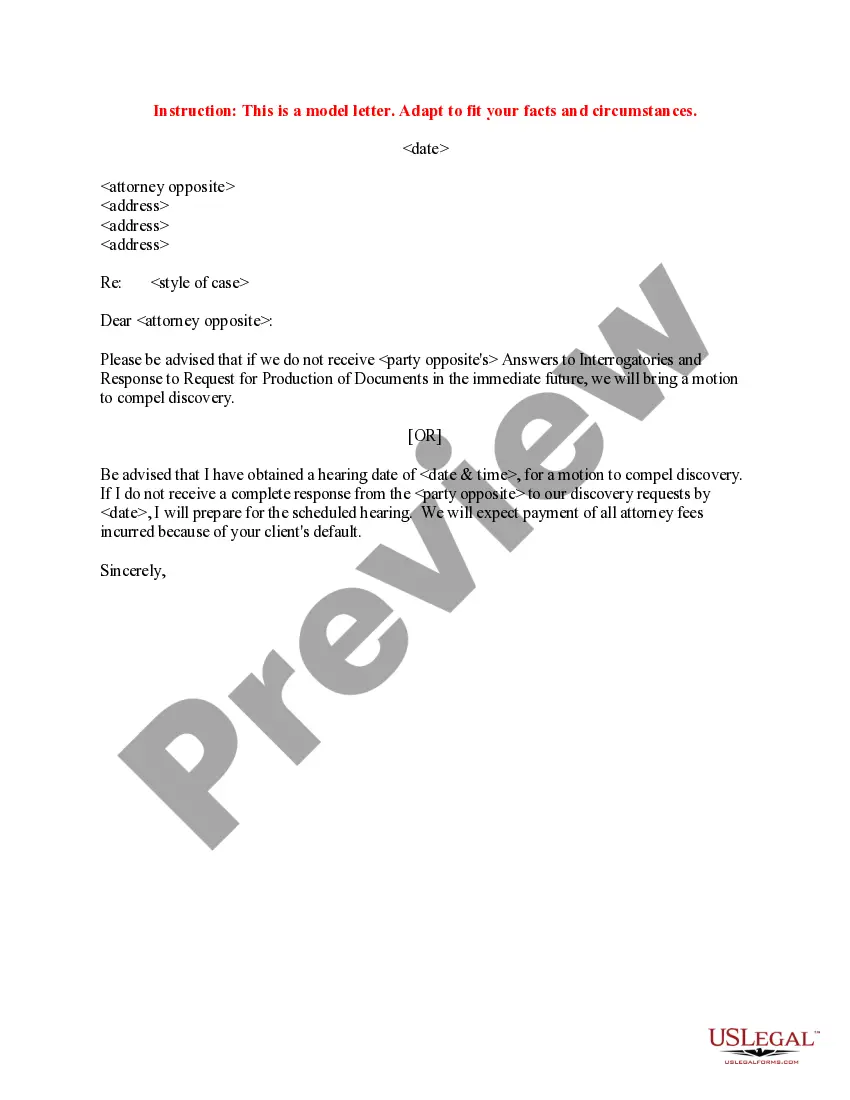
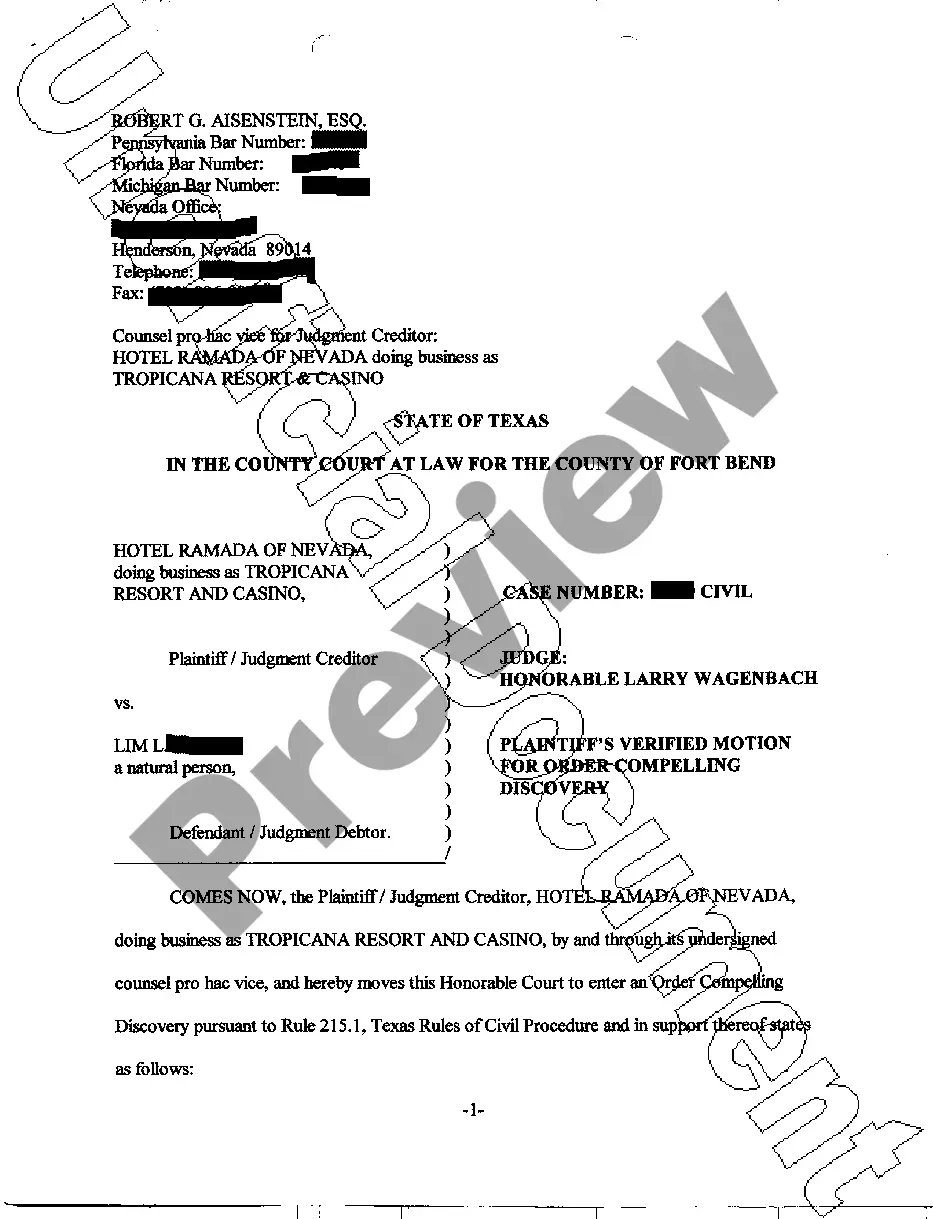
This discovery deficiency letter is a standard form that attorneys can use in a federal court litigation to facilitate a discussion with opposing counsel concerning his or her failure to respond to discovery requests or provision of inadequate, incomplete, or otherwise deficient responses.
This letter is often called a good faith letter. And it is needed under many courts' rules before you can file a motion to compel discovery if the other party ignores your requests or provides evasive responses or move for sanctions if your opponent refuses to comply with the court's discovery order.
Read and answer the questions Read the question very carefully. Answer only the question that is asked, and avoid the temptation to over-explain your answer. If the question contains several parts, you may break your answer into parts as well. It is also possible that you might object to the question.
Write out each fact you wish the other party to admit is true. When writing these facts, be as clear and concise as possible. Each request must be for a single fact; do not include multiple facts, compound questions, or subparts.