Requesting Discovery Form For Work
Description
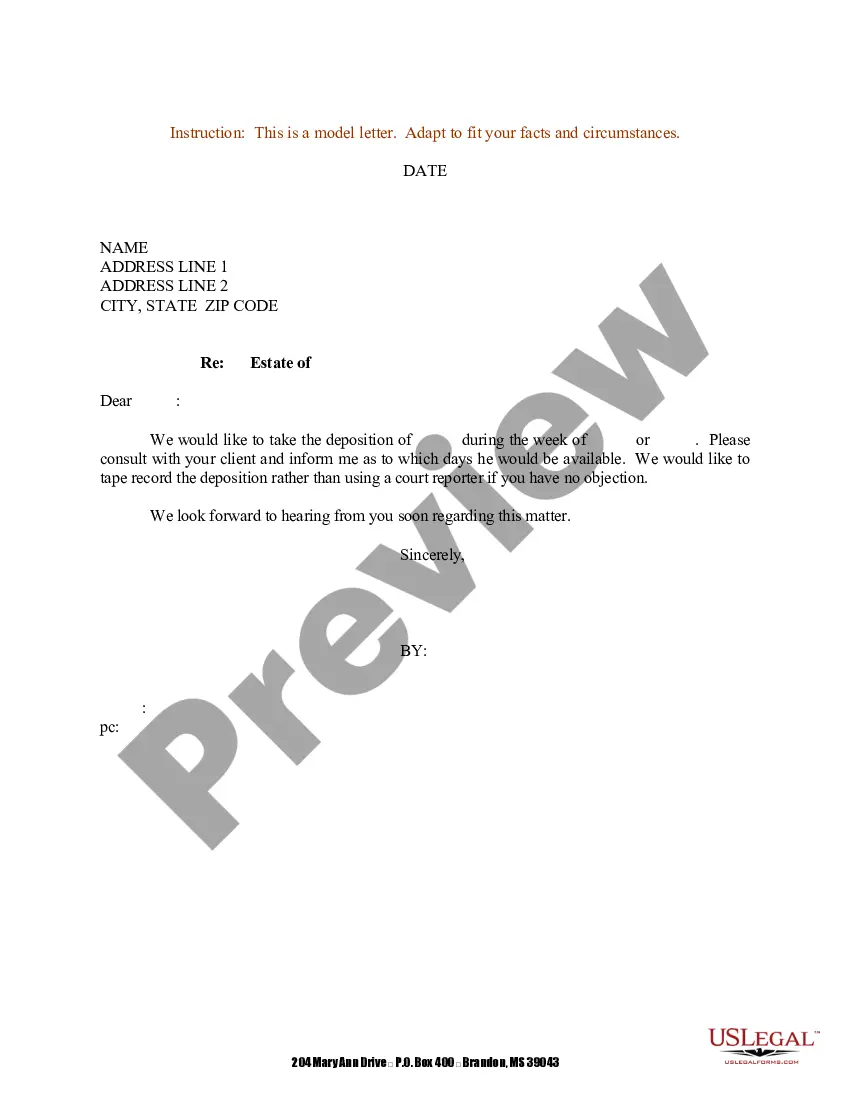
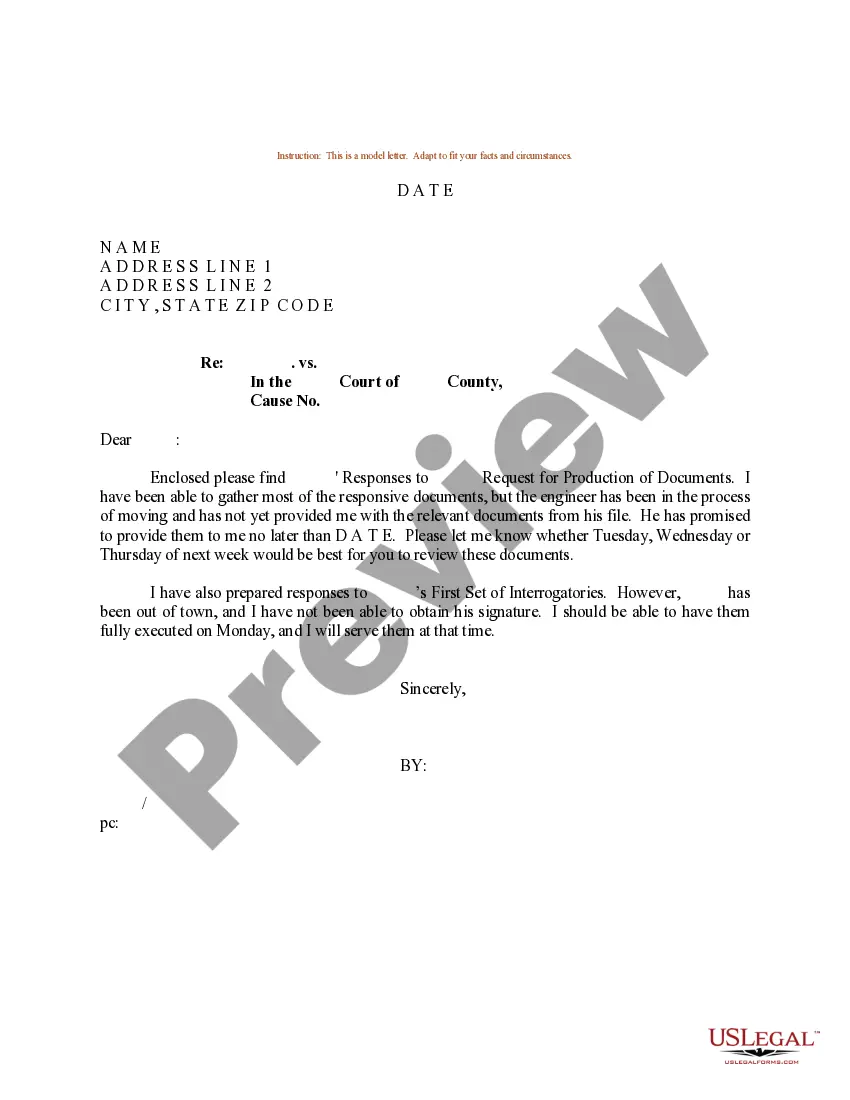
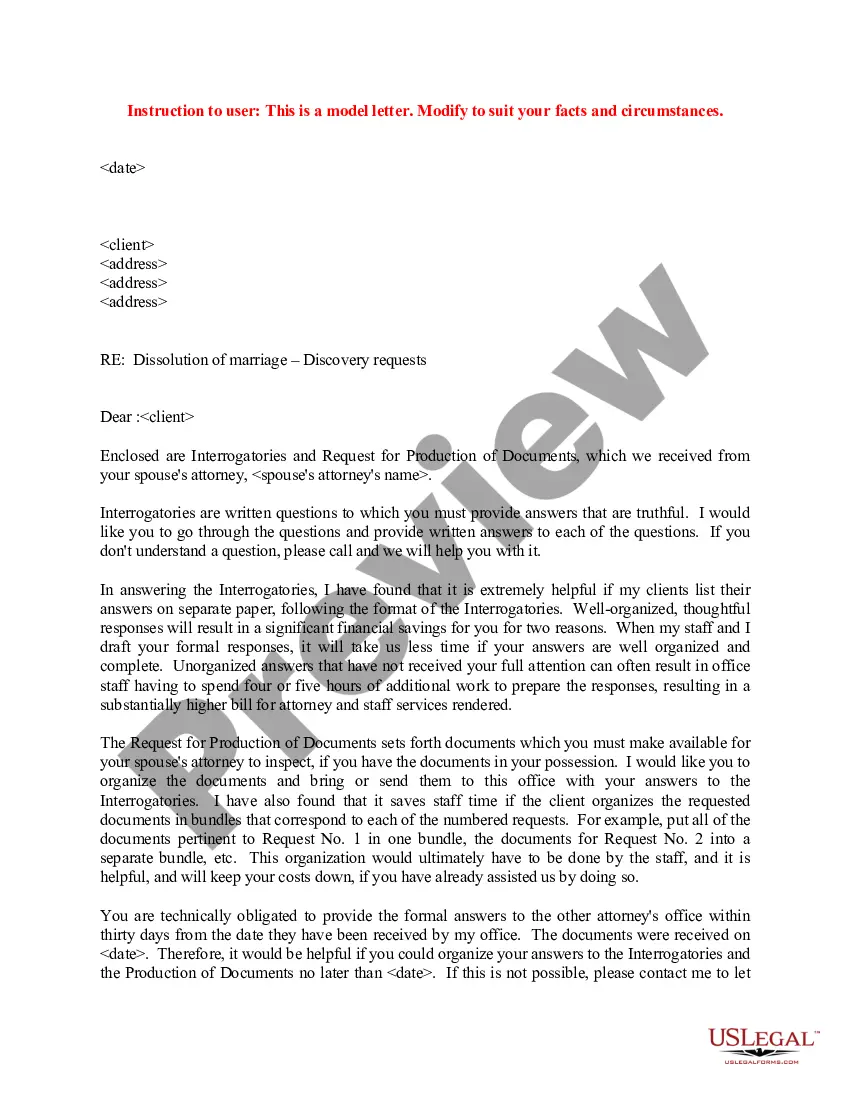
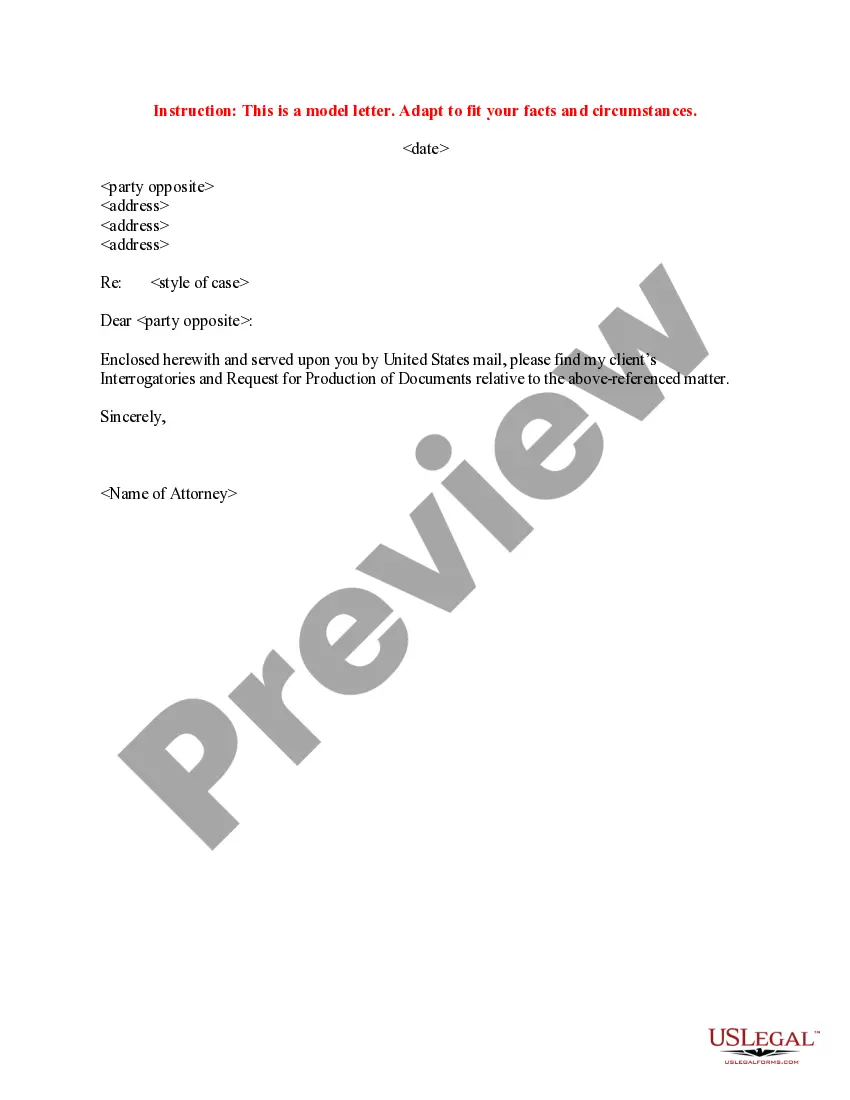
Get your form ready online
Our built-in tools help you complete, sign, share, and store your documents in one place.
Make edits, fill in missing information, and update formatting in US Legal Forms—just like you would in MS Word.
Download a copy, print it, send it by email, or mail it via USPS—whatever works best for your next step.
Sign and collect signatures with our SignNow integration. Send to multiple recipients, set reminders, and more. Go Premium to unlock E-Sign.
If this form requires notarization, complete it online through a secure video call—no need to meet a notary in person or wait for an appointment.
We protect your documents and personal data by following strict security and privacy standards.

Make edits, fill in missing information, and update formatting in US Legal Forms—just like you would in MS Word.

Download a copy, print it, send it by email, or mail it via USPS—whatever works best for your next step.

Sign and collect signatures with our SignNow integration. Send to multiple recipients, set reminders, and more. Go Premium to unlock E-Sign.

If this form requires notarization, complete it online through a secure video call—no need to meet a notary in person or wait for an appointment.

We protect your documents and personal data by following strict security and privacy standards.
Looking for another form?




How to fill out Sample Letter Requesting Answers To Discovery Material?
Managing legal documents can be daunting, even for the most experienced experts.
When looking for a Requesting Discovery Form For Work and lacking the time to find the correct and updated version, the process can be stressful.
Access legal and organization documents specific to your state or county.
US Legal Forms accommodates all your requirements, whether personal or business-related paperwork, all in one location.
If it's your initial experience with US Legal Forms, create a free account and gain unlimited access to all the platform's advantages. Here's what to do after you find the form you need.
- Utilize advanced tools to complete and manage your Requesting Discovery Form For Work.
- Tap into a resource collection of articles, guides, and resources pertinent to your circumstances and requirements.
- Conserve time and effort searching for the forms you need, and leverage US Legal Forms’ advanced search and Review tool to locate and retrieve Requesting Discovery Form For Work.
- If you possess a subscription, Log In to your US Legal Forms account, search for the form, and obtain it.
- Check out the My documents tab to inspect the documents you’ve previously downloaded and organize your folders as desired.
- A comprehensive online form database can dramatically improve the efficiency for anyone needing to navigate these scenarios.
- US Legal Forms stands out as a leading provider of online legal forms, with over 85,000 state-specific legal documents available to you at any time.
- With US Legal Forms, you have the capability to.
Form popularity
FAQ
'Request for discovery' refers to the formal request made by one party to another, seeking access to evidence and information relevant to the case. When you submit a requesting discovery form for work, you are essentially asking for specific documents, communications, or other materials that can help you navigate your legal situation. This process is vital for strengthening your position in legal proceedings.
Discovery is the formal process by which the parties to a case in court exchange information about the case. This includes information about the witnesses and evidence to be presented at trial. Its purpose is to make the parties aware of the evidence which may be presented at trial.
Discovery may be carried out by directly asking a person questions (oral depositions), by sending a person written questions (interrogatories and depositions on written questions), and by requesting that the person provide documents (motions for production, subpoenas duces tecum).
This is the formal process of exchanging information between the parties about the witnesses and evidence they ll present at trial. Discovery enables the parties to know before the trial begins what evidence may be presented.
Generally, a party may ask for any information that is not privileged and is relevant to the lawsuit. The information exchanged during discovery can include responses to questions, production of documents, statements, and identification of potential witnesses.
These initial disclosures provide a description of the evidence you currently have in your possession to support your claims, including a list of your potential witnesses and a list of documents that support your claims and defenses.
