Sample Letter Requesting For Help For School In Philadelphia
Description
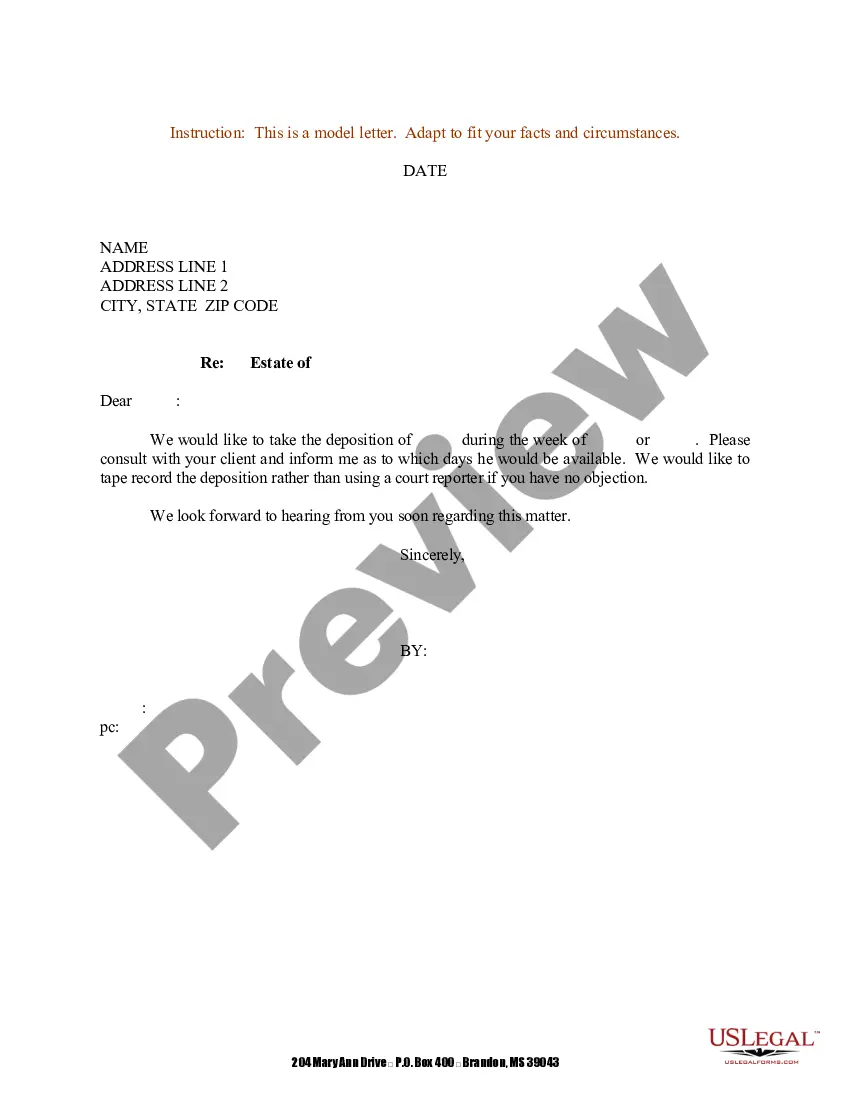
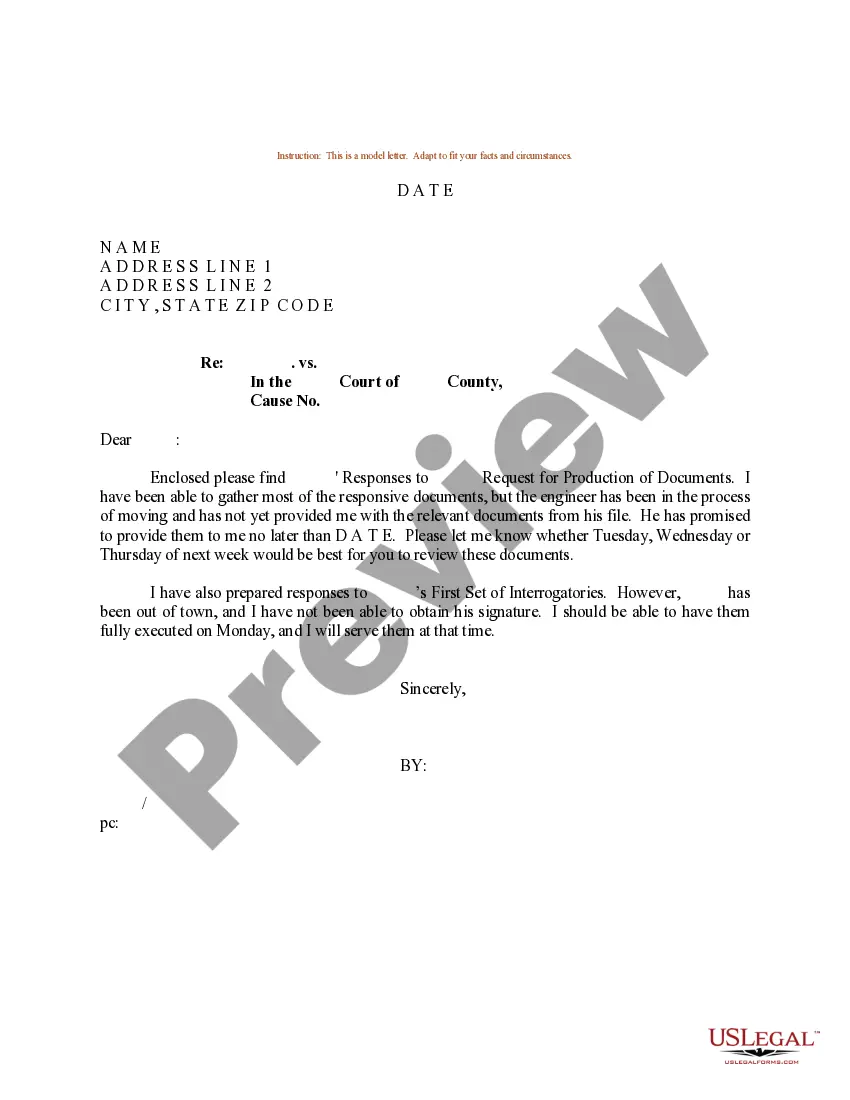
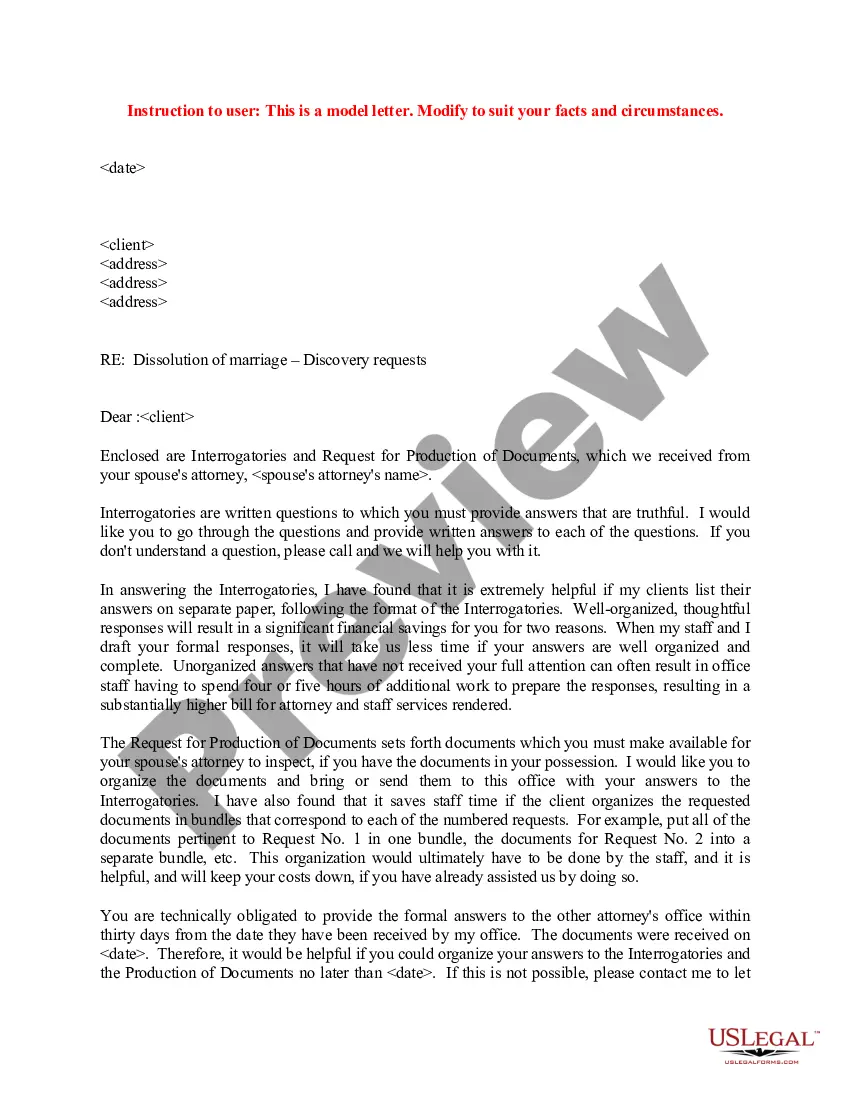
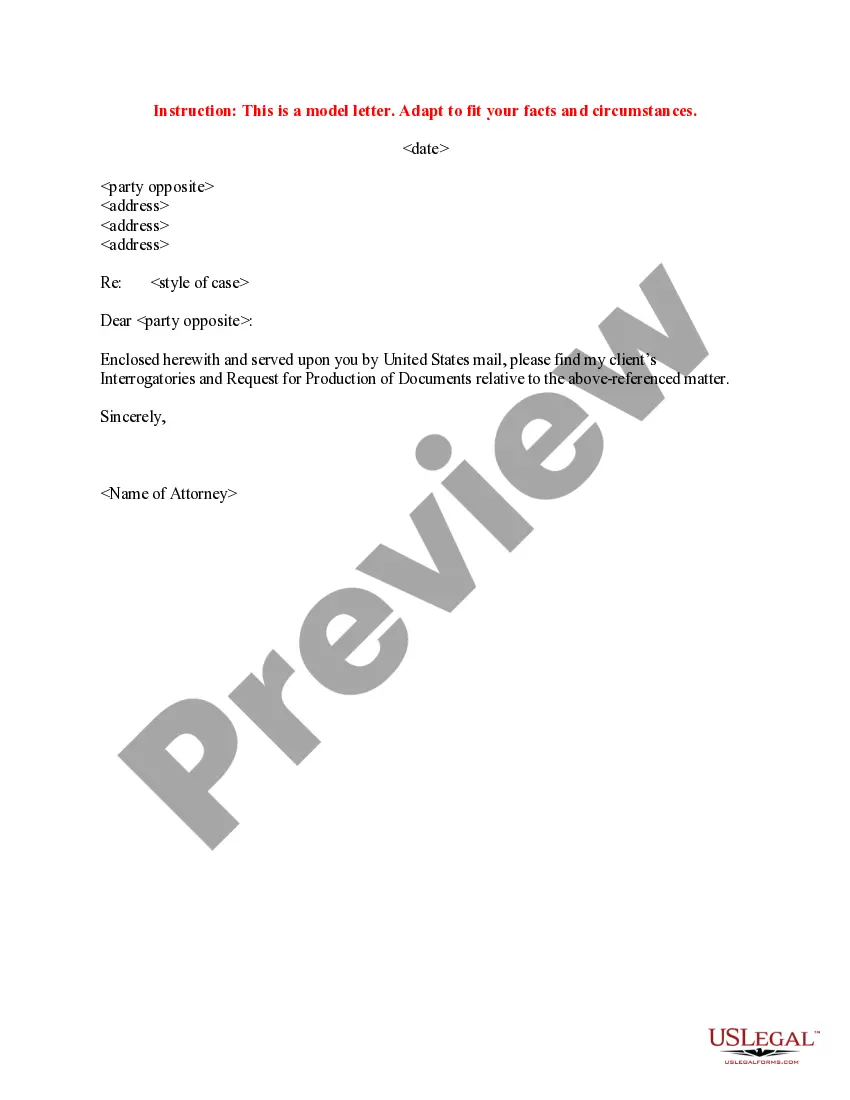
Get your form ready online
Our built-in tools help you complete, sign, share, and store your documents in one place.
Make edits, fill in missing information, and update formatting in US Legal Forms—just like you would in MS Word.
Download a copy, print it, send it by email, or mail it via USPS—whatever works best for your next step.
Sign and collect signatures with our SignNow integration. Send to multiple recipients, set reminders, and more. Go Premium to unlock E-Sign.
If this form requires notarization, complete it online through a secure video call—no need to meet a notary in person or wait for an appointment.
We protect your documents and personal data by following strict security and privacy standards.

Make edits, fill in missing information, and update formatting in US Legal Forms—just like you would in MS Word.

Download a copy, print it, send it by email, or mail it via USPS—whatever works best for your next step.

Sign and collect signatures with our SignNow integration. Send to multiple recipients, set reminders, and more. Go Premium to unlock E-Sign.

If this form requires notarization, complete it online through a secure video call—no need to meet a notary in person or wait for an appointment.

We protect your documents and personal data by following strict security and privacy standards.
Looking for another form?

Form popularity
FAQ
General Considerations When Writing an Evaluative Letter Share an accurate assessment of the applicant's suitability for the professional program. Briefly explain your relationship to the applicant (what capacity do you know the student, for how long and if your assessment is based upon direct or indirect observations)
The list of key parts are: Introduction and statement of recommendation. List of specific reasons you are recommending them to the position. Personal story with evidence of their qualities (soft and hard skills) Closing statement with contact information. Signature.
Dear (Principal's or Special Education Administrator's name): I am writing to request that my son/daughter, (child's name), be evaluated for special education services. I am worried that (child's name) is not doing well in school and believe he/she may need special services in order to learn.
How do you write a formal letter of request? Include contact details and the date. Open with a professional greeting. State your purpose for writing. Summarise your reason for writing. Explain your request in more detail. Conclude with thanks and a call to action. Close your letter. Note any enclosures.
Your letter should clearly state the facts of your family's financial situation and your financial need. It should explain why you need additional aid, even if the reason is something you find difficult or even embarrassing to talk about. Be candid and honest about your family finances.
Here is how to write a request letter in 7 steps: Collect information relating to your request. Create an outline. Introduce yourself. Make your request. Explain the reason for the request. Offer to provide additional information. Show your gratitude and conclude the letter.
How do you politely write a email to request something? Greet the person by name and show your appreciation for their help. Make your request in a polite way using expressions like “Would it be possible…?” or “Do you mind…?” to show consideration and respect for the other person's time.
State Your Request Clearly: Be specific about what you need help with. - Example: ``I'm struggling with (specific issue), and I would appreciate your advice.'' Be Considerate of Their Time: Show that you understand they may be busy. - Example: ``If you have a moment to spare, I'd be grateful for your assistance.''
Most letters have three parts: an opening statement that identifies the project/program where funds are being sought, one or two middle paragraphs that indicate the relationship of the writer to the effort seeking funding, and a closing statement.
Be Specific: Clearly state what you need help with. Be Polite: Use a courteous tone throughout the letter. Show Gratitude: Thank the person for their time and consideration. Keep it Brief: Avoid unnecessary details; be concise.
