Requesting Discovery Form For Chronic Medication In Ohio
Description
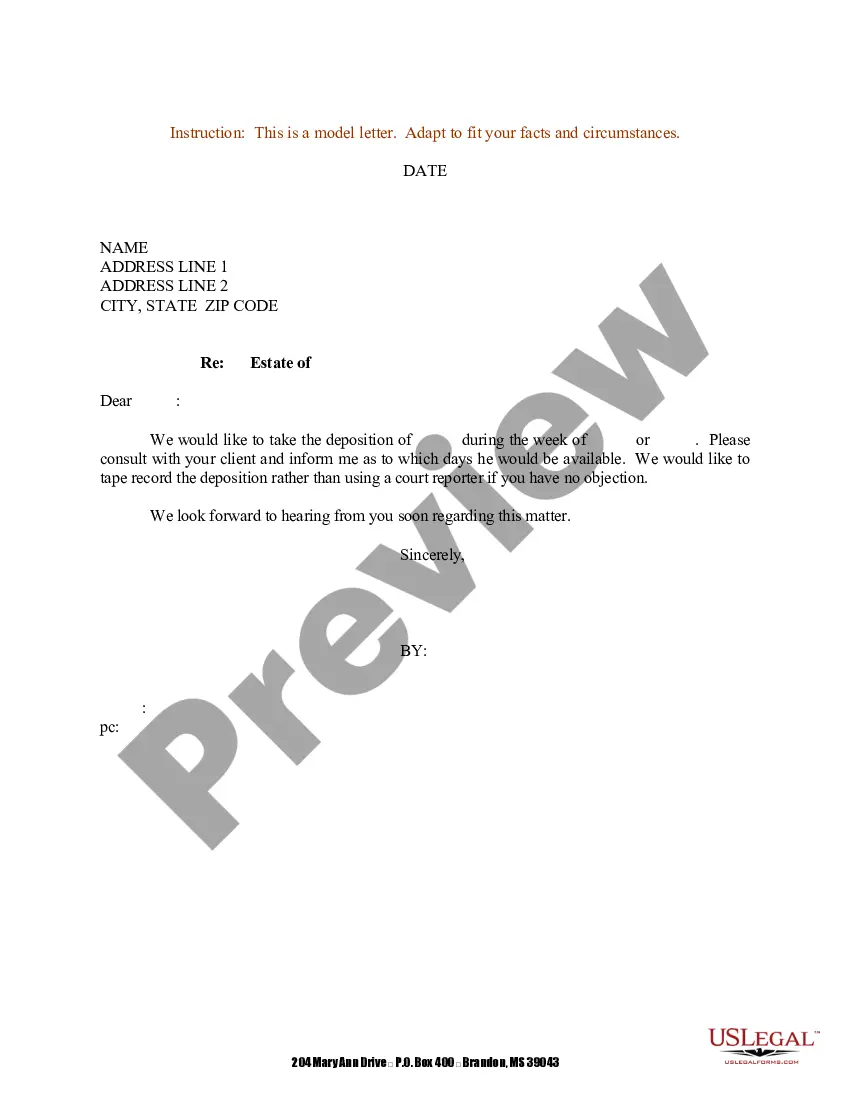
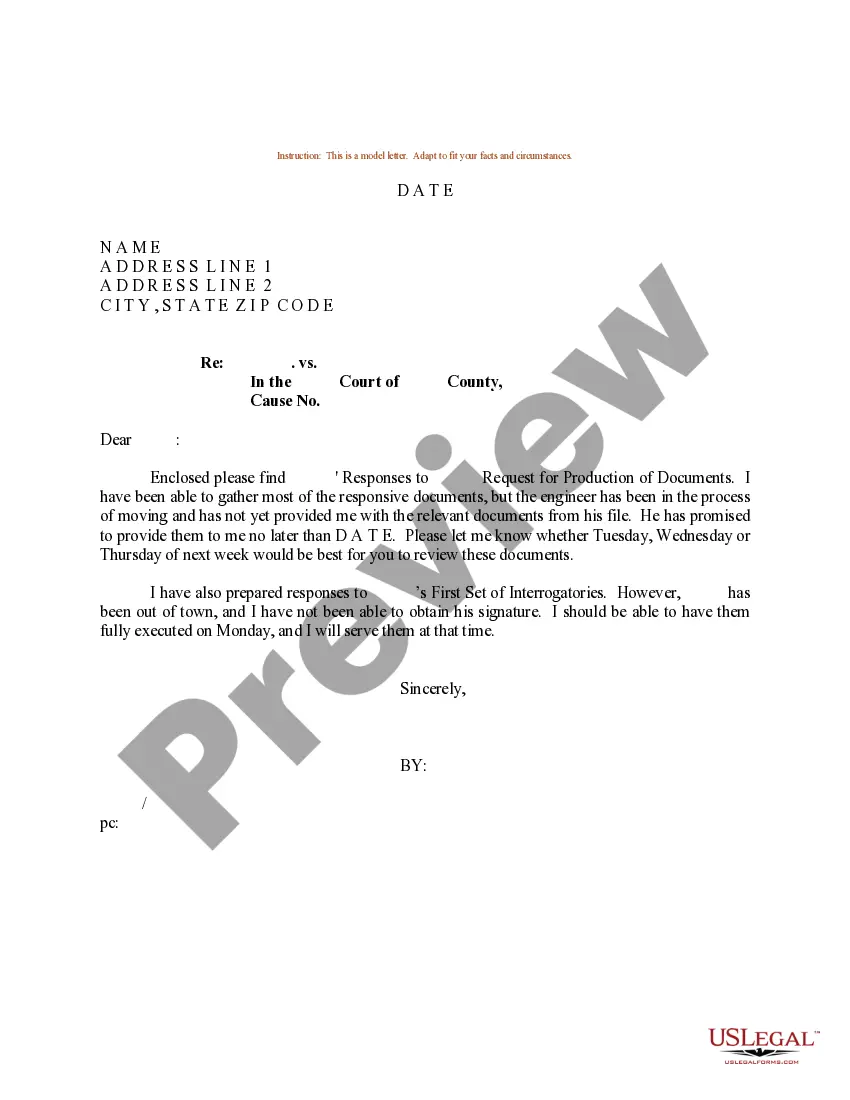
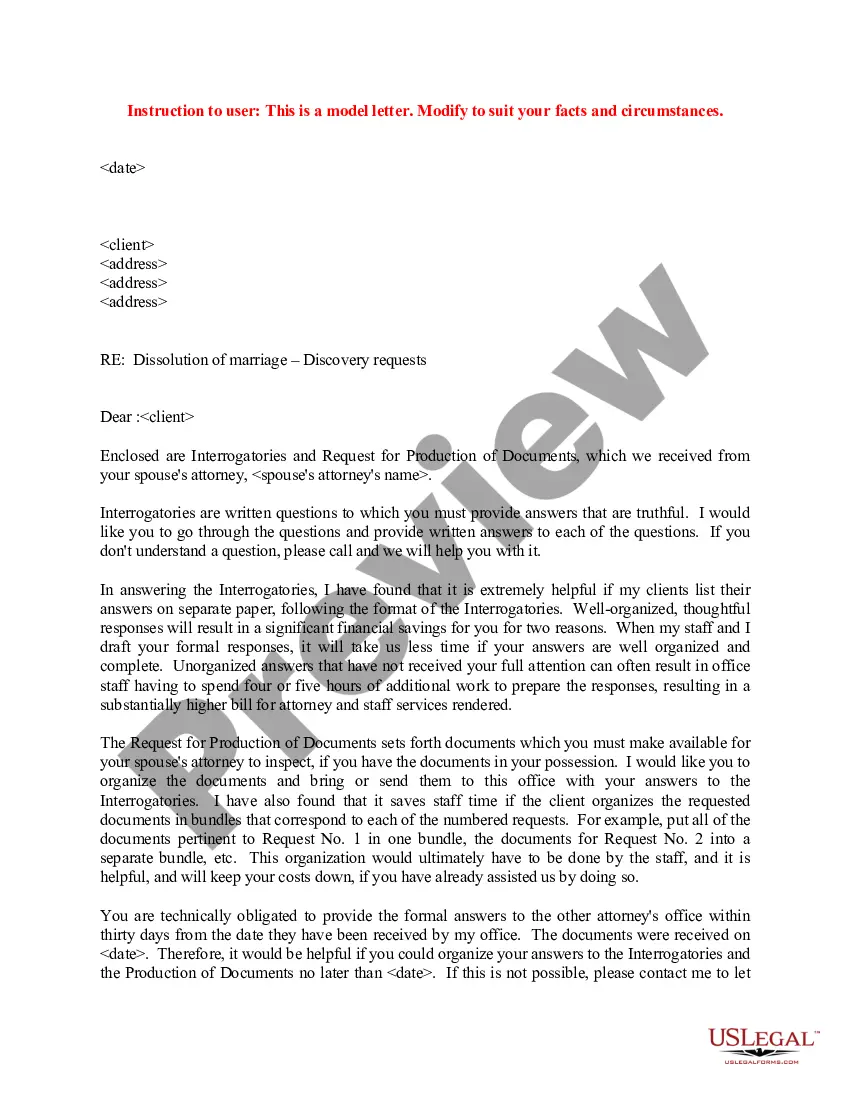
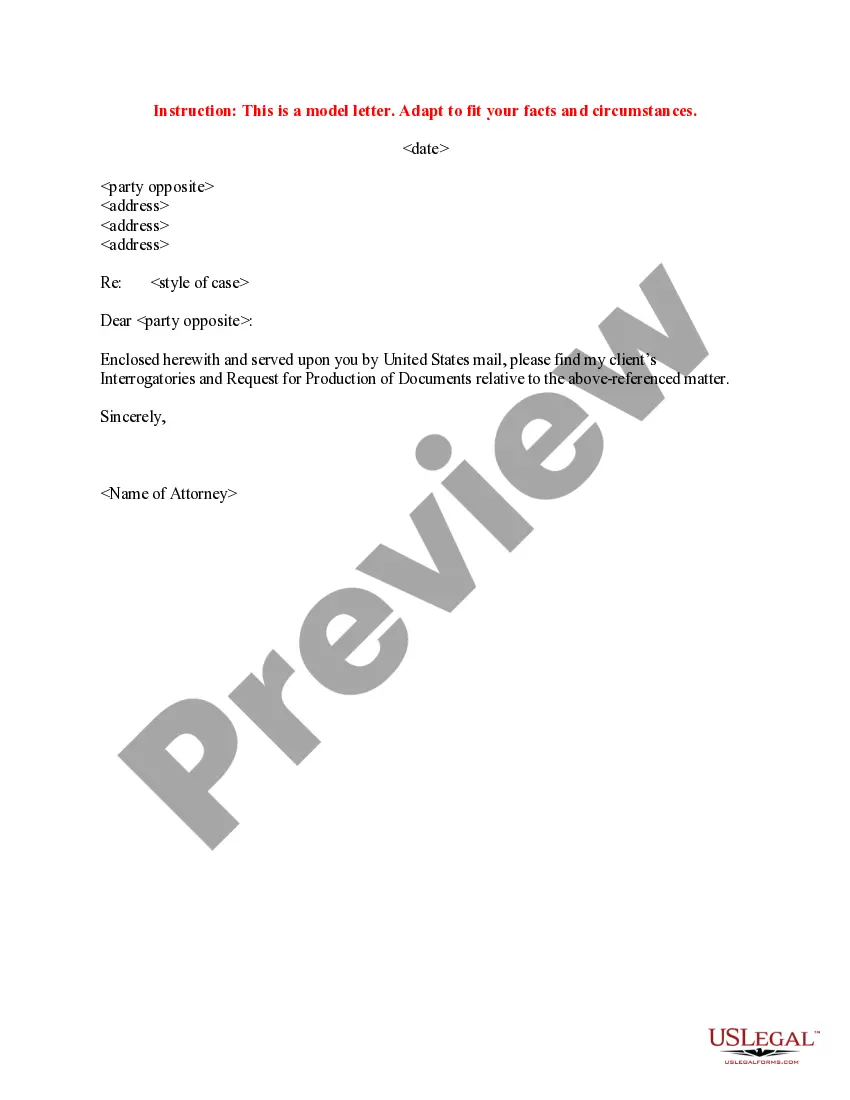
Get your form ready online
Our built-in tools help you complete, sign, share, and store your documents in one place.
Make edits, fill in missing information, and update formatting in US Legal Forms—just like you would in MS Word.
Download a copy, print it, send it by email, or mail it via USPS—whatever works best for your next step.
Sign and collect signatures with our SignNow integration. Send to multiple recipients, set reminders, and more. Go Premium to unlock E-Sign.
If this form requires notarization, complete it online through a secure video call—no need to meet a notary in person or wait for an appointment.
We protect your documents and personal data by following strict security and privacy standards.

Make edits, fill in missing information, and update formatting in US Legal Forms—just like you would in MS Word.

Download a copy, print it, send it by email, or mail it via USPS—whatever works best for your next step.

Sign and collect signatures with our SignNow integration. Send to multiple recipients, set reminders, and more. Go Premium to unlock E-Sign.

If this form requires notarization, complete it online through a secure video call—no need to meet a notary in person or wait for an appointment.

We protect your documents and personal data by following strict security and privacy standards.
Looking for another form?



Form popularity
FAQ
In Ohio, discovery is governed by Criminal Rule 16 of the Ohio Rules of Criminal Procedure. This rule outlines the obligations and rights of both the defense and the prosecution in terms of sharing evidence and information before trial.
Discovery is the process of obtaining the evidence that the state plans to use against a defendant. It's just a fancy word for evidence. Whenever an attorney says, “I'm going to request discovery,” that means they're going to get the evidence that the state claims they have.
The California discovery rule stops the clock on the statute of limitations until the plaintiff either finds out about the cause of action or has a good reason to do so. This rule comes into play when the plaintiff didn't realize, and a reasonable person wouldn't have realized, that they were harmed.
When a person claiming to have a cause of action or a defense to an action commenced against him, without the discovery of a fact from the adverse party, is unable to file his complaint or answer, he may bring an action for discovery, setting forth in his complaint in the action for discovery the necessity and the ...
(c) If service of process is refused or was unclaimed, the Clerk shall forthwith electronically file a Return of Service Unexecuted which shall serve as notice to the attorney of record or if there is no attorney of record, the party at whose instance process was issued (who shall be copied by regular mail), that ...
Rule 26 - General Provisions Governing Discovery (A)Policy; discovery methods It is the policy of these rules (1) to preserve the right of attorneys to prepare cases for trial with that degree of privacy necessary to encourage them to prepare their cases thoroughly and to investigate not only the favorable but the ...
Rule 33 - Interrogatories to Parties (A) Availability; procedures for use. Any party, without leave of court, may serve upon any other party up to forty written interrogatories to be answered by the party served.
Taking a deeper look at FRCP Rule 26 reveals that it: Mandates under Federal Rule of Civil Procedure 26(a)(1) that parties make initial disclosures of documents and witnesses central to fact-gathering. Enables written interrogatories and depositions to uncover further case evidence.
R. 26. Physical property, other than contraband, as defined by statute, under the control of a Prosecuting Attorney for use as evidence in a hearing or trial should be returned to the owner at the earliest possible time.

