Agreement Letter For Job In Nevada
Description
Get your form ready online
Our built-in tools help you complete, sign, share, and store your documents in one place.
Make edits, fill in missing information, and update formatting in US Legal Forms—just like you would in MS Word.
Download a copy, print it, send it by email, or mail it via USPS—whatever works best for your next step.
Sign and collect signatures with our SignNow integration. Send to multiple recipients, set reminders, and more. Go Premium to unlock E-Sign.
If this form requires notarization, complete it online through a secure video call—no need to meet a notary in person or wait for an appointment.
We protect your documents and personal data by following strict security and privacy standards.

Make edits, fill in missing information, and update formatting in US Legal Forms—just like you would in MS Word.

Download a copy, print it, send it by email, or mail it via USPS—whatever works best for your next step.

Sign and collect signatures with our SignNow integration. Send to multiple recipients, set reminders, and more. Go Premium to unlock E-Sign.

If this form requires notarization, complete it online through a secure video call—no need to meet a notary in person or wait for an appointment.

We protect your documents and personal data by following strict security and privacy standards.
Looking for another form?








Form popularity
FAQ
Guide to writing contracts of employment Names of the parties. The full details of the business, and the employee's full name and address. Employment contract start date. Employee's job title and description. Workplace. Working hours. Probationary period. Salary. Deductions.
Elements of a work-for-hire agreement Scope of the project—exactly what is to be done or produced. Due date of the project—negotiated with regard to both parties' schedules. Rights to be sold. Payment terms. Confidentiality terms (if any) Arbitration terms (if any) Severability—getting out of the agreement.
Elements of a work-for-hire agreement Scope of the project—exactly what is to be done or produced. Due date of the project—negotiated with regard to both parties' schedules. Rights to be sold. Payment terms. Confidentiality terms (if any) Arbitration terms (if any) Severability—getting out of the agreement.
How to Write a Letter of Agreement Start with Basic Information. Define Employment Terms. Outline Compensation and Benefits. Include Non-Disclosure and Non-Compete Clauses. Address the Probationary Period (if applicable). Set the Code of Conduct and Policies. Explain Termination Conditions. Detail Severance Terms:
For example, a magazine employing a photographer might insist on keeping the copyright and state in its contract with the photographer that the pictures she takes are works-for-hire.
In the UK, the work for hire doctrine is not explicitly codified. Instead, the Copyright, Designs and Patents Act, 1988 establishes that: Copyright in works created by employees during the course of their employment vests in the employer.
How to Write a Letter of Agreement Start with Basic Information. Define Employment Terms. Outline Compensation and Benefits. Include Non-Disclosure and Non-Compete Clauses. Address the Probationary Period (if applicable). Set the Code of Conduct and Policies. Explain Termination Conditions. Detail Severance Terms:
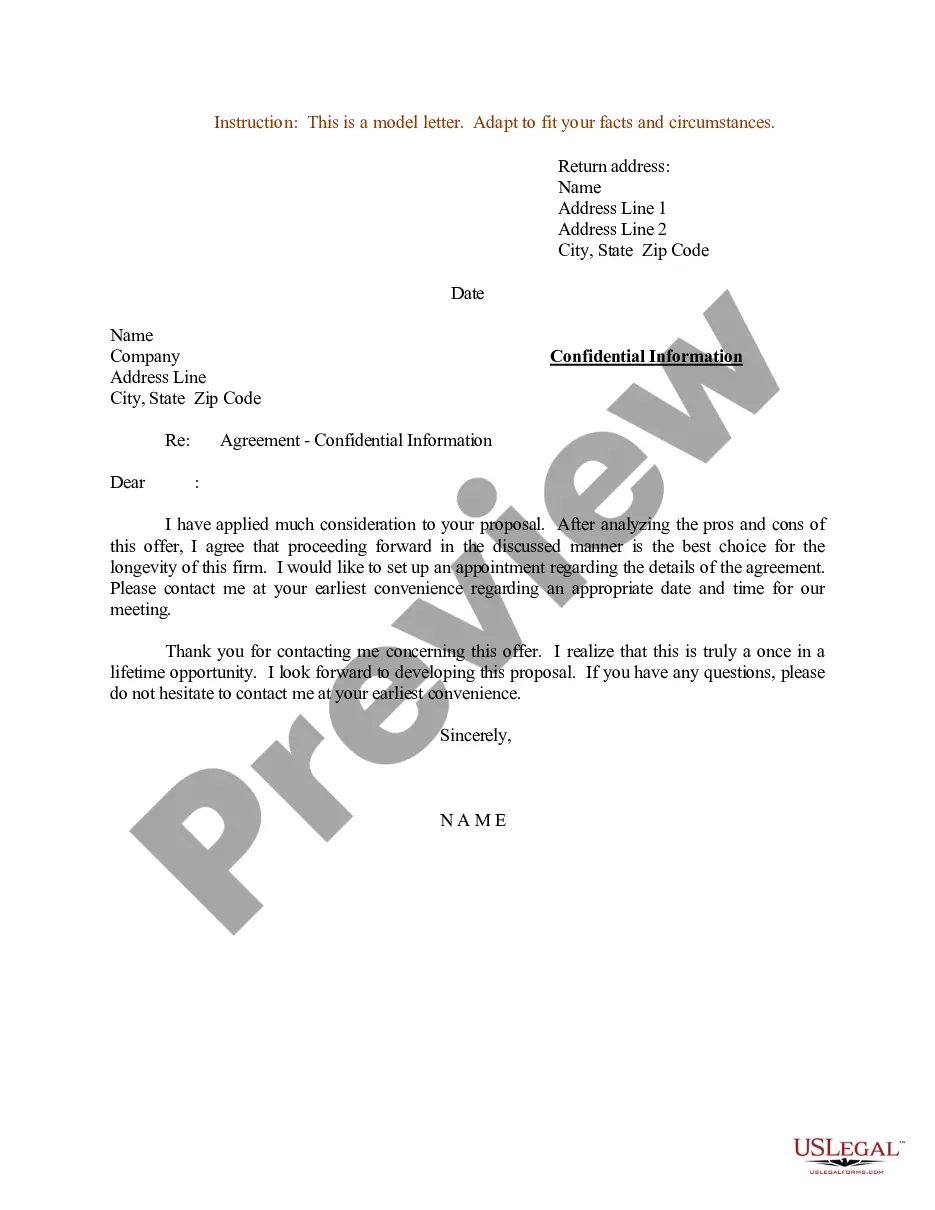
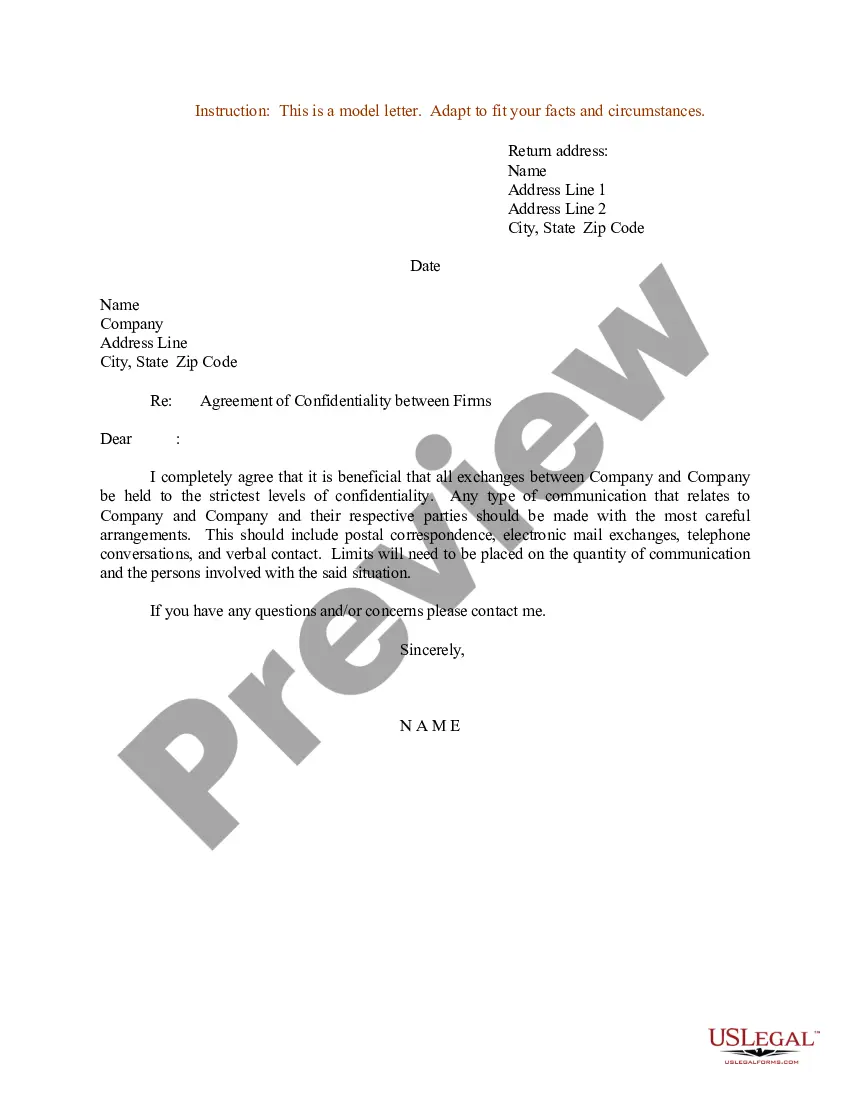
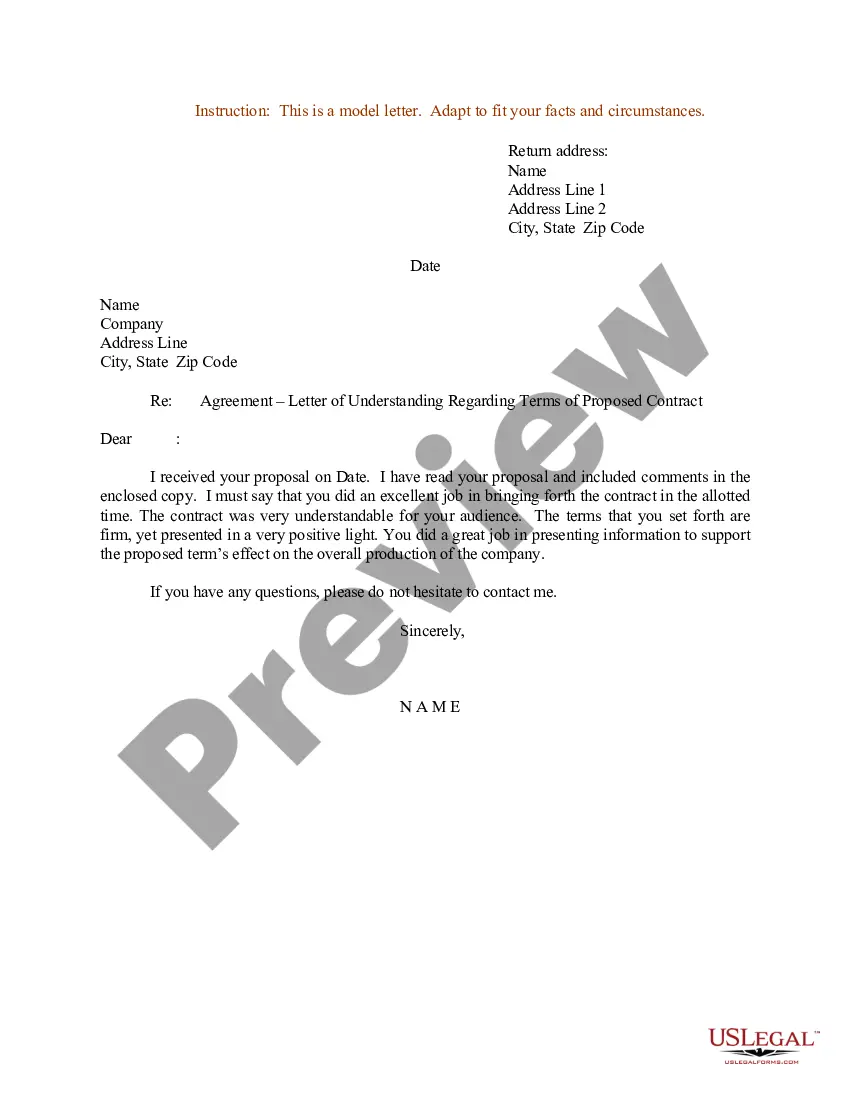
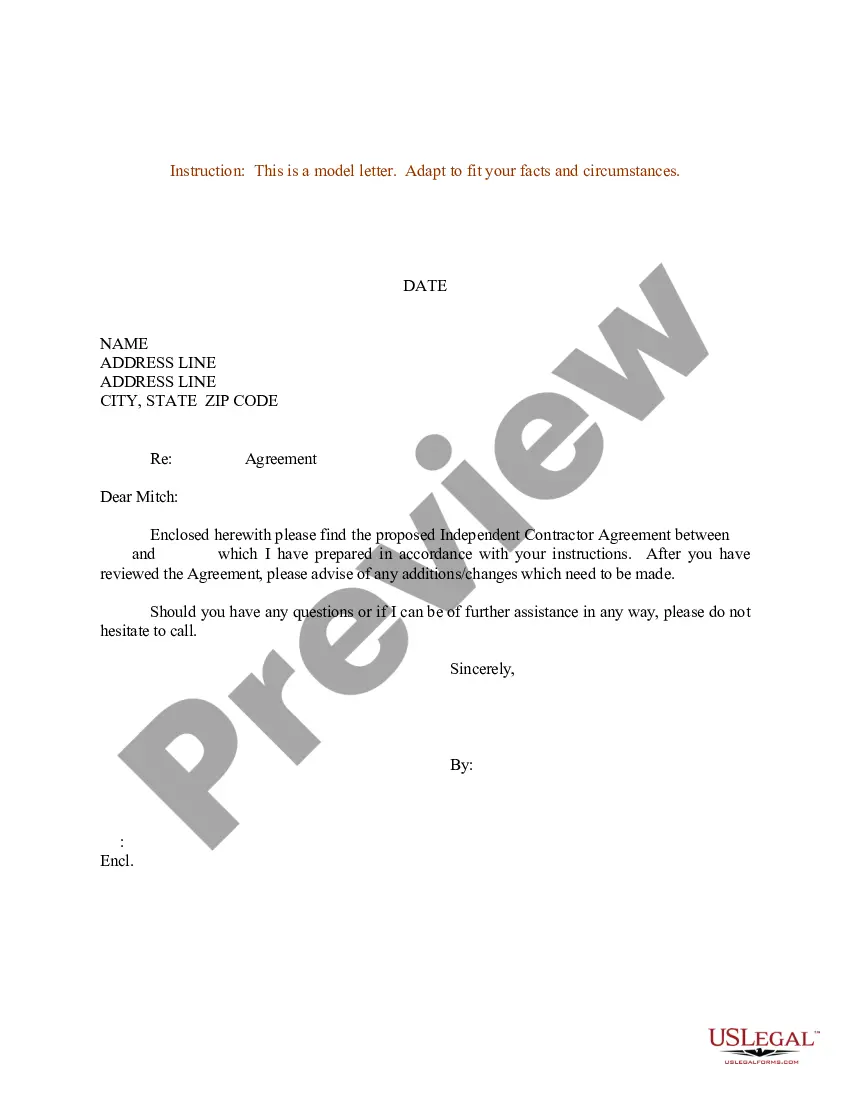
Your letter should include: The date. Be addressed to the person with whom you're entering the agreement. Basic details of the work to be completed. Any special instructions or stipulations. Information about whether another agreement will come after the letter. A place for both parties to sign.
How to write a contract letter Create an introduction. Detail position information. Discuss compensation and benefits. Describe terms of employment. Add training or probationary information. Highlight additional agreements. Inform about agreement decision. Add signature information.

