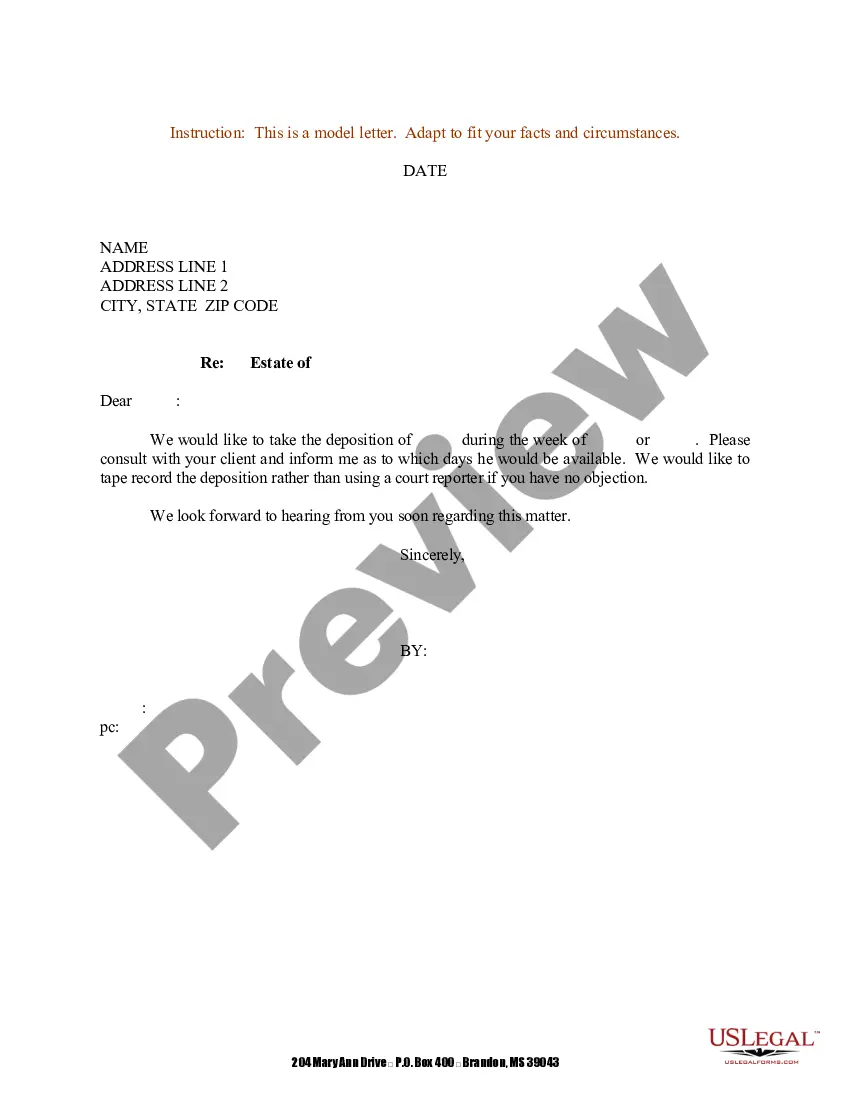
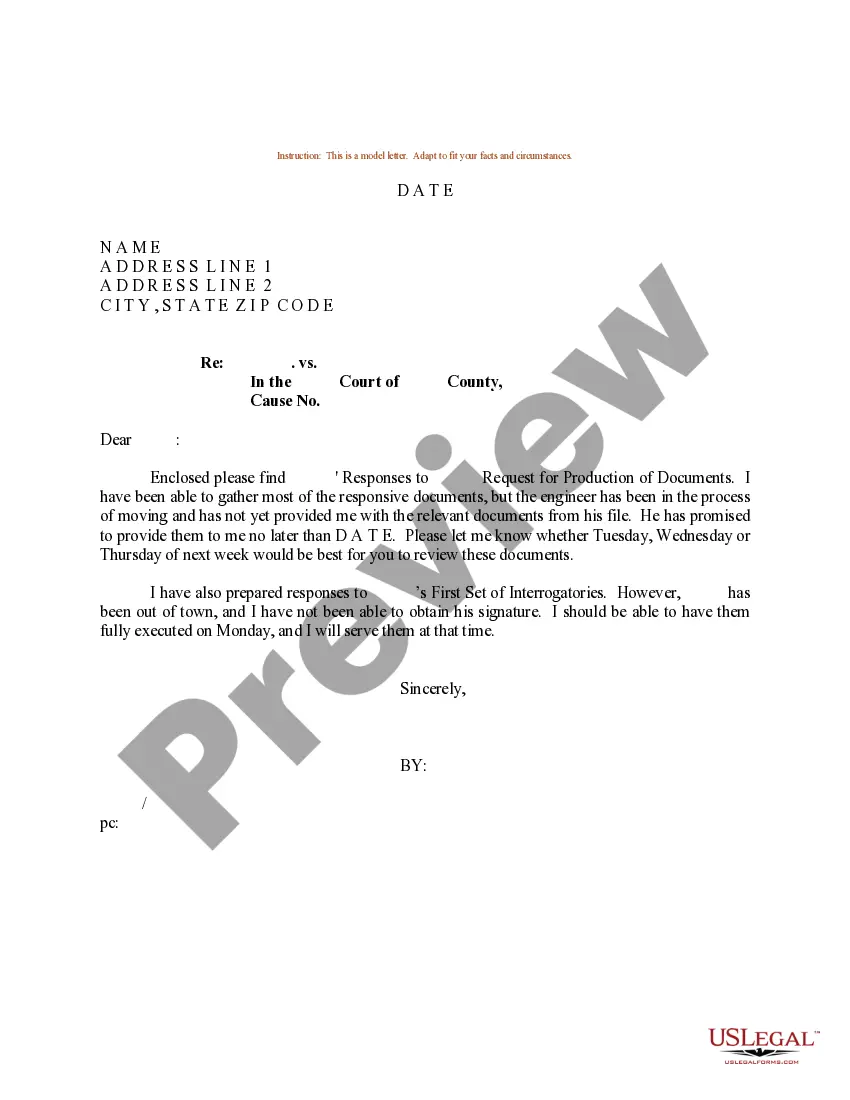
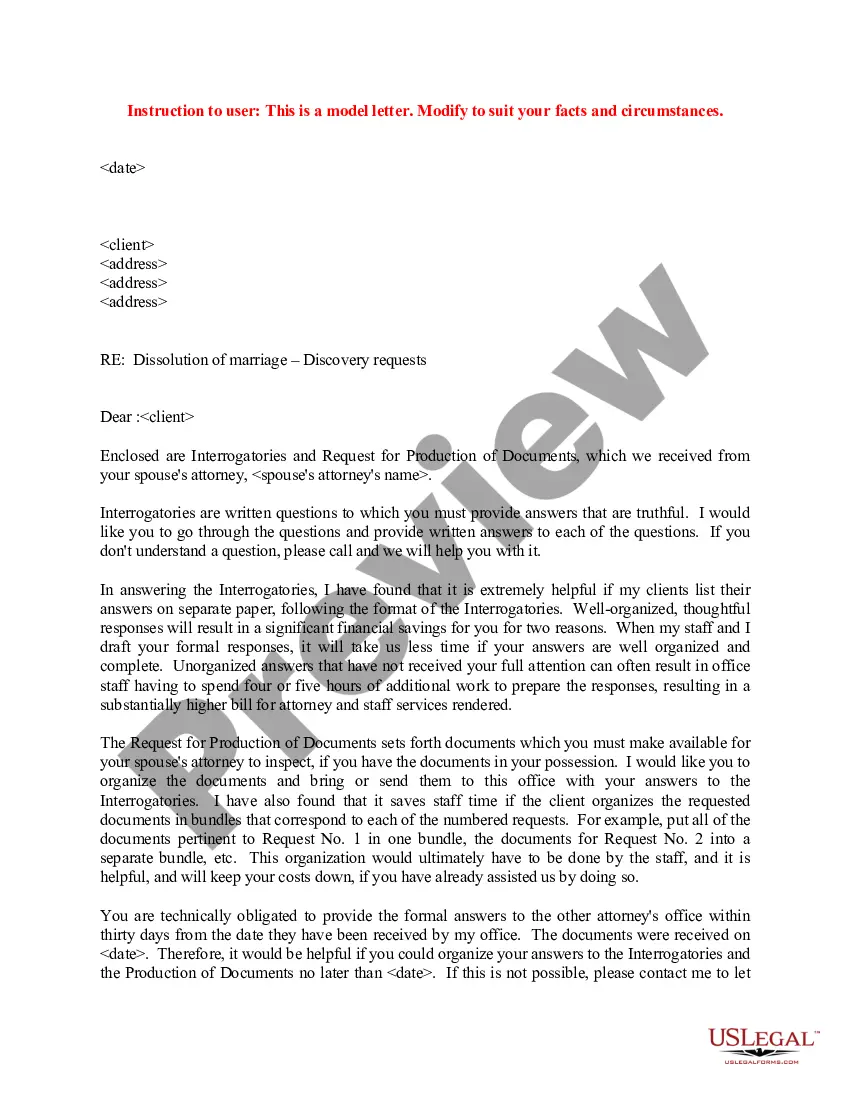
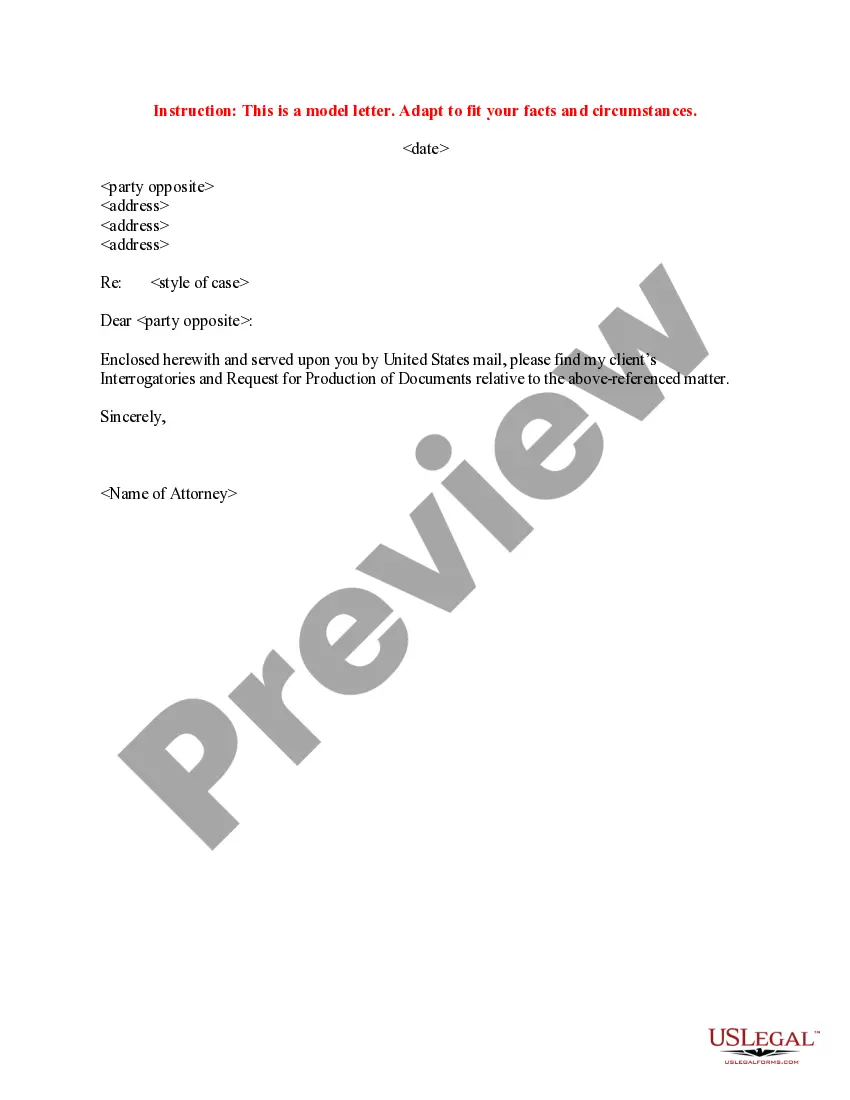
Requesting Discovery Form With Two Points In North Carolina
Description
Get your form ready online
Our built-in tools help you complete, sign, share, and store your documents in one place.
Make edits, fill in missing information, and update formatting in US Legal Forms—just like you would in MS Word.
Download a copy, print it, send it by email, or mail it via USPS—whatever works best for your next step.
Sign and collect signatures with our SignNow integration. Send to multiple recipients, set reminders, and more. Go Premium to unlock E-Sign.
If this form requires notarization, complete it online through a secure video call—no need to meet a notary in person or wait for an appointment.
We protect your documents and personal data by following strict security and privacy standards.

Make edits, fill in missing information, and update formatting in US Legal Forms—just like you would in MS Word.

Download a copy, print it, send it by email, or mail it via USPS—whatever works best for your next step.

Sign and collect signatures with our SignNow integration. Send to multiple recipients, set reminders, and more. Go Premium to unlock E-Sign.

If this form requires notarization, complete it online through a secure video call—no need to meet a notary in person or wait for an appointment.

We protect your documents and personal data by following strict security and privacy standards.
Looking for another form?








Form popularity
FAQ
– Parties may obtain discovery regarding any matter, not privileged, which is relevant to the subject matter involved in the pending action, whether it relates to the claim or defense of the party seeking discovery or to the claim or defense of any other party, including the existence, description, nature, custody, ...
N.C. Gen. Stat. § 8C-1, Rules 1002 and 1003, otherwise known as the “best evidence rule,” requires the production of the original or authentic duplicate of a writing, recording or photograph in order to prove its contents.
Rule 37-Failure to Make or Cooperate in Discovery: Sanctions. (a) Motion for Order Compelling Disclosure or Discovery. A party, upon reasonable notice to other parties and all persons affected thereby, may apply for an order compelling disclosure or discovery as follows: (1) Appropriate Court.
The court shall grant summary judgment if the movant shows that there is no genuine dispute as to any material fact and the movant is entitled to judgment as a matter of law. The court should state on the record the reasons for granting or denying the motion. (b) Time to File a Motion.
Generally, discovery requests should be sent to the law enforcement agency that issued the ticket, the prosecuting attorney (in jurisdictions that use prosecutors in traffic court), and to the traffic court clerk.
This request must be filed within ten days of probable cause hearing or after waiving probable cause hearing. If no probable cause hearing or waiver occurs, the request should be filed within ten days of service of indictment, consent to bill of information, or appointment of counsel, whichever occurs later.
This request must be filed within ten days of probable cause hearing or after waiving probable cause hearing. If no probable cause hearing or waiver occurs, the request should be filed within ten days of service of indictment, consent to bill of information, or appointment of counsel, whichever occurs later.
The North Carolina courts have similarly recognized that a defendant has discovery rights under Article I, section 19 of the North Carolina Constitution (law of land clause). See State v. Cunningham, 108 N.C. App.
Rule 11. – Every pleading, motion, and other paper of a party represented by an attorney shall be signed by at least one attorney of record in his individual name, whose address shall be stated.
If a request, response, or objection is not signed, it shall be stricken unless it is signed promptly after the omission is called to the attention of the party making the request, response, or objection and a party shall not be obligated to take any action with respect to it until it is signed.

