Requesting Discovery Form For Court In New York
Description
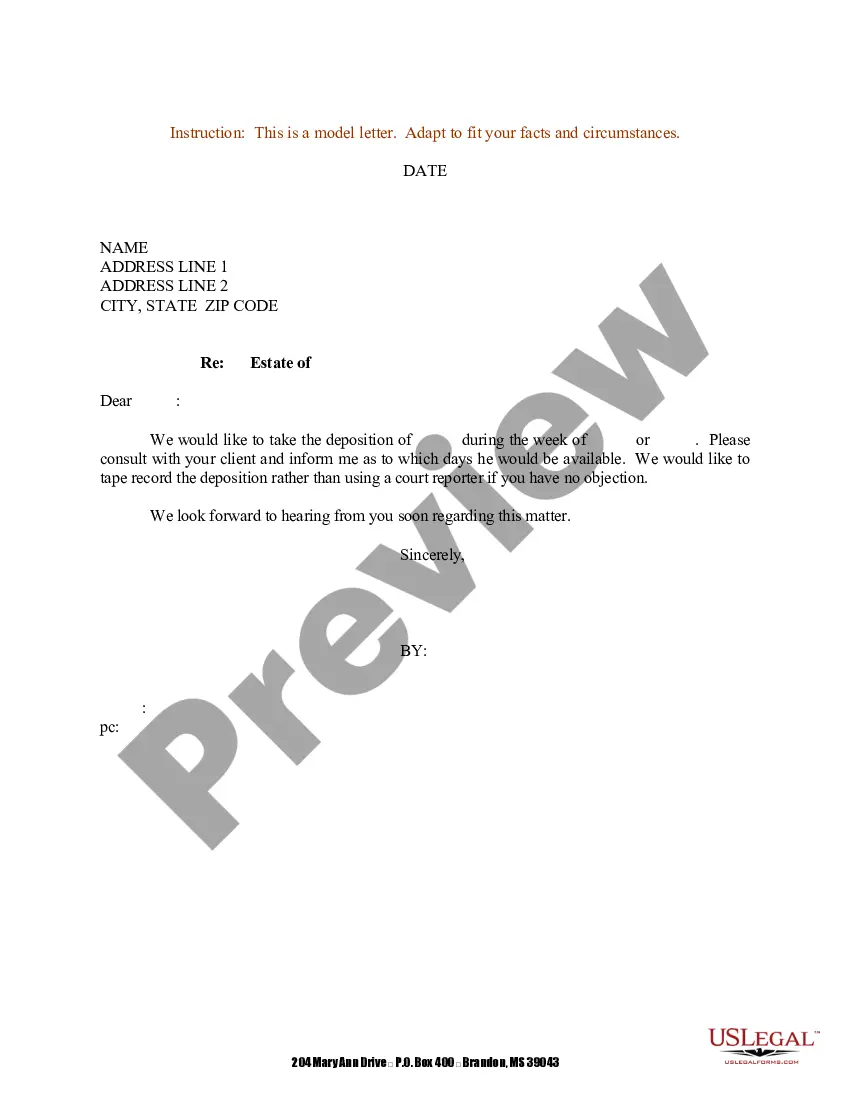
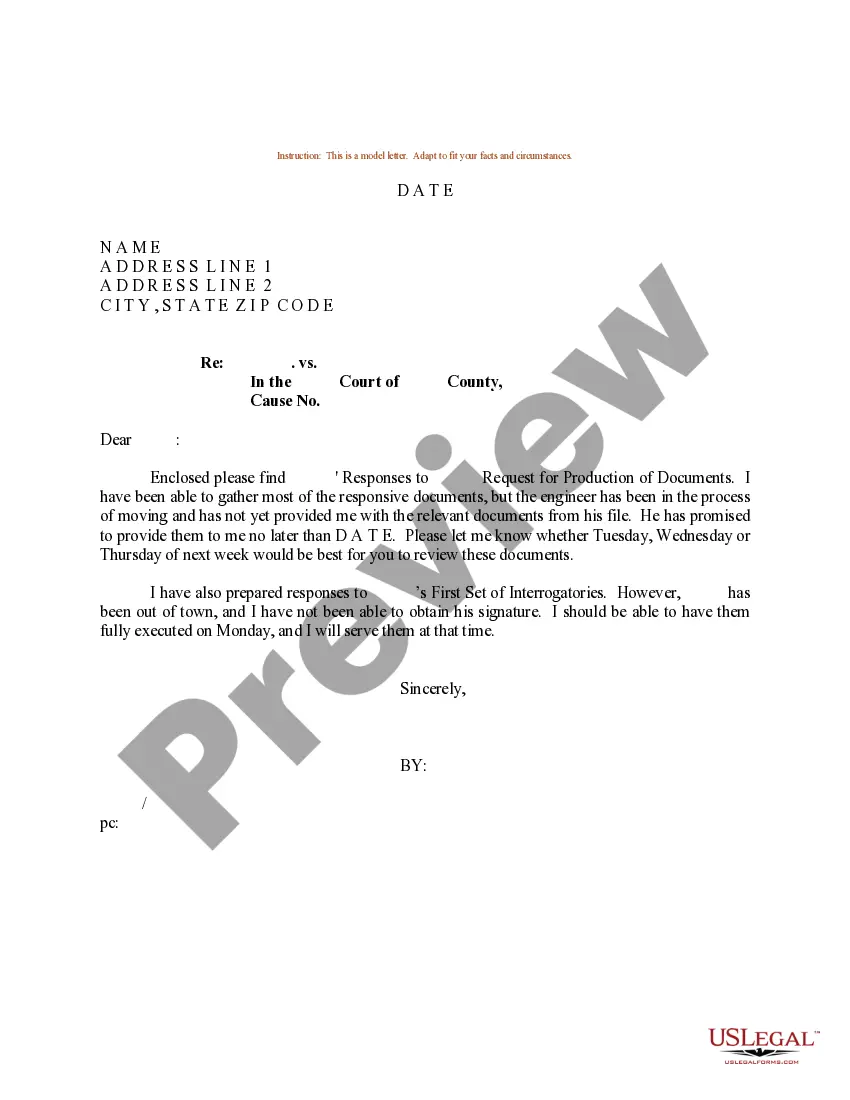
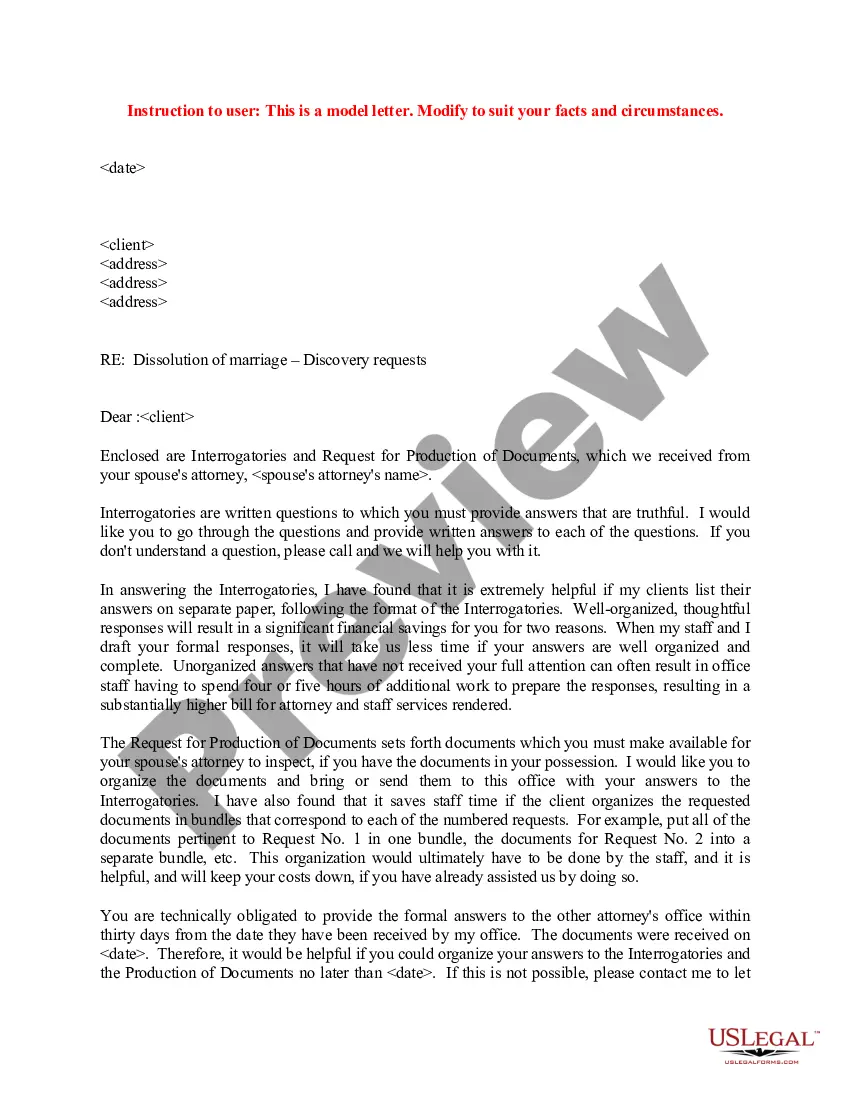
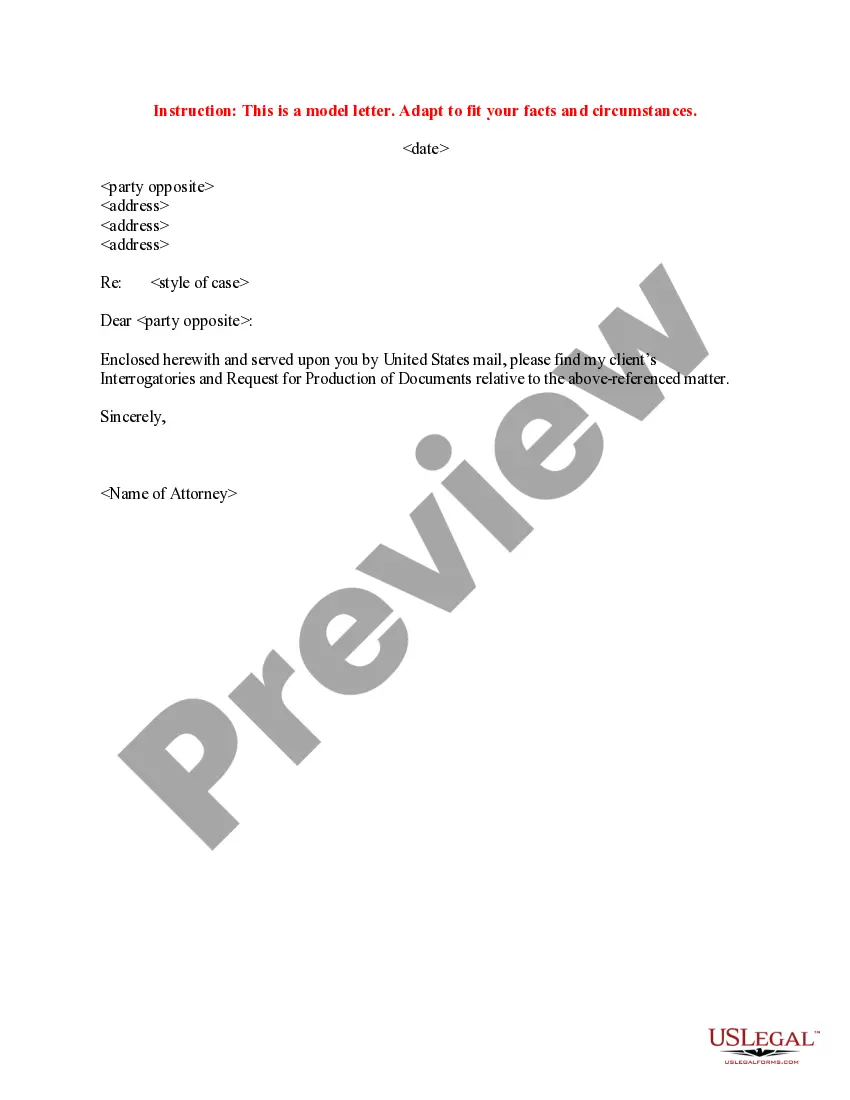
Get your form ready online
Our built-in tools help you complete, sign, share, and store your documents in one place.
Make edits, fill in missing information, and update formatting in US Legal Forms—just like you would in MS Word.
Download a copy, print it, send it by email, or mail it via USPS—whatever works best for your next step.
Sign and collect signatures with our SignNow integration. Send to multiple recipients, set reminders, and more. Go Premium to unlock E-Sign.
If this form requires notarization, complete it online through a secure video call—no need to meet a notary in person or wait for an appointment.
We protect your documents and personal data by following strict security and privacy standards.

Make edits, fill in missing information, and update formatting in US Legal Forms—just like you would in MS Word.

Download a copy, print it, send it by email, or mail it via USPS—whatever works best for your next step.

Sign and collect signatures with our SignNow integration. Send to multiple recipients, set reminders, and more. Go Premium to unlock E-Sign.

If this form requires notarization, complete it online through a secure video call—no need to meet a notary in person or wait for an appointment.

We protect your documents and personal data by following strict security and privacy standards.
Looking for another form?








Form popularity
FAQ
Parties usually send their discovery requests and responses to the other party electronically, by email. But, parties may also send or respond to discovery requests by U.S. mail or a parcel service. Discovery requests and responses should not be sent to the Administrative Judge, except to support a motion.
The very first step in any discovery process is typically a kickoff meeting. If you're working one-on-one with a client, this meeting is just between you and your client.
You or your lawyer may file a motion for discovery to request that the state produce evidence it plans to introduce at trial. Your lawyer needs to know the type of evidence the state will use against you at trial so that they can properly prepare for your case.
The rule acknowledges that victims cannot sue for damages they are unaware of, and it adjusts the legal timeline ingly. This rule, however, is not without its limits. New York law specifies certain conditions under which the discovery rule applies, and understanding these specifics is crucial.
The California discovery rule stops the clock on the statute of limitations until the plaintiff either finds out about the cause of action or has a good reason to do so. This rule comes into play when the plaintiff didn't realize, and a reasonable person wouldn't have realized, that they were harmed.
Discovery is how you gather the evidence you will need to prove your case as plaintiff, or defeat the plaintiff's case as a defendant. You use discovery to find out things like: What the other side plans to say about an issue in your case.
In some cases, the offense may not become known until a later date. In these instances, New York laws sometimes allow the statute of limitations period to commence on the date the injury is discovered or should reasonably have been discovered. This is known as the discovery rule.
Effective January 1, 2020, New York State is replacing its discovery law, dubbed the “blindfold” law, with a new statute requiring the sharing of evidence by default between the prosecution and defense on an accelerated timeline.
The definition of “discovery” in law is the exchange of legal information and known facts of a case.

