Requesting Discovery Form For Court In Nevada
Description
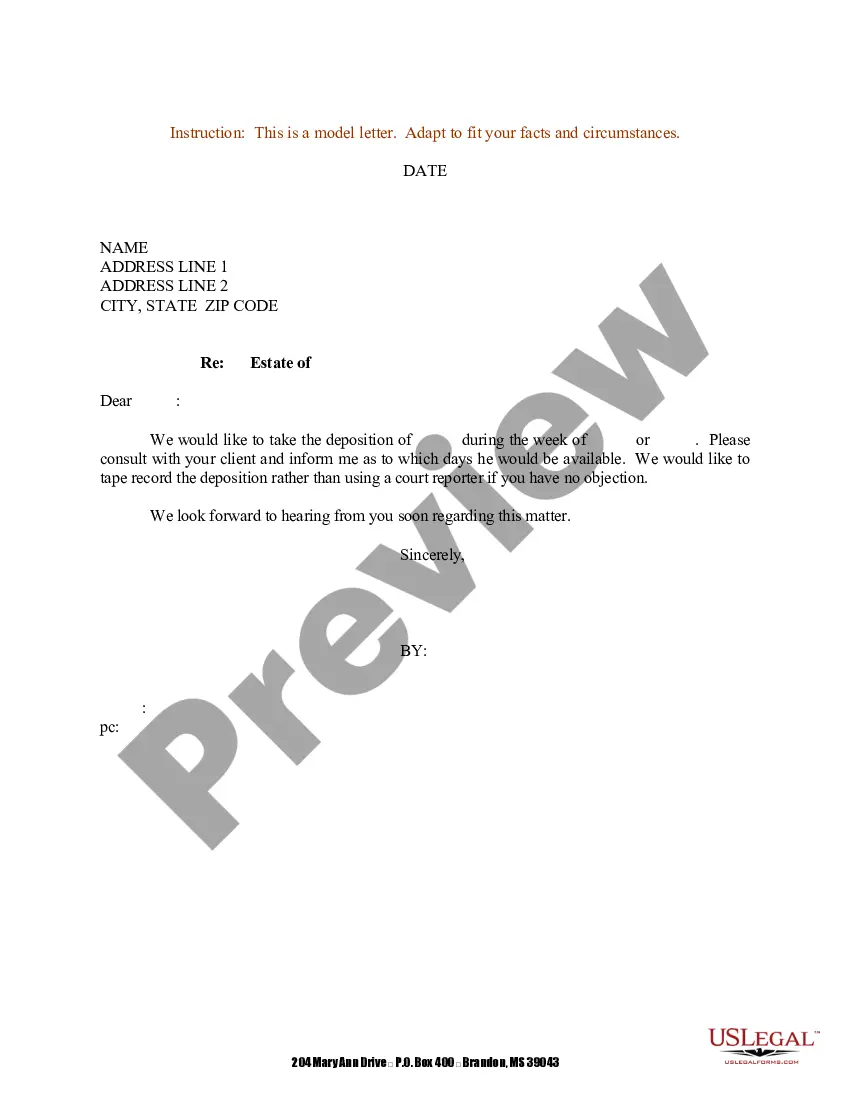
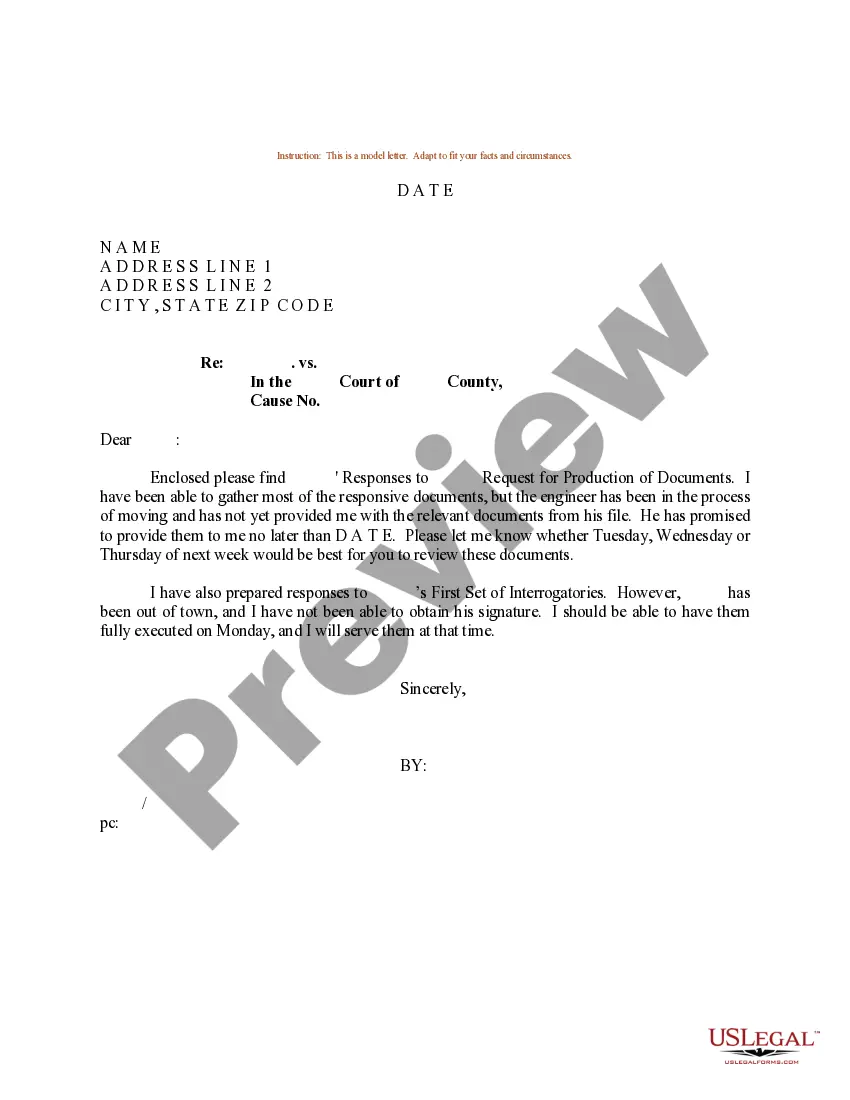
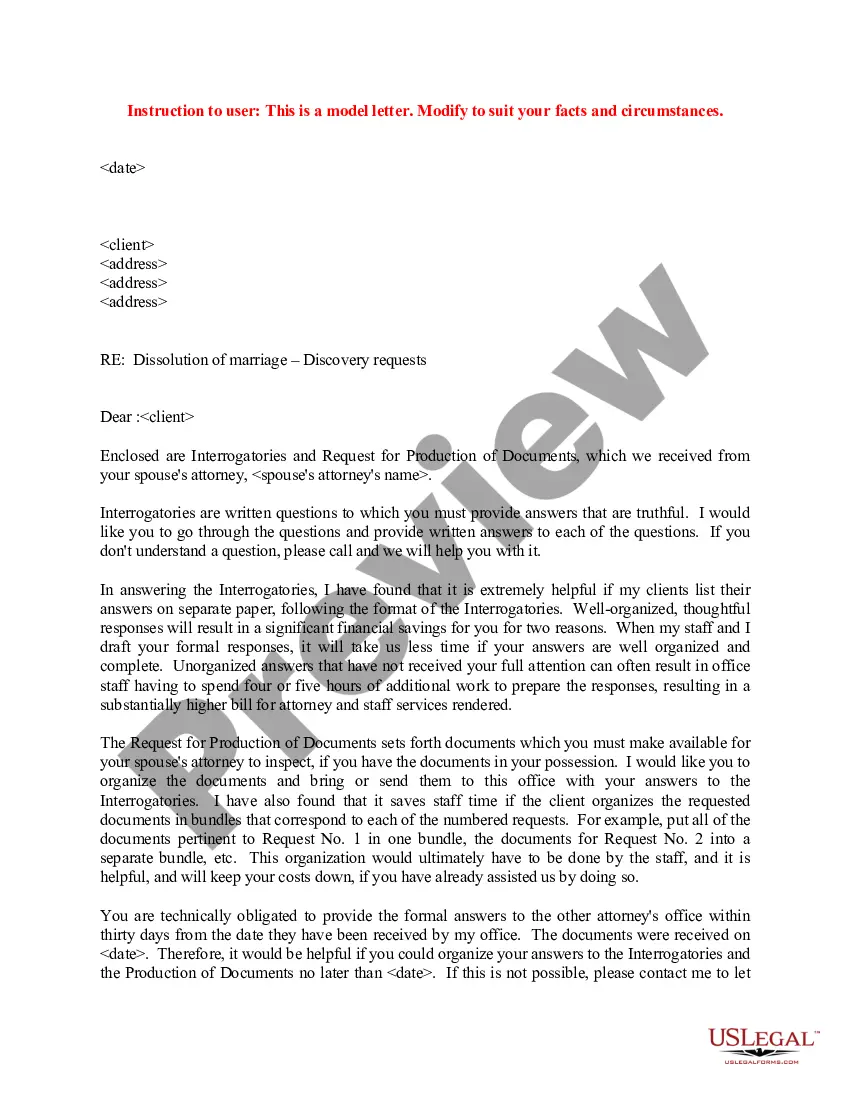
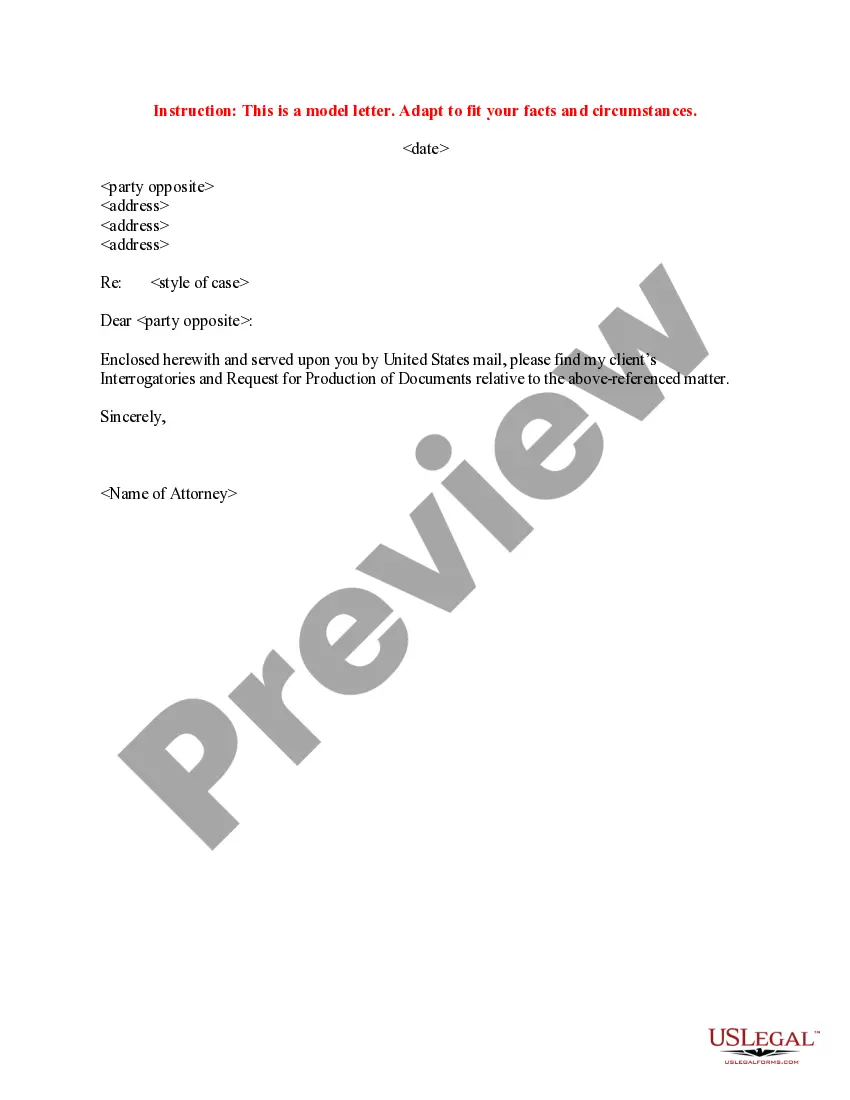
Get your form ready online
Our built-in tools help you complete, sign, share, and store your documents in one place.
Make edits, fill in missing information, and update formatting in US Legal Forms—just like you would in MS Word.
Download a copy, print it, send it by email, or mail it via USPS—whatever works best for your next step.
Sign and collect signatures with our SignNow integration. Send to multiple recipients, set reminders, and more. Go Premium to unlock E-Sign.
If this form requires notarization, complete it online through a secure video call—no need to meet a notary in person or wait for an appointment.
We protect your documents and personal data by following strict security and privacy standards.

Make edits, fill in missing information, and update formatting in US Legal Forms—just like you would in MS Word.

Download a copy, print it, send it by email, or mail it via USPS—whatever works best for your next step.

Sign and collect signatures with our SignNow integration. Send to multiple recipients, set reminders, and more. Go Premium to unlock E-Sign.

If this form requires notarization, complete it online through a secure video call—no need to meet a notary in person or wait for an appointment.

We protect your documents and personal data by following strict security and privacy standards.
Looking for another form?
Form popularity
FAQ
Failure to comply with discovery obligations may result in sanctions. Sanctions are actions taken by the Administrative Judge to penalize a party that fails to comply with their orders or other legal obligations.
Discovery allows you to get information and evidence from the other party or other persons you can use in your lawsuit.
If you do not answer the questions by the deadline, which is usually about a month, the other side could ask the judge to order you to respond to the interrogatories. If you miss the second deadline, the judge could impose a fine against you or strike your pleadings.
Discovery means you send the other side questions and requests for information or items (like documents) in writing. The other side must respond to your question or request in writing.
Parties in a case are required to participate in the discovery process, meaning they must hand over information and evidence about a claim so all participants can know what they are facing at trial.
At any time after the filing of a joint case conference report, or not sooner than 14 days after a party has filed a separate case conference report, or upon order by the court or discovery commissioner, any party who has complied with Rule 16.1(a)(1), 16.2, or 16.205 may obtain discovery by any means permitted by ...
Once the discovery phase is complete, the parties better understand the strengths and weaknesses of their respective cases. With this information, they can engage in settlement negotiations to resolve the dispute without going to trial.
The other party might not respond, or s/he could file a “motion to compel discovery.” A motion to compel discovery is a written request to the judge in which the party seeking discovery asks the judge to issue an order requiring that the other party turns over the requested documents by a certain date or face certain ...
