Requesting Discovery Form For Chronic Medication In Los Angeles
Description
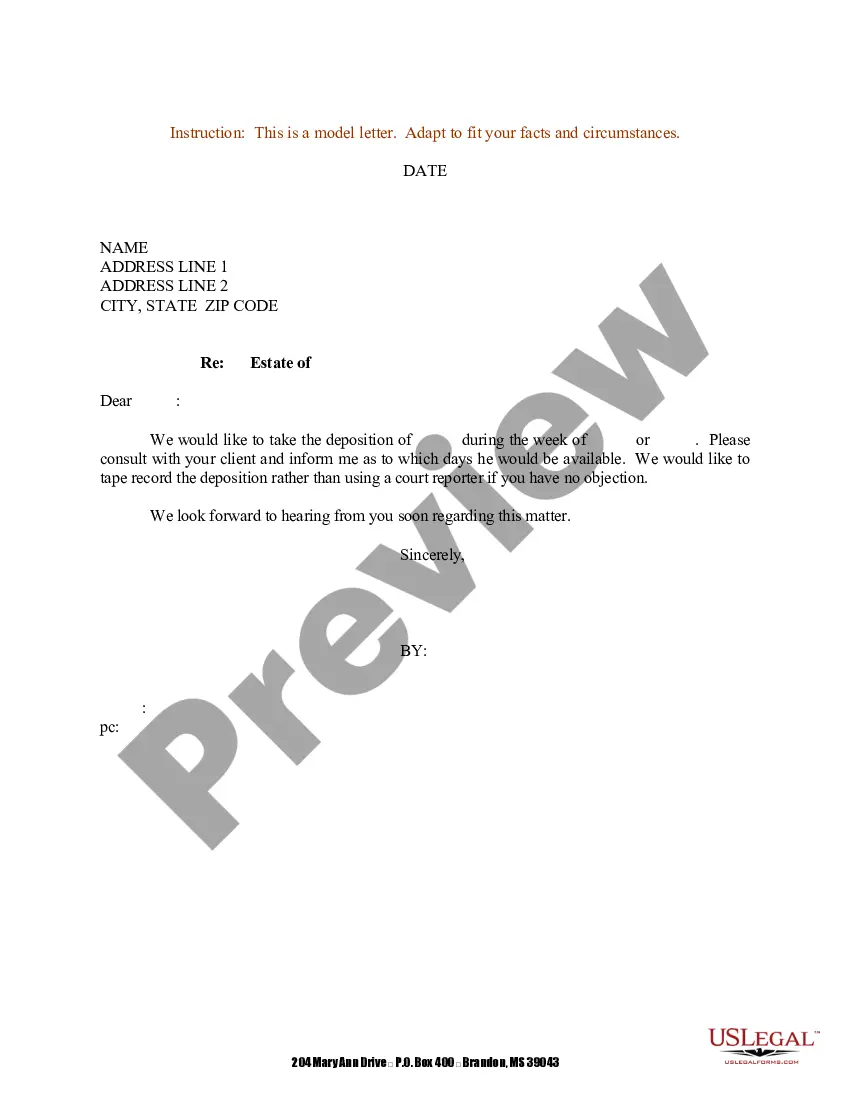
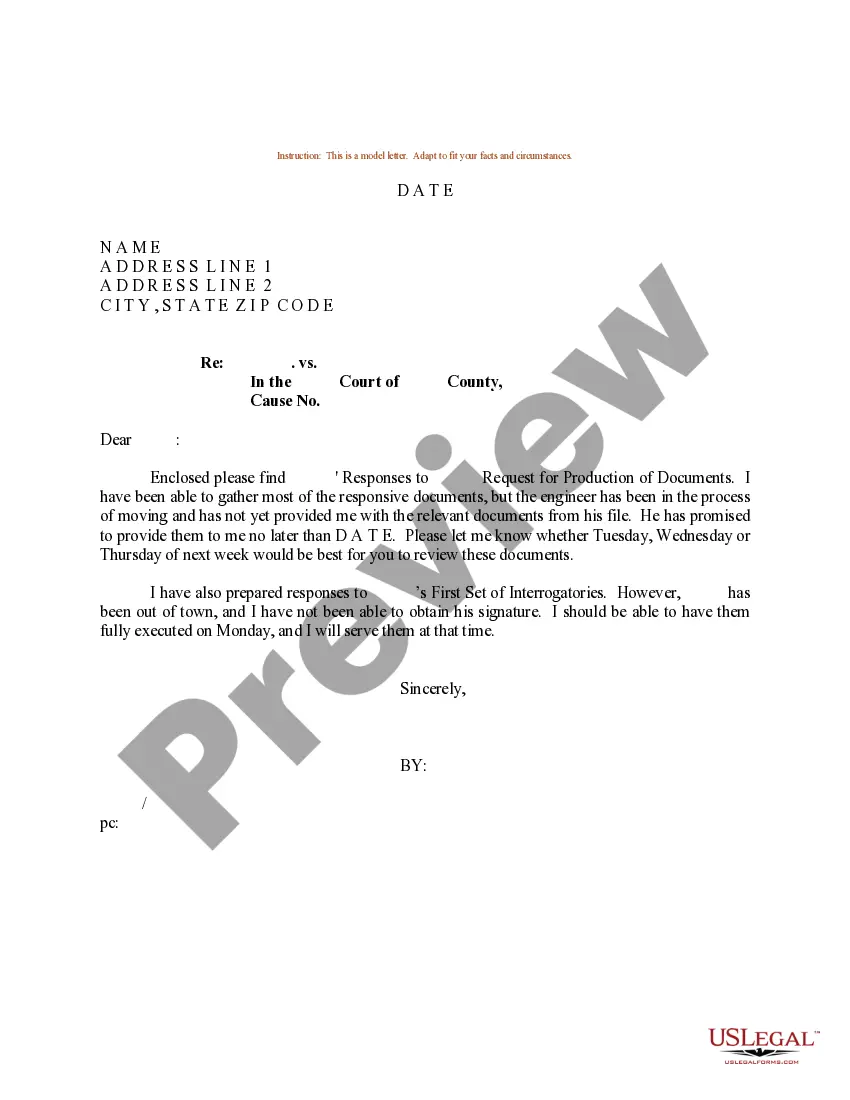
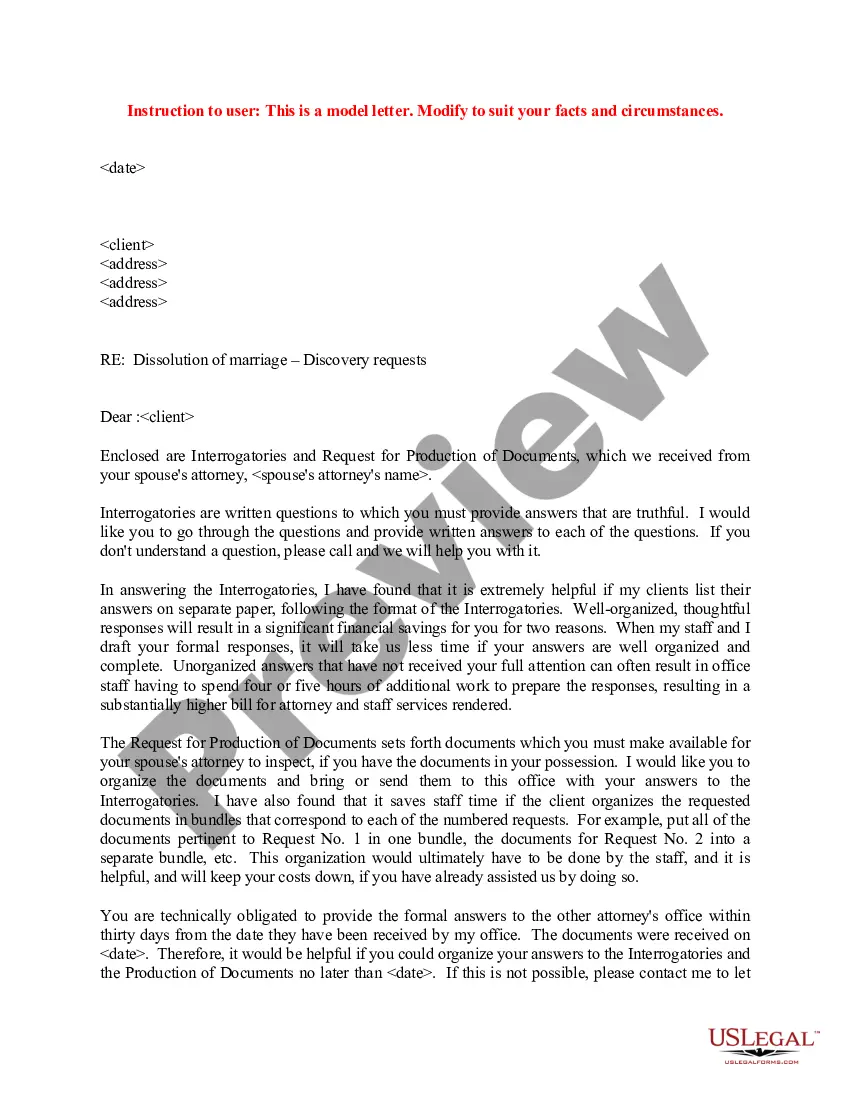
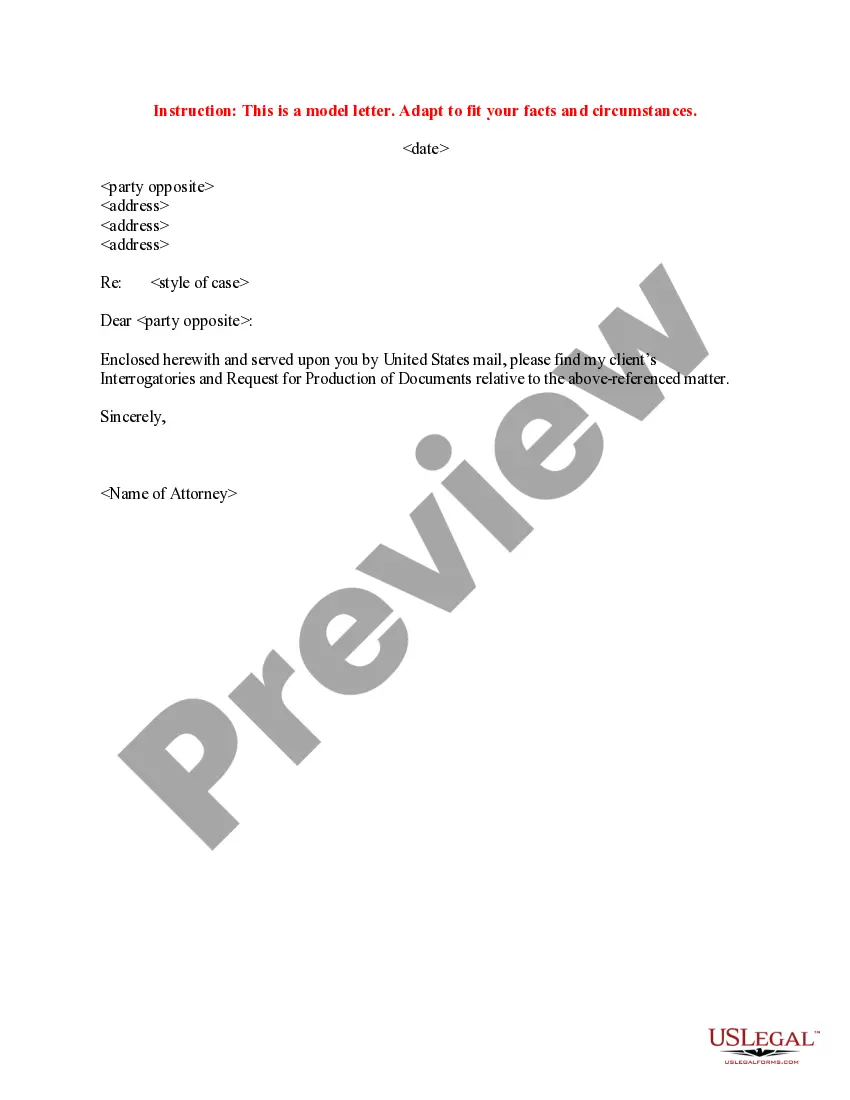
Get your form ready online
Our built-in tools help you complete, sign, share, and store your documents in one place.
Make edits, fill in missing information, and update formatting in US Legal Forms—just like you would in MS Word.
Download a copy, print it, send it by email, or mail it via USPS—whatever works best for your next step.
Sign and collect signatures with our SignNow integration. Send to multiple recipients, set reminders, and more. Go Premium to unlock E-Sign.
If this form requires notarization, complete it online through a secure video call—no need to meet a notary in person or wait for an appointment.
We protect your documents and personal data by following strict security and privacy standards.

Make edits, fill in missing information, and update formatting in US Legal Forms—just like you would in MS Word.

Download a copy, print it, send it by email, or mail it via USPS—whatever works best for your next step.

Sign and collect signatures with our SignNow integration. Send to multiple recipients, set reminders, and more. Go Premium to unlock E-Sign.

If this form requires notarization, complete it online through a secure video call—no need to meet a notary in person or wait for an appointment.

We protect your documents and personal data by following strict security and privacy standards.
Looking for another form?

Form popularity
FAQ
A: Medication that is taken on a daily basis for a period exceeding 6 months is defined as Chronic medication.
Acute and chronic illnesses are very different, so they are categorized differently. The major difference is how long the symptoms will last. Acute illnesses are usually quick and very treatable. Chronic illnesses are long-term and usually require treatment for the rest of your life.
The Chronic Medication Service (CMS) is an NHS service for patients with a long-term condition. It is available at pharmacies across Scotland. A long-term condition is a health problem that is likely to last longer than a year and needs ongoing medical care, like high blood pressure or diabetes.
Go to .discovery.za under Medical Aid > Find documents and certificates to download the form 'Request for additional cover for Prescribed Minimum Benefit (PMB) Chronic Disease List (CDL) conditions covered on the Chronic Illness benefit (CIB)' or call us on 0860 99 88 77 to request it.
The Chronic Illness Benefit covers approved medicine for the 27 Prescribed Minimum Benefit (PMB) Chronic Disease List (CDL) conditions on all plans. Approved medicine on the Chronic Illness Benefit medicine list (formulary ) will be funded in full up to the Scheme Rate.
Definition Chronic diseases are defined broadly as conditions that last 1 year or more and require ongoing medical attention or limit activities of daily living or both.
Many people struggle with this concept because it can become confusing. Acute medication is meant to be used for a short amount of time in order to treat an illness or condition that is short-term, usually less than a month. Whereas chronic medication is meant for several months to years.
The analysis also showed that clinical trials comprised the largest portion of overall drug development costs at $117.4 million which accounted for around 68 percent of out-of-pocket R&D expenditures.
