Requesting Discovery Form With Two Points In King
Description
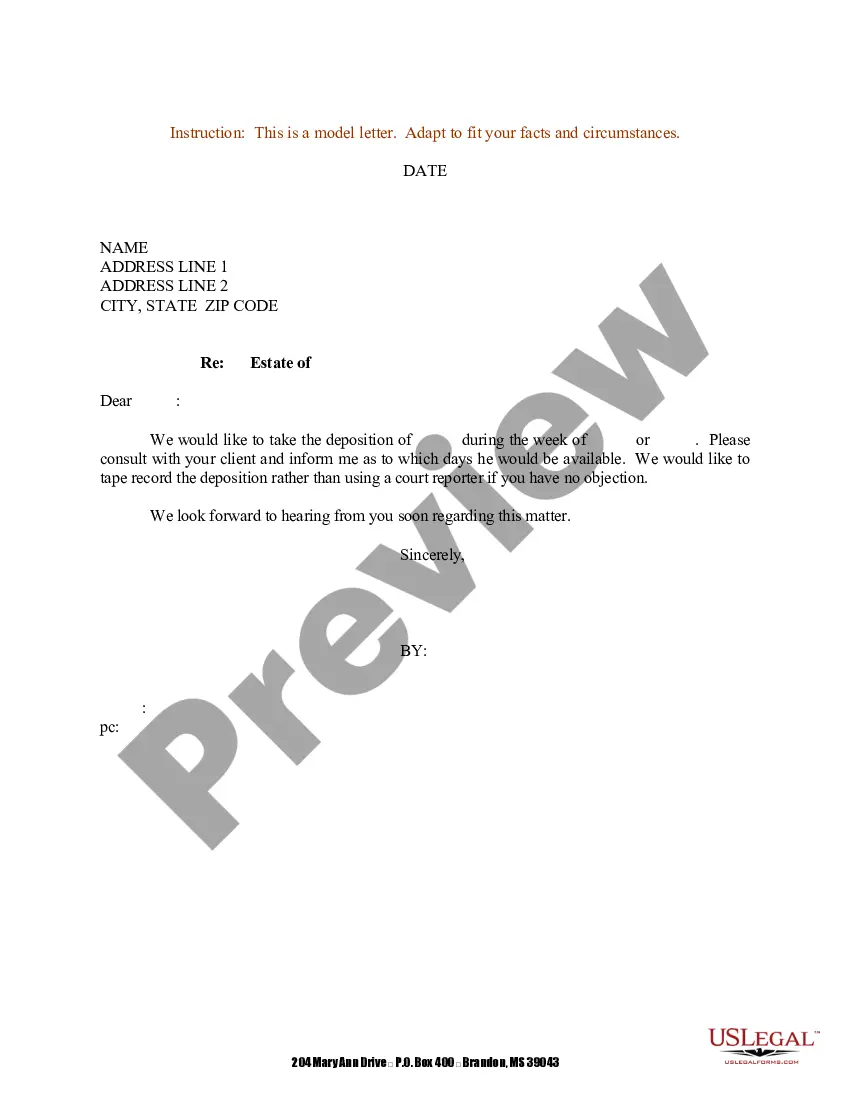
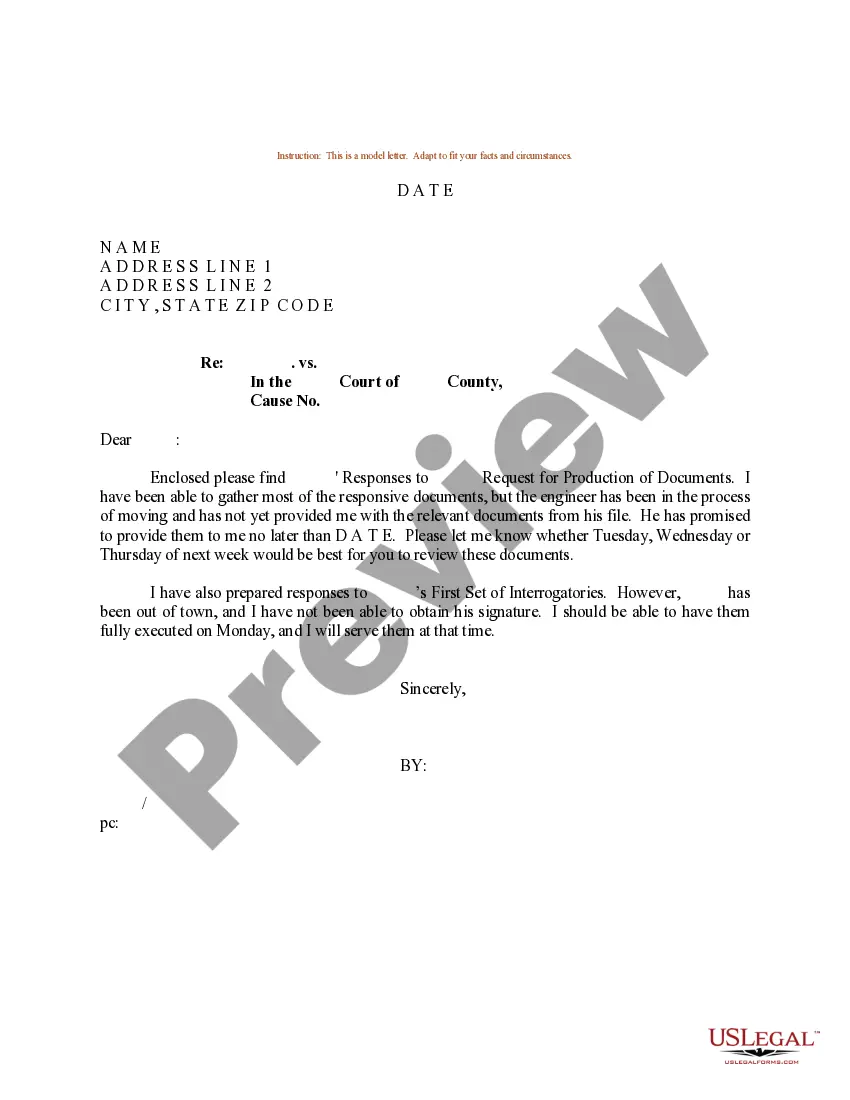
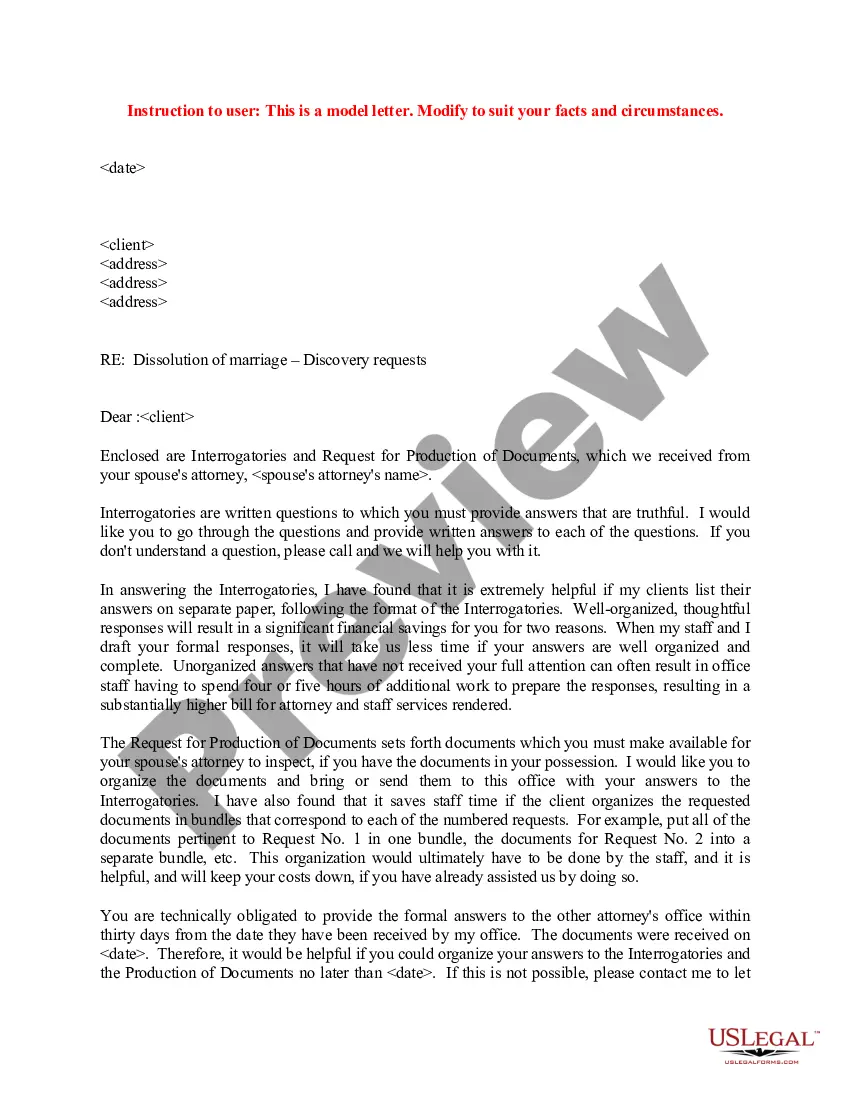
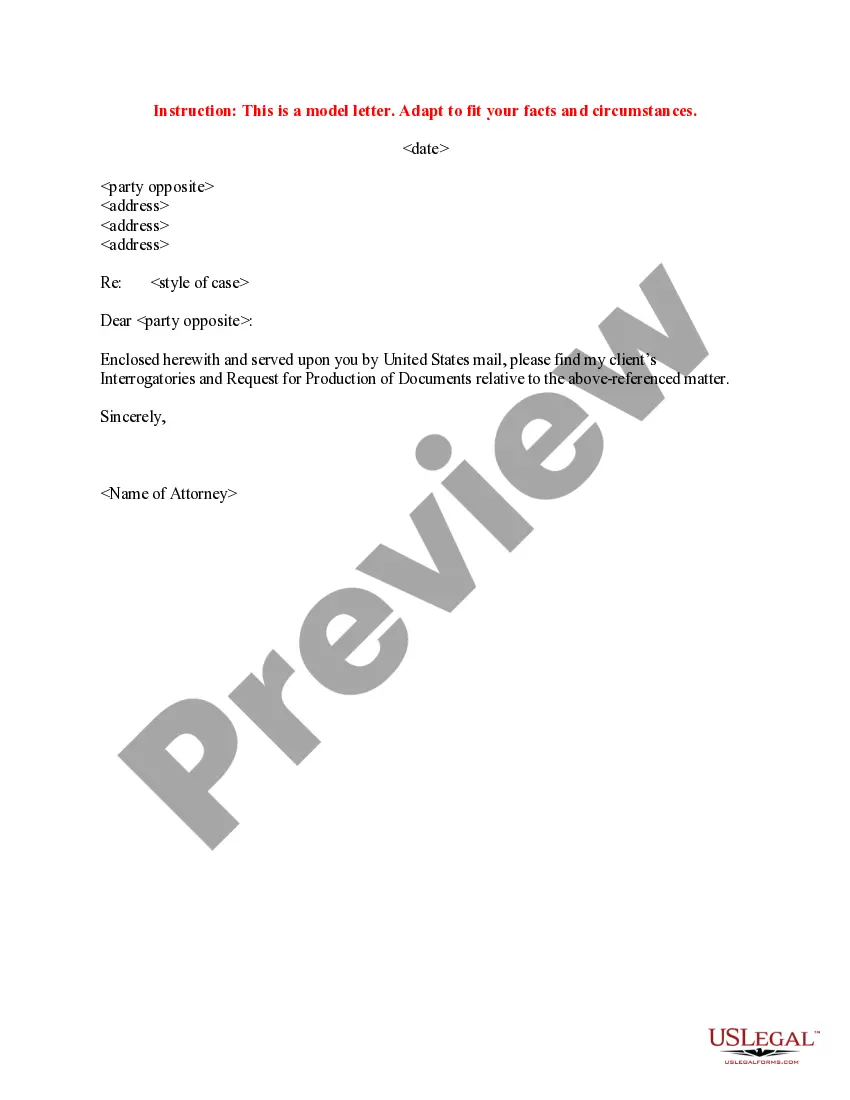
Get your form ready online
Our built-in tools help you complete, sign, share, and store your documents in one place.
Make edits, fill in missing information, and update formatting in US Legal Forms—just like you would in MS Word.
Download a copy, print it, send it by email, or mail it via USPS—whatever works best for your next step.
Sign and collect signatures with our SignNow integration. Send to multiple recipients, set reminders, and more. Go Premium to unlock E-Sign.
If this form requires notarization, complete it online through a secure video call—no need to meet a notary in person or wait for an appointment.
We protect your documents and personal data by following strict security and privacy standards.

Make edits, fill in missing information, and update formatting in US Legal Forms—just like you would in MS Word.

Download a copy, print it, send it by email, or mail it via USPS—whatever works best for your next step.

Sign and collect signatures with our SignNow integration. Send to multiple recipients, set reminders, and more. Go Premium to unlock E-Sign.

If this form requires notarization, complete it online through a secure video call—no need to meet a notary in person or wait for an appointment.

We protect your documents and personal data by following strict security and privacy standards.
Looking for another form?









Form popularity
FAQ
To begin preparing for trial, both sides engage in discovery . This is the formal process of exchanging information between the parties about the witnesses and evidence they ll present at trial. Discovery enables the parties to know before the trial begins what evidence may be presented.
The act or process of seeing, finding, or gaining knowledge of something previously unknown, or an instance of this: The university is dedicated to the discovery, development, communication, and application of knowledge in a wide range of academic and professional fields.
Write out each fact you wish the other party to admit is true. When writing these facts, be as clear and concise as possible. Each request must be for a single fact; do not include multiple facts, compound questions, or subparts.
In simple terms, "discovery" is the: process where evidence is exchanged; between the prosecutor and criminal defense attorney; prior to court or trial.
Discovery is the formal process by which the parties to a case in court exchange information about the case. This includes information about the witnesses and evidence to be presented at trial. Its purpose is to make the parties aware of the evidence which may be presented at trial.
Formal Written Discovery is written questions and requests for documents. It's a time-consuming process, but necessary to gather the evidence we need for a final trial. This is where we ask questions and request documents from the other party, who must answer them under oath and with detail.
Discovery Phase: Where both parties exchange evidence and information, which includes depositions, requests for documents, and interrogatories of relevant parties.
Discovery is the formal process by which the parties to a case in court exchange information about the case. This includes information about the witnesses and evidence to be presented at trial. Its purpose is to make the parties aware of the evidence which may be presented at trial.
Case is civil. In California court you have to include a verification with discovery responses.
Retain Your Response and Proof of Service You do not need to file your response or proof of service with the court. If the other party claims you did not respond, you may use these documents to defend yourself against a Motion to Compel.

