Requesting Discovery Form Without A Lawyer In Hennepin
Description
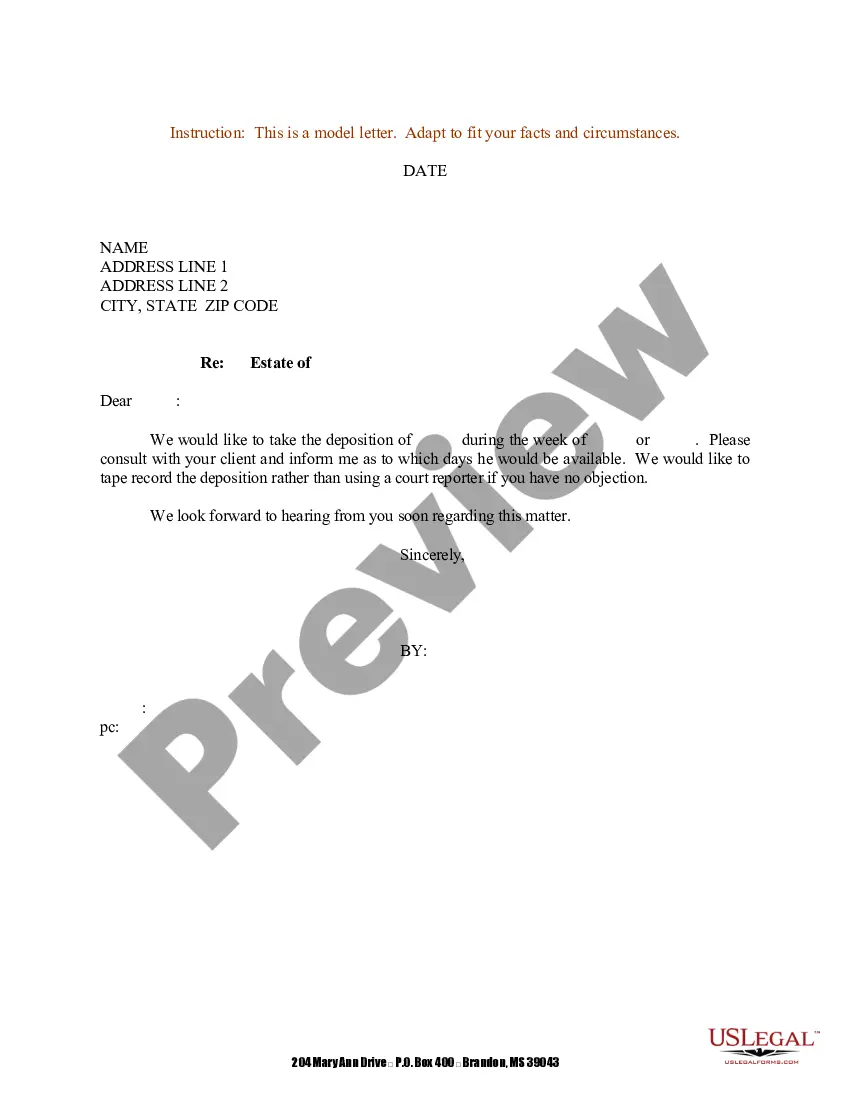
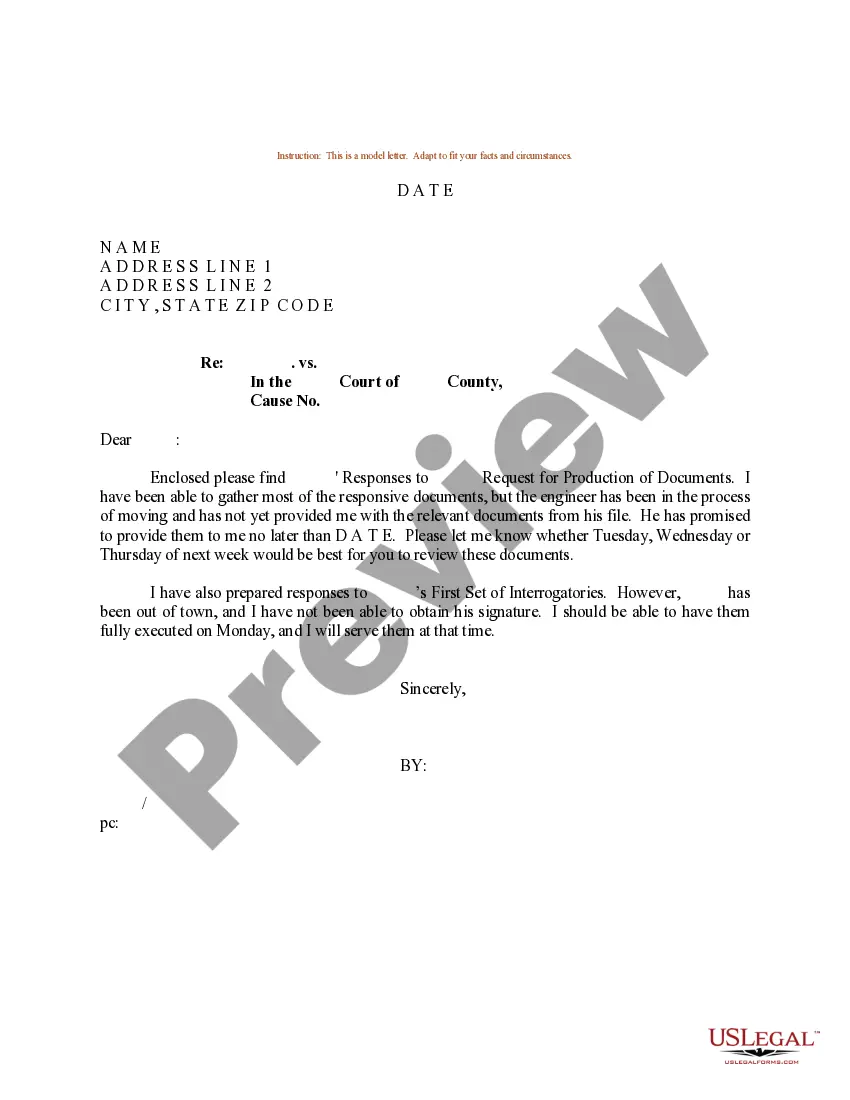
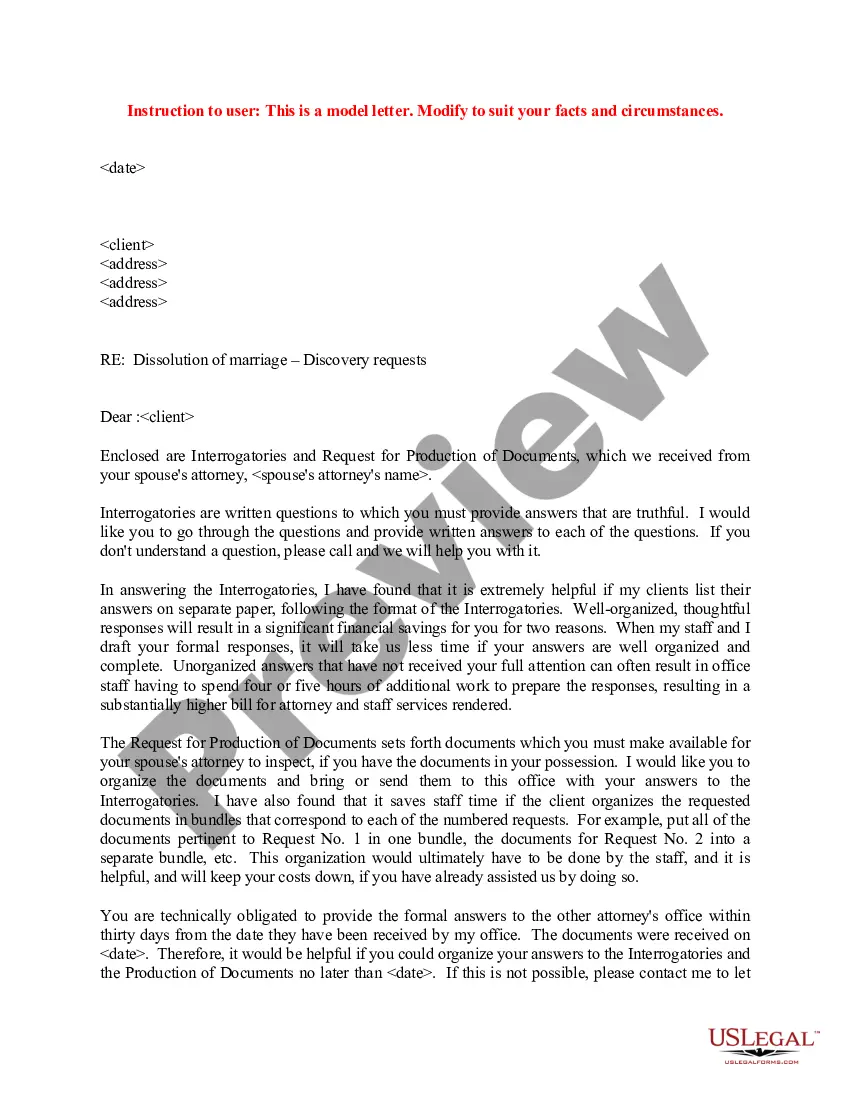
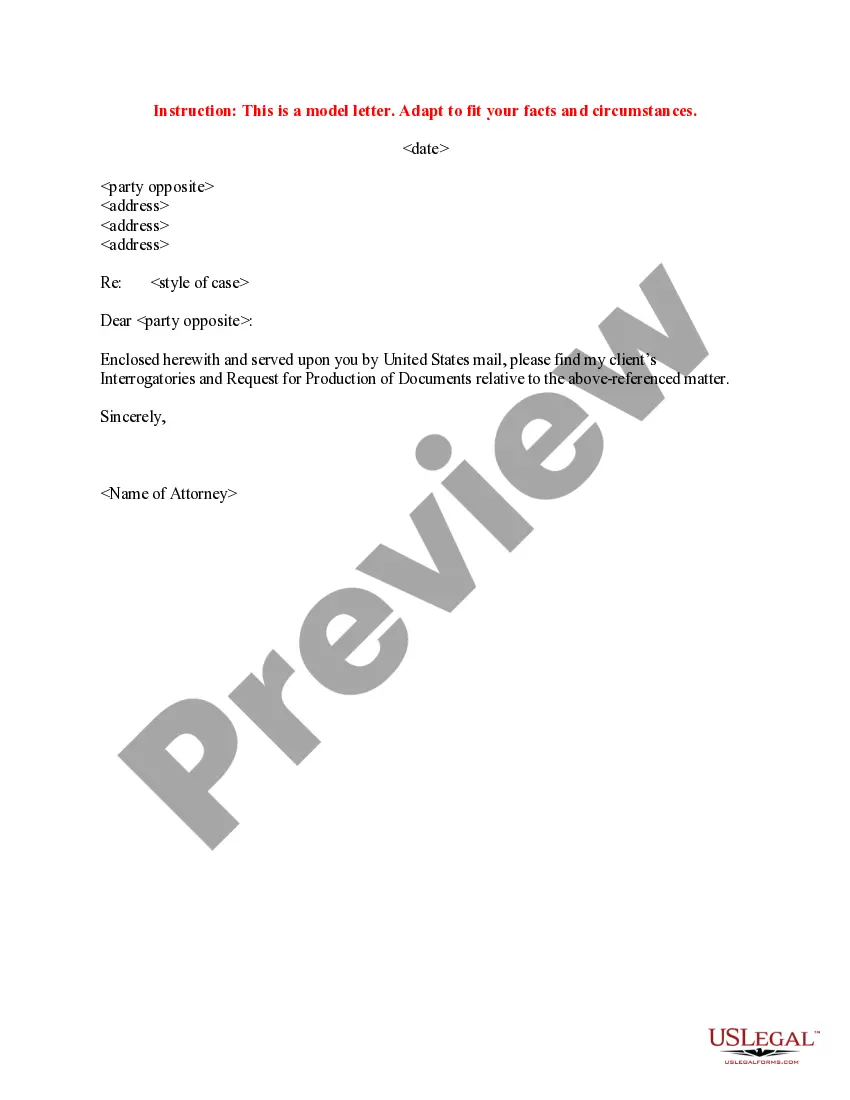
Get your form ready online
Our built-in tools help you complete, sign, share, and store your documents in one place.
Make edits, fill in missing information, and update formatting in US Legal Forms—just like you would in MS Word.
Download a copy, print it, send it by email, or mail it via USPS—whatever works best for your next step.
Sign and collect signatures with our SignNow integration. Send to multiple recipients, set reminders, and more. Go Premium to unlock E-Sign.
If this form requires notarization, complete it online through a secure video call—no need to meet a notary in person or wait for an appointment.
We protect your documents and personal data by following strict security and privacy standards.

Make edits, fill in missing information, and update formatting in US Legal Forms—just like you would in MS Word.

Download a copy, print it, send it by email, or mail it via USPS—whatever works best for your next step.

Sign and collect signatures with our SignNow integration. Send to multiple recipients, set reminders, and more. Go Premium to unlock E-Sign.

If this form requires notarization, complete it online through a secure video call—no need to meet a notary in person or wait for an appointment.

We protect your documents and personal data by following strict security and privacy standards.
Looking for another form?






Form popularity
FAQ
Go to Find a Lawyer for links to search for a lawyer online. NOTE: A corporation or LLC must be represented by an attorney in District Court, which includes having an attorney sign court papers on behalf of the client-corporation or LLC.
Rule 69. In aid of the judgment or execution, the judgment creditor, or successor in interest when that interest appears of record, may obtain discovery from any person, including the judgment debtor, in the manner provided by these rules.
Rule 60. Clerical mistakes in judgments, orders, or other parts of the record and errors therein arising from oversight or omission may be corrected by the court at any time upon its own initiative or on the motion of any party and after such notice, if any, as the court orders.
The following are not available in MCRO, but are available through MPA Courthouse: a. Domestic Abuse (OFP) and Harassment Restraining Order (HRO) case types, which the federal Violence Against Women Act (VAWA) prohibits from displaying on the internet.
Motions to Compel. If a party fails to comply with an approved request for discovery or a request for documents under Rule 361.02, the party requesting the discovery may serve and file a motion for an order compelling an answer or compliance with the discovery request.
NOTE: Most courts are using the Minnesota Digital Exhibit System (MNDES) to upload digital exhibits (audio, video, documents, and images) for hearings and trials (if your case is in Hennepin County, contact court administration to ask whether you will be able to use MNDES for your exhibits).
In certain cases, you might be able to write a letter to the other side and request the documents that you need. However, in more formal cases, you will likely have to draft more formal discovery demands. There are usually forms available for this in local law libraries, from the court clerk's office, or online.
Discovery means you send the other side questions and requests for information or items (like documents) in writing. The other side must respond to your question or request in writing.
Parties usually send their discovery requests and responses to the other party electronically, by email. But, parties may also send or respond to discovery requests by U.S. mail or a parcel service. Discovery requests and responses should not be sent to the Administrative Judge, except to support a motion.
