Requesting Discovery Form For Divorce In Hennepin
Description
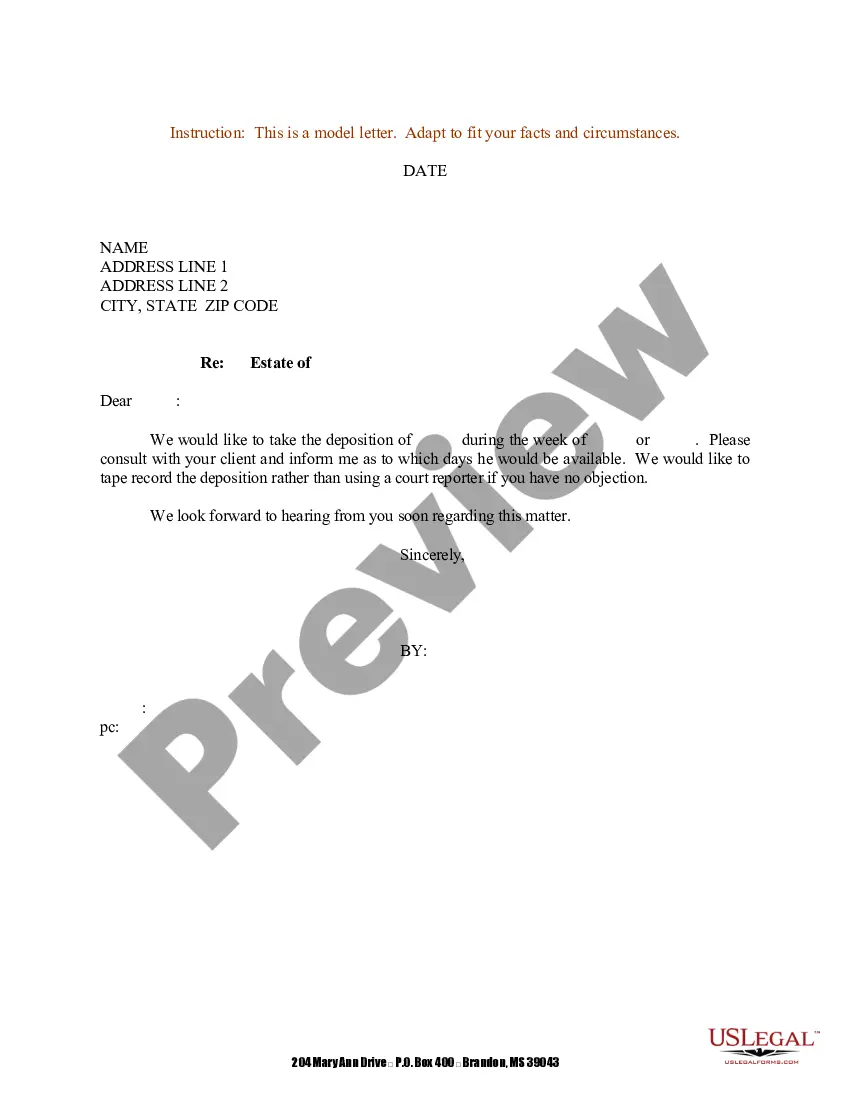
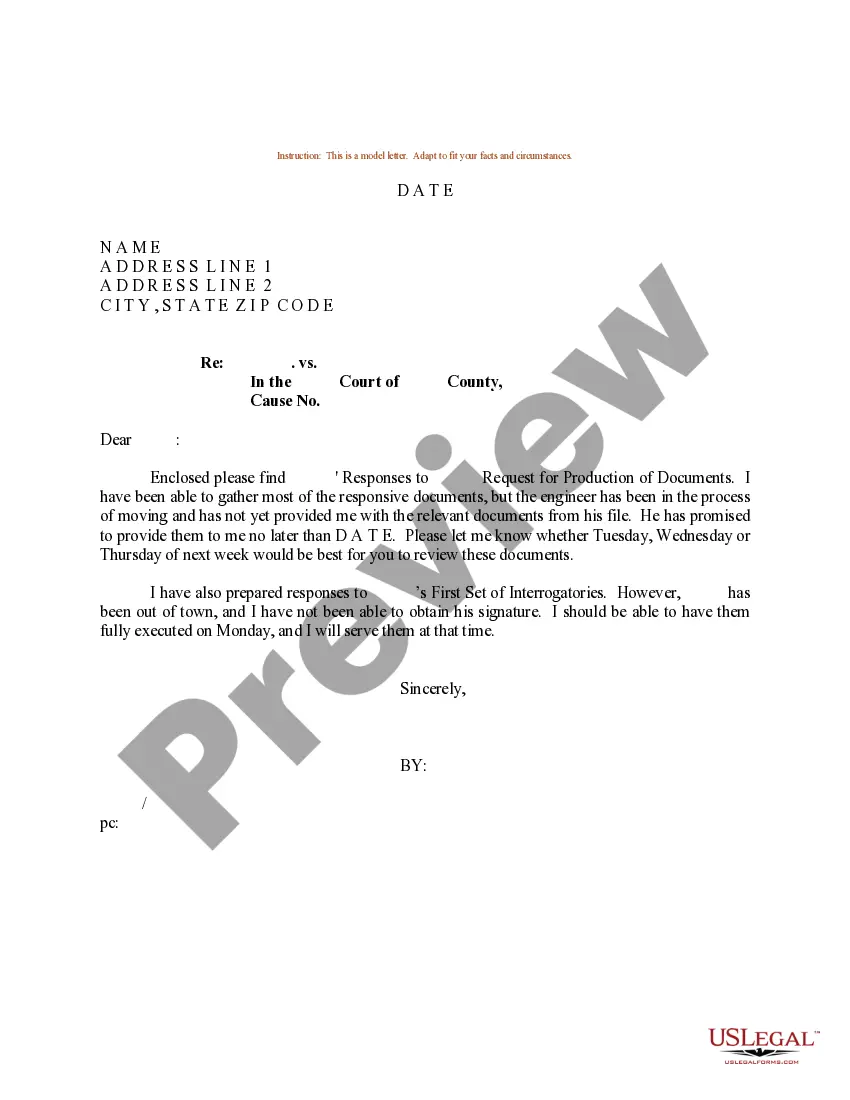
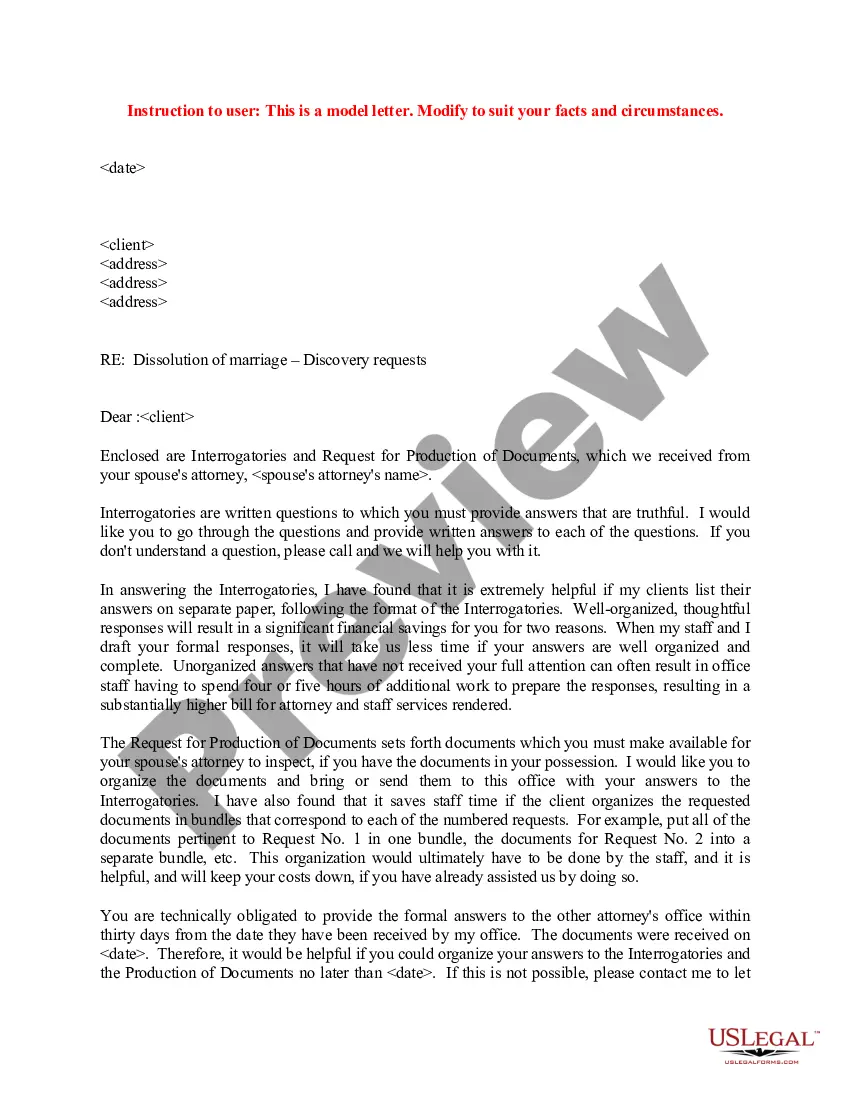
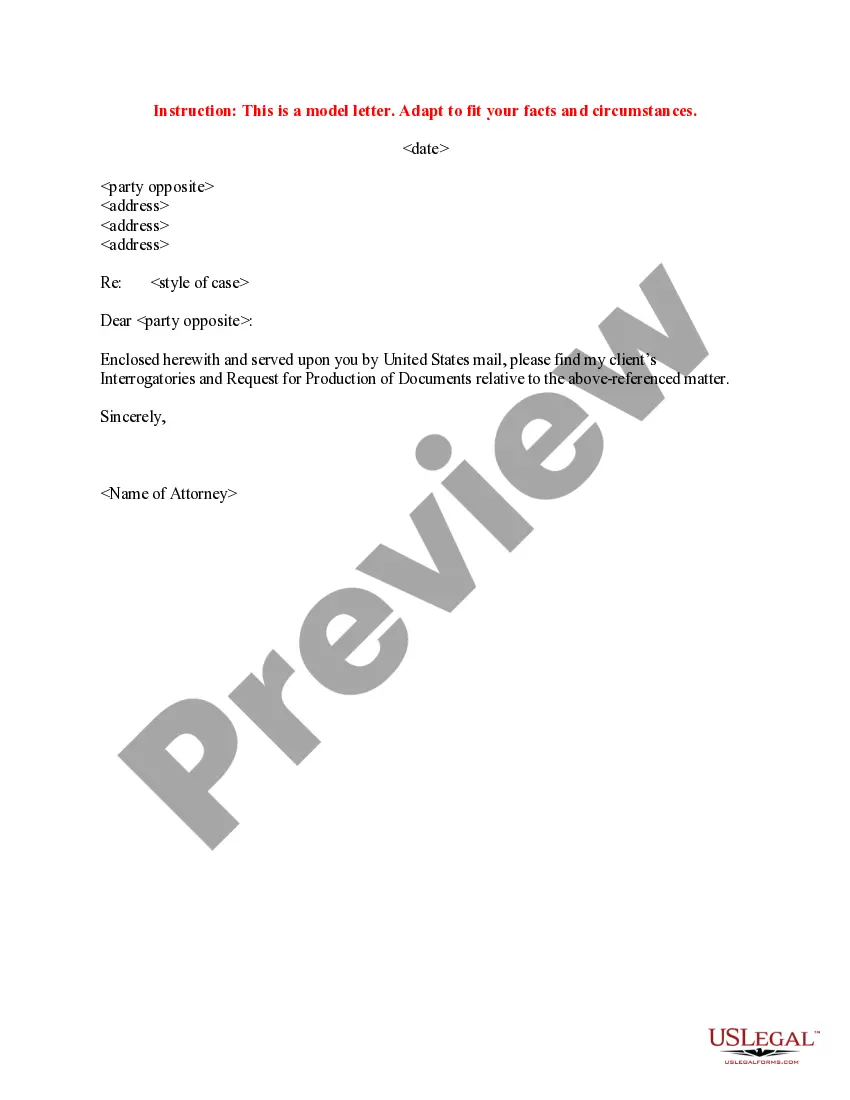
Get your form ready online
Our built-in tools help you complete, sign, share, and store your documents in one place.
Make edits, fill in missing information, and update formatting in US Legal Forms—just like you would in MS Word.
Download a copy, print it, send it by email, or mail it via USPS—whatever works best for your next step.
Sign and collect signatures with our SignNow integration. Send to multiple recipients, set reminders, and more. Go Premium to unlock E-Sign.
If this form requires notarization, complete it online through a secure video call—no need to meet a notary in person or wait for an appointment.
We protect your documents and personal data by following strict security and privacy standards.

Make edits, fill in missing information, and update formatting in US Legal Forms—just like you would in MS Word.

Download a copy, print it, send it by email, or mail it via USPS—whatever works best for your next step.

Sign and collect signatures with our SignNow integration. Send to multiple recipients, set reminders, and more. Go Premium to unlock E-Sign.

If this form requires notarization, complete it online through a secure video call—no need to meet a notary in person or wait for an appointment.

We protect your documents and personal data by following strict security and privacy standards.
Looking for another form?










Form popularity
FAQ
(2) A party may discover facts known or opinions held by an expert who has been retained or specially employed by another party in anticipation of litigation or preparation for trial and who is not expected to be called as a witness at trial, only as provided in Rule 35.02 or upon a showing of exceptional circumstances ...
“Formal” discovery is the process of using mechanisms provided for in the law to gather information. “Formal” discovery consists of things like interrogatories, depositions and requests for production of documents. Informal discovery is information gathering done outside the legally created processes for investigation.
Discovery is how you gather the evidence you will need to prove your case as plaintiff, or defeat the plaintiff's case as a defendant. You use discovery to find out things like: What the other side plans to say about an issue in your case. What facts or witnesses support their side.
Plain copies of recent divorce records may be found using the Minnesota Court Records Online (MCRO). Certified copies of a divorce decree may be obtained from the county courthouse where the divorce was granted.
There are separate forms for the even simpler divorce process in Minnesota known as "Summary Dissolution." But there are strict requirements. In order to qualify, you must show that: you and your spouse have no living minor children together, and neither spouse is pregnant.
Before a case goes to trial (sometimes called the “pretrial phase”), there is an important step called “discovery.” Discovery is a formal process of gathering information, after a case has been filed. During discovery, both sides can collect and exchange information about the case and prepare for trial.
In the marriage dissolution, the income, assets and debts accumulated during the marriage must be allocated between you and your spouse. The law is that you and your spouse are financial partners during the marriage and are presumed entitled to share in both the assets and income the partnership made.
The most common discovery techniques include: Depositions. In a deposition, one party or that party's lawyer conducts face-to-face questioning of the other party or a witness to the dispute. Requests for production of evidence. Interrogatories. Requests for admission.
Hennepin Family Court. Family Court is located in the Family Justice Center (FJC) in downtown Minneapolis, and handles cases such as divorce, domestic abuse, child custody and support, and paternity.

