Requesting Discovery Form For Chronic Medication In Florida
Description
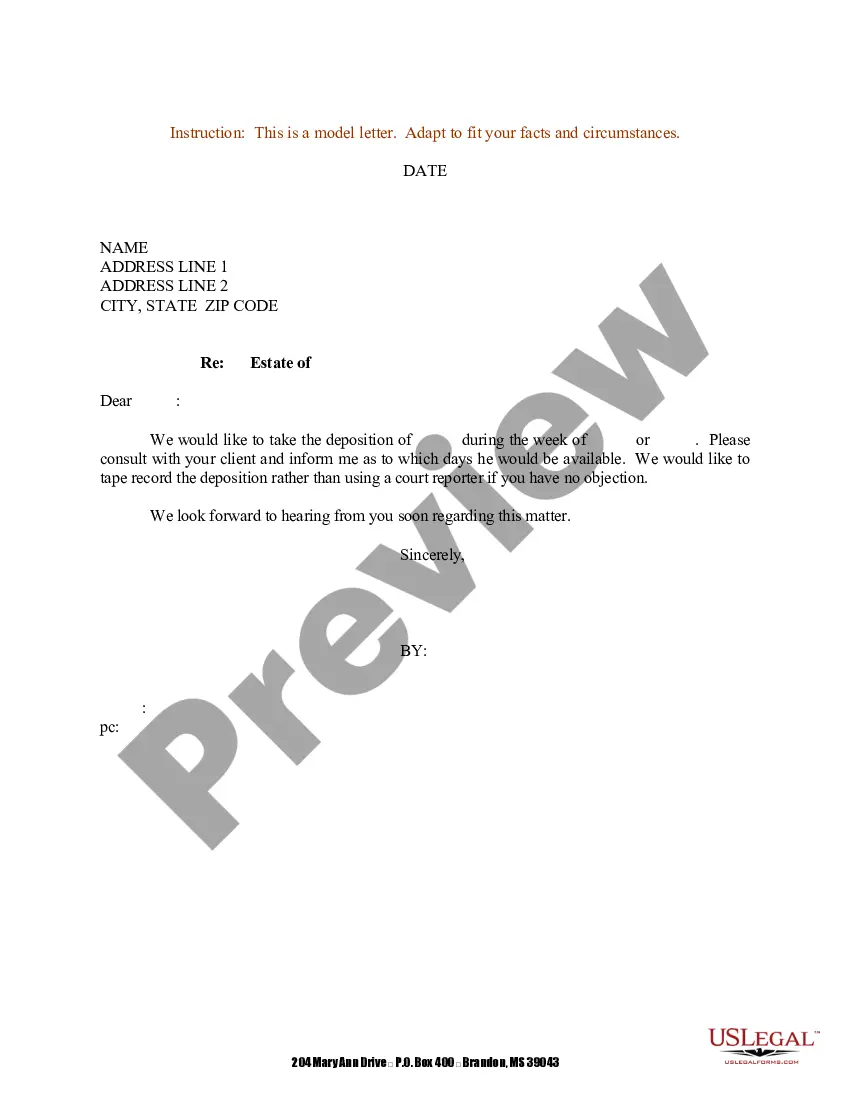
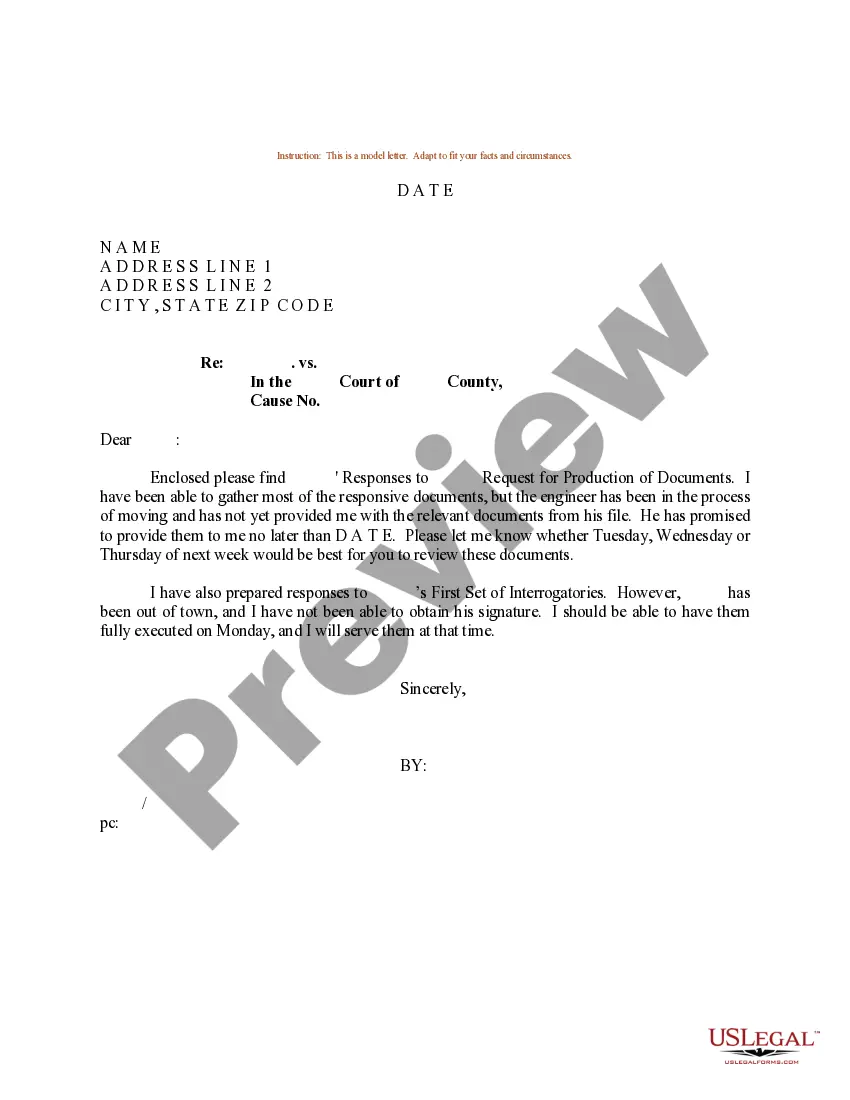
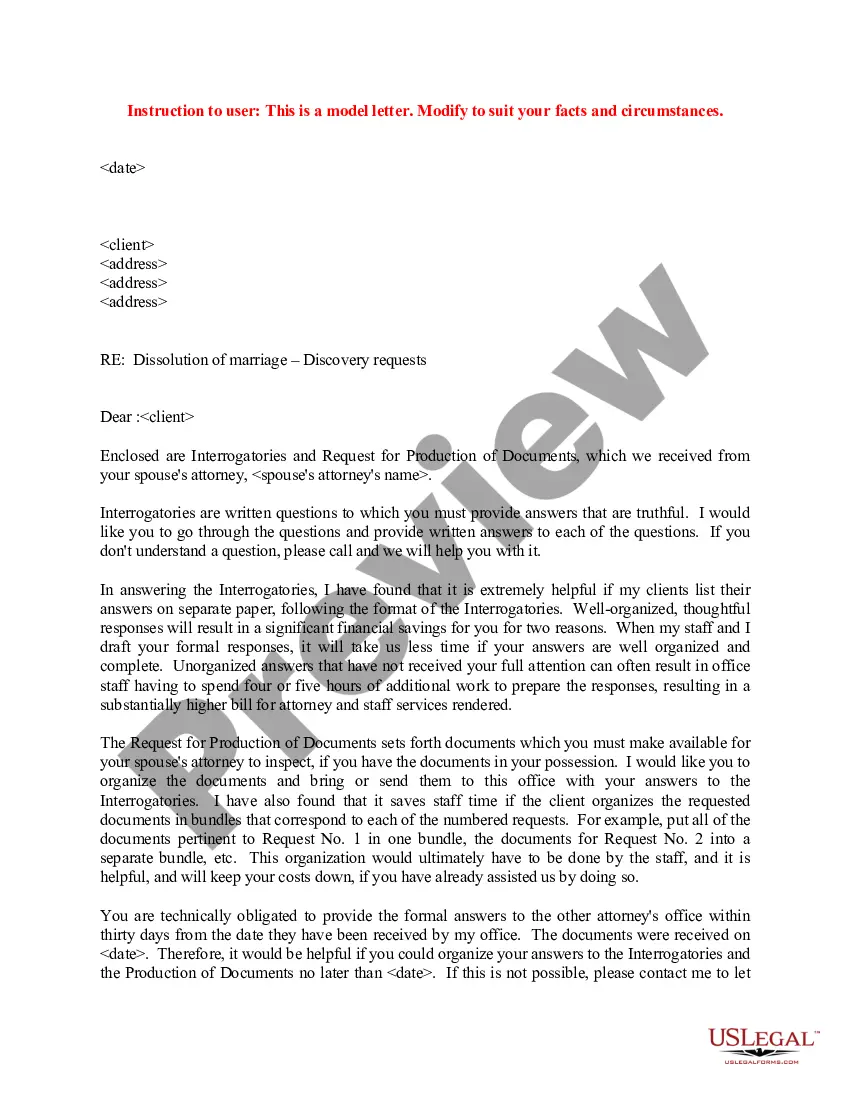
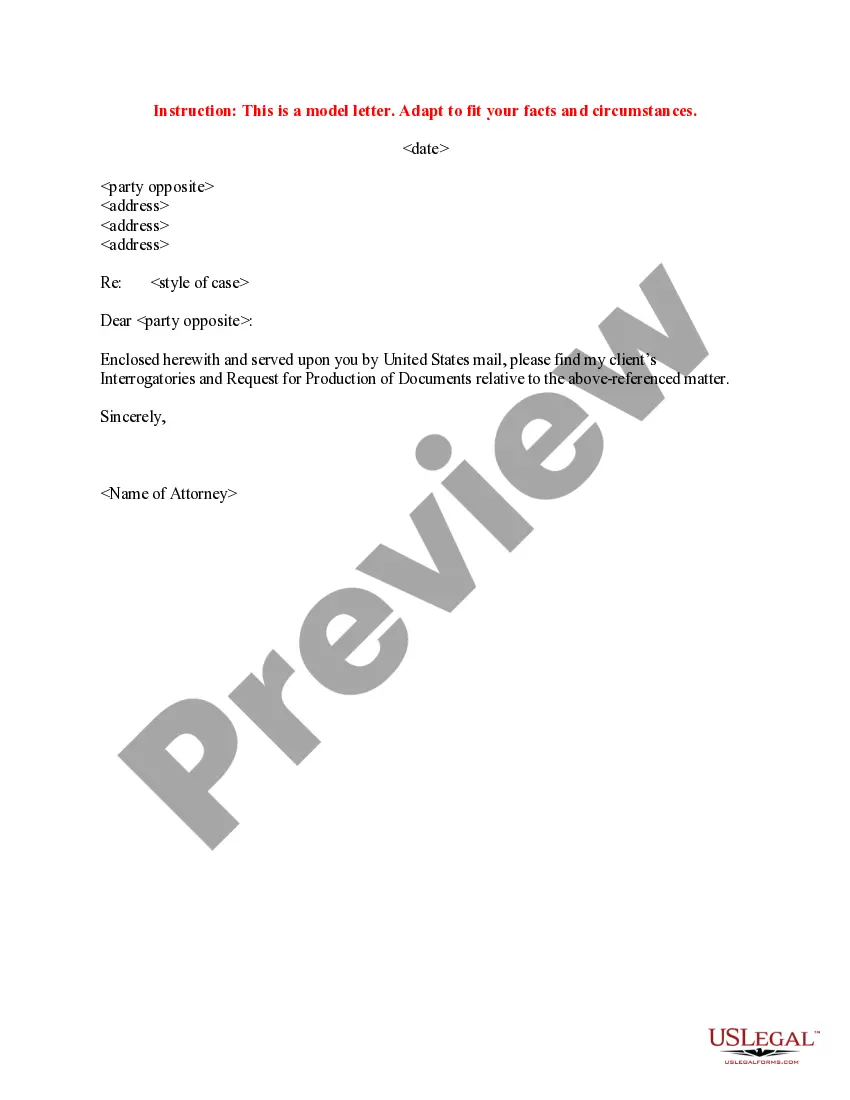
Get your form ready online
Our built-in tools help you complete, sign, share, and store your documents in one place.
Make edits, fill in missing information, and update formatting in US Legal Forms—just like you would in MS Word.
Download a copy, print it, send it by email, or mail it via USPS—whatever works best for your next step.
Sign and collect signatures with our SignNow integration. Send to multiple recipients, set reminders, and more. Go Premium to unlock E-Sign.
If this form requires notarization, complete it online through a secure video call—no need to meet a notary in person or wait for an appointment.
We protect your documents and personal data by following strict security and privacy standards.

Make edits, fill in missing information, and update formatting in US Legal Forms—just like you would in MS Word.

Download a copy, print it, send it by email, or mail it via USPS—whatever works best for your next step.

Sign and collect signatures with our SignNow integration. Send to multiple recipients, set reminders, and more. Go Premium to unlock E-Sign.

If this form requires notarization, complete it online through a secure video call—no need to meet a notary in person or wait for an appointment.

We protect your documents and personal data by following strict security and privacy standards.
Looking for another form?


Form popularity
FAQ
“Formal” discovery is the process of using mechanisms provided for in the law to gather information. “Formal” discovery consists of things like interrogatories, depositions and requests for production of documents. Informal discovery is information gathering done outside the legally created processes for investigation.
Initial Discovery Disclosures: Rule 1.280(a) now requires parties to provide initial discovery disclosures without awaiting a discovery request unless the case is exempt under Rule 1.280(a)(2) or the court orders otherwise.
However, most personal injury cases settle before trial. Instead, they may offer the settlement well after the trial starts. This typically happens after discovery, but it may even happen after the jury reaches a verdict.
States like Florida allow extra time for the discovery of medical malpractice before the statute of limitations starts ticking precisely to account for these instances. This is known as the “discovery rule.”
Formal Written Discovery is written questions and requests for documents. It's a time-consuming process, but necessary to gather the evidence we need for a final trial. This is where we ask questions and request documents from the other party, who must answer them under oath and with detail.
In certain cases, you might be able to write a letter to the other side and request the documents that you need. However, in more formal cases, you will likely have to draft more formal discovery demands. There are usually forms available for this in local law libraries, from the court clerk's office, or online.
In a formal discovery, you formally ask for information and documents. You can also ask other people for information. For example, you may need documents from your spouse's employer. They also must respond.
You use discovery to get information or evidence from the other side in a lawsuit that will help you make your case. In order to get the information you need, you must make a request using a specific procedure and written format, within a specific timeframe.
Here's a breakdown of the typical steps in the discovery process: Team introductions. Deep dive into the project goals and vision. Clarifying requirements and scope. Identifying challenges and constraints. Timeline and budget planning. Strategic insights and recommendations.
How Does Discovery Work? There are four main types of discovery requests: (1) depositions; (2) interrogatories; (3) requests for admissions; and (4) requests for the production of documents. Depositions are formal witness interviews.

