Requesting Discovery Form For Divorce In Dallas
Description
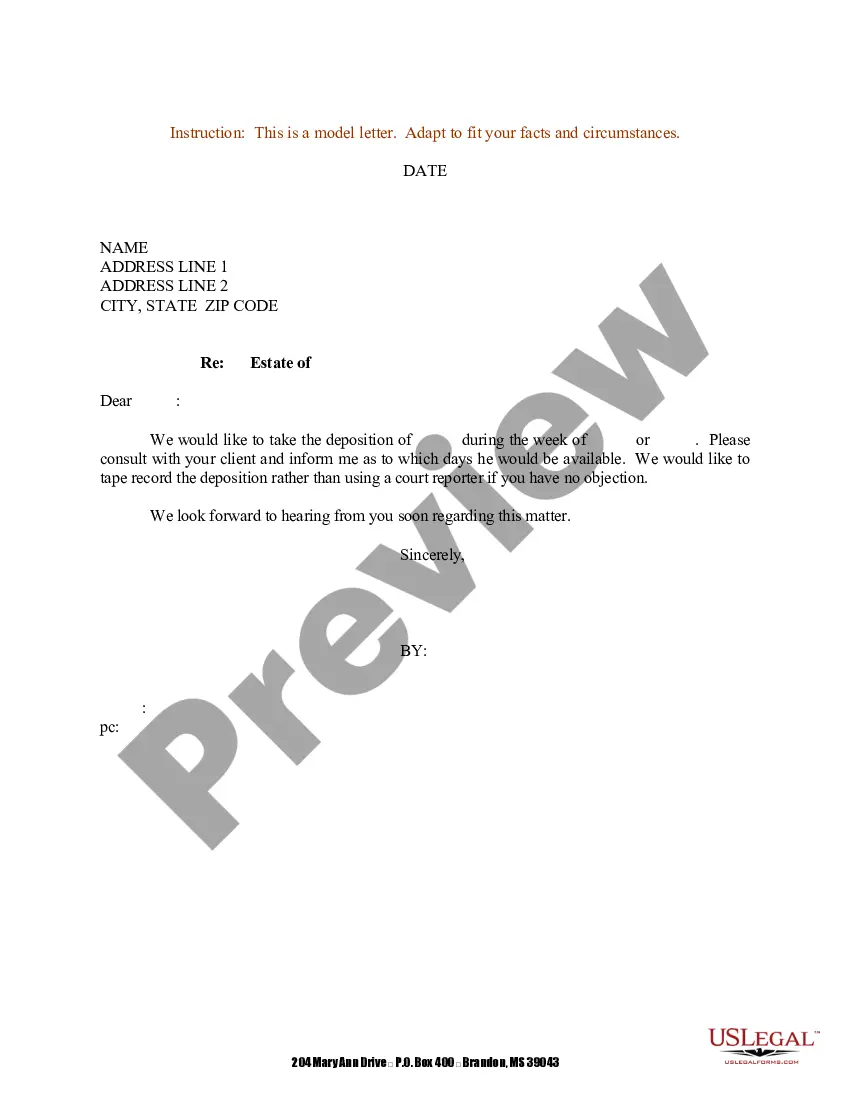
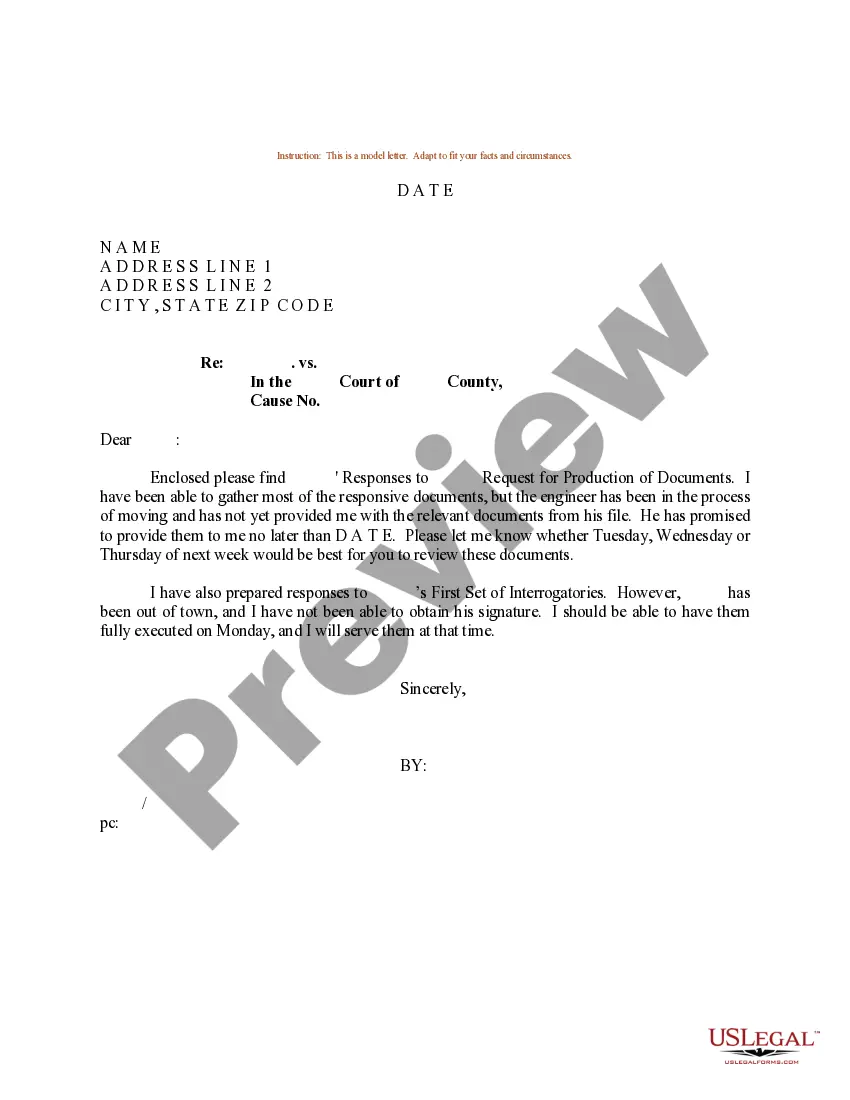
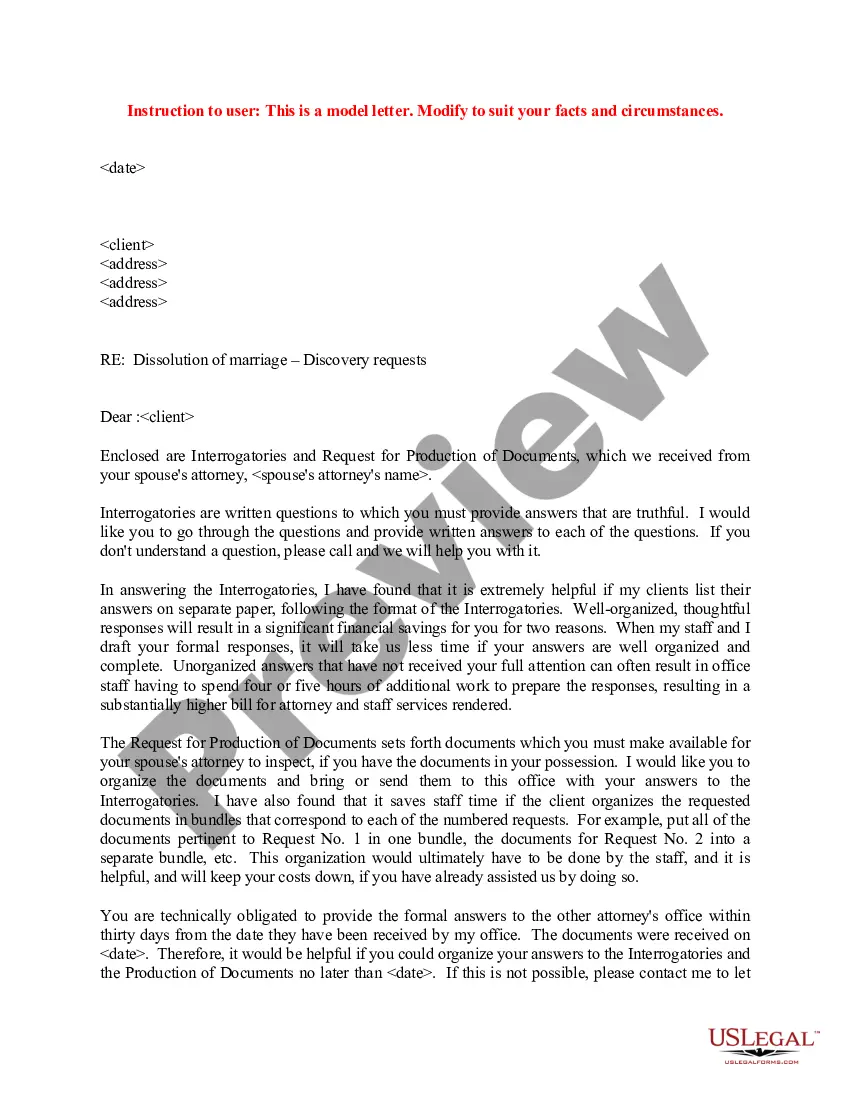
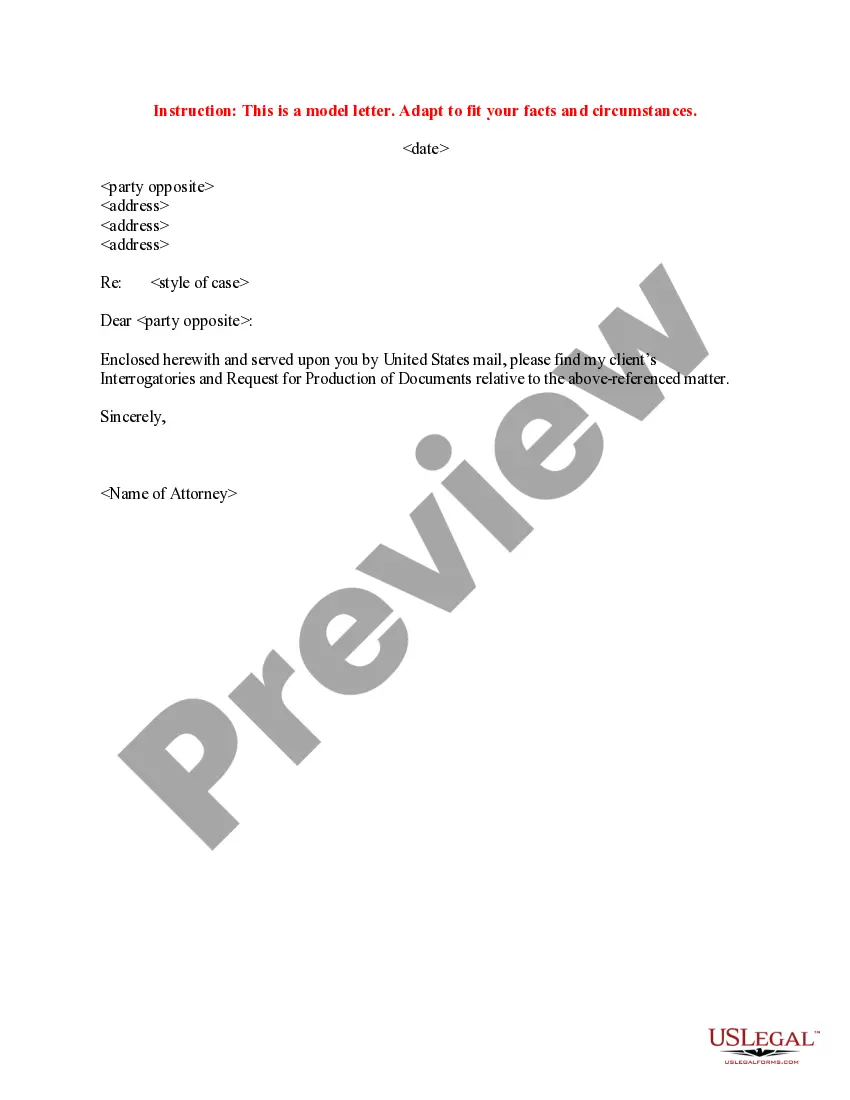
Get your form ready online
Our built-in tools help you complete, sign, share, and store your documents in one place.
Make edits, fill in missing information, and update formatting in US Legal Forms—just like you would in MS Word.
Download a copy, print it, send it by email, or mail it via USPS—whatever works best for your next step.
Sign and collect signatures with our SignNow integration. Send to multiple recipients, set reminders, and more. Go Premium to unlock E-Sign.
If this form requires notarization, complete it online through a secure video call—no need to meet a notary in person or wait for an appointment.
We protect your documents and personal data by following strict security and privacy standards.

Make edits, fill in missing information, and update formatting in US Legal Forms—just like you would in MS Word.

Download a copy, print it, send it by email, or mail it via USPS—whatever works best for your next step.

Sign and collect signatures with our SignNow integration. Send to multiple recipients, set reminders, and more. Go Premium to unlock E-Sign.

If this form requires notarization, complete it online through a secure video call—no need to meet a notary in person or wait for an appointment.

We protect your documents and personal data by following strict security and privacy standards.
Looking for another form?





Form popularity
FAQ
Certified copies of divorce decrees are only available from the district clerk. Certified copies of marriage/divorce records must be obtained in the county or district in which they were originally filed.
When a party requests documents or answers to questions from the opposing party in a lawsuit, you must do so in the form of a Motion for Discovery. A Motion for Discovery may be filed with the Court via E-File, Email, in person, or by US Mail.
Discovery is a formal exchange of information between the parties regarding the evidence and witnesses each side plans to present at trial. In Texas, the discovery process is meant to expedite litigation and encourage parties to reach a settlement before their trial date.
In Texas, it is possible to divorce without appearing in Court or by just appearing one time to finalize the divorce. To achieve this, the divorce must be amicable, and both parties should be represented by skilled attorneys who help them to mediate their differences and arrive at amicable agreements.
The discovery rule is a “narrow exception” to the legal injury rule that “defers accrual of a cause of action until the plaintiff knew or, exercising reasonable diligence, should have known of the facts giving rise to the cause of action.” Berry, 646 S.W.
One of the most important phases of the divorce process is “discovery.” This is the stage of a divorce where information is exchanged between the parties in order for them to make informed decisions — and successfully present their cases in court.
Additionally, the new rules that went into effect September 1, 2023, require disclosure of the expert's qualifications to include all publications authored by the expert in the last 10 years, a list of cases in which the expert testified as an expert at trial or deposition (unless the expert is an attorney testifying ...
Discovery is designed to ensure fairness and transparency in the divorce process, and non-compliance by one spouse hinders this process. Consequently, if you don't comply with discovery requests, it can have serious legal repercussions and lead to adverse rulings against you in the divorce proceedings.
60-day waiting period: The Texas Family Code re- quires that your petition be on file 60 days before your divorce can be finalized. Dismissal for Want of Prosecution (DWOP): The court has the power to rid its docket of cases that are not being pursued.

