Requesting Discovery Form For Court In Dallas
Description
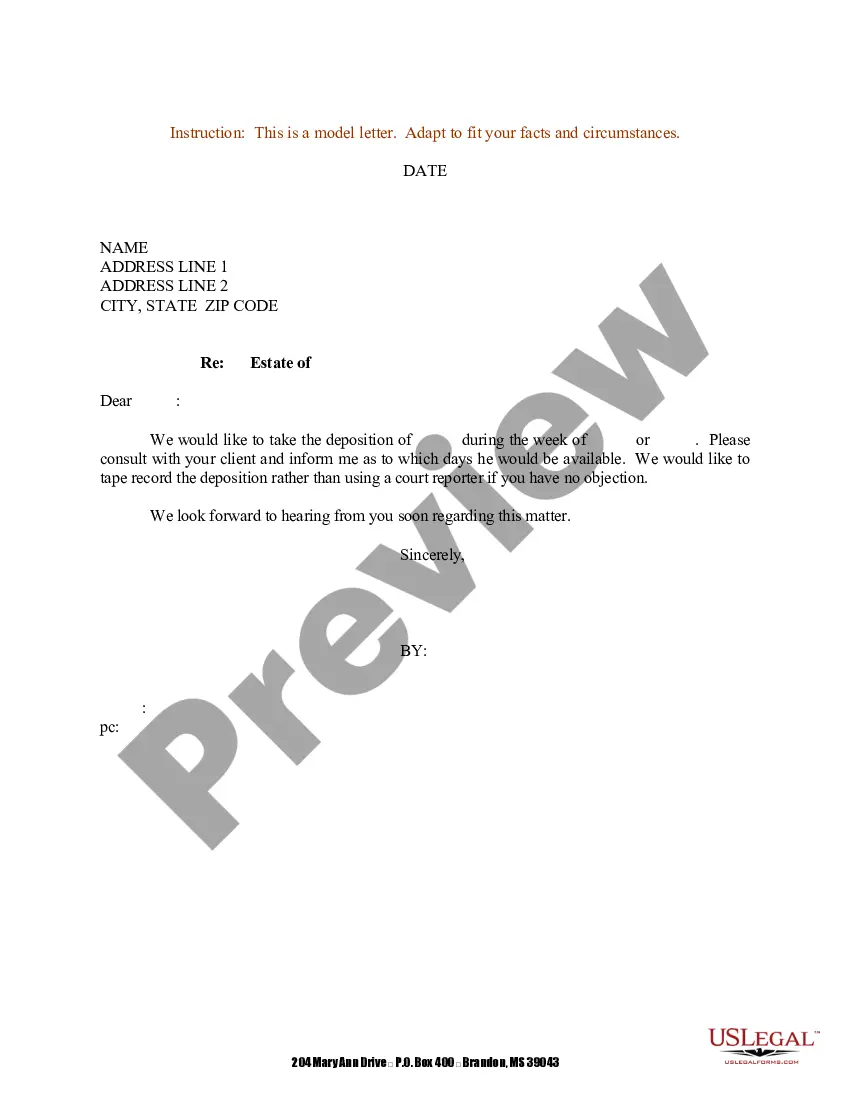
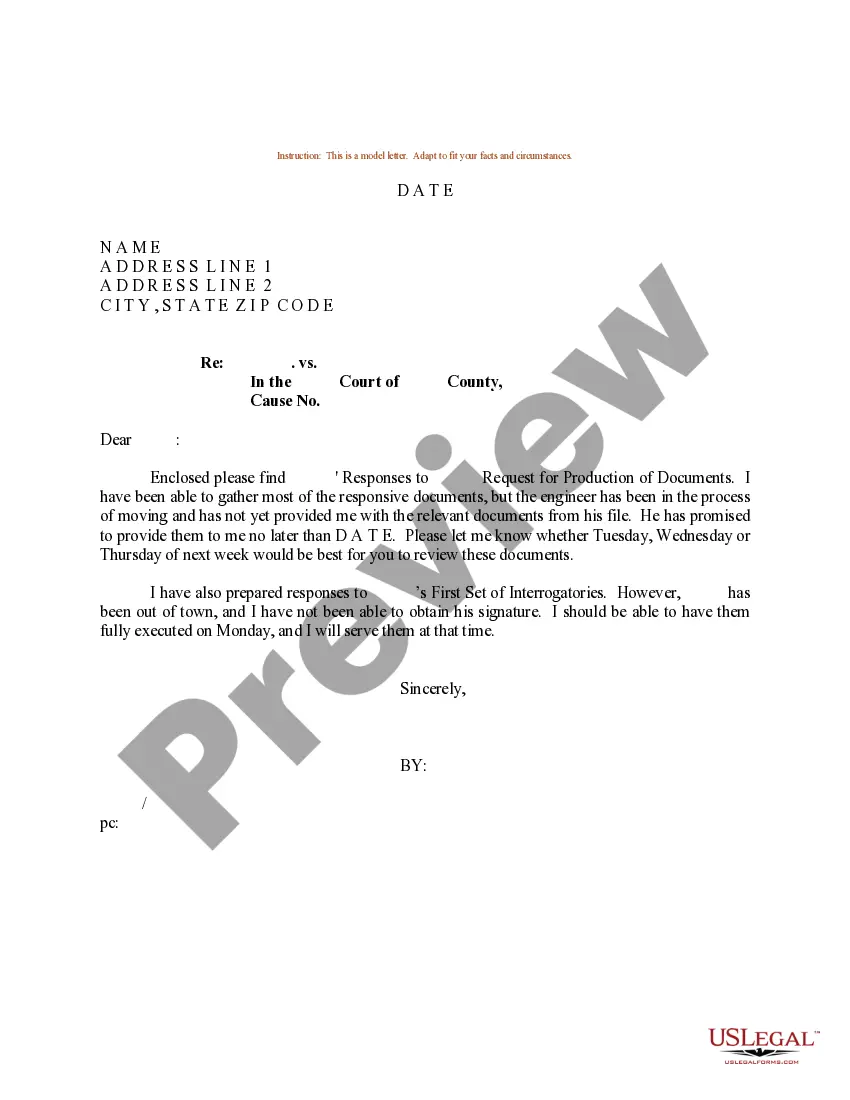
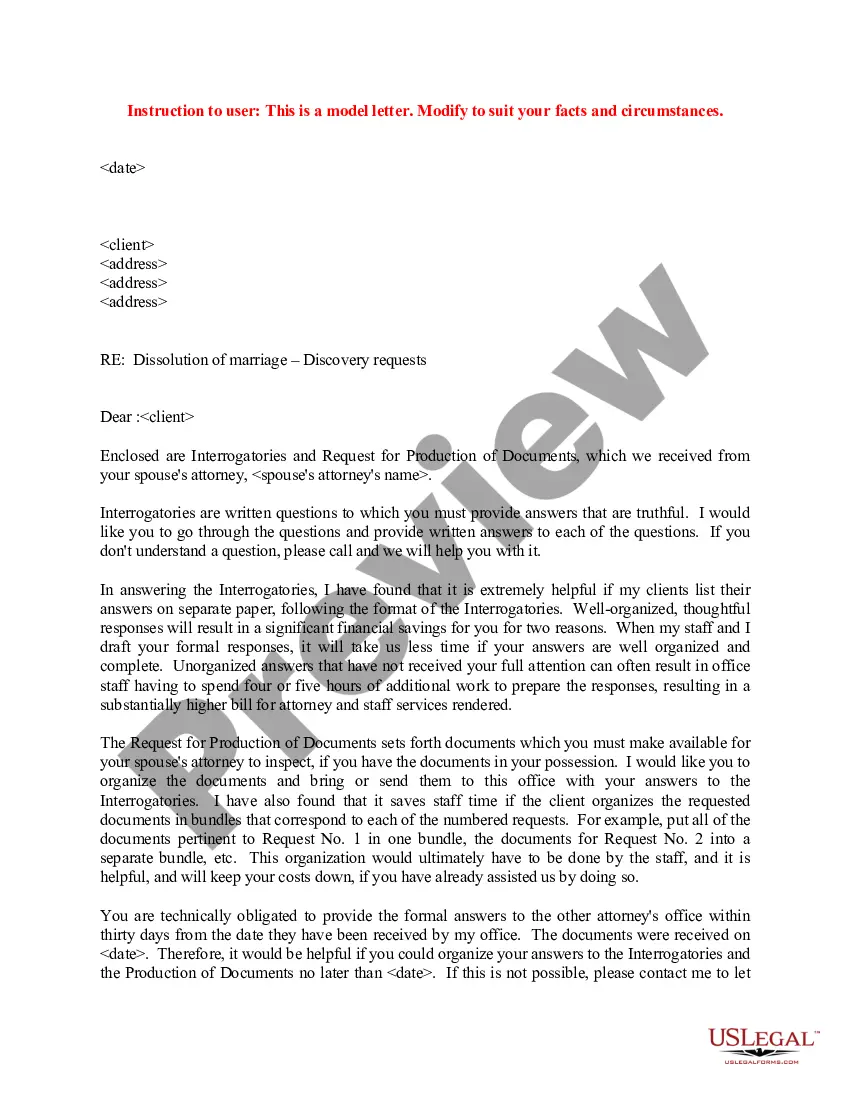
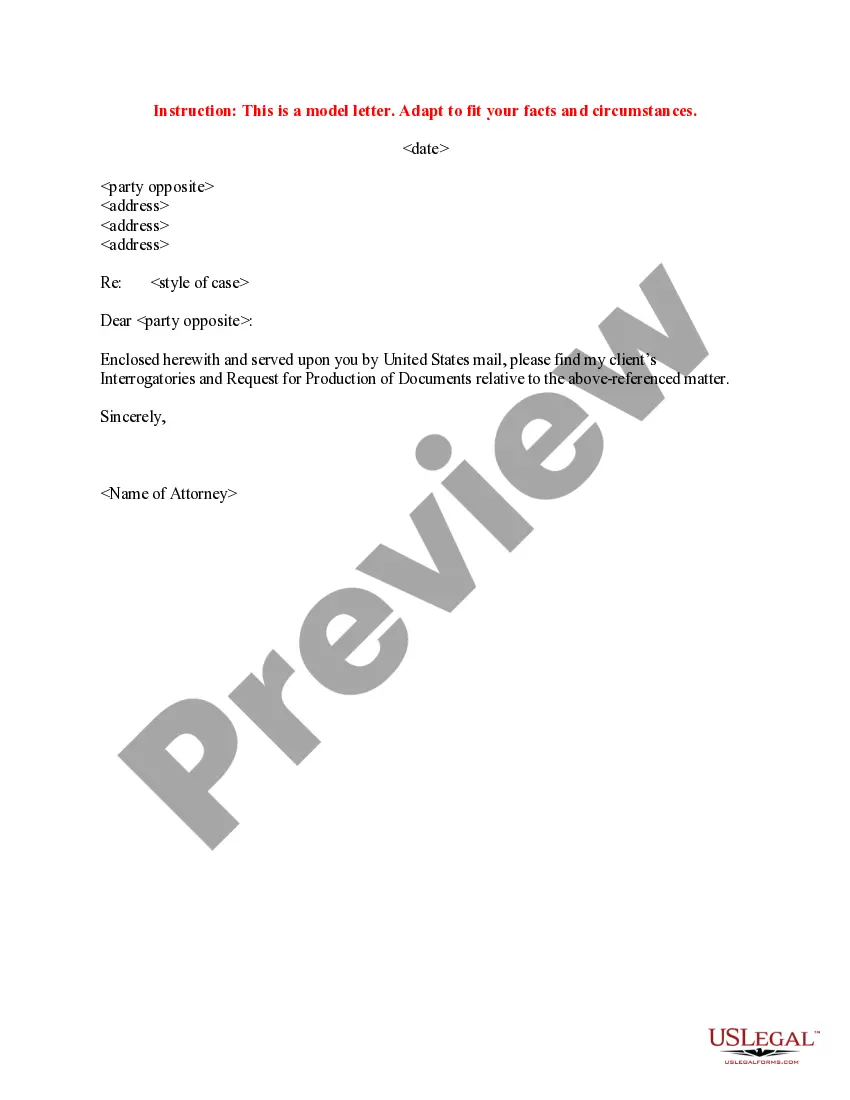
Get your form ready online
Our built-in tools help you complete, sign, share, and store your documents in one place.
Make edits, fill in missing information, and update formatting in US Legal Forms—just like you would in MS Word.
Download a copy, print it, send it by email, or mail it via USPS—whatever works best for your next step.
Sign and collect signatures with our SignNow integration. Send to multiple recipients, set reminders, and more. Go Premium to unlock E-Sign.
If this form requires notarization, complete it online through a secure video call—no need to meet a notary in person or wait for an appointment.
We protect your documents and personal data by following strict security and privacy standards.

Make edits, fill in missing information, and update formatting in US Legal Forms—just like you would in MS Word.

Download a copy, print it, send it by email, or mail it via USPS—whatever works best for your next step.

Sign and collect signatures with our SignNow integration. Send to multiple recipients, set reminders, and more. Go Premium to unlock E-Sign.

If this form requires notarization, complete it online through a secure video call—no need to meet a notary in person or wait for an appointment.

We protect your documents and personal data by following strict security and privacy standards.
Looking for another form?

Form popularity
FAQ
Their case in their own mind. It's going to make them more confident in the validity of theirMoreTheir case in their own mind. It's going to make them more confident in the validity of their evidence. And it's a statement that you can be cross-examined. On if you then later came to court.
Traffic Court Discovery Request Should Normally be in Writing. To discover the officer's notes or other documents in a traffic case, you must make a specific written request for the disclosure of all notes or documents relevant to your case.
Generally, discovery requests should be sent to the law enforcement agency that issued the ticket, the prosecuting attorney (in jurisdictions that use prosecutors in traffic court), and to the traffic court clerk.
Discovery means you send the other side questions and requests for information or items (like documents) in writing. The other side must respond to your question or request in writing.
How Long Is the Discovery Phase in a Lawsuit? The length of the discovery phase varies depending on the case's complexity, the amount of evidence to be collected, and the level of cooperation between the parties. In personal injury cases, the discovery process can last anywhere from a few months to over a year.
Traffic Ticket Defenses that Can Succeed Show That a Necessary Element of the Traffic Offense Is Missing. Challenge the Officer's Subjective Conclusion. Challenge the Officer's Observation of What Happened. Prove Your Conduct Was Based on a Legitimate "Mistake of Fact" ... Prove Your Conduct Was Necessary to Avoid Serious Harm.
When a party requests documents or answers to questions from the opposing party in a lawsuit, you must do so in the form of a Motion for Discovery. A Motion for Discovery may be filed with the Court via E-File, Email, in person, or by US Mail.
In 2020, the Texas Supreme Court made significant changes to both TRCP 194 and 195, notably the implementation of “Required Disclosures,” automatically obligating parties in civil suits filed after January 1, 2021, to provide certain information and documents to the other parties without waiting for a discovery request ...
When responding to written discovery, a party must make a complete response, based on all information reasonably available to the responding party or its attorney at the time the response is made. The responding party's answers, objections, and other responses must be preceded by the request to which they apply.
Amended Rule 190.2(b) ends the discovery period 180 days after the date the first discovery request is served; imposes a fifteen limit maximum on interrogatories, requests for production, and requests for admission; and allows for additional disclosures.
