Requesting Discovery Form With Decimals In Cuyahoga
Description
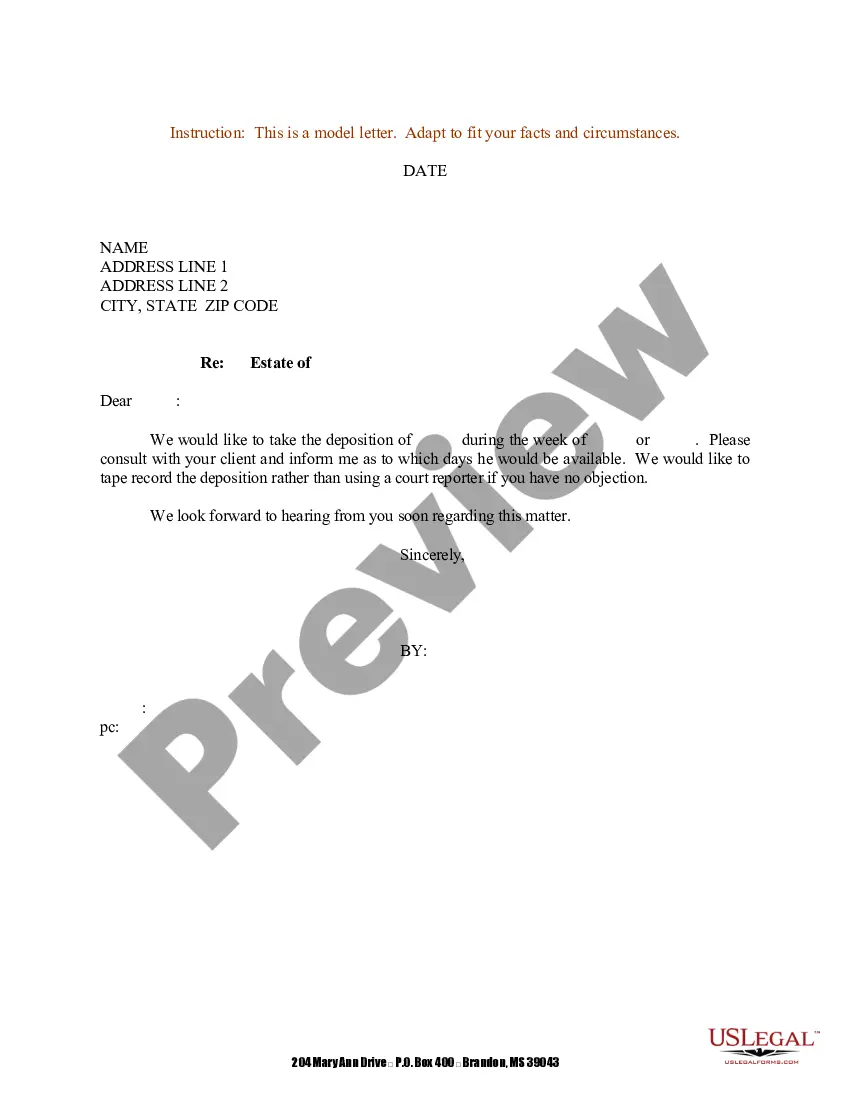
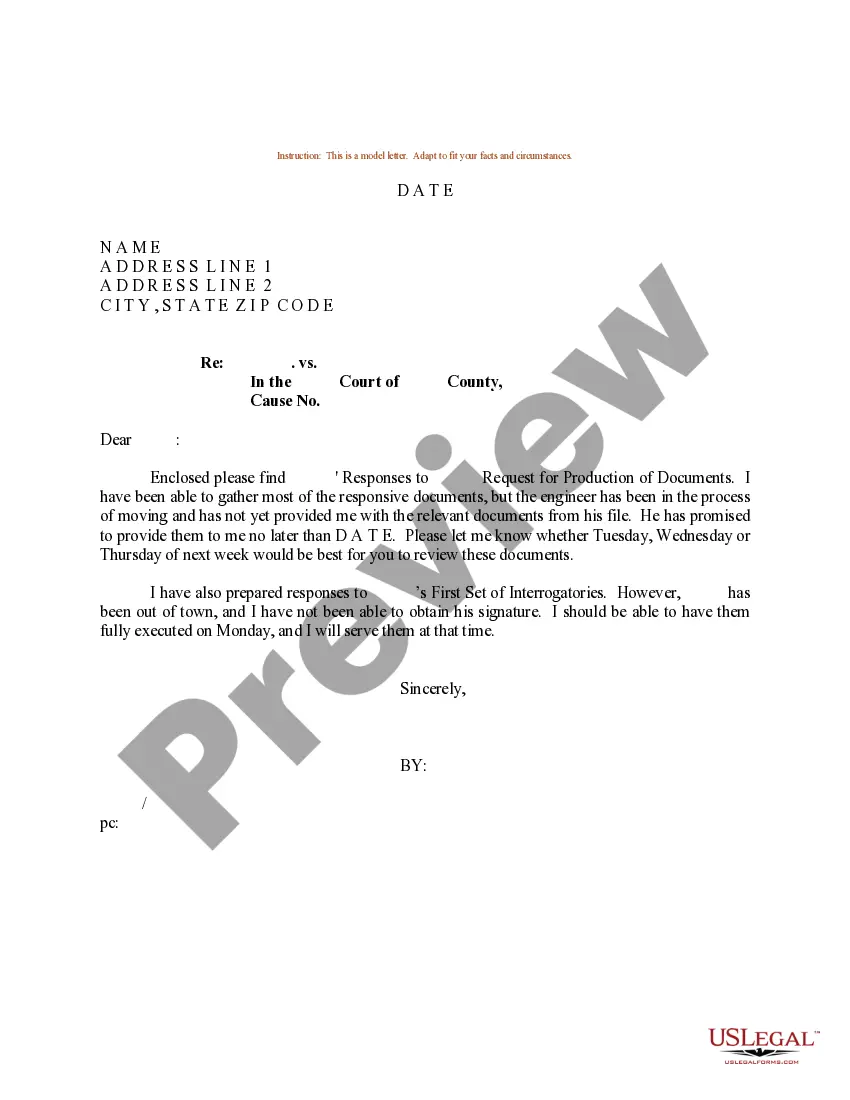
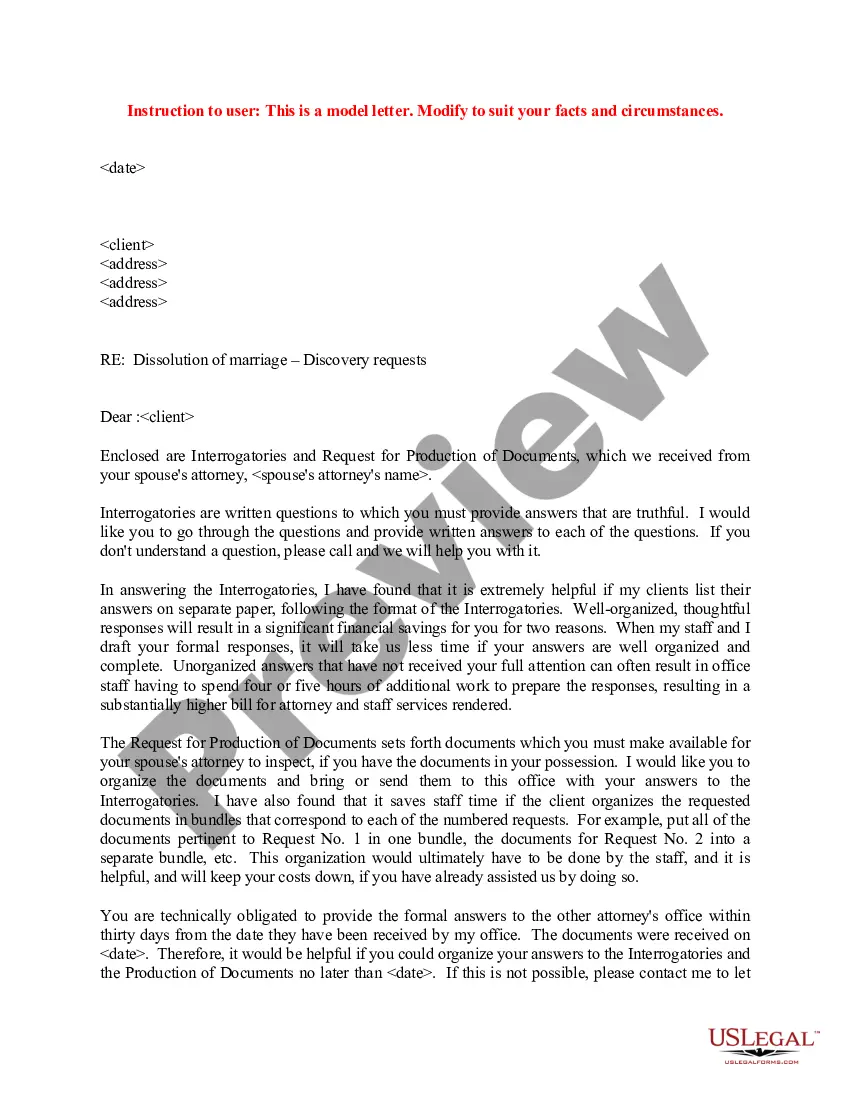
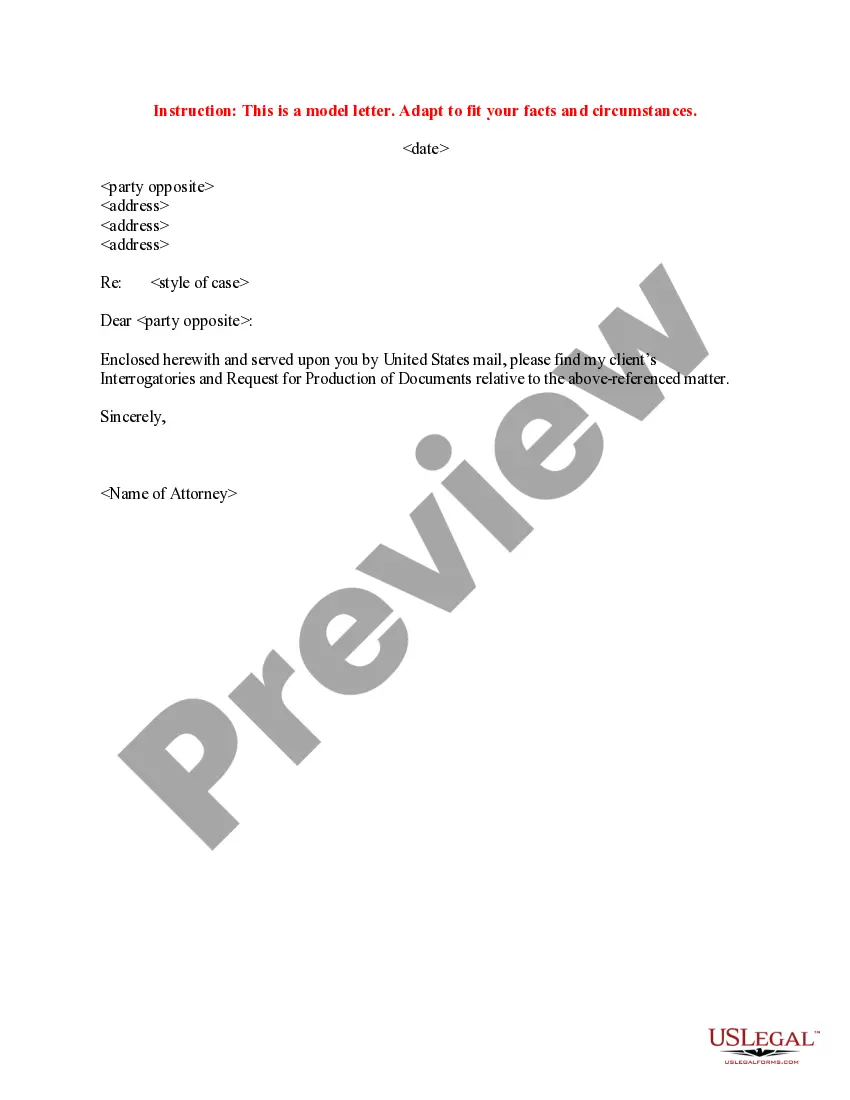
Get your form ready online
Our built-in tools help you complete, sign, share, and store your documents in one place.
Make edits, fill in missing information, and update formatting in US Legal Forms—just like you would in MS Word.
Download a copy, print it, send it by email, or mail it via USPS—whatever works best for your next step.
Sign and collect signatures with our SignNow integration. Send to multiple recipients, set reminders, and more. Go Premium to unlock E-Sign.
If this form requires notarization, complete it online through a secure video call—no need to meet a notary in person or wait for an appointment.
We protect your documents and personal data by following strict security and privacy standards.

Make edits, fill in missing information, and update formatting in US Legal Forms—just like you would in MS Word.

Download a copy, print it, send it by email, or mail it via USPS—whatever works best for your next step.

Sign and collect signatures with our SignNow integration. Send to multiple recipients, set reminders, and more. Go Premium to unlock E-Sign.

If this form requires notarization, complete it online through a secure video call—no need to meet a notary in person or wait for an appointment.

We protect your documents and personal data by following strict security and privacy standards.
Looking for another form?


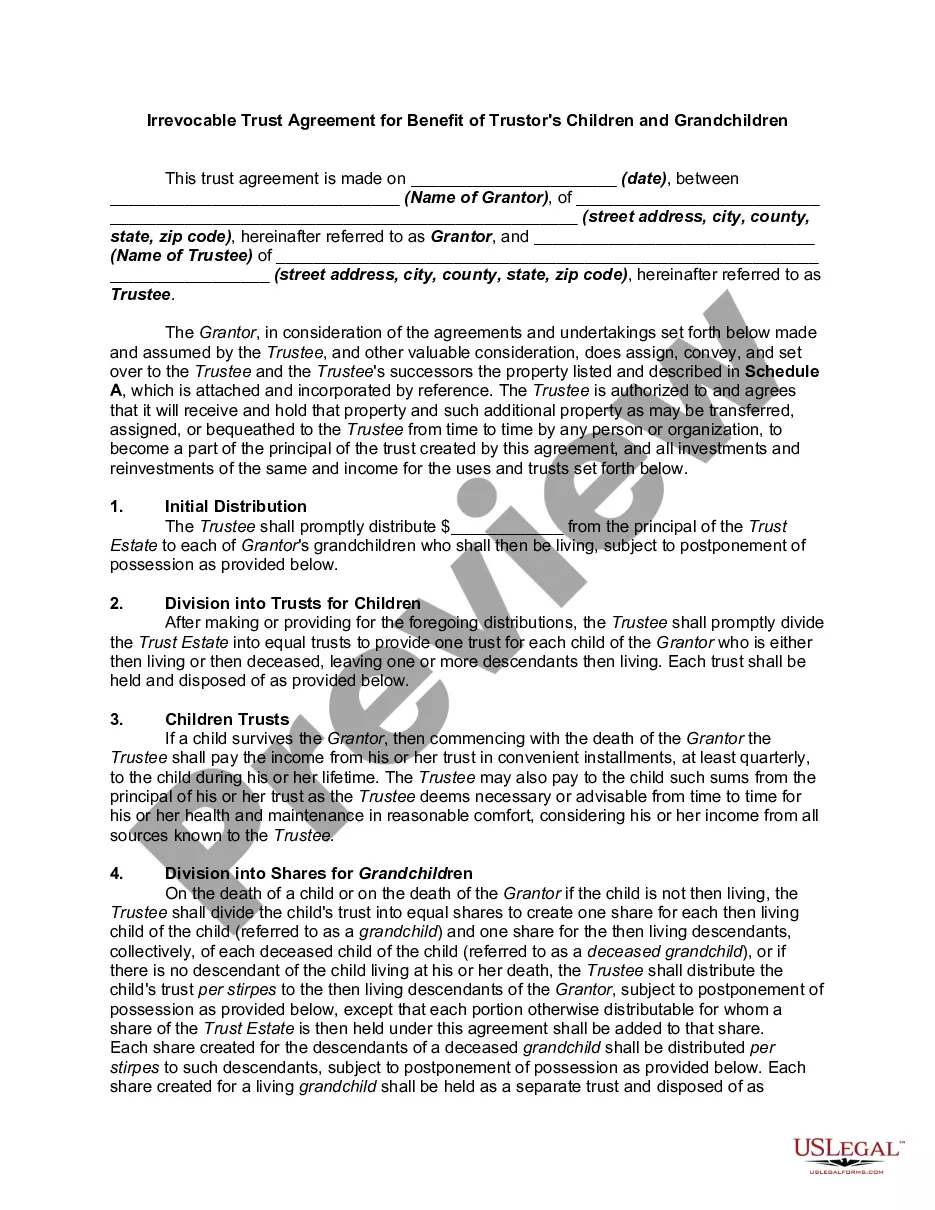


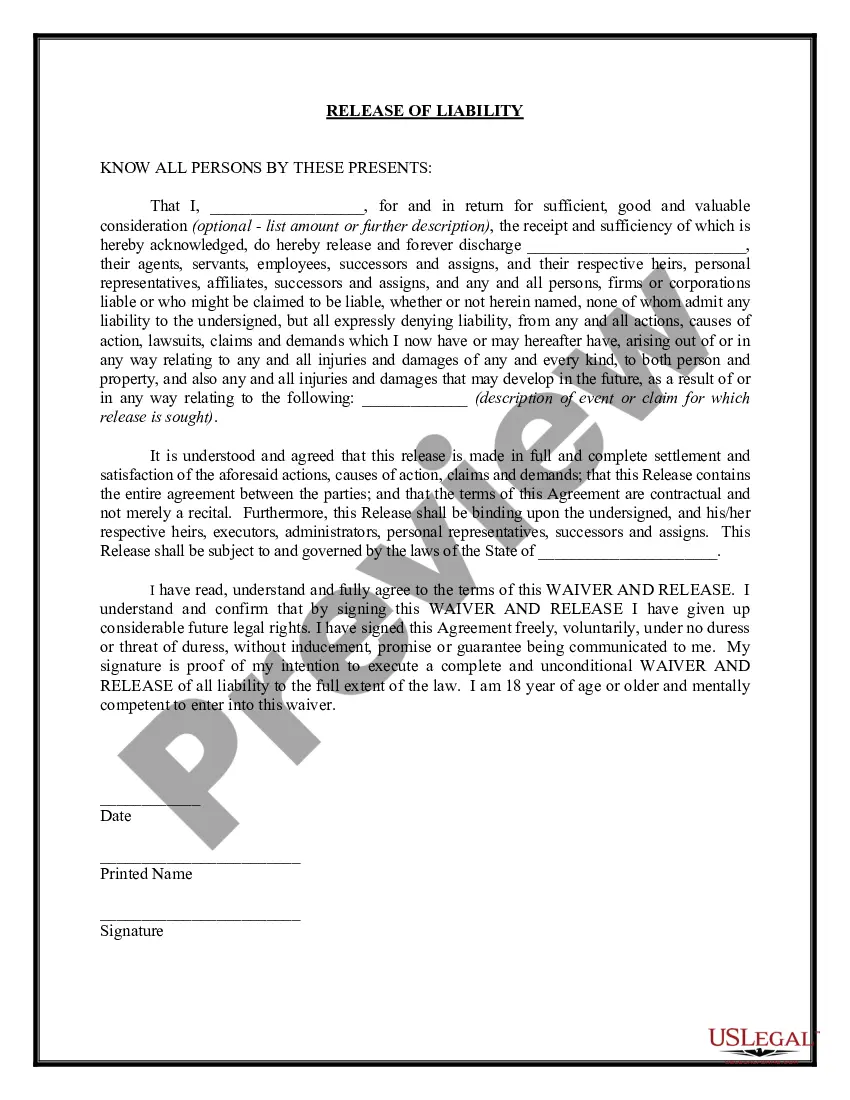




Form popularity
FAQ
Rule 33 - Interrogatories to Parties (A) Availability; procedures for use. Any party, without leave of court, may serve upon any other party up to forty written interrogatories to be answered by the party served.
New Trial. On a defendant's motion, the court may grant a new trial to that defendant if the interests of justice so require. If trial was by the court without a jury, the court may-on defendant's motion for new trial-vacate the judgment, take additional testimony, and direct the entry of a new judgment.
The party upon whom the interrogatories have been served shall serve a copy of the answers and objections within a period designated by the party submitting the interrogatories, not less than twenty-eight days after the service of the interrogatories or within such shorter or longer time as the court may allow.
11.0 HEARING AND SUBMISSION OF MOTIONS If the motion requires consideration of facts not appearing of record, the movant shall serve and file copies of all affidavits, depositions, photographs or documentary evidence which the movant desires to submit in support of the motion.
A new trial may be granted on motion of the defendant for any of the following causes affecting materially the defendant's substantial rights: (1) Irregularity in the proceedings, or in any order or ruling of the court, or abuse of discretion by the court, because of which the defendant was prevented from having a fair ...
Rule 26 - General Provisions Governing Discovery (A)Policy; discovery methods It is the policy of these rules (1) to preserve the right of attorneys to prepare cases for trial with that degree of privacy necessary to encourage them to prepare their cases thoroughly and to investigate not only the favorable but the ...
Rule 26(B)(6)(a) establishes procedures parties must follow when withholding documents (including electronically stored information) based on privilege. Civ. R. 26(B)(6)(b) provides a mechanism for a party to retrieve inadvertently produced documents from an opponent.
Rule 42(A) Consolidation Absent the consent of the parties, the court may consolidate for trial only those claims that involve the same exposed person and members of the exposed person's household. The rule expressly permits the consolidation of pending actions for case management purposes.

