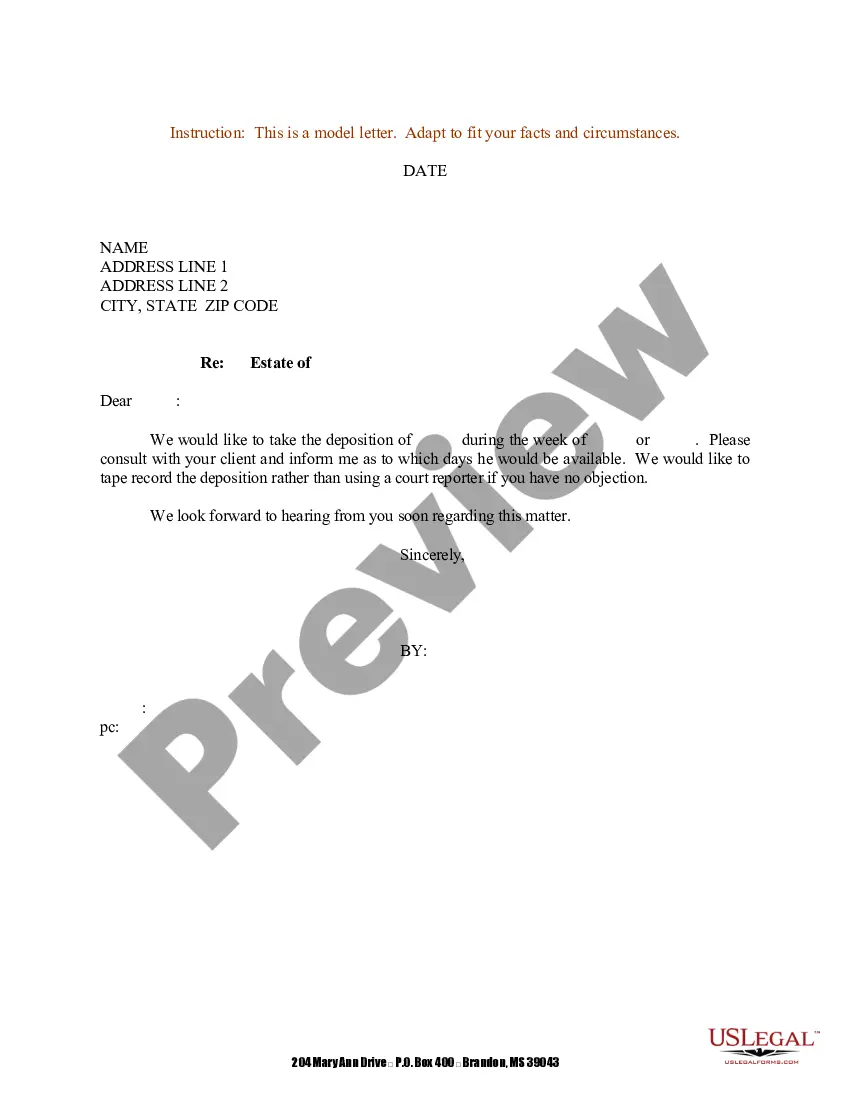
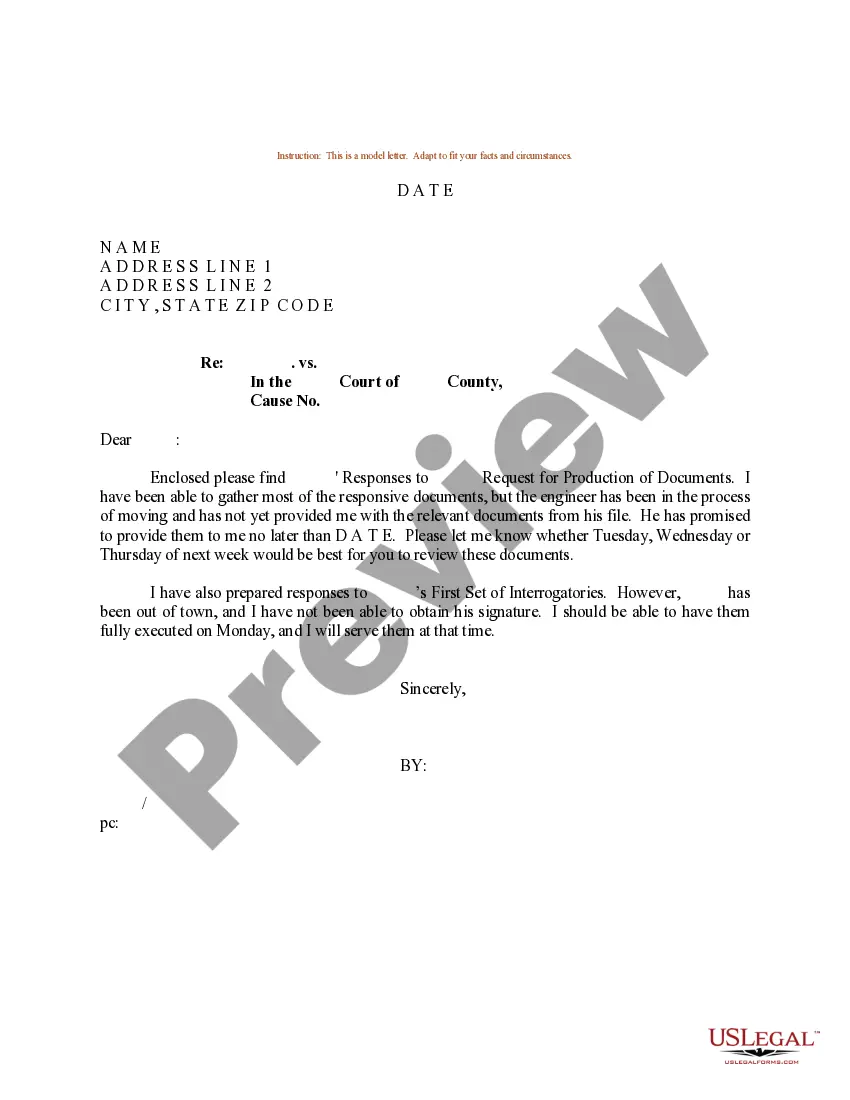
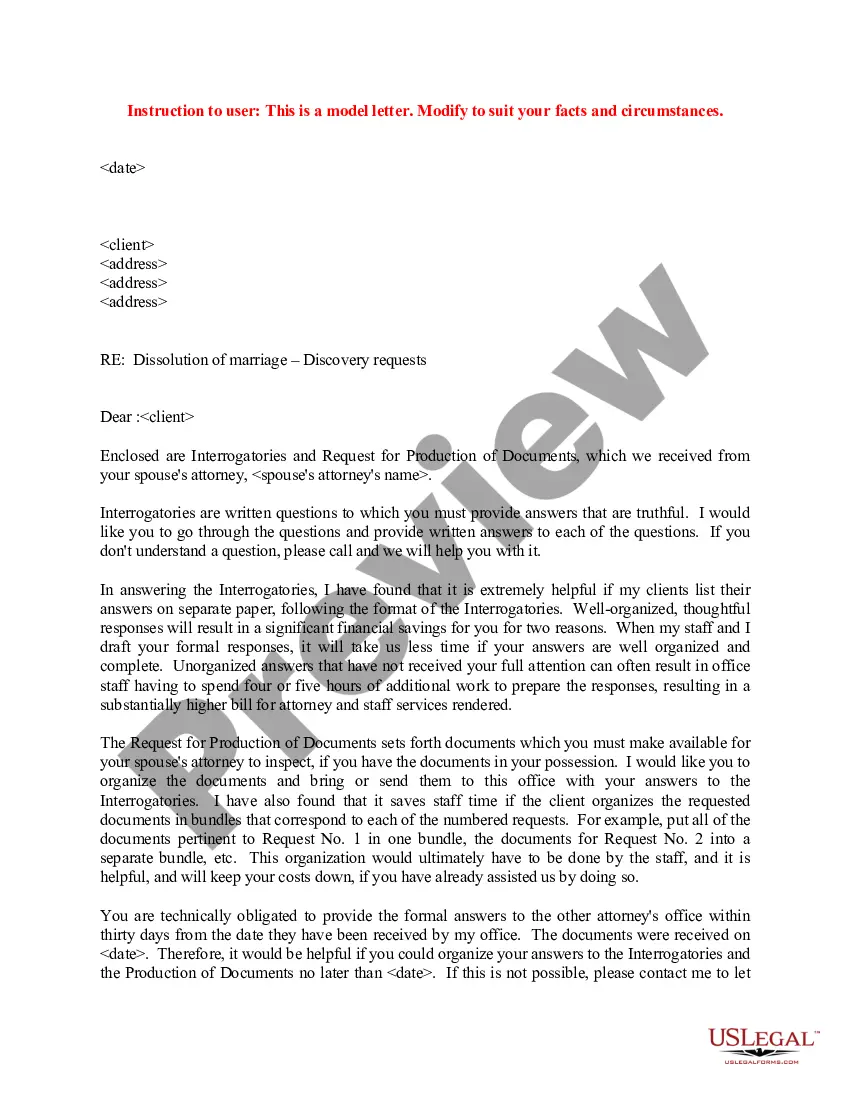
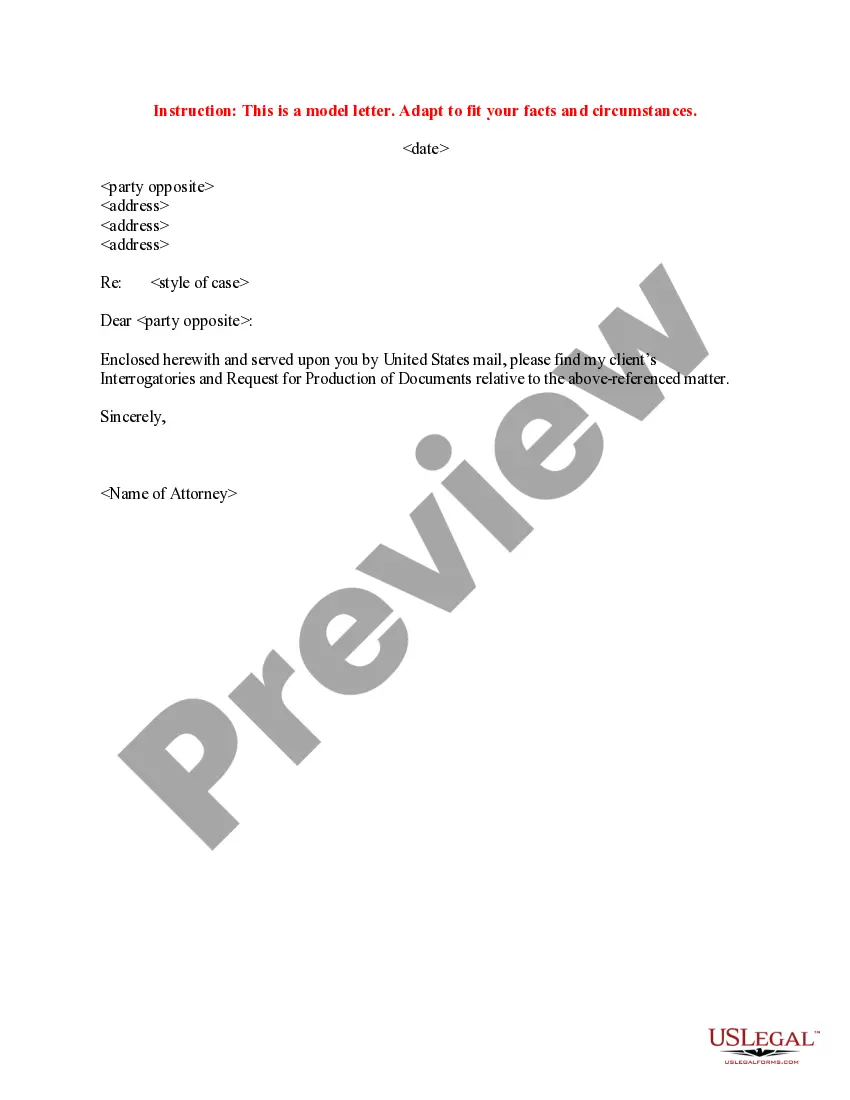
Requesting Discovery Form With Court In Bronx
Description
Get your form ready online
Our built-in tools help you complete, sign, share, and store your documents in one place.
Make edits, fill in missing information, and update formatting in US Legal Forms—just like you would in MS Word.
Download a copy, print it, send it by email, or mail it via USPS—whatever works best for your next step.
Sign and collect signatures with our SignNow integration. Send to multiple recipients, set reminders, and more. Go Premium to unlock E-Sign.
If this form requires notarization, complete it online through a secure video call—no need to meet a notary in person or wait for an appointment.
We protect your documents and personal data by following strict security and privacy standards.

Make edits, fill in missing information, and update formatting in US Legal Forms—just like you would in MS Word.

Download a copy, print it, send it by email, or mail it via USPS—whatever works best for your next step.

Sign and collect signatures with our SignNow integration. Send to multiple recipients, set reminders, and more. Go Premium to unlock E-Sign.

If this form requires notarization, complete it online through a secure video call—no need to meet a notary in person or wait for an appointment.

We protect your documents and personal data by following strict security and privacy standards.
Looking for another form?








Form popularity
FAQ
Provide a brief synopsis (two or three sentences) of the crux of the motion that you are bringing before the court. 2. Give a good explanation of the facts of the case. The relevant scope of your discovery depends on these facts.
Parties usually send their discovery requests and responses to the other party electronically, by email. But, parties may also send or respond to discovery requests by U.S. mail or a parcel service. Discovery requests and responses should not be sent to the Administrative Judge, except to support a motion.
Discovery is the formal process by which the parties to a case in court exchange information about the case. This includes information about the witnesses and evidence to be presented at trial. Its purpose is to make the parties aware of the evidence which may be presented at trial.
Discovery is the formal process by which the parties to a case in court exchange information about the case. This includes information about the witnesses and evidence to be presented at trial. Its purpose is to make the parties aware of the evidence which may be presented at trial.
Here are some of the things lawyers often ask for in discovery: anything a witness or party saw, heard, or did in connection with the dispute. anything anyone said at a particular time and place (for example, in a business meeting related to the dispute or after a car accident that turned into a lawsuit)
How Does Discovery Work? There are four main types of discovery requests: (1) depositions; (2) interrogatories; (3) requests for admissions; and (4) requests for the production of documents. Depositions are formal witness interviews.
However, most personal injury cases settle before trial. Instead, they may offer the settlement well after the trial starts. This typically happens after discovery, but it may even happen after the jury reaches a verdict.
Discovery allows you to get information and evidence from the other party or other persons you can use in your lawsuit.
“At the conclusion of other discovery and at least 30 days prior the discovery cut-off date,” parties may serve contention interrogatories (Comm'l Div. Rule 11-ad). Requests for admission are unlimited and can be served up to 20 days before trial; responses are due within 20 days (CPLR Section 3123a).
The rule acknowledges that victims cannot sue for damages they are unaware of, and it adjusts the legal timeline ingly. This rule, however, is not without its limits. New York law specifies certain conditions under which the discovery rule applies, and understanding these specifics is crucial.

