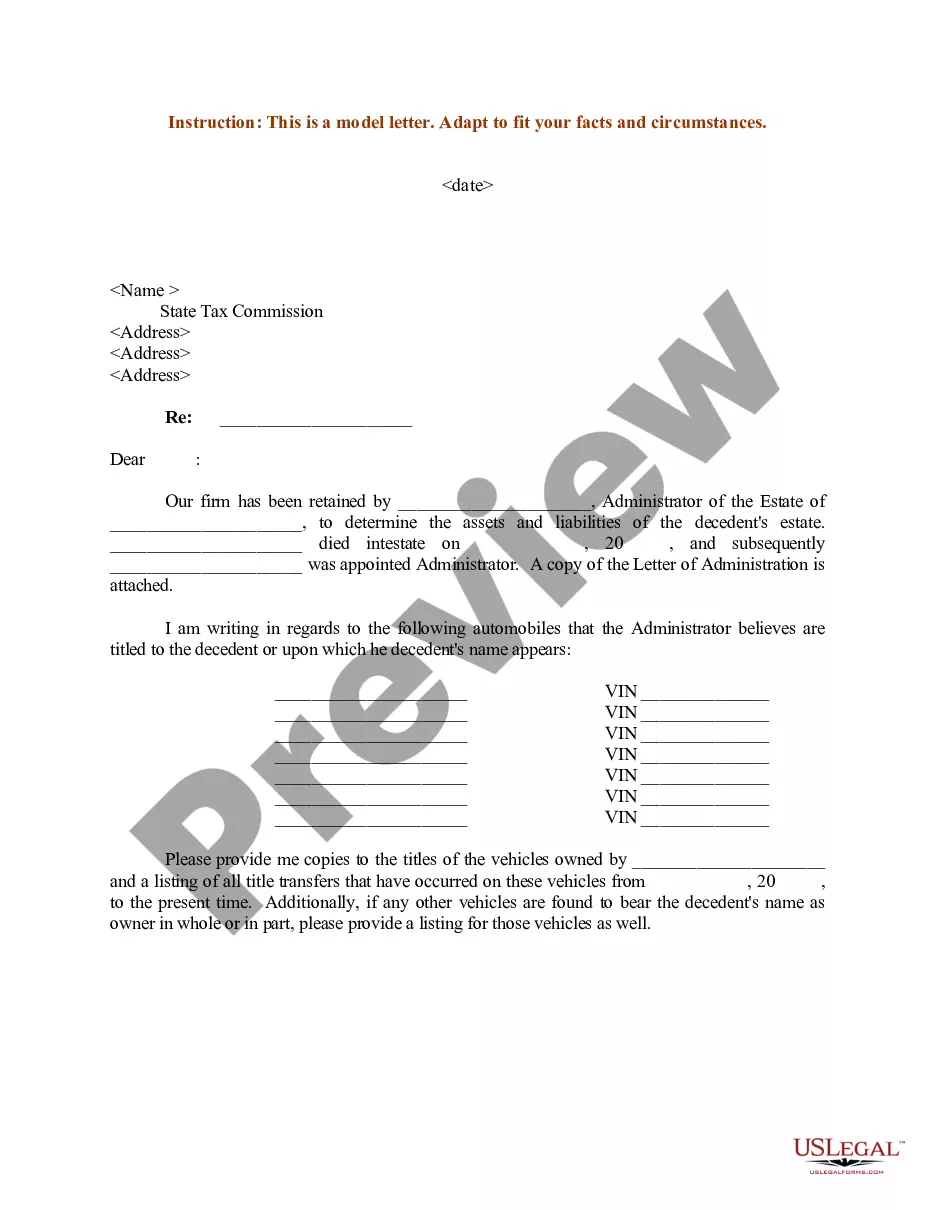
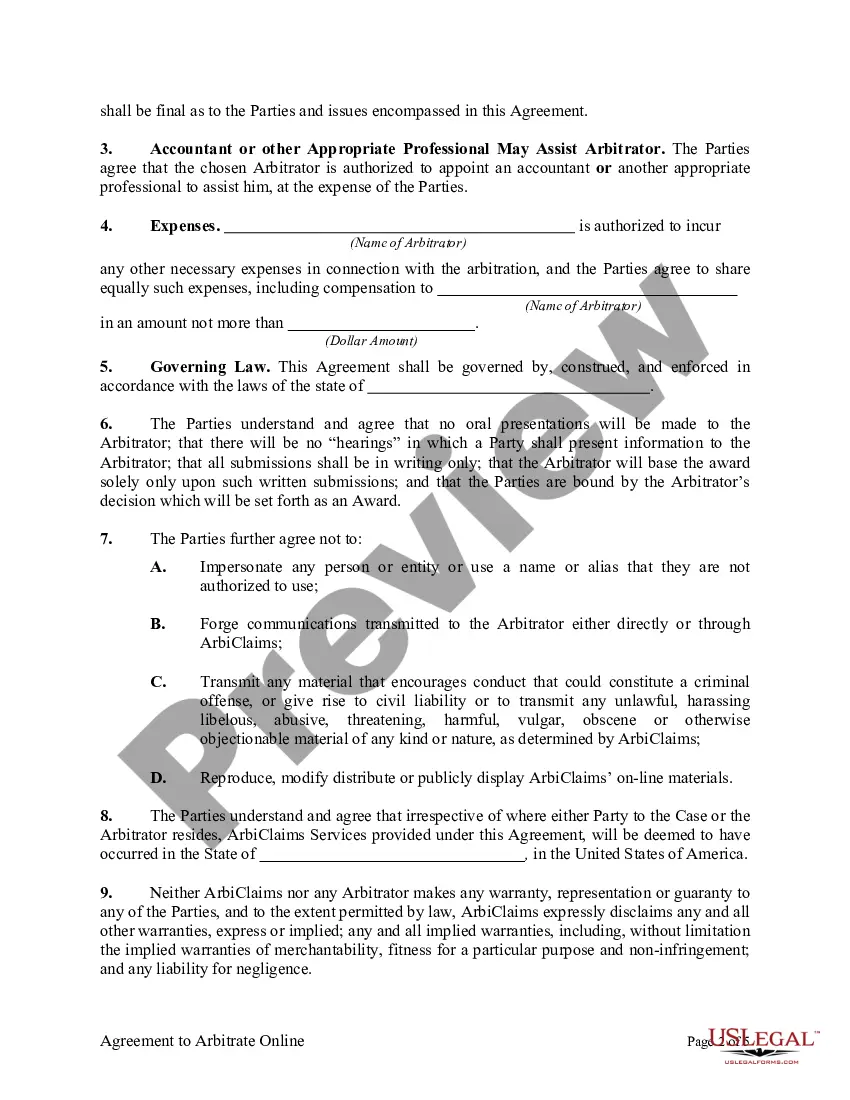
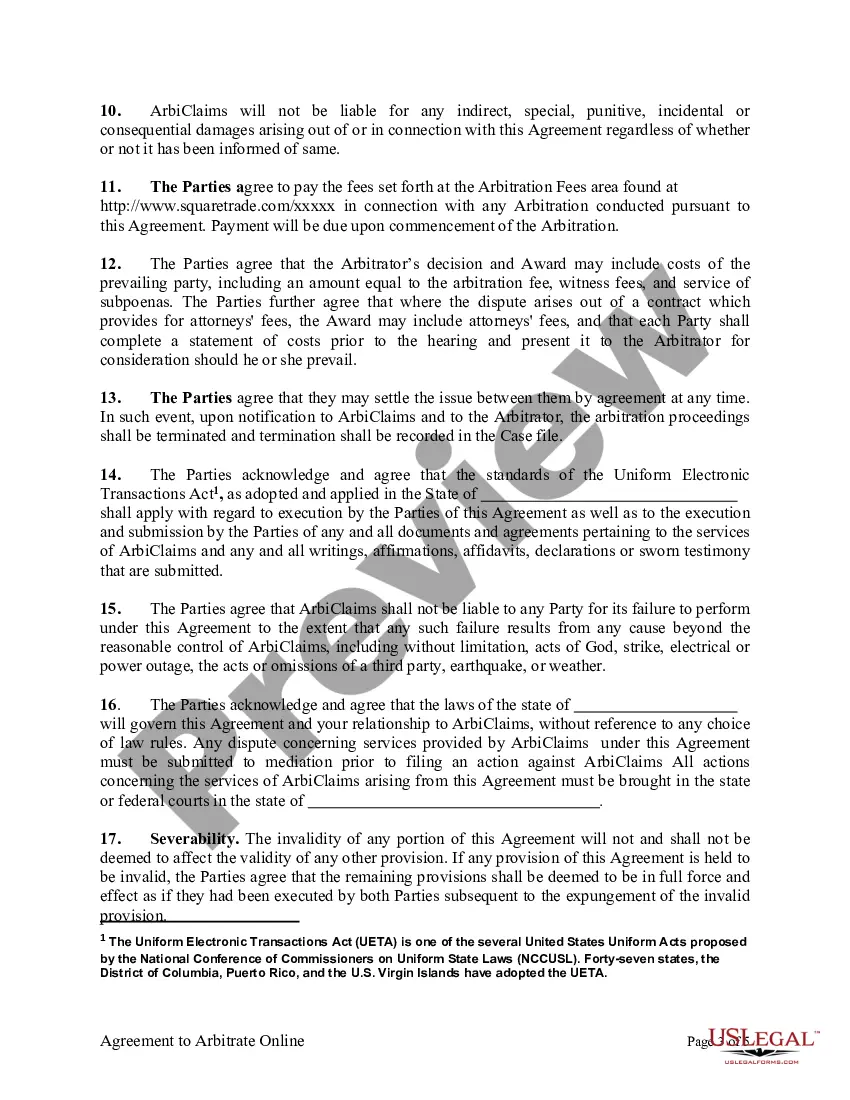
Arbitration Agreement For Car Purchase In Salt Lake
Description





Get your form ready online
Our built-in tools help you complete, sign, share, and store your documents in one place.
Make edits, fill in missing information, and update formatting in US Legal Forms—just like you would in MS Word.
Download a copy, print it, send it by email, or mail it via USPS—whatever works best for your next step.
Sign and collect signatures with our SignNow integration. Send to multiple recipients, set reminders, and more. Go Premium to unlock E-Sign.
If this form requires notarization, complete it online through a secure video call—no need to meet a notary in person or wait for an appointment.
We protect your documents and personal data by following strict security and privacy standards.

Make edits, fill in missing information, and update formatting in US Legal Forms—just like you would in MS Word.

Download a copy, print it, send it by email, or mail it via USPS—whatever works best for your next step.

Sign and collect signatures with our SignNow integration. Send to multiple recipients, set reminders, and more. Go Premium to unlock E-Sign.

If this form requires notarization, complete it online through a secure video call—no need to meet a notary in person or wait for an appointment.

We protect your documents and personal data by following strict security and privacy standards.
Looking for another form?






Form popularity
FAQ
A claimant will typically start arbitration by sending a document known as a “request for arbitration” or a “notice to arbitrate” to its opponent.
An arbitration should only be commenced when a dispute(s) has arisen between the parties.
By signing an arbitration agreement, employees give up their rights to have a jury hear and decide their case. There can often be an advantage to having an employment dispute heard before a jury, as jurors may be more sympathetic to the employee's plight.
If the arbitration is mandatory and binding, the parties waive their rights to use the court system and have a judge or jury decide the case. If the arbitrator's award is unfair or illogical, a consumer may well be stuck with it without a chance for recourse.
Some contracts give you the right to opt out of the forced arbitration clause within a certain period of time, often 30 to 60 days, after signing the agreement by notifying the company that you wish to opt out. Check your contract for the deadline and for specific instructions for opting out.
Yes. Arbitration is less formal than litigation, and is often much cheaper. Furthermore, arbitration is aimed at reaching a compromise between parties, reaching a win-win situation, as opposed to litigation, which is aimed at one party winning over the other.
In other words, a party's right to refer a dispute to arbitration depends on the existence of an agreement (the “arbitration agreement”) between them and the other parties to the dispute that the dispute may be referred to arbitration.
Should you sign an arbitration agreement? If you agree to engage in a possible future arbitration voluntarily, mutually determine the ground rules of arbitration and agree to choose an impartial arbitrator together, you are likely to find arbitration to be not only inexpensive and fast but also fair.
Under the Federal Arbitration Act, if a party that has previously signed an agreement containing an arbitration clause attempts to bring a lawsuit in court rather than seeking arbitration, the other party can enforce the arbitration agreement by filing a motion to stay the court proceedings until the arbitration has ...
Notably, ing to Section 21 of the Arbitration Act, the arbitration proceedings commence when a notice invoking arbitration is sent by the Claimant to the other party within a maximum period of 3 years from the date of occurrence of cause of action.