Agreement Online Contract With Consultant In Queens
Description

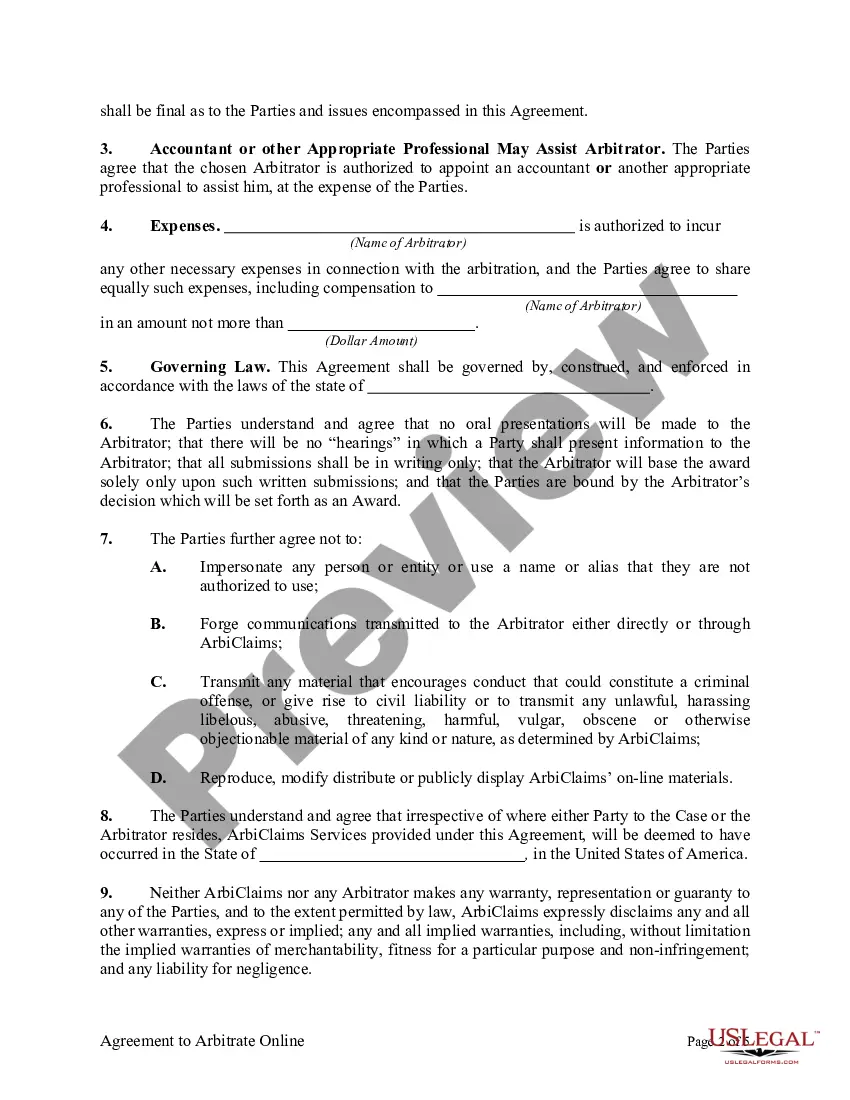




Get your form ready online
Our built-in tools help you complete, sign, share, and store your documents in one place.
Make edits, fill in missing information, and update formatting in US Legal Forms—just like you would in MS Word.
Download a copy, print it, send it by email, or mail it via USPS—whatever works best for your next step.
Sign and collect signatures with our SignNow integration. Send to multiple recipients, set reminders, and more. Go Premium to unlock E-Sign.
If this form requires notarization, complete it online through a secure video call—no need to meet a notary in person or wait for an appointment.
We protect your documents and personal data by following strict security and privacy standards.

Make edits, fill in missing information, and update formatting in US Legal Forms—just like you would in MS Word.

Download a copy, print it, send it by email, or mail it via USPS—whatever works best for your next step.

Sign and collect signatures with our SignNow integration. Send to multiple recipients, set reminders, and more. Go Premium to unlock E-Sign.

If this form requires notarization, complete it online through a secure video call—no need to meet a notary in person or wait for an appointment.

We protect your documents and personal data by following strict security and privacy standards.
Looking for another form?







Form popularity
FAQ
The consulting agreement is an agreement between a consultant and a client who wishes to retain certain specified services of the consultant for a specified time at a specified rate of compensation. As indicated previously, the terms of the agreement can be quite simple or very complex.
How to draft a contract between two parties: A step-by-step checklist Know your parties. Agree on the terms. Set clear boundaries. Spell out the consequences. Specify how you will resolve disputes. Cover confidentiality. Check the legality of the contract. Open it up to negotiation.
Write the contract in six steps Start with a contract template. Open with the basic information. Describe in detail what you have agreed to. Include a description of how the contract will be ended. Write into the contract which laws apply and how disputes will be resolved. Include space for signatures.
The consultant doesn't implement the strategies they suggest. The client puts the suggestions into action. On the other hand, a contractor performs the work for their clients. A typical contract stipulates that they're responsible for completing a defined set of tasks in the way the client wants.
While employment contracts establish a traditional employer-employee relationship with greater control and benefits, consulting agreements offer flexibility, independence, and project-based arrangements.
When it's time to work with a consultant, plan for the best but prepare for the worst with a solid contract. Originally published by ASAE. A good contract forms the basis for your collaboration with a consultant.
Parties – The names, addresses, and signatures of the service provider and the client should be included. Duration – Both parties should agree on the contract's beginning and ending date. They must also agree on the notice either party must give when terminating the agreement early.
