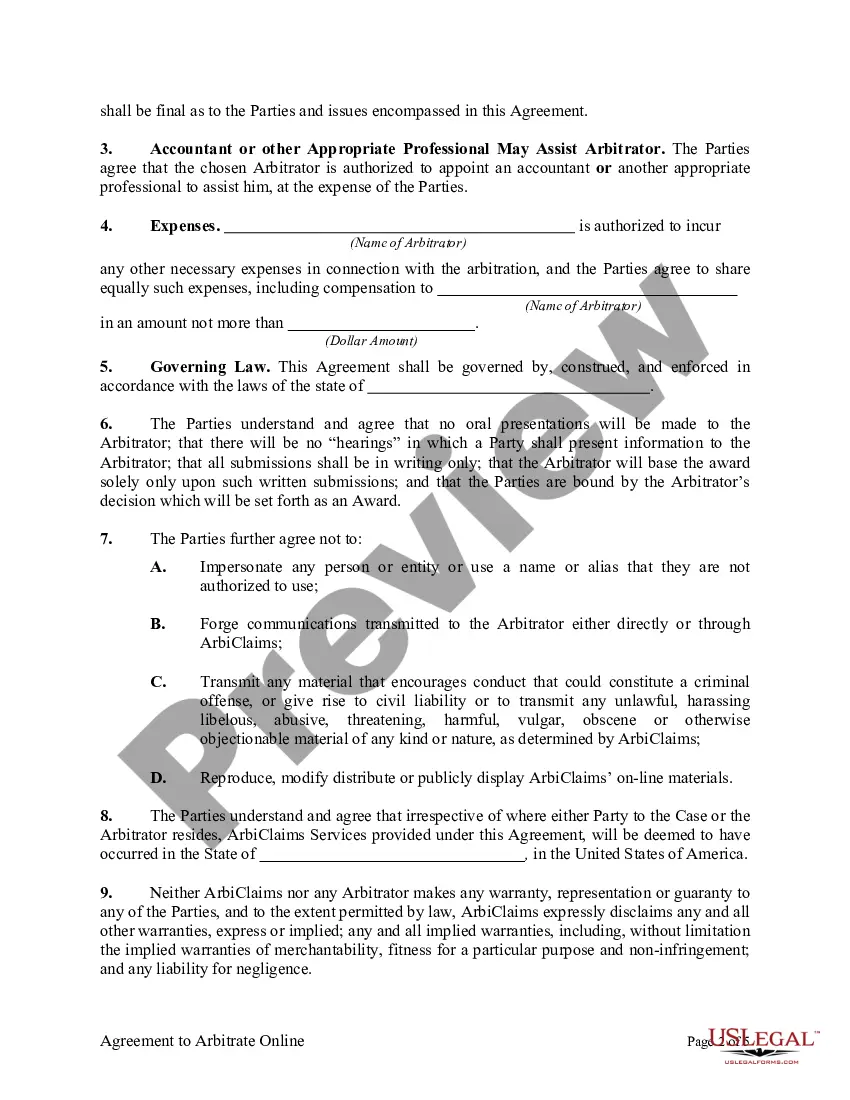
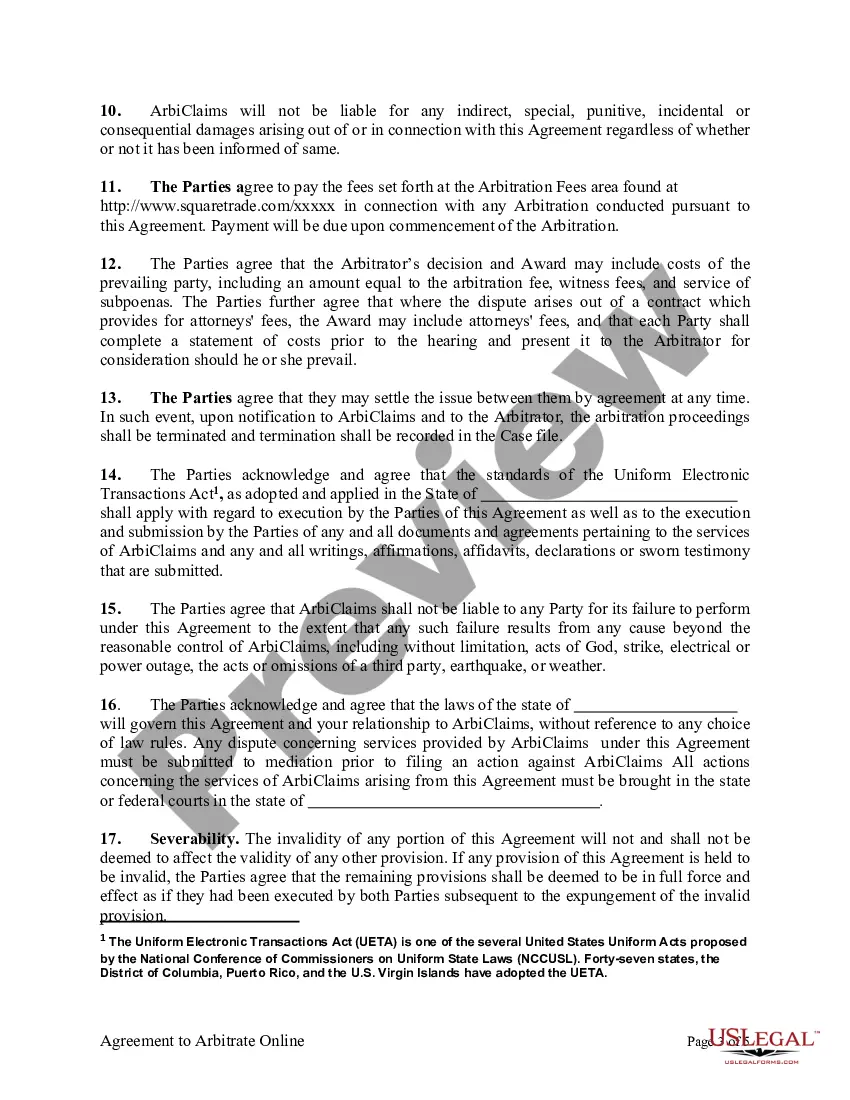
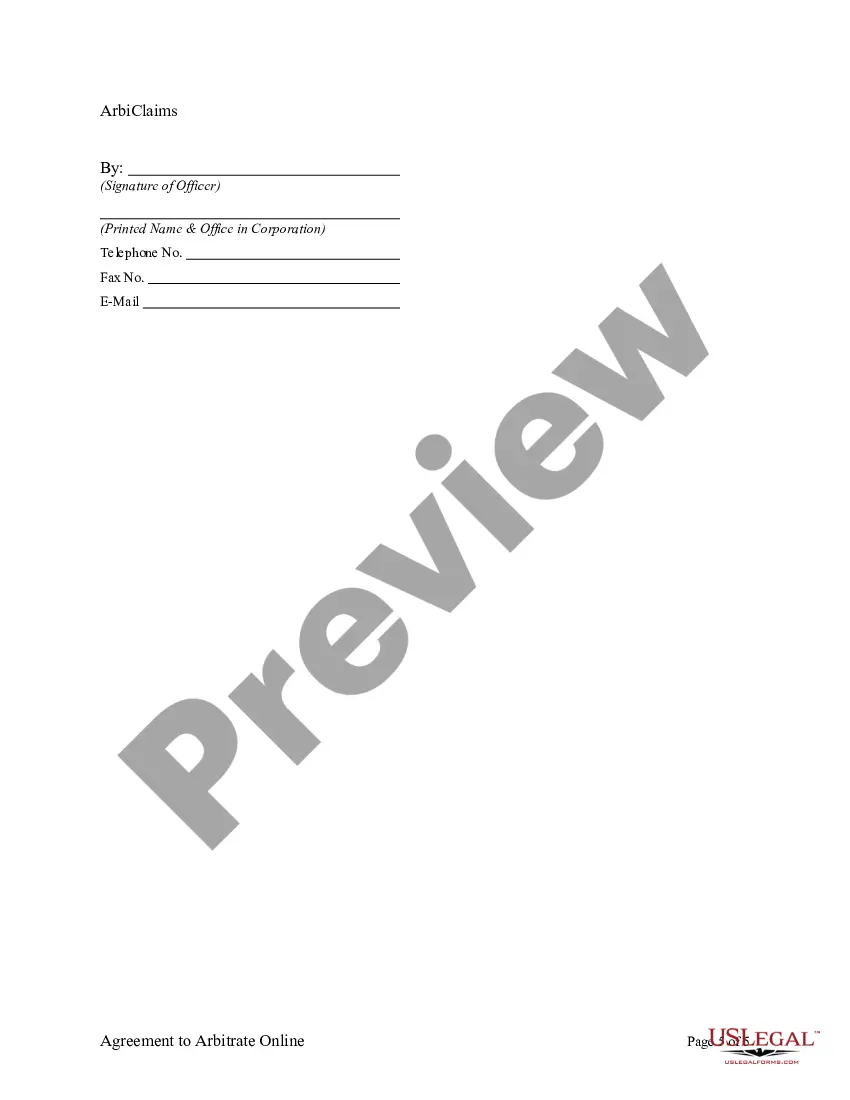
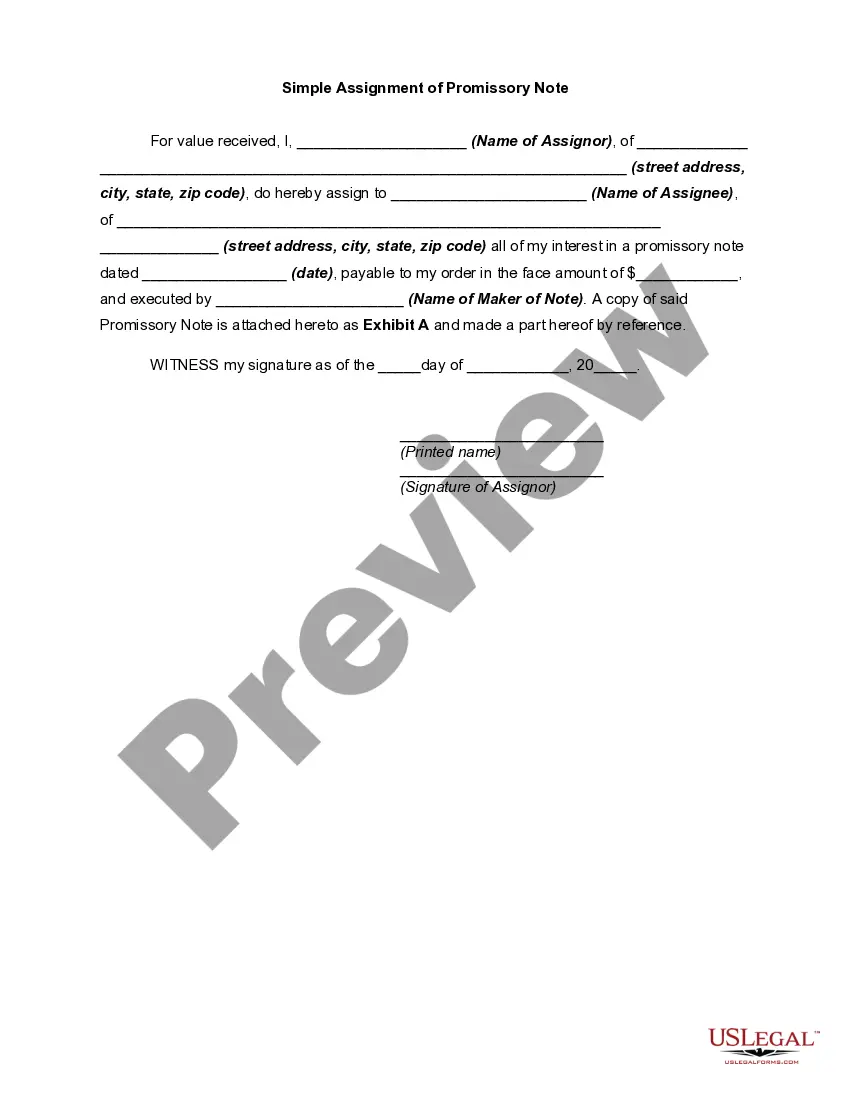
Agreement For Arbitration In Mecklenburg
Description





Get your form ready online
Our built-in tools help you complete, sign, share, and store your documents in one place.
Make edits, fill in missing information, and update formatting in US Legal Forms—just like you would in MS Word.
Download a copy, print it, send it by email, or mail it via USPS—whatever works best for your next step.
Sign and collect signatures with our SignNow integration. Send to multiple recipients, set reminders, and more. Go Premium to unlock E-Sign.
If this form requires notarization, complete it online through a secure video call—no need to meet a notary in person or wait for an appointment.
We protect your documents and personal data by following strict security and privacy standards.

Make edits, fill in missing information, and update formatting in US Legal Forms—just like you would in MS Word.

Download a copy, print it, send it by email, or mail it via USPS—whatever works best for your next step.

Sign and collect signatures with our SignNow integration. Send to multiple recipients, set reminders, and more. Go Premium to unlock E-Sign.

If this form requires notarization, complete it online through a secure video call—no need to meet a notary in person or wait for an appointment.

We protect your documents and personal data by following strict security and privacy standards.
Looking for another form?






Form popularity
FAQ
A claimant will typically start arbitration by sending a document known as a “request for arbitration” or a “notice to arbitrate” to its opponent.
The average arbitration hearing discovery process lasts about two months. Then, the arbitration hearing phase will only take one or two weeks, on average. So, the duration of the entire arbitration process is about three months. But sometimes mandatory arbitration clause arbitral proceedings do not take that long.
There are typically seven stages of the arbitration process: Claimant Files a Claim. Respondent Submits Answer. Parties Select Arbitrators. Parties Attend Initial Prehearing Conference. Parties Exchange Discovery. Parties Attend Hearings. Arbitrators Deliberate and Render Award.
The arbitration is held in a private conference room rather than a public courtroom. The arbitrator begins by presenting the ground rules; then each party makes an opening statement, or their lawyers do. Next, each party presents its evidence and, if necessary, brings in witnesses to support its claims.
The arbitration is held in a private conference room rather than a public courtroom. The arbitrator begins by presenting the ground rules; then each party makes an opening statement, or their lawyers do. Next, each party presents its evidence and, if necessary, brings in witnesses to support its claims.
The Scope of the Clause. This section of the clause is critical; it sets the boundaries for which disputes the tribunal is authorised to determine. Choice of Rules. The Number of Arbitrators. Appointing Authority. Choice of Venue. The language of the proceedings. Finality. Exclusion of the right of appeal.
Arbitration agreements require that persons who signed them resolve any disputes by binding arbitration, rather than in court before a judge and/or jury. What is binding arbitration? Binding arbitration involves the submission of a dispute to a neutral party who hears the case and makes a decision.
Benefits of arbitration This means that arbitrations lead to final outcomes that allow parties to move forward, while also avoiding the public scrutiny that can accompany a court trial. In addition, arbitration allows for more creative rulings than civil courts can issue.
An arbitration agreement ensures that certain disputes will go to an arbitrator, instead of court. In other words, you can't file a lawsuit. Generally, most advantages go to the employer. Among these are, no court case. The arbitrator is usually someone with experience in the field of the dispute.
An arbitration hearing is an informal legal proceeding held before a neutral court official called an arbitrator. Arbitration hearings are limited by rule to one hour and take place in the courthouse. The hearings are conducted in a serious but relaxed atmosphere, with the rules of evidence serving as a guide.
