Agreement Arbitration Document For Car Purchase In King
Description

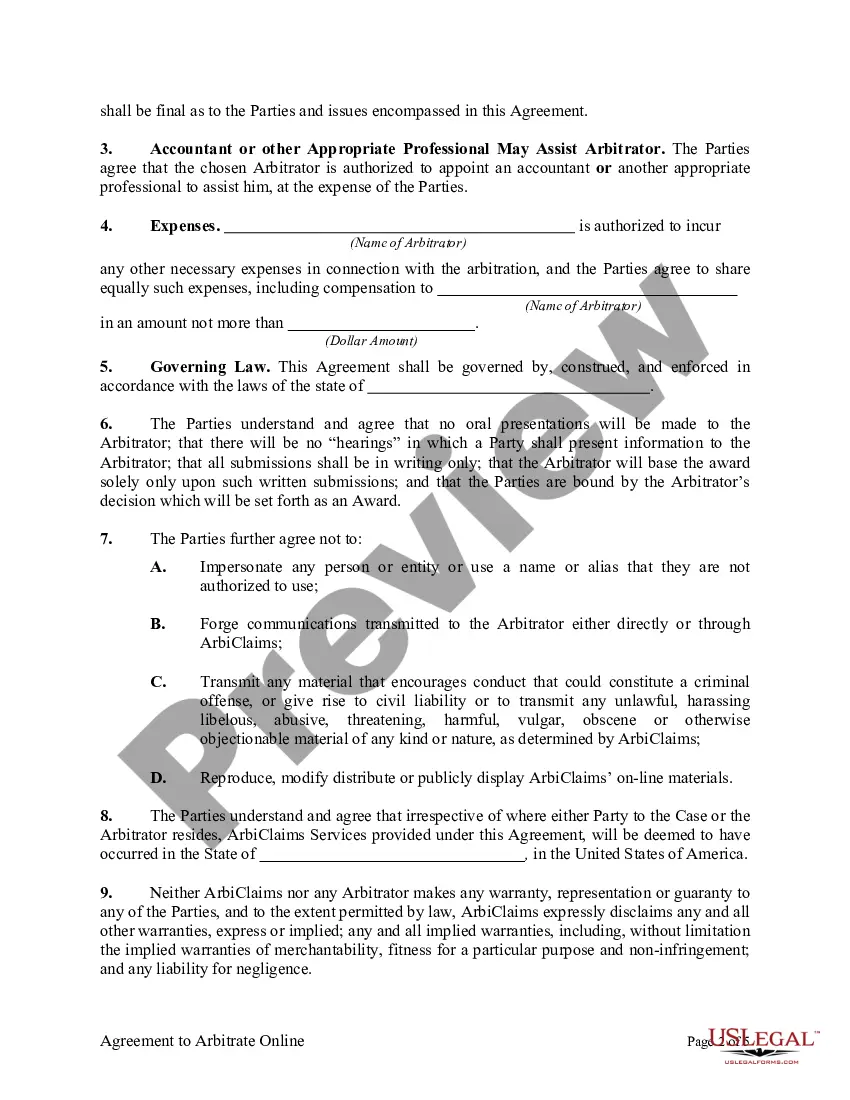
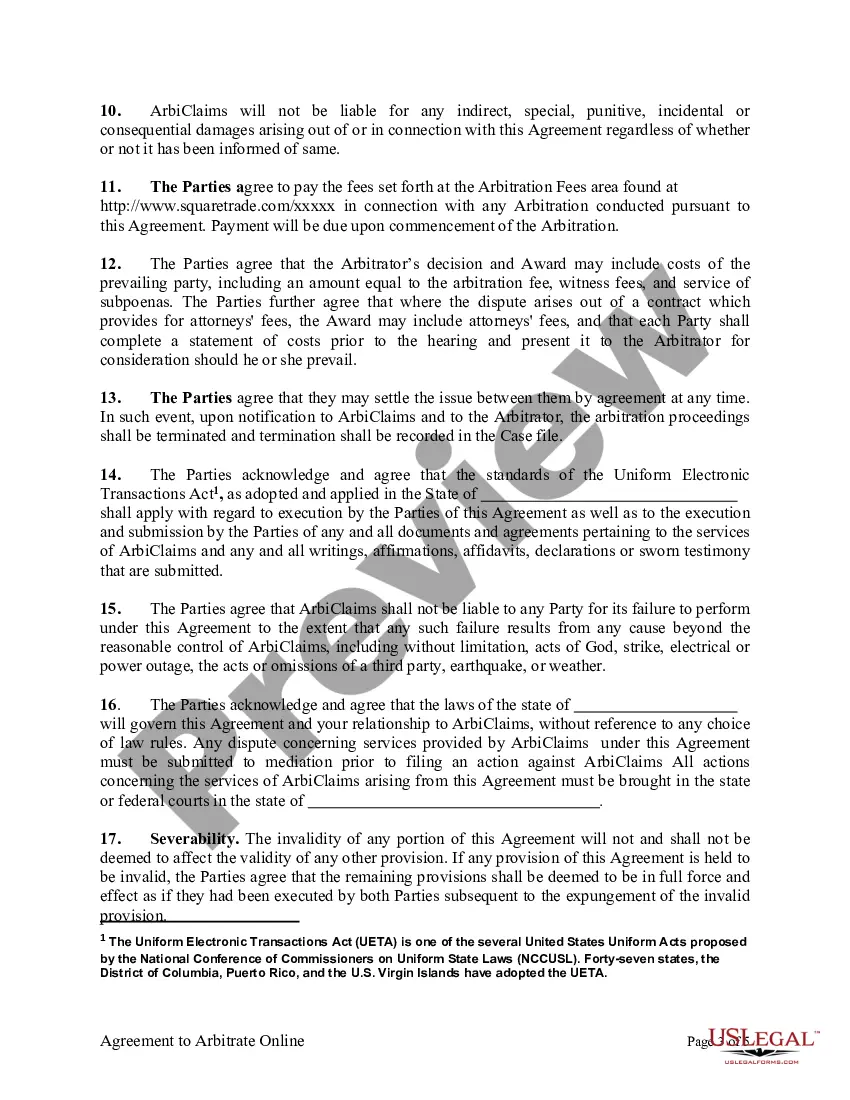




Get your form ready online
Our built-in tools help you complete, sign, share, and store your documents in one place.
Make edits, fill in missing information, and update formatting in US Legal Forms—just like you would in MS Word.
Download a copy, print it, send it by email, or mail it via USPS—whatever works best for your next step.
Sign and collect signatures with our SignNow integration. Send to multiple recipients, set reminders, and more. Go Premium to unlock E-Sign.
If this form requires notarization, complete it online through a secure video call—no need to meet a notary in person or wait for an appointment.
We protect your documents and personal data by following strict security and privacy standards.

Make edits, fill in missing information, and update formatting in US Legal Forms—just like you would in MS Word.

Download a copy, print it, send it by email, or mail it via USPS—whatever works best for your next step.

Sign and collect signatures with our SignNow integration. Send to multiple recipients, set reminders, and more. Go Premium to unlock E-Sign.

If this form requires notarization, complete it online through a secure video call—no need to meet a notary in person or wait for an appointment.

We protect your documents and personal data by following strict security and privacy standards.
Looking for another form?








Form popularity
FAQ
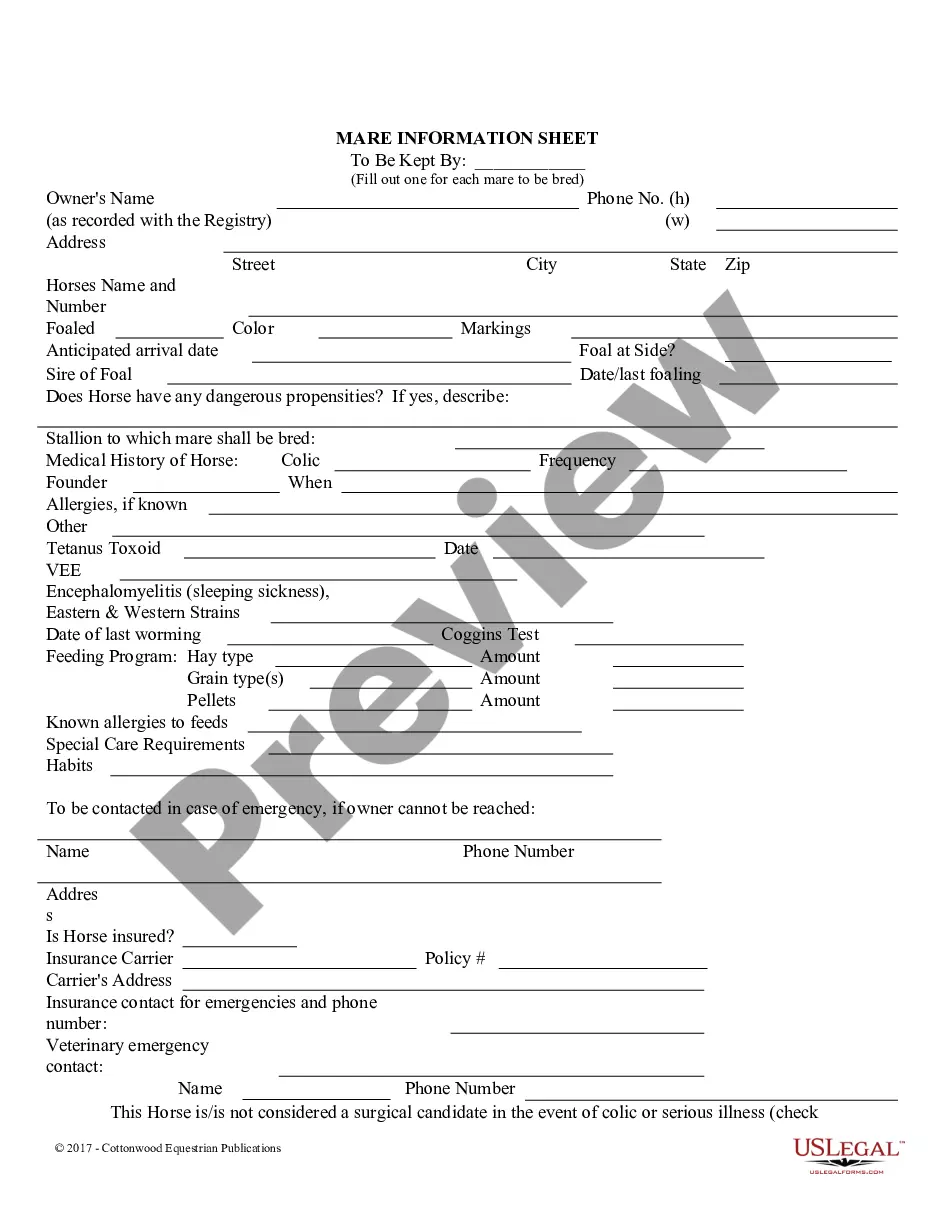
Arbitration is a process whereby the dispute between the vehicle manufacturer and the consumer is resolved by a neutral third party, an arbitrator. In California, many manufacturers offer a California state-certified arbitration program.
Arbitration agreements require that persons who signed them resolve any disputes by binding arbitration, rather than in court before a judge and/or jury. What is binding arbitration? Binding arbitration involves the submission of a dispute to a neutral party who hears the case and makes a decision.
If the dealer breached the contract or misrepresented the condition of the vehicle, then you can take legal action. If you signed a binding arbitration agreement, then you must first try to resolve this with the arbitration.
Arbitration is a form of alternative dispute resolution. It allows both sides to present their case in an expedited fashion to a panel of three attorneys who render a decision that same day.
By signing a contract with a mandatory binding arbitration provision, the dealer or lender can seek to resolve any disputes about the contract with an arbitrator, who is usually chosen by the dealer or lender. The arbitrator decides the dispute instead of a court.
Arbitration is actually pretty useful. It can make complaints that would take years happen rather quickly (comparatively). It is really up to you but arbitration is not a bad thing. The downside is you won't get a jury trial or something like that in the case of something really bad happening.
A claimant will typically start arbitration by sending a document known as a “request for arbitration” or a “notice to arbitrate” to its opponent.
If you include an arbitration clause in your contract, you might want to specify the rules for the arbitration proceeding. You can be vague in your rules. For example, you can simply say that the arbitration is: binding.
Much like the opening statement in a trial, your arbitration statement should lay out what the “evidence” – the written material – will show regarding the proper credit on the project. The Arbitration Statement is not established fact, just your assessment of the material.
"A dispute having arisen between the parties concerning , the parties hereby agree that the dispute shall be referred to and finally resolved by arbitration under the LCIA Rules. The number of arbitrators shall be one/three. The seat, or legal place, of arbitration shall be City and/or Country.
