Agreement Arbitrate Document Without Comments In Dallas
Description

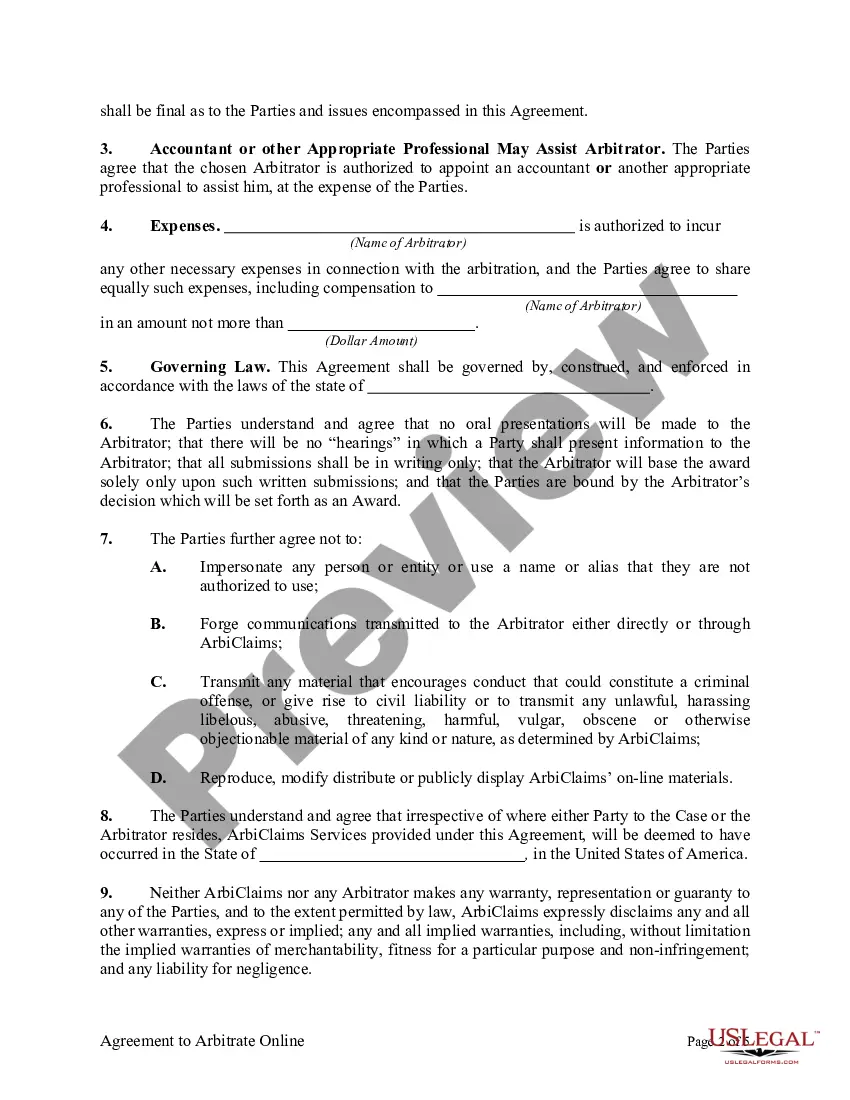




Get your form ready online
Our built-in tools help you complete, sign, share, and store your documents in one place.
Make edits, fill in missing information, and update formatting in US Legal Forms—just like you would in MS Word.
Download a copy, print it, send it by email, or mail it via USPS—whatever works best for your next step.
Sign and collect signatures with our SignNow integration. Send to multiple recipients, set reminders, and more. Go Premium to unlock E-Sign.
If this form requires notarization, complete it online through a secure video call—no need to meet a notary in person or wait for an appointment.
We protect your documents and personal data by following strict security and privacy standards.

Make edits, fill in missing information, and update formatting in US Legal Forms—just like you would in MS Word.

Download a copy, print it, send it by email, or mail it via USPS—whatever works best for your next step.

Sign and collect signatures with our SignNow integration. Send to multiple recipients, set reminders, and more. Go Premium to unlock E-Sign.

If this form requires notarization, complete it online through a secure video call—no need to meet a notary in person or wait for an appointment.

We protect your documents and personal data by following strict security and privacy standards.
Looking for another form?

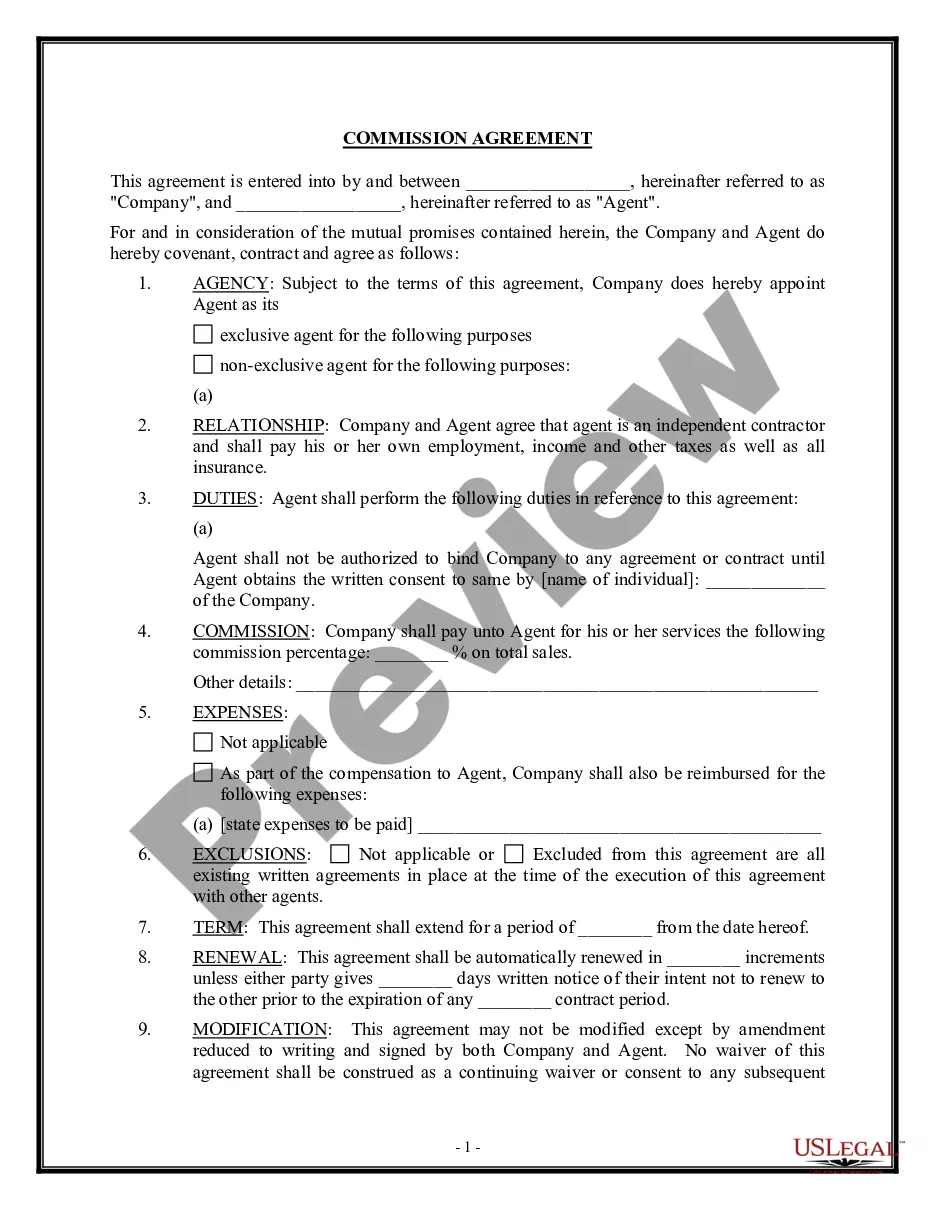






Form popularity
FAQ
Some contracts give you the right to opt out of the forced arbitration clause within a certain period of time, often 30 to 60 days, after signing the agreement by notifying the company that you wish to opt out. Check your contract for the deadline and for specific instructions for opting out.
Often, rules and awards are also available via the arbitral bodies' website. Westlaw's International Arbitration Materials provides access to cases, awards, rules, conventions, legislation, model laws, and more for practicing U.S. lawyers.
The brief should include identification of the parties, a concise description of the facts, and applicable case law and statutes. The briefs should be submitted to the arbitrator at least 2 days prior to the arbitration hearing.
However, the Texas Supreme Court has ruled that an employer can simply notify at-will employees of the details of an arbitration program it is adopting, and the employees can be bound to that arbitration program by continuing their employment, even if they never sign anything.
While it is true that arbitration is generally private because the public is excluded from the arbitration hearing, it does not follow that the arbitration proceedings remain confidential.
If the dispute involves sensitive information, arbitration provides a confidential setting where details are not disclosed to the public.
While it is true that arbitration is generally private because the public is excluded from the arbitration hearing, it does not follow that the arbitration proceedings remain confidential.
Arbitrators and mediators also play an important role in protecting personal confidential information. They have a duty to: Keep confidential all information obtained in connection with an arbitration or mediation. Transport and store, of case materials in a manner that preserves the confidentiality of the information.
If the arbitration agreement is claimed to be invalid based on reasons such as error, fraud, or threat, the validity of the arbitration agreement will be governed by the law chosen by the parties, and in the absence of a choice of law, the law of the place of arbitration applied.
The arbitration agreement must be contained in either a written document signed (including every adequate form of electronic signature) by the parties or in an exchange of letters, faxes, e-mails, or other forms of communication exchanged between the parties that provides proof of the existence of the agreement.
