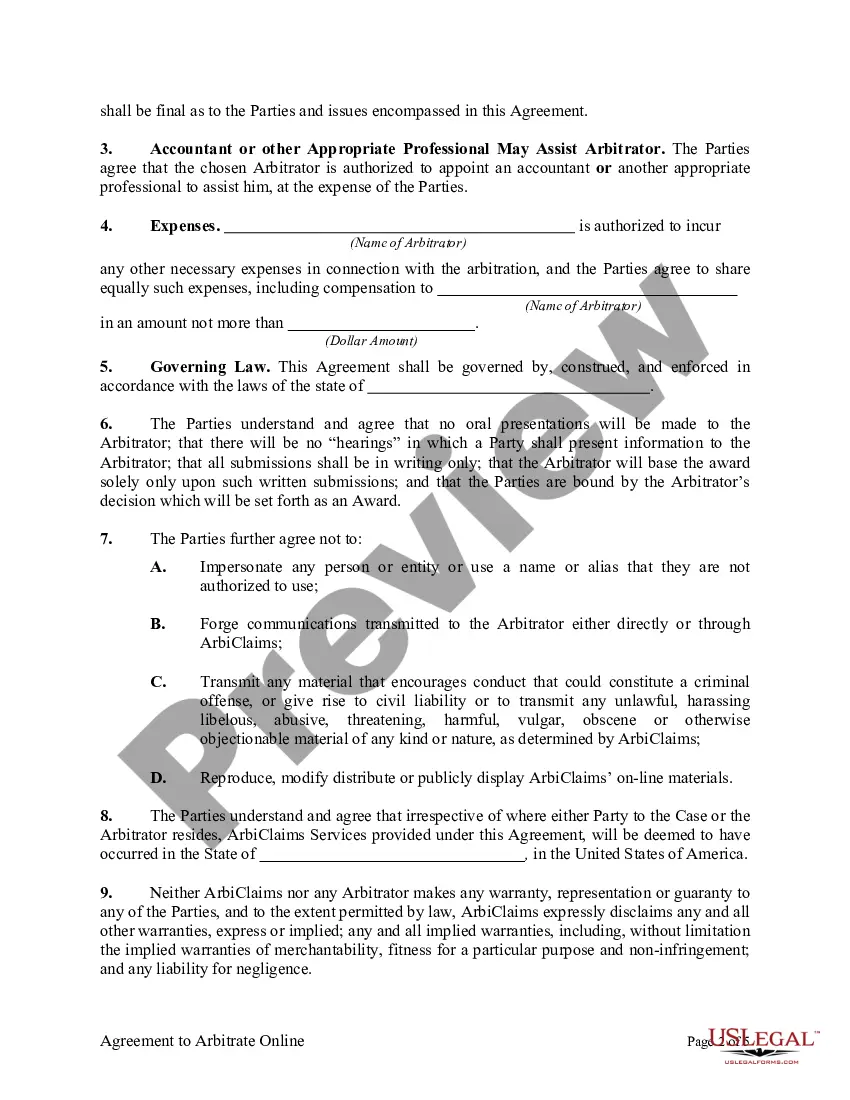
Arbitration Agreement In Cook
Description

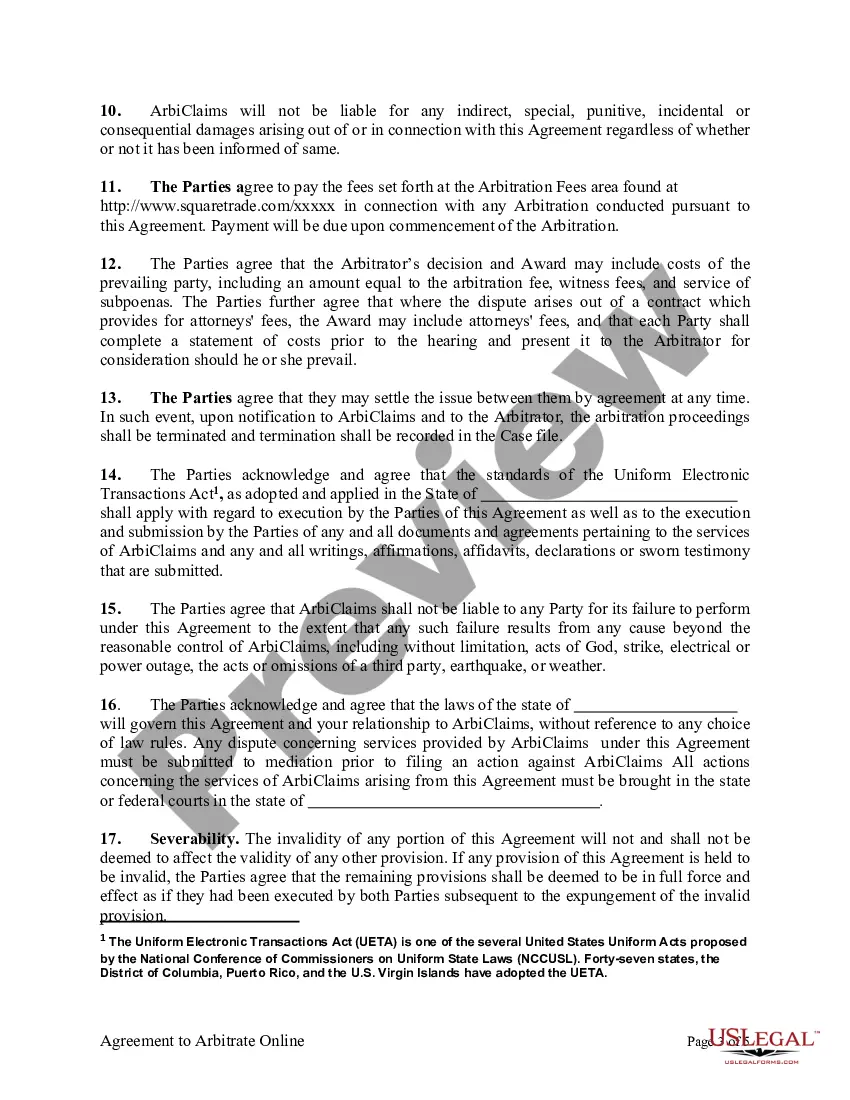




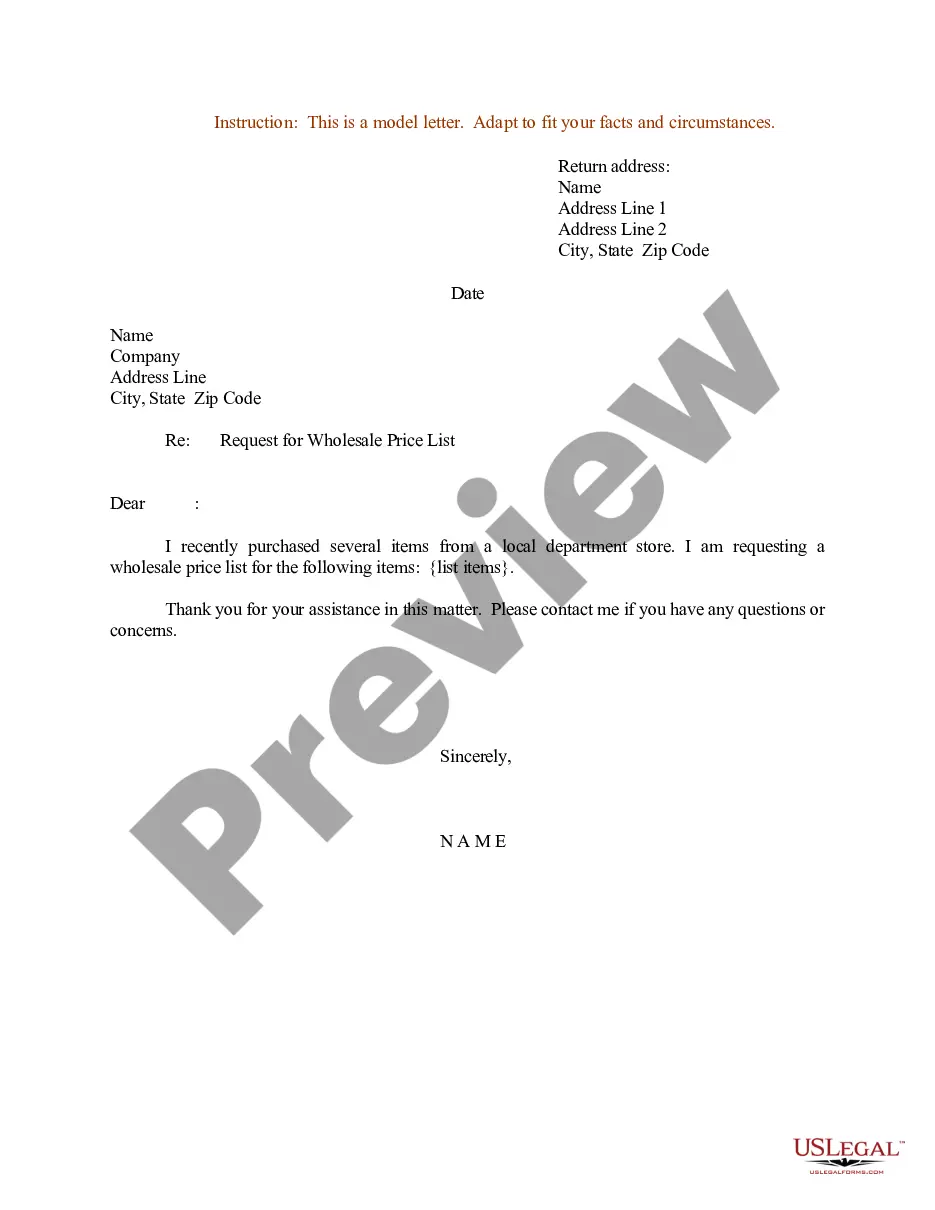
Get your form ready online
Our built-in tools help you complete, sign, share, and store your documents in one place.
Make edits, fill in missing information, and update formatting in US Legal Forms—just like you would in MS Word.
Download a copy, print it, send it by email, or mail it via USPS—whatever works best for your next step.
Sign and collect signatures with our SignNow integration. Send to multiple recipients, set reminders, and more. Go Premium to unlock E-Sign.
If this form requires notarization, complete it online through a secure video call—no need to meet a notary in person or wait for an appointment.
We protect your documents and personal data by following strict security and privacy standards.

Make edits, fill in missing information, and update formatting in US Legal Forms—just like you would in MS Word.

Download a copy, print it, send it by email, or mail it via USPS—whatever works best for your next step.

Sign and collect signatures with our SignNow integration. Send to multiple recipients, set reminders, and more. Go Premium to unlock E-Sign.

If this form requires notarization, complete it online through a secure video call—no need to meet a notary in person or wait for an appointment.

We protect your documents and personal data by following strict security and privacy standards.
Looking for another form?








Form popularity
FAQ
Arbitration agreements require that persons who signed them resolve any disputes by binding arbitration, rather than in court before a judge and/or jury. What is binding arbitration? Binding arbitration involves the submission of a dispute to a neutral party who hears the case and makes a decision.
What is an arbitration agreement? It's typically a clause in a broader contract in which you agree to settle out of court, through arbitration cases, any dispute that arises with your counterpart.
Arbitration agreements require that persons who signed them resolve any disputes by binding arbitration, rather than in court before a judge and/or jury. What is binding arbitration? Binding arbitration involves the submission of a dispute to a neutral party who hears the case and makes a decision.
Under California law, you cannot be fired solely for refusing to sign an arbitration agreement. The California Labor Code provides strong protections for employees, ensuring that refusal to sign an arbitration agreement cannot be used as grounds for termination.
A clause that requires arbitration is known as a mandatory arbitration clause. Today's question is: Are such clauses enforceable in Illinois? The short answer is yes, and the long answer doesn't really change much.
The agreement requires Cook to arbitrate any and all claims she may have against USC “or any of its related entities, including but not limited to faculty practice plans, or its or their officers, trustees, administrators, employees or agents, in their capacity as such or otherwise.” However, the agreement does not ...
At the arbitration hearing, the parties present their case to the arbitration panel and the arbitrators make a monetary award based on the evidence. The Illinois Code of Civil Procedure, Illinois Supreme Court Rules and the established rules of evidence all apply in arbitration hearings.
The Scope of the Clause. This section of the clause is critical; it sets the boundaries for which disputes the tribunal is authorised to determine. Choice of Rules. The Number of Arbitrators. Appointing Authority. Choice of Venue. The language of the proceedings. Finality. Exclusion of the right of appeal.
Arbitration is a mandatory but non-binding informal hearing where a neutral arbitrator, or panel of arbitrators, is selected to hear the evidence in your case. Arbitrators are knowledgeable, impartial practicing attorneys or retired judges.
There are typically seven stages of the arbitration process: Claimant Files a Claim. Respondent Submits Answer. Parties Select Arbitrators. Parties Attend Initial Prehearing Conference. Parties Exchange Discovery. Parties Attend Hearings. Arbitrators Deliberate and Render Award.
