Minutes Writing For In Virginia
Description



Get your form ready online
Our built-in tools help you complete, sign, share, and store your documents in one place.
Make edits, fill in missing information, and update formatting in US Legal Forms—just like you would in MS Word.
Download a copy, print it, send it by email, or mail it via USPS—whatever works best for your next step.
Sign and collect signatures with our SignNow integration. Send to multiple recipients, set reminders, and more. Go Premium to unlock E-Sign.
If this form requires notarization, complete it online through a secure video call—no need to meet a notary in person or wait for an appointment.
We protect your documents and personal data by following strict security and privacy standards.

Make edits, fill in missing information, and update formatting in US Legal Forms—just like you would in MS Word.

Download a copy, print it, send it by email, or mail it via USPS—whatever works best for your next step.

Sign and collect signatures with our SignNow integration. Send to multiple recipients, set reminders, and more. Go Premium to unlock E-Sign.

If this form requires notarization, complete it online through a secure video call—no need to meet a notary in person or wait for an appointment.

We protect your documents and personal data by following strict security and privacy standards.
Looking for another form?







Form popularity
FAQ
In summary Taking the minutes at a meeting involves proper documentation and at a board meeting, is one of the duties performed by a company secretary.
Who is responsible for taking minutes for a meeting? The corporate secretary generally takes notes and prepares meeting minutes. If there is no specific role for this in your company, the job should rotate between people who know how to take notes for a meeting.
All public records and meetings shall be presumed open, unless an exemption is properly invoked. The provisions of this chapter shall be liberally construed to promote an increased awareness by all persons of governmental activities and afford every opportunity to citizens to witness the operations of government.
Typically, the responsibility of taking minutes during a meeting falls to a designated person called a minute-taker or a meeting recorder. In formal meetings, such as a board of directors' meeting or a shareholders' meeting, this person is often a professional secretary or an administrative assistant.
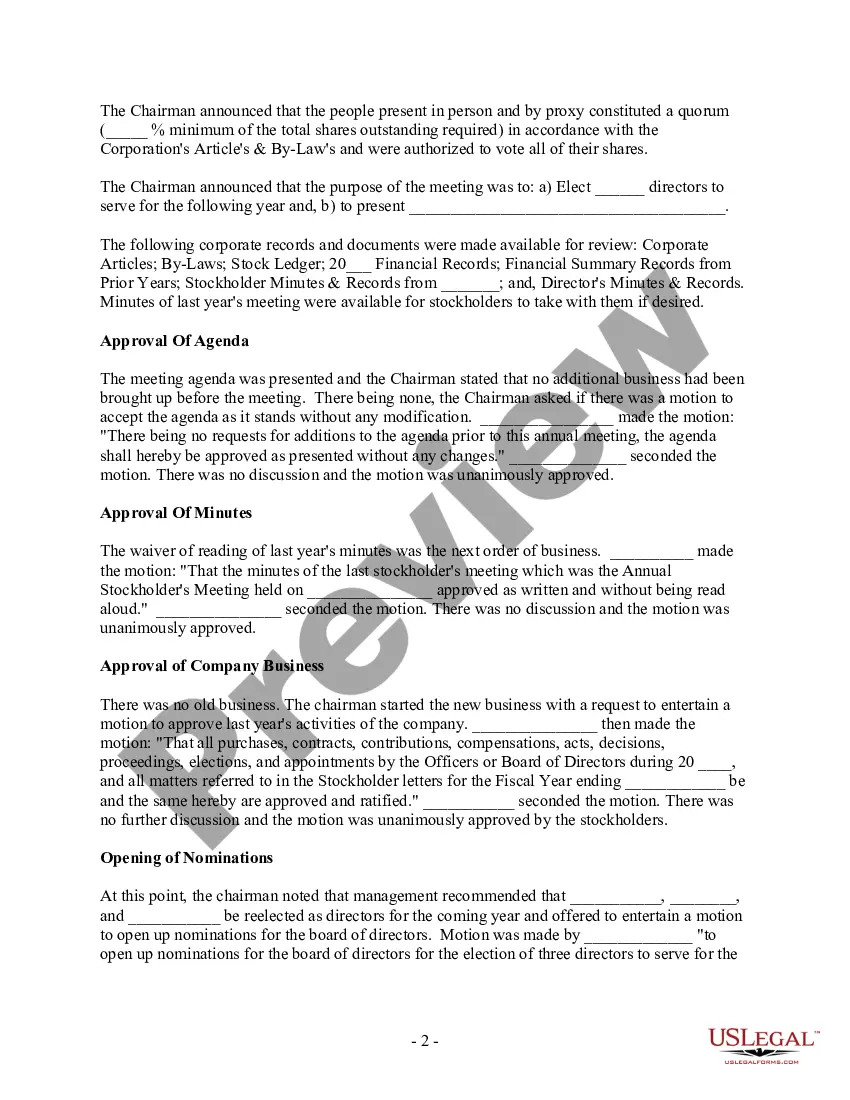
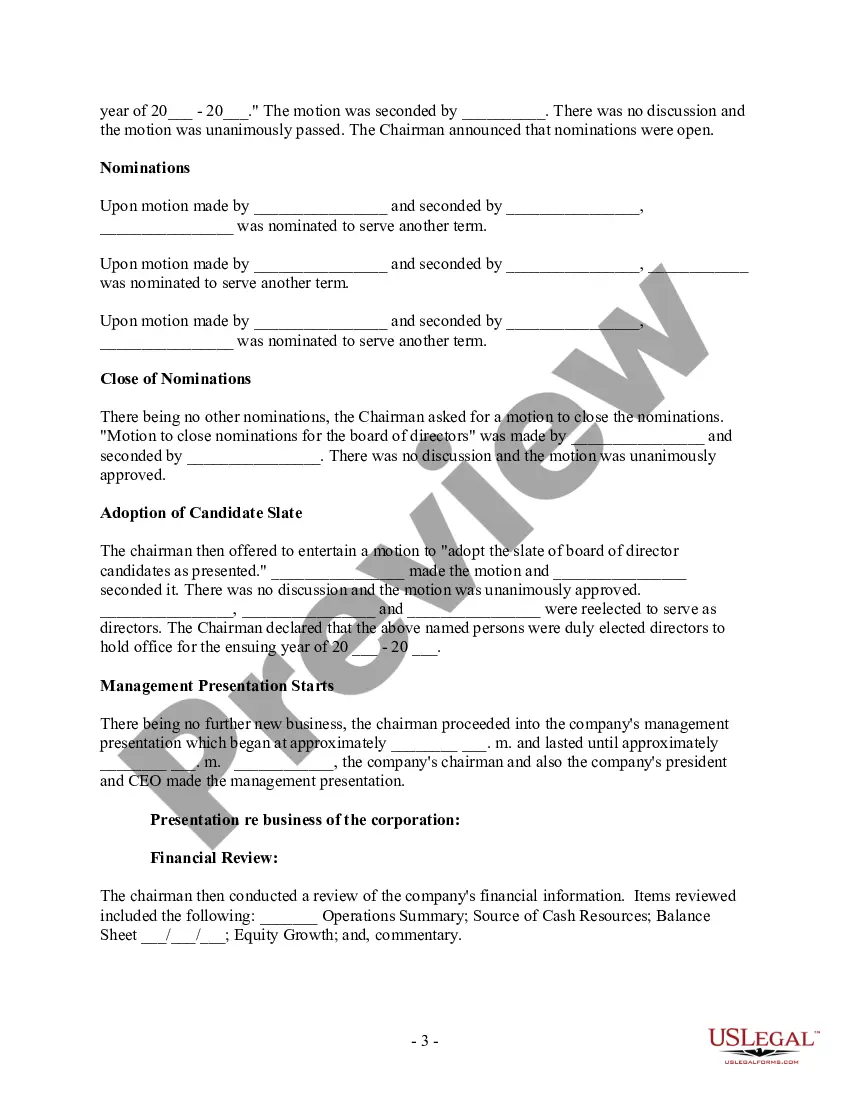
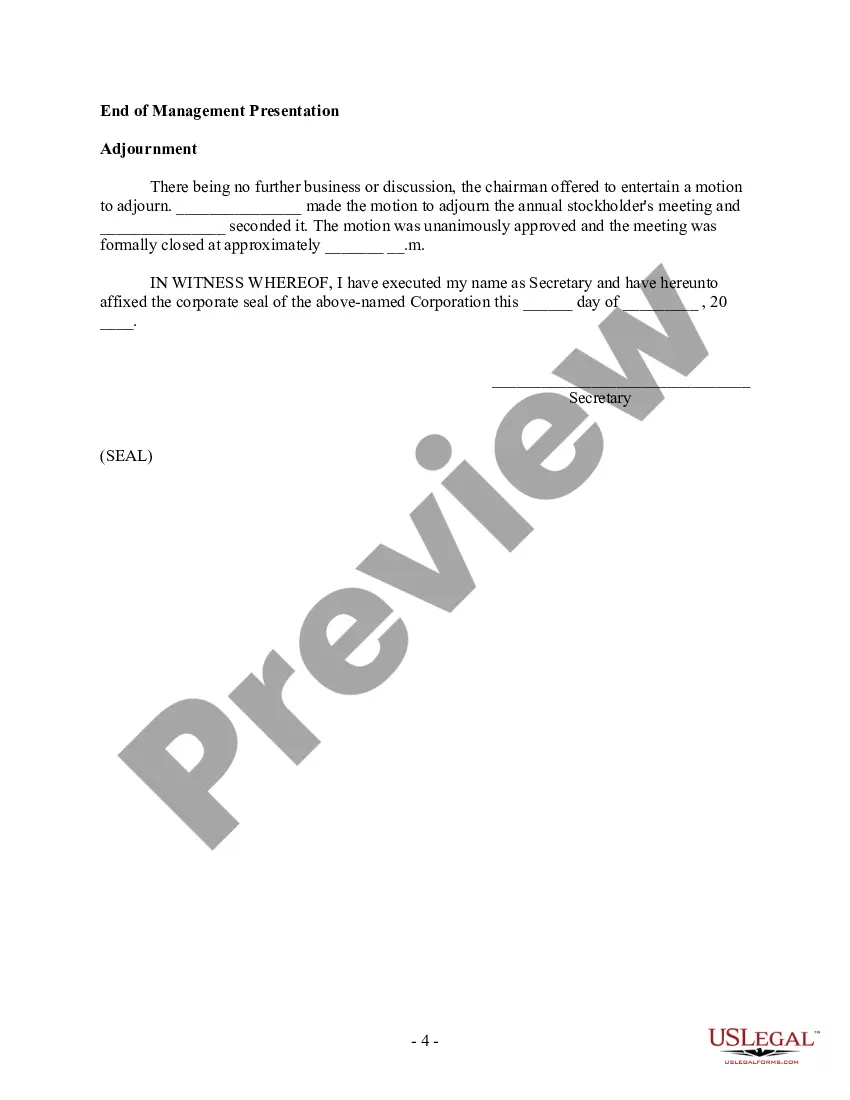
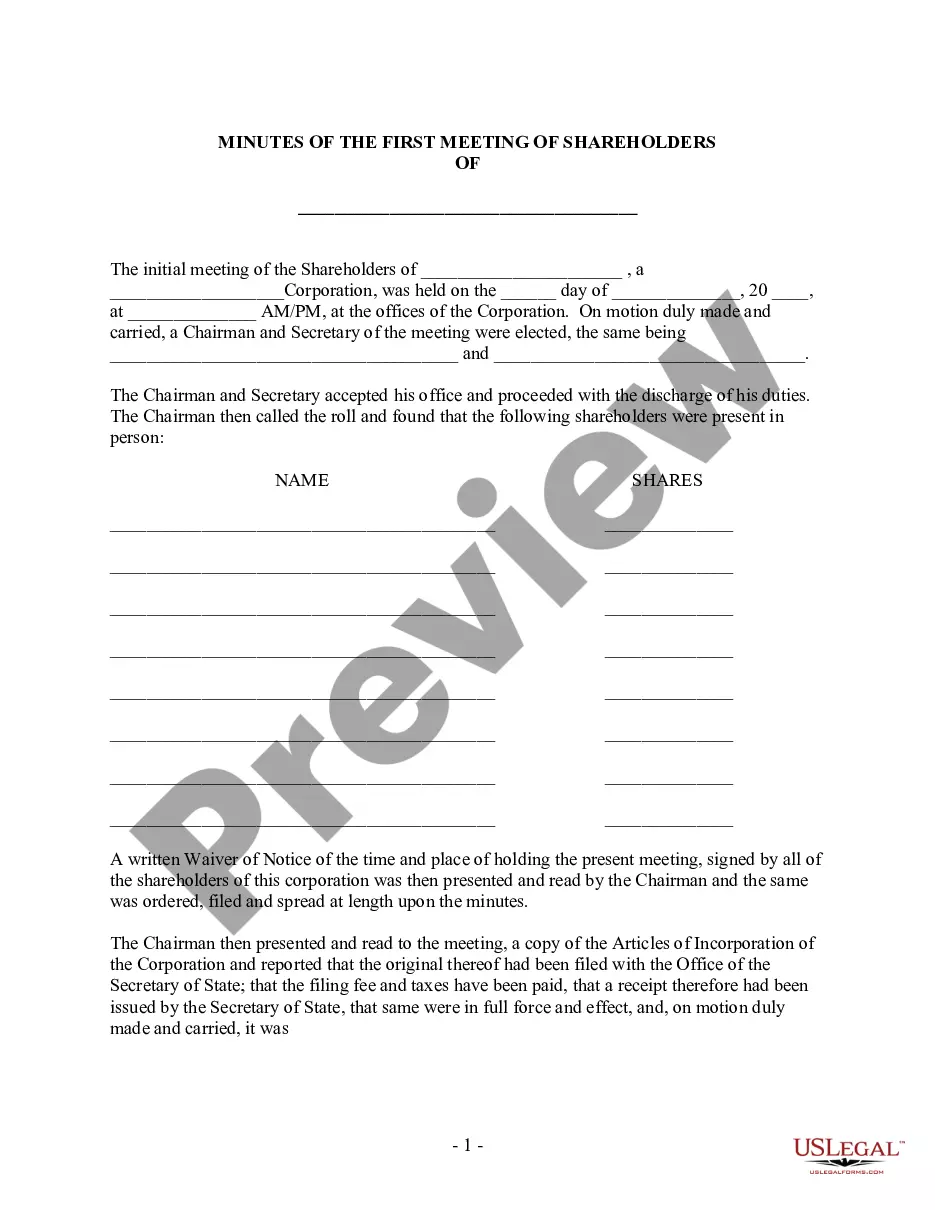
How to write meeting minutes Organization name. Meeting purpose. Start and end times. Date and location. List of attendees and absentees, if necessary. Space for important information like motions passed or deadlines given. Space for your signature and the meeting leader's signature.
The person who takes minutes or notes in a meeting is normally called or known as either a secretary, scribe, recorder or even a notetaker.
Include the key elements like the meeting date and place, meeting attendees, agenda items, record decisions, actions, talking points, and deadlines. Formatting is a key. Make meeting minutes visually appealing and easy to read with proper spacing, bulleted lists, summary tables, and highlighted titles and keywords.
How to write meeting minutes reports Make an outline. Prior to the meeting, create an outline by picking or designing a template. Include factual information. Write down the purpose. Record decisions made. Add details for the next meeting. Be concise. Consider recording. Edit and proofread.
How to write meeting minutes reports Make an outline. Prior to the meeting, create an outline by picking or designing a template. Include factual information. Write down the purpose. Record decisions made. Add details for the next meeting. Be concise. Consider recording. Edit and proofread.
